
Dunes at Scheveningen — History & Facts
A vast, cloud-laden sky commands the scene, drawing the viewer’s gaze upward before letting it drift down to the gentle slopes of sand and the quiet bustle along the shore. The figures and animals scattered across the dunes are not grand actors but everyday presences, their gestures and postures speaking to a world in motion—horses pause, dogs sniff, a child stands by, and fishermen tend to boats pulled up from the water. The sails, angled and taut, catch the same wind that shapes the clouds, linking sea and land in a single breath.
Notice how the light, soft and cool, glances off the sand and the white horse, guiding the eye from the foreground’s intimacy to the distant horizon where ships become silhouettes. The palette is restrained, the mood contemplative, yet every detail—the makeshift tents, the cart’s slow progress—anchors the viewer in a real, inhabited place. Painted circa 1659, Dunes at Scheveningen belongs to the world of the Dutch Golden Age, when landscape painting flourished as a genre in its own right. Artists like Adriaen van de Velde responded to a society newly interested in its own land and daily life, producing works for a thriving urban market rather than for church or court.
Such paintings were prized for their ability to transform the familiar—beaches, dunes, the changing weather—into scenes worthy of contemplation and pride. The work’s presence today in a digital collection speaks to the ongoing fascination with these quiet moments of seventeenth-century life, inviting us to linger in the wind and light of a Dutch shore, centuries removed yet instantly accessible.
More Artworks by Adriaen van de Velde

Staande stier
Adriaen van de Velde
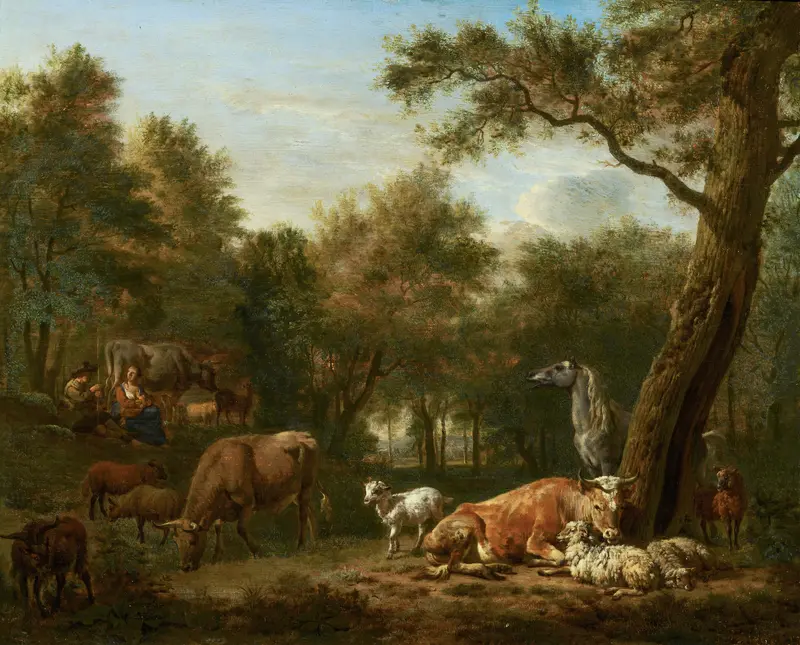
Wooded Landscape with Cattle
Adriaen van de Velde
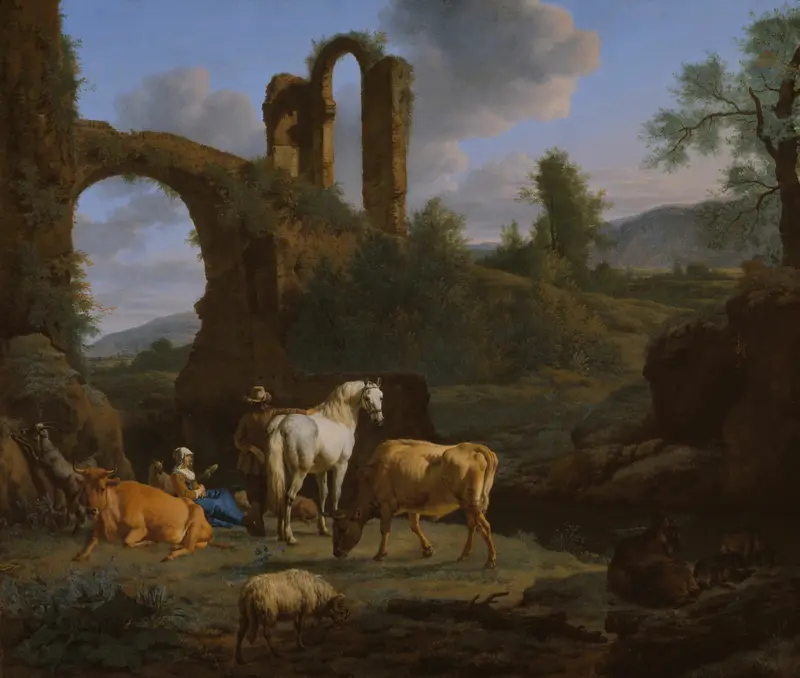
Pastoral Landscape with Ruins
Adriaen van de Velde
Pastoral Landscape with Ruins
Adriaen van de Velde
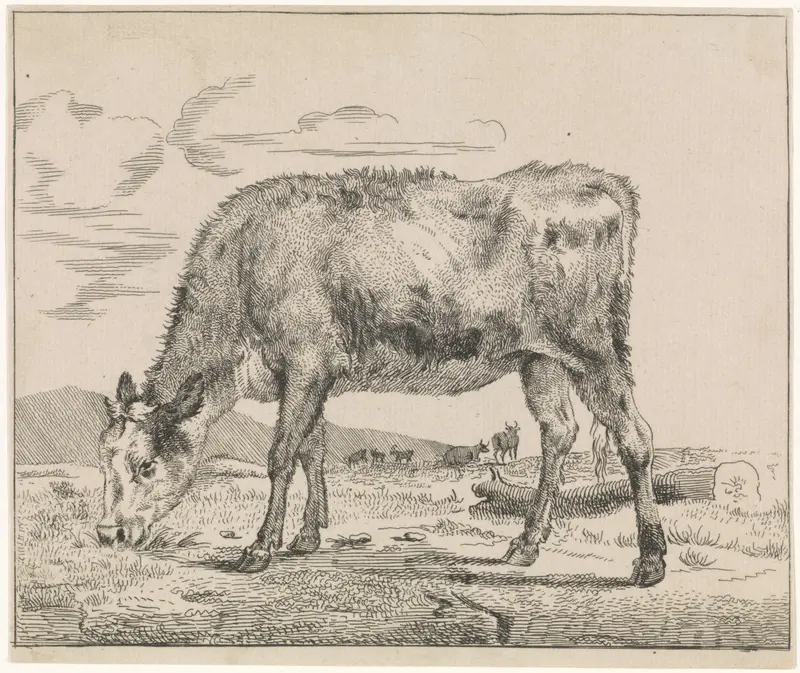
Grazend kalf
Adriaen van de Velde
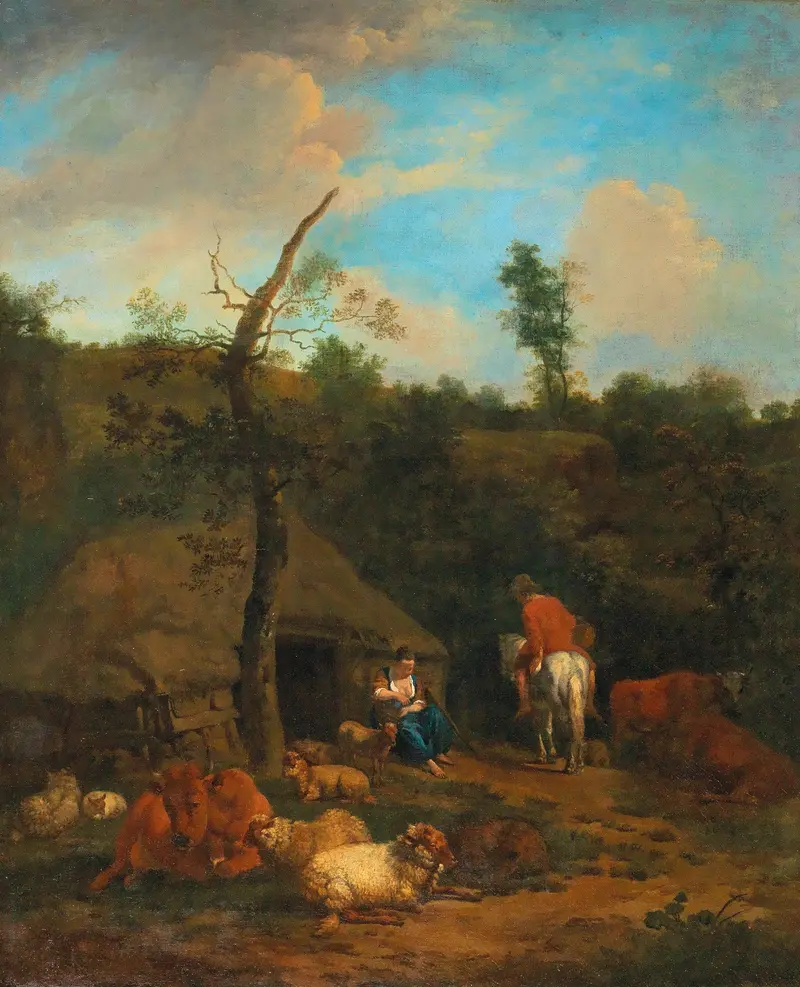
A herdsman and a shepherdess in front of a wooden farmhouse
Adriaen van de Velde
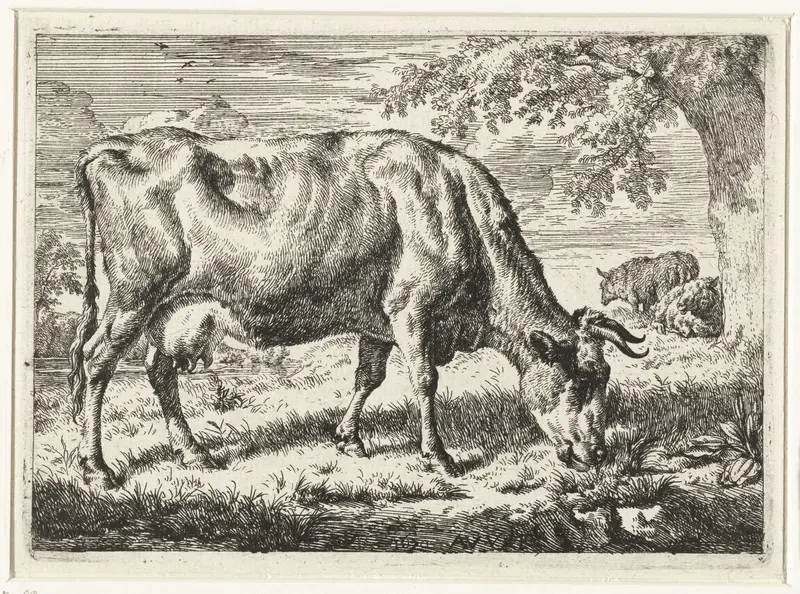
Grazende koe en twee schapen
Adriaen van de Velde
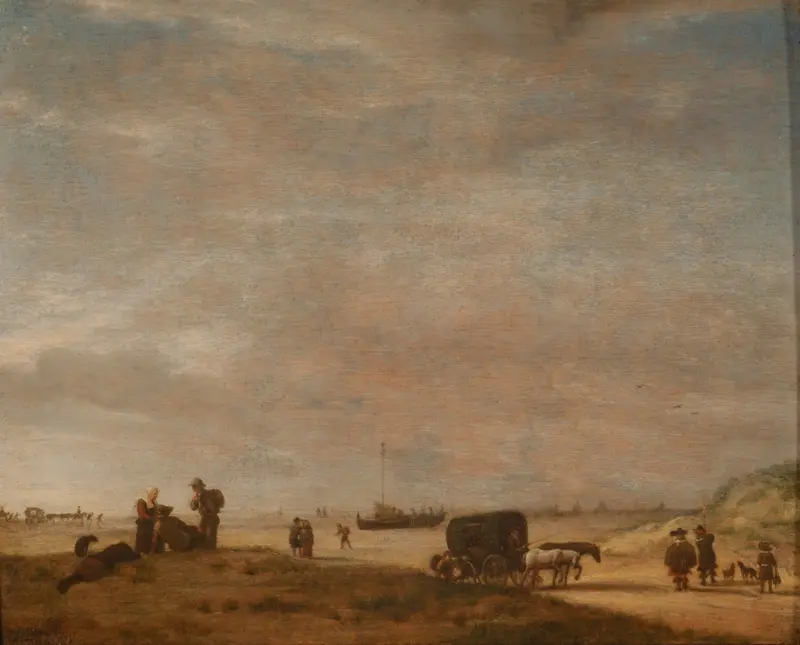
Scheveningen Beach
Adriaen van de Velde
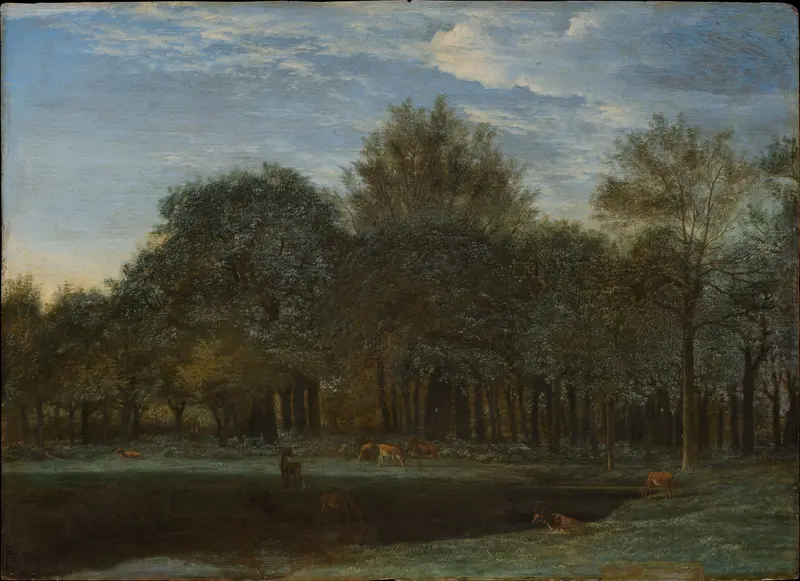
Forest Clearing with Grazing Deer
Adriaen van de Velde
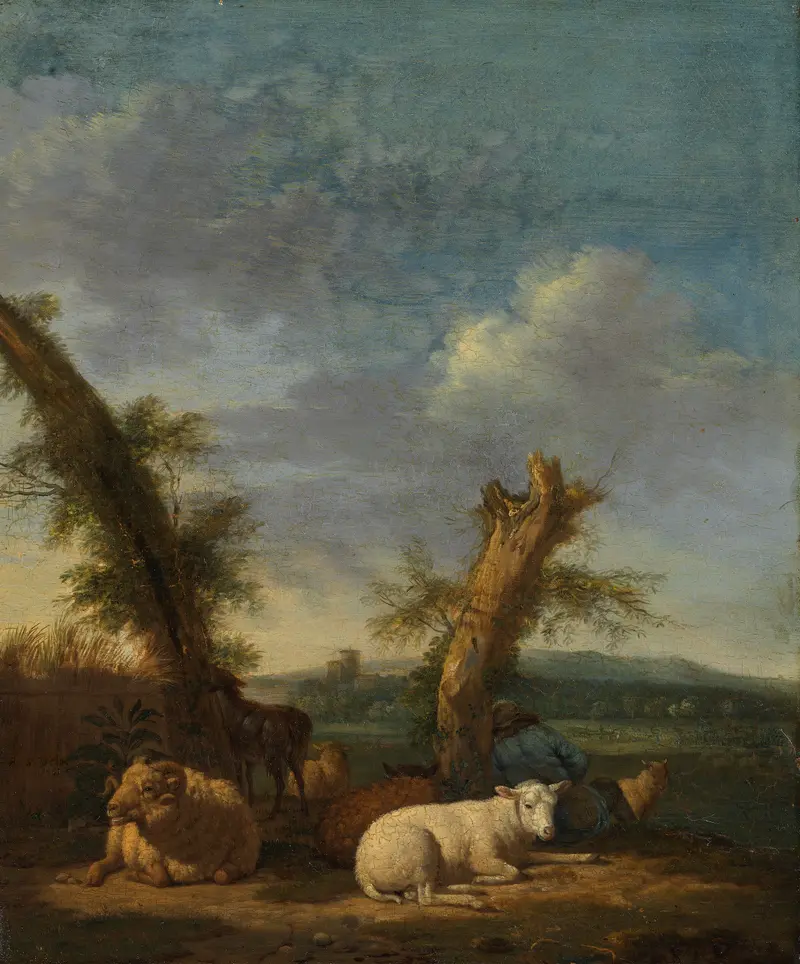
Landscape with Sheep and a Sleeping Shepherd
Adriaen van de Velde
More Landscape Art

The Starry Night
Vincent van Gogh

View of Delft
Johannes Vermeer

Water Lilies
Claude Monet

The Grand Canal, Venice, looking north-west from the Ca' Corner to the Ca' Contarini degli Scrigni, with the campanile of Santa Maria della Carità
Canaletto

Windsor Castle
Canaletto

The Grand Canal looking North-East from the Palazzo Dolfin-Manin to the Rialto Bridge
Canaletto