
Dunes with a herdsman and his herd — History & Facts
A shaft of sunlight breaks through the heavy sky, striking the sandy rise at the heart of the scene and transforming a simple dune into a quiet stage. Your eye is drawn first to the herdsman, caught mid-stride as he guides his flock across a shallow stream, his gesture mirrored by the gentle, instinctive clustering of the animals. The landscape is not dramatic, yet there is a sense of pause and anticipation—the way the light lingers on the grasses, the subtle reflection in the water, and the darkening clouds that seem to promise change.
Every detail is purposeful: the lone tree anchors the horizon, while the scattered logs and tufts of grass suggest a land shaped by both nature and daily labor. The palette is earthy and subdued, but the contrast between the sunlit dune and the brooding sky sets a mood of calm vigilance. Painted in the 1650s, this work belongs to a world where the Dutch landscape was both a source of national pride and a subject of endless fascination for artists and collectors alike. Scenes like this—intimate, grounded, and attentive to the rhythms of rural life—were prized by a rising class of urban patrons who sought reminders of the countryside’s quiet order amid the bustle of the Dutch Golden Age.
The genre flourished in part because it offered both escape and reassurance: a vision of harmony between people and land, rendered with a naturalism that was itself a mark of sophistication. Little is recorded about this particular painting’s early journey, but today it forms part of the Fondation Custodia’s collection, a testament to the enduring appeal of such scenes. Let your gaze linger on the meeting of land, sky, and water, and imagine the countless quiet stories that have unfolded in such places.
More Artworks by Adriaen van de Velde

Staande stier
Adriaen van de Velde
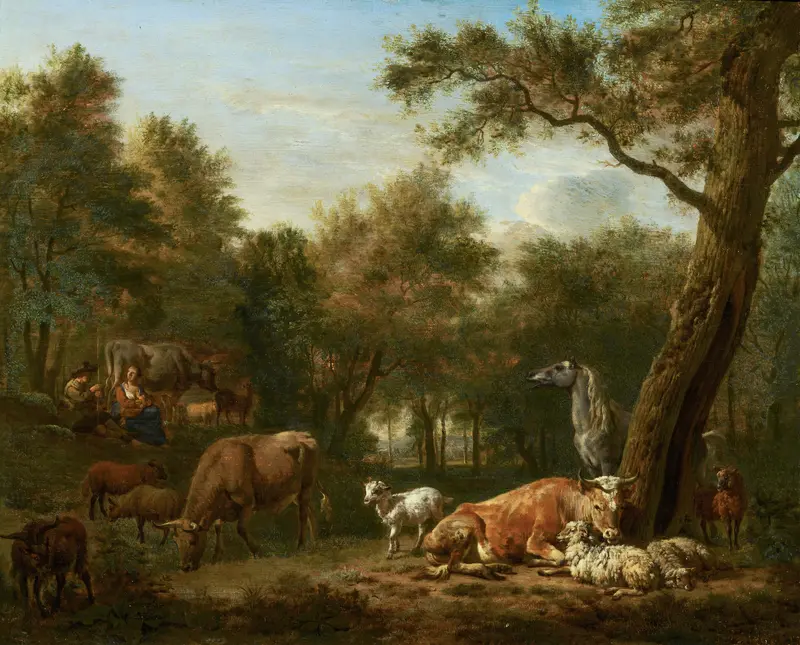
Wooded Landscape with Cattle
Adriaen van de Velde
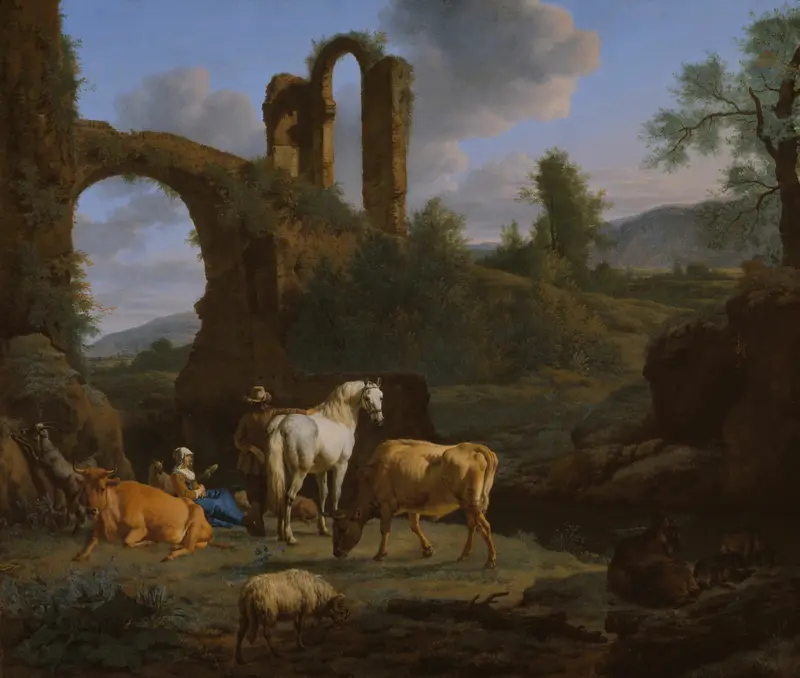
Pastoral Landscape with Ruins
Adriaen van de Velde
Pastoral Landscape with Ruins
Adriaen van de Velde
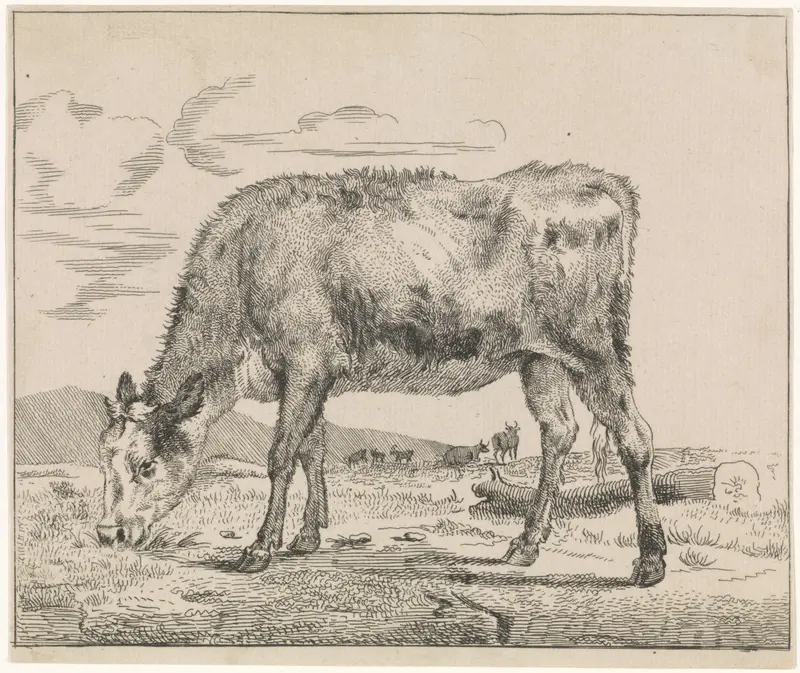
Grazend kalf
Adriaen van de Velde
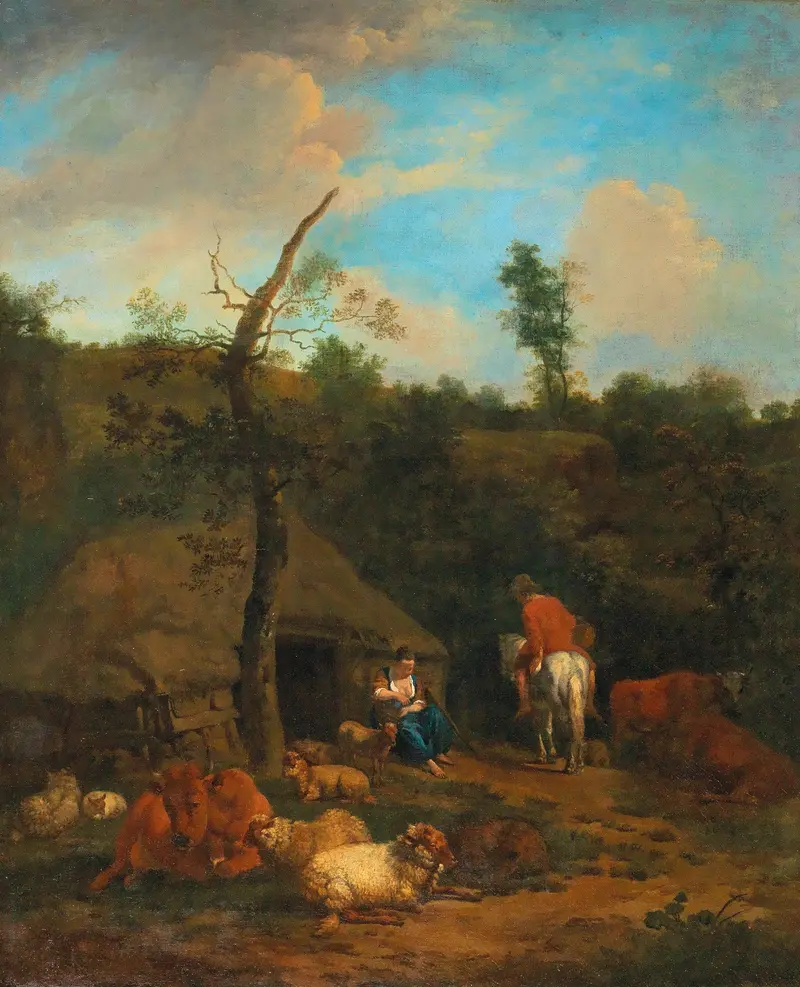
A herdsman and a shepherdess in front of a wooden farmhouse
Adriaen van de Velde
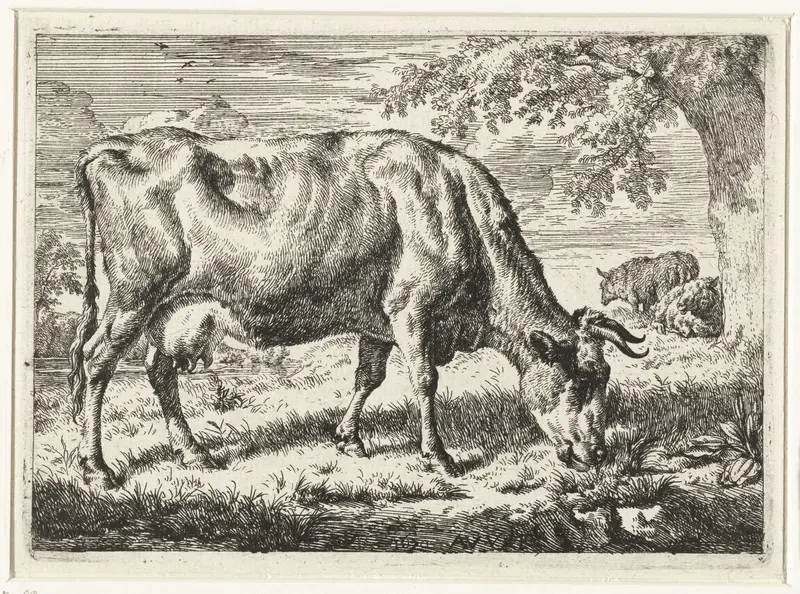
Grazende koe en twee schapen
Adriaen van de Velde
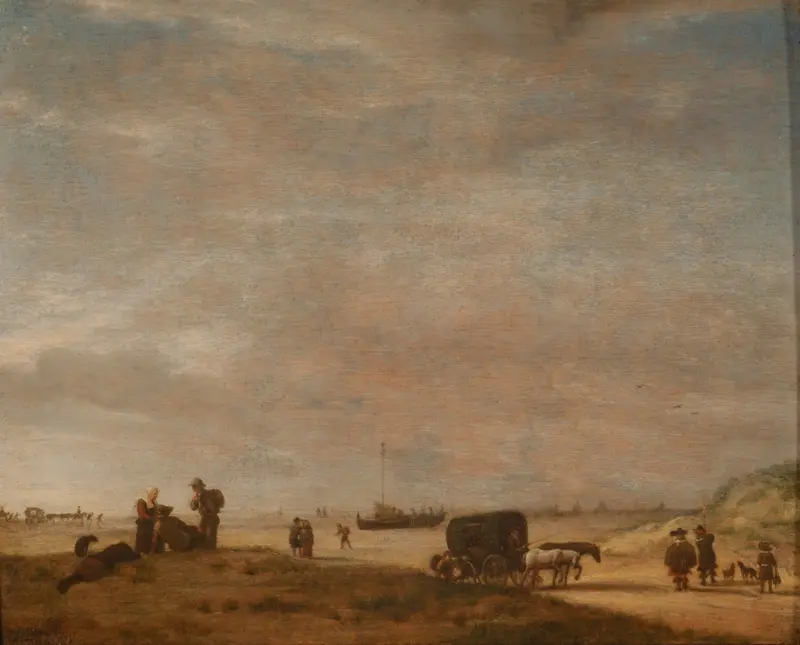
Scheveningen Beach
Adriaen van de Velde
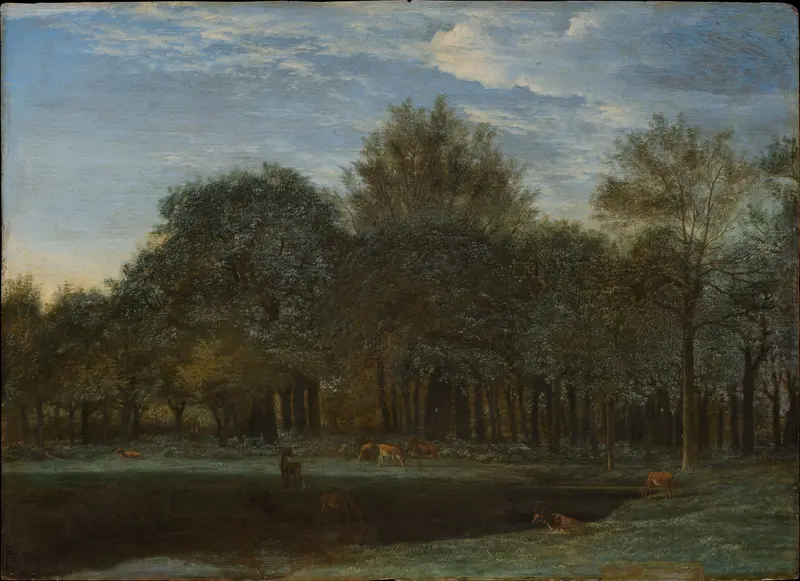
Forest Clearing with Grazing Deer
Adriaen van de Velde
Landscape with Sheep and a Sleeping Shepherd
Adriaen van de Velde
More Landscape Art

The Starry Night
Vincent van Gogh

View of Delft
Johannes Vermeer

Water Lilies
Claude Monet

The Grand Canal, Venice, looking north-west from the Ca' Corner to the Ca' Contarini degli Scrigni, with the campanile of Santa Maria della Carità
Canaletto

Windsor Castle
Canaletto

The Grand Canal looking North-East from the Palazzo Dolfin-Manin to the Rialto Bridge
Canaletto