
Edge of the Water (Au Bord de L’Eau) — History & Facts
Is this a mirror — or a memory? In Alphonse Legros's Edge of the Water, the serene reflection of water hints at a darker undertow, drawing us into a moment that feels both tranquil and fraught with unspoken tension. Focus on the shimmering surface gliding across the lower half of the canvas. The water’s gentle ripples distort the silhouettes of trees and figures, creating a sense of ambiguity. Look to the left where a solitary figure stands, poised in quiet contemplation, almost as if caught between the desire to immerse in the peace of nature and the turmoil lurking beneath the surface.
The muted palette of greens, blues, and browns enhances this duality, intertwining calmness with an unsettling heaviness, suggesting an unfulfilled longing or a violent past that haunts the present. Delve into the reflective qualities of the water, where light dances and bends, transforming clarity into obscurity. The juxtaposition of the still waters and the potential for hidden depths invites contemplation of memory and trauma. Notice the figure's posture; there is an unsettling tension in their stance, evoking an emotional conflict between the serenity of the landscape and the depths of their inner turmoil.
This painting thus emerges as a dialogue between peace and violence, a silent battle echoed in the rippling water. Legros painted Edge of the Water during a period of significant personal and artistic evolution, likely between 1857 and 1911. Living in Paris, he was influenced by the Symbolist movement, seeking to convey deeper emotional truths through natural settings. The world was grappling with the aftermath of political upheaval and wars, which permeated the art scene, pushing artists to explore themes of duality—just as Legros does in this haunting piece.
More Artworks by Alphonse Legros
Browse all →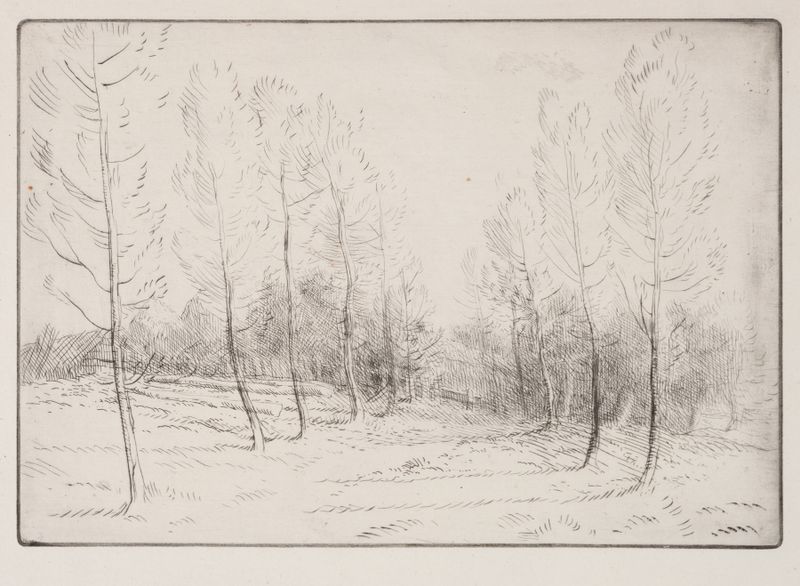
Avenue of Poplars
Alphonse Legros
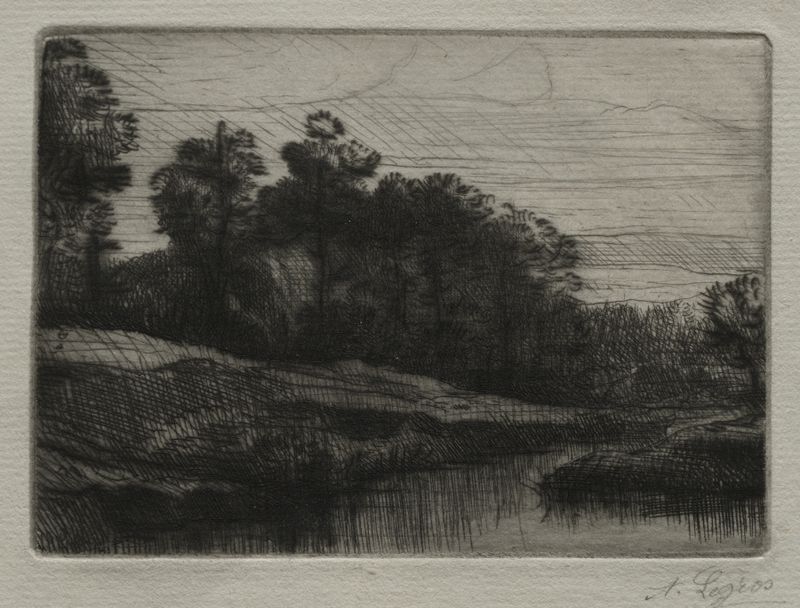
Evening
Alphonse Legros

The Fish in the Hoop Net
Alphonse Legros

The Little Beggar
Alphonse Legros
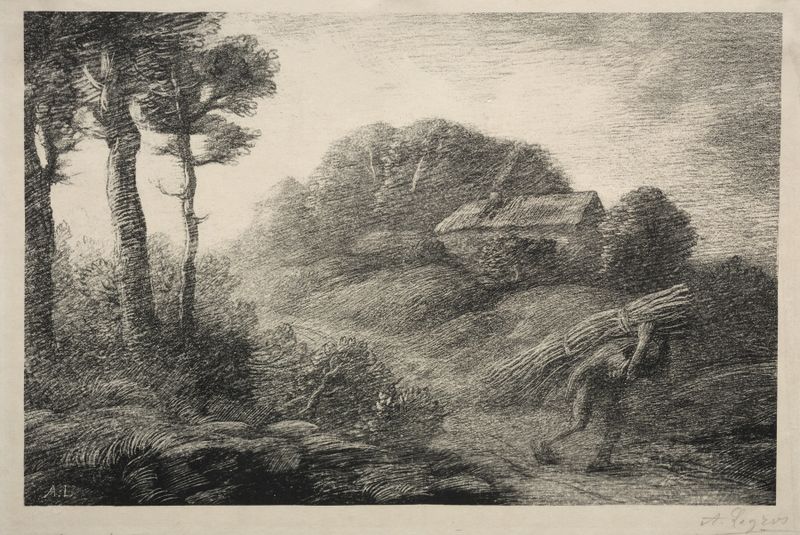
The Return of the Fagot Gatherer
Alphonse Legros

Storm
Alphonse Legros
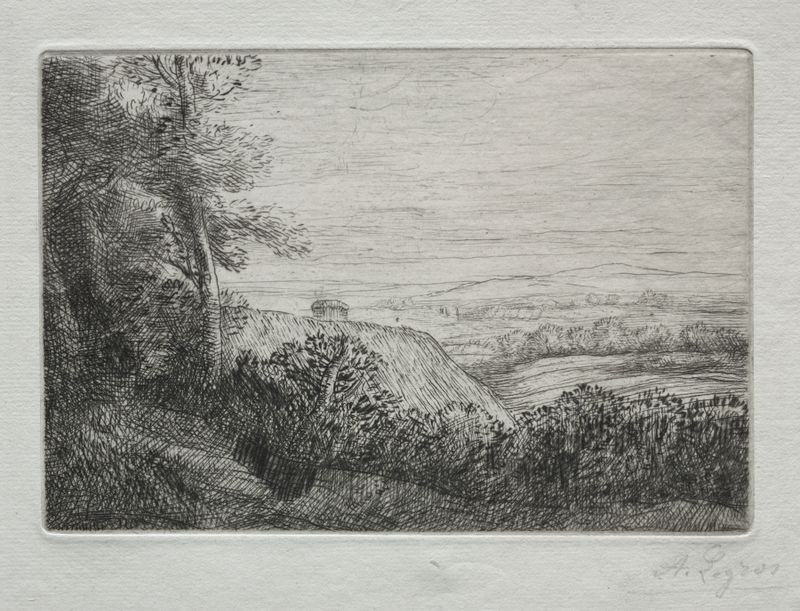
Les dernière Rayons de Soleil
Alphonse Legros
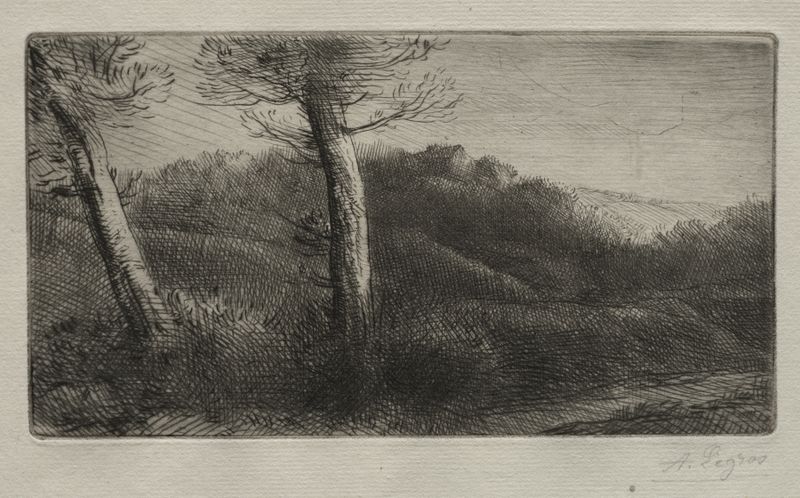
The Traveler Stretched out on the Grass
Alphonse Legros
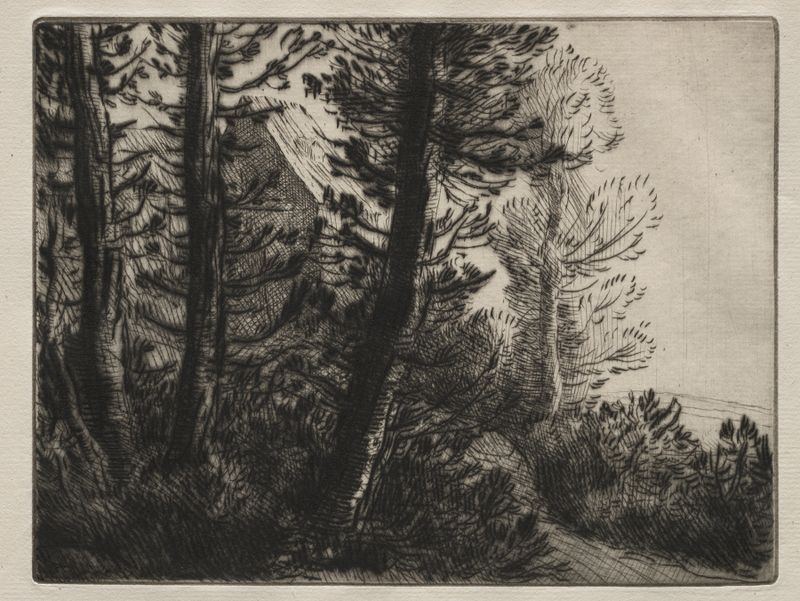
Guard House
Alphonse Legros

Death of a Vagabond
Alphonse Legros





