
Effet De Brume Sur La Mer — History & Facts
Is this a mirror — or a memory? The canvas beckons with a whisper of longing, a moment suspended between reality and a dreamlike haze, capturing the essence of desire itself. Look to the horizon where soft, muted blues blend seamlessly with the greys of mist. The gentle curves of the waves cradle light as it dances upon the water’s surface, creating an ethereal shimmer that draws the eye. Notice how the brushstrokes evoke a sense of movement, while the atmospheric depth of color invites the viewer to lose themselves in its serene embrace.
The composition balances tranquility with an underlying tension, suggesting both the beauty and the elusiveness of what lies beyond the visible. Within this tranquil seascape, hidden meanings emerge from the fog. The interplay between light and shadow echoes the duality of desire—an endless yearning that both enchants and eludes. In the foreground, the brushwork grows denser, suggesting the tumult of emotions that accompany longing, while the vastness of the sea represents the infinite possibilities that remain just out of reach.
This tension between calmness and yearning invites deeper reflection, urging us to confront our own desires, which often linger in the periphery of our consciousness. In 1911, Effet De Brume Sur La Mer emerged from the mind of Henry Brokman during a time of artistic experimentation in Europe. The early 20th century was marked by significant change, as artists began to explore new styles and techniques, breaking free from traditional conventions. Brokman, influenced by Impressionism and the burgeoning modernist movement, sought to capture ephemeral moments of beauty — a pursuit reflected in this work, where the boundaries between the sea and sky blur, revealing the artist's profound desire to convey the intangible.
More Artworks by Henry Brokman
Browse all →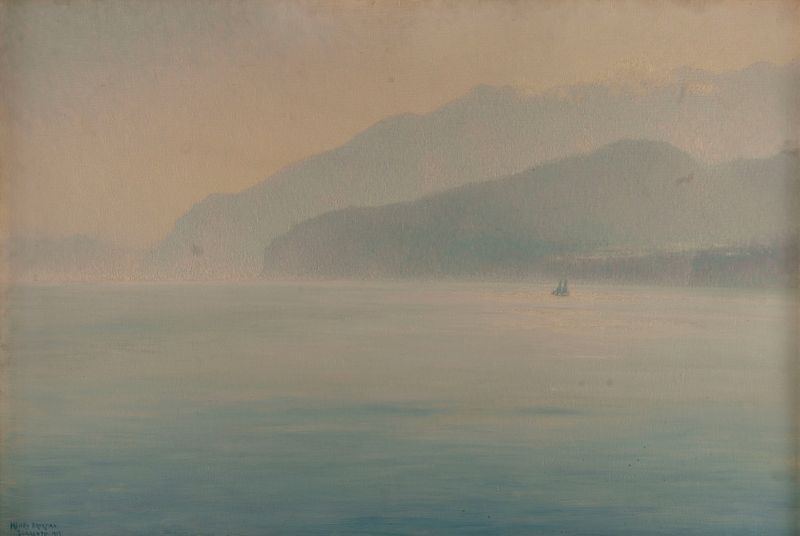
Côte De Sorrente, Bleu Et Argent
Henry Brokman
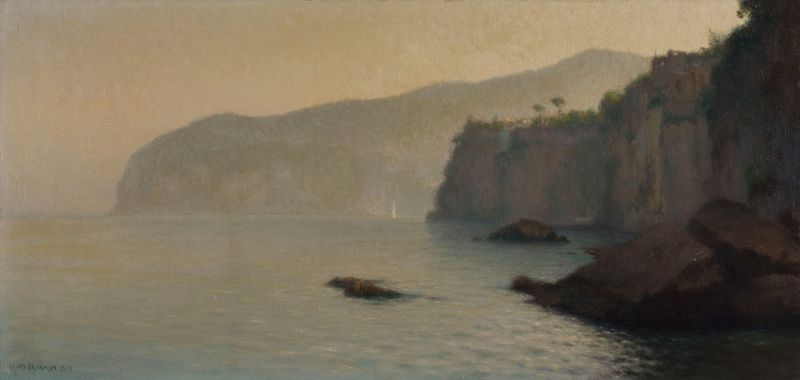
Petite côte de Sorrente (grise)
Henry Brokman
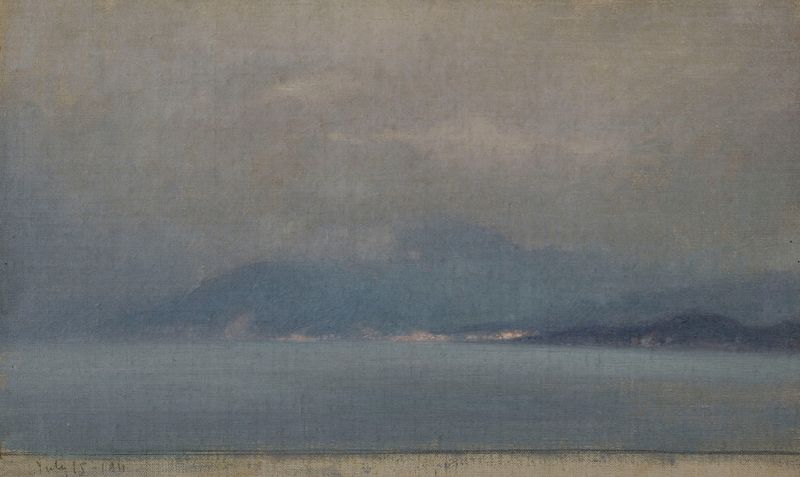
Etude de paysage
Henry Brokman
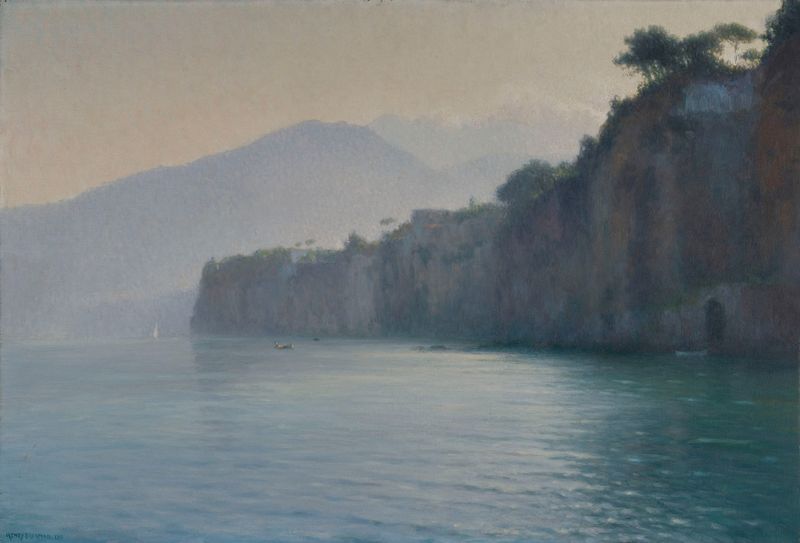
Sorrente, côte argentée
Henry Brokman
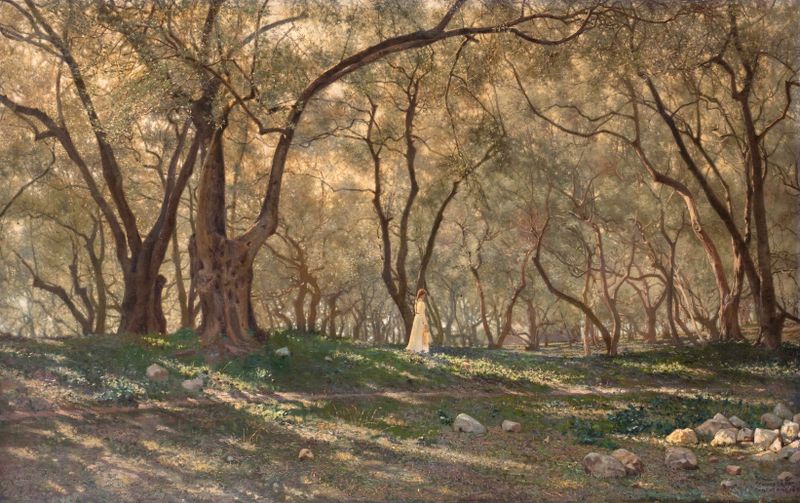
Jeune Fille Sous Les Oliviers – Menton
Henry Brokman
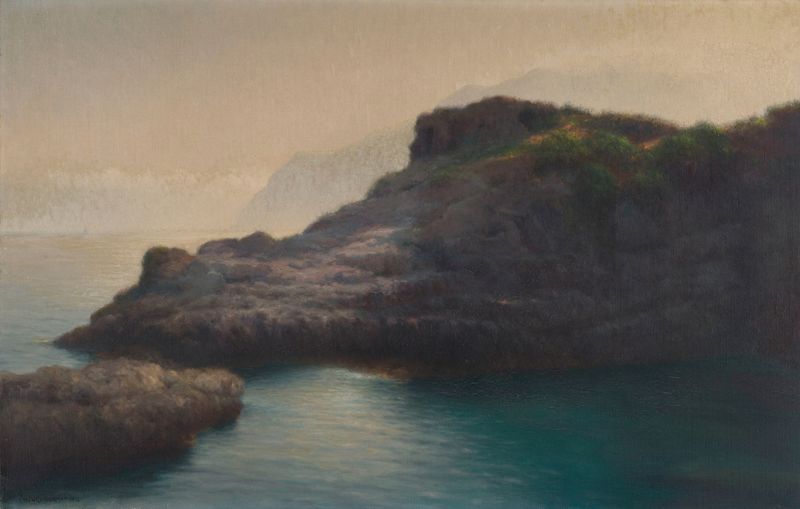
Cap de Sorrente
Henry Brokman
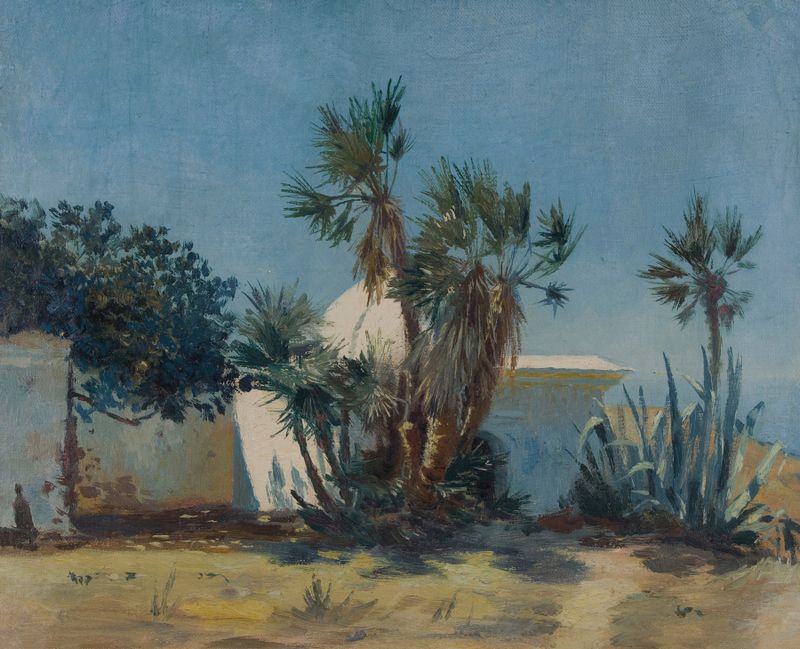
L’Oasis
Henry Brokman
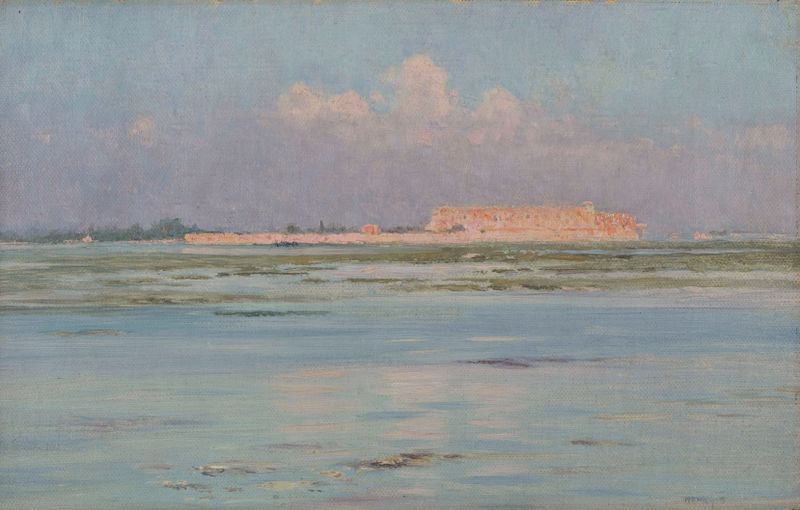
Le Temple De Louxor, Egypte
Henry Brokman
Terrasse De L’hôtel Cocumella
Henry Brokman
Rive du Nil, Egypte
Henry Brokman





