Eiche — History & Facts
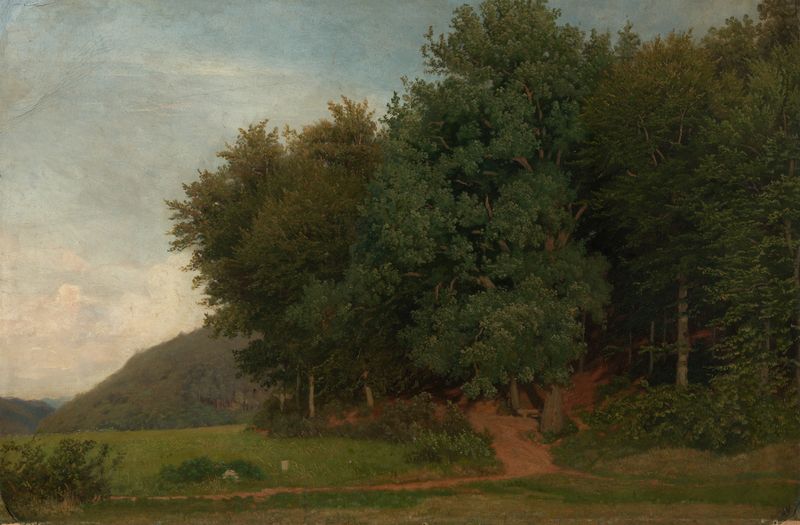
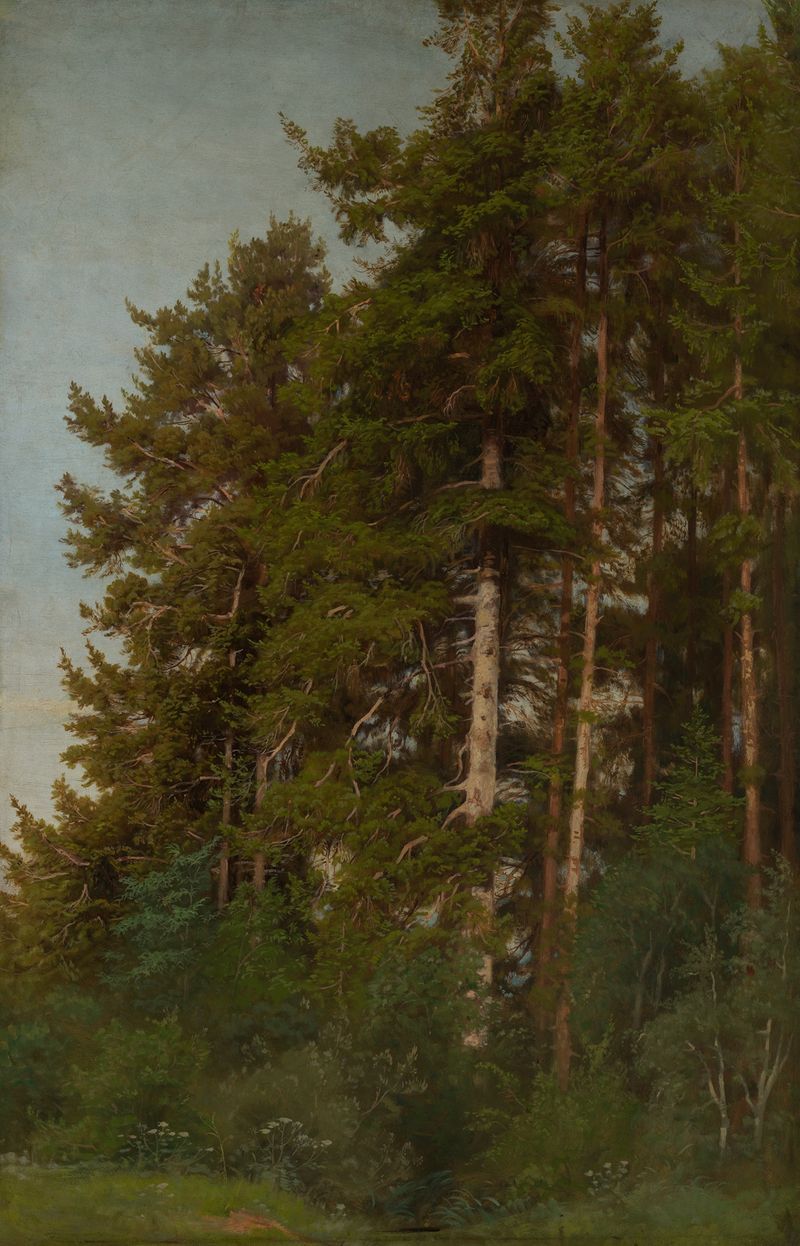
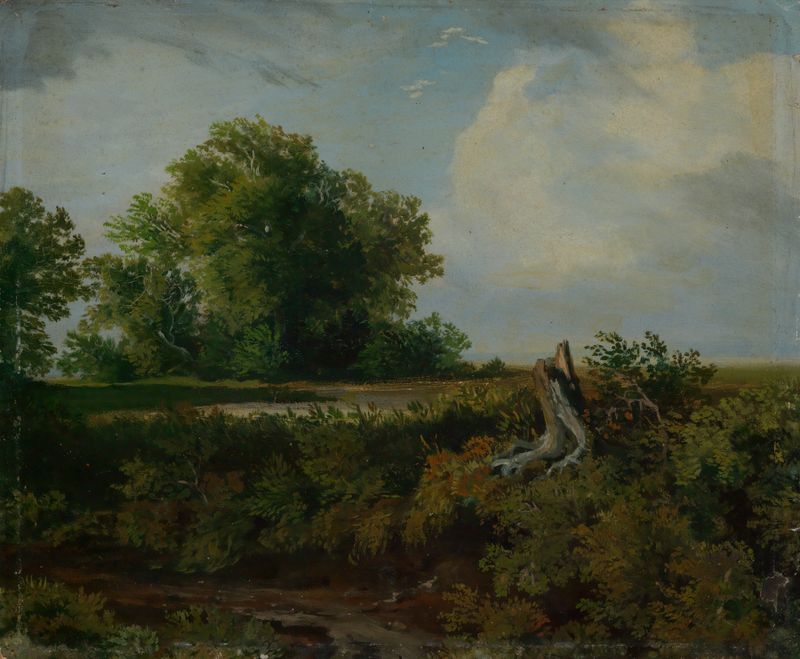
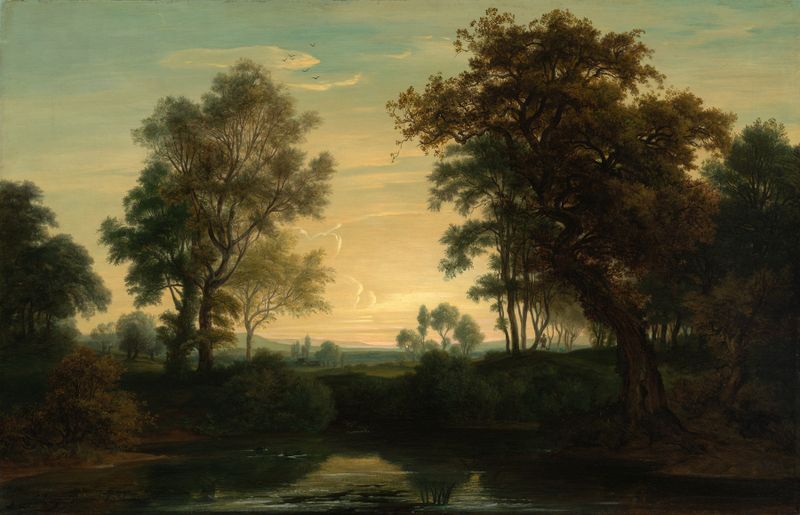
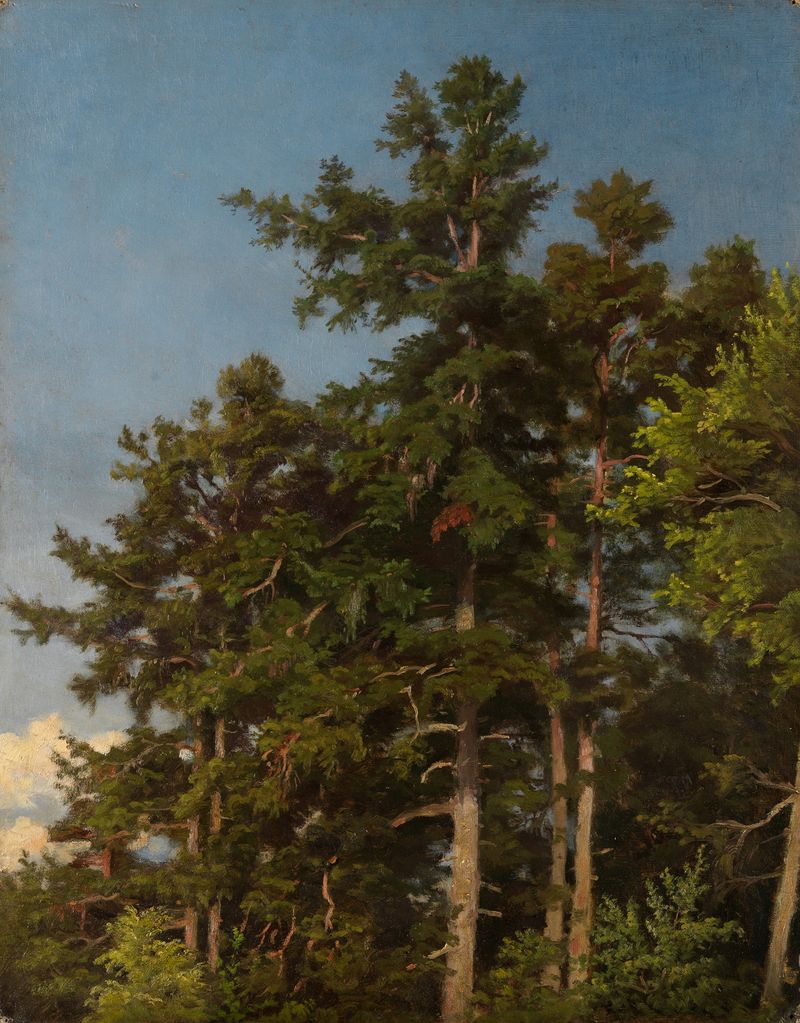
In Eiche, the artist transforms the unbridled energy of nature into a harmonious dance of movement and stillness. Each stroke invites the viewer to explore the balance between the wildness of the oak tree and the serene backdrop, eliciting a quiet contemplation of life’s dualities. Notice how the gnarled branches of the oak stretch toward the sky, inviting your gaze upward. Focus on the rich greens and earthy browns that collide and merge, creating a tapestry of texture.
The light filtering through the foliage is a play of shadow and illumination, suggesting both the passage of time and the vibrancy of life. The composition pulls you into the heart of the tree, where nature’s chaos unfurls into graceful forms. Hidden within the layers of this artwork are contrasts between strength and fragility. The sturdy trunk, robust and enduring, stands firm against the soft, whispering leaves that tremble in the breeze.
This tension reflects a deeper narrative about resilience and vulnerability in the face of life's storms. Each detail, from the bark's rough texture to the gentle sway of the branches, resonates with the idea of movement — both physical and emotional — that defines existence. Emil Lugo painted Eiche around 1860, during a time when the Romantic movement was flourishing. Living in Germany, he was influenced by the natural world and the desire to express its beauty and turmoil.
This period of art saw a shift towards capturing the essence of nature and emotion, which profoundly impacted Lugo's work, as he sought to convey the grace found amid chaos.