
El Canal de Briare — History & Facts
Can beauty exist without sorrow? This question lingers with every glance at the serene landscape captured by Harpignies, inviting contemplation on the delicate balance of existence. Focus first on the gentle, winding canal that weaves through the composition, a silken ribbon of reflective water that pulls the eye along its tranquil path. Notice how the verdant trees on either side bend slightly, framing the scene with lush greens that softly contrast against the sky's pastel hues, hinting at twilight. The brushstrokes, both tender and deliberate, create a sense of calmness, yet the subtle ripples in the water hint at a disturbance beneath the surface. Delve deeper into the scene, where the light plays a pivotal role; it dances across the water’s surface, illuminating the fleeting moments of beauty while casting long shadows that evoke introspection.
Each detail, from the gracefully arching branches to the whispers of wildflowers along the banks, reflects a moment frozen in time, suggesting legacies of nature and the whispers of those who wandered here before. The tranquil beauty of the canal serves as a poignant reminder of the transient nature of joy amidst the inevitable sorrows of life. Harpignies created this work during a time of artistic evolution, likely in the late 19th century when landscape painting was being reshaped by the Impressionist movement. As he painted in France, the art world was grappling with new techniques and theories, yet he remained devoted to capturing the timeless bond between nature and emotion, creating pieces that resonate with the viewer long after the moment has passed.
More Artworks by Henri-Joseph Harpignies
Browse all →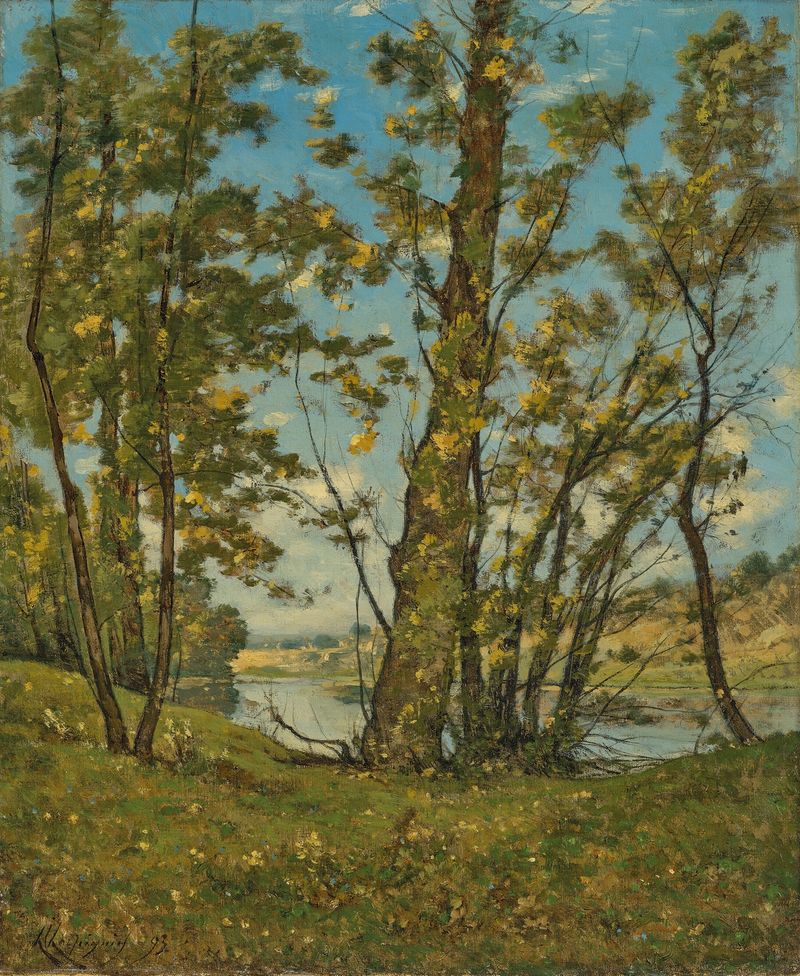
La Loire à Bonny
Henri-Joseph Harpignies
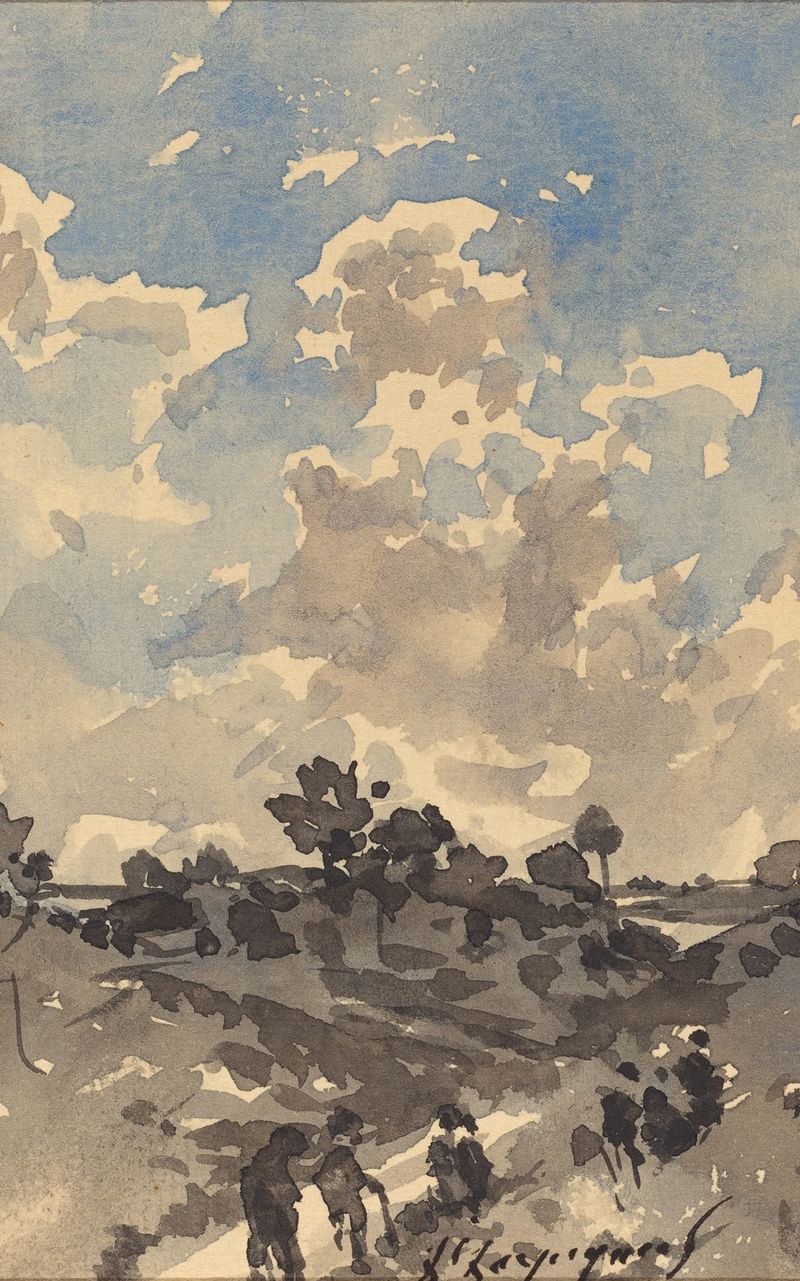
A Landscape with Figures Walking along a Path
Henri-Joseph Harpignies
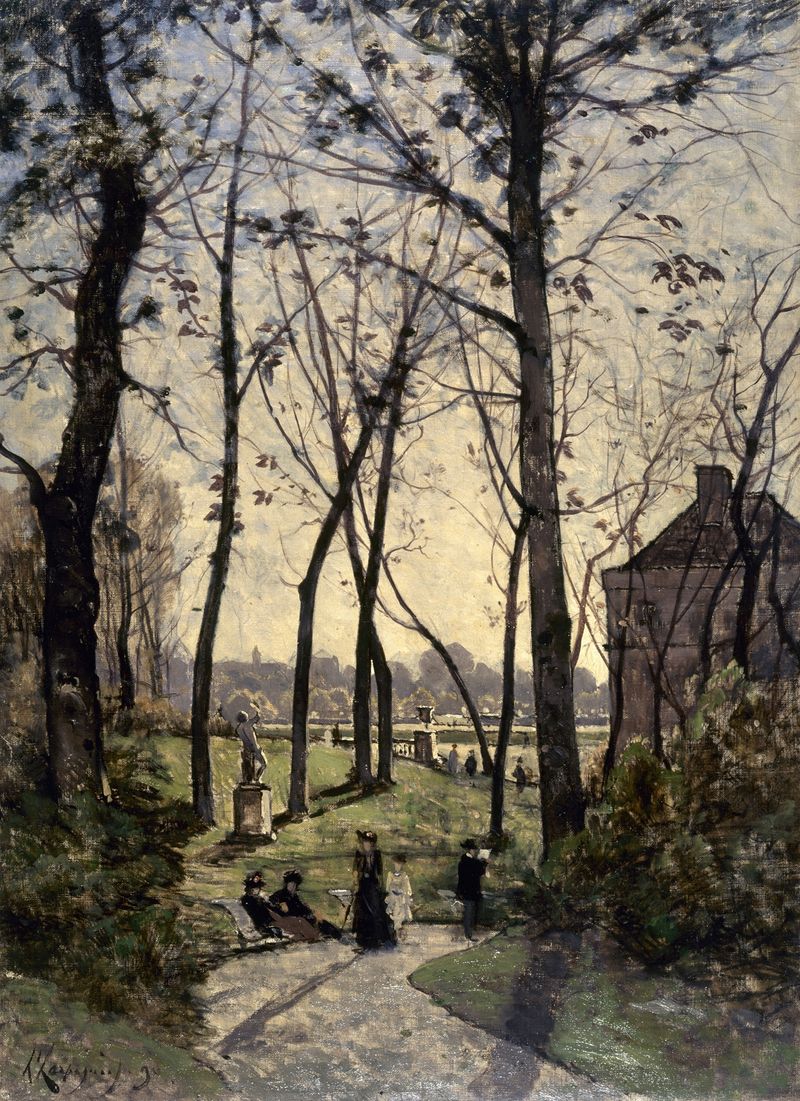
Le jardin du Luxembourg
Henri-Joseph Harpignies
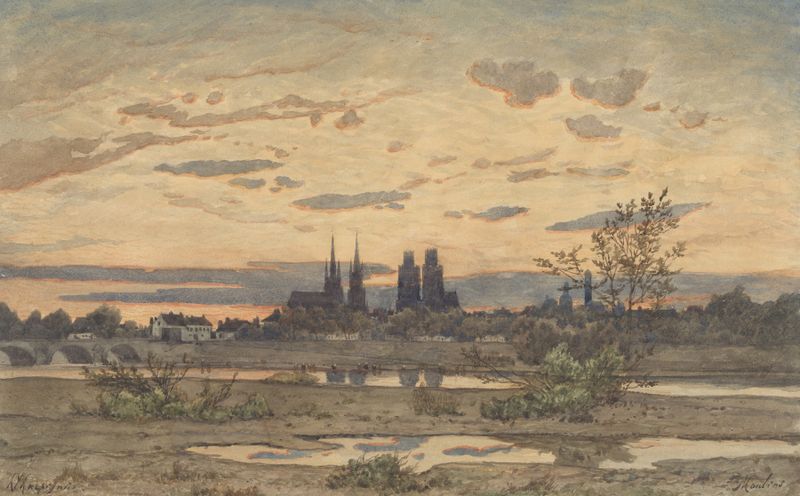
A View of Moulins
Henri-Joseph Harpignies
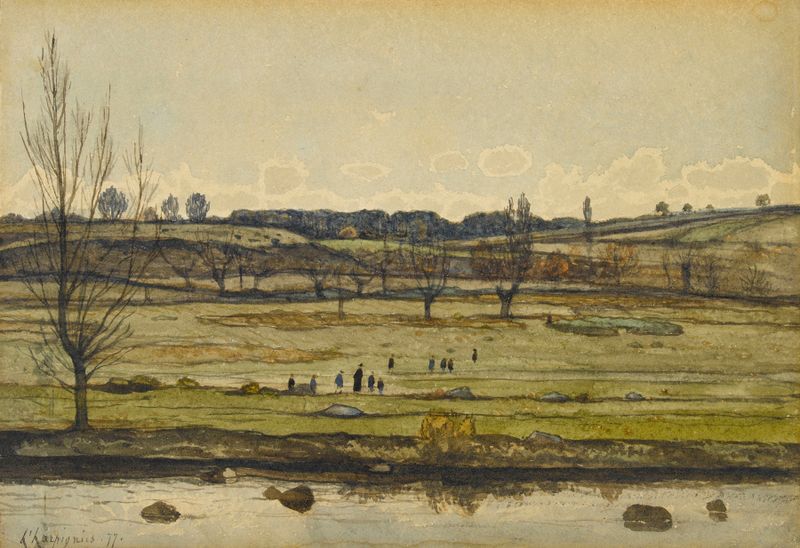
Paysage
Henri-Joseph Harpignies
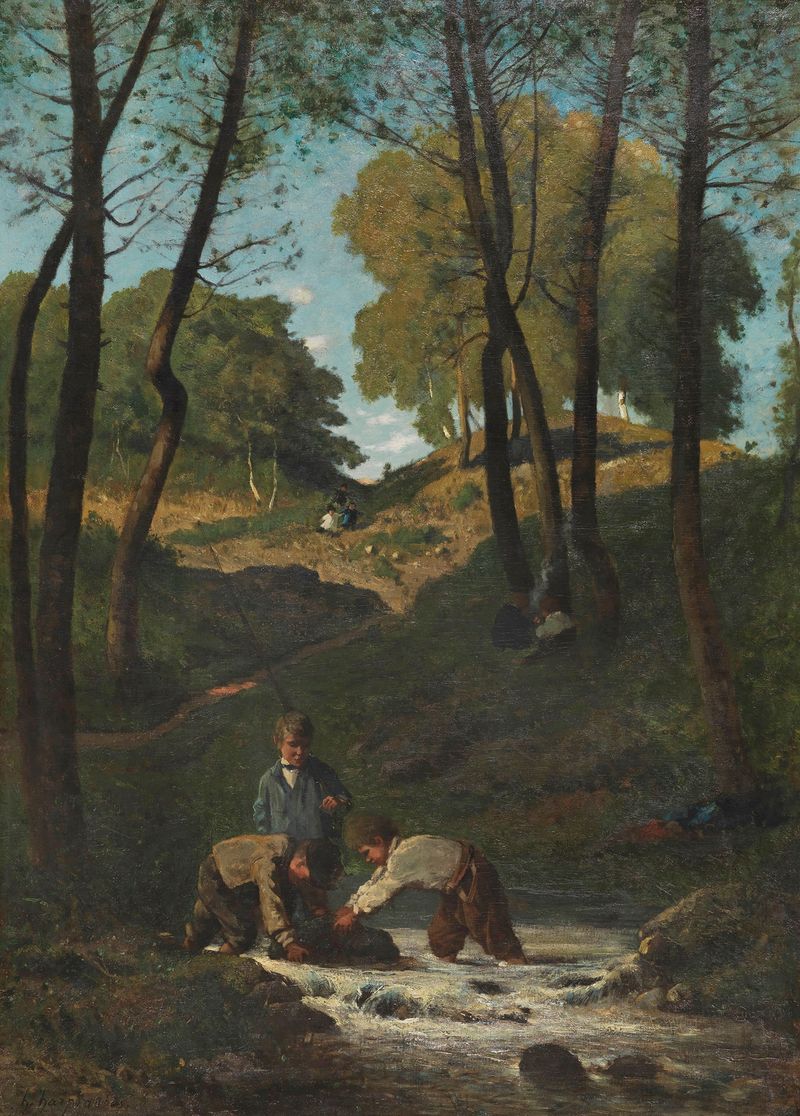
Chercheurs d’écrevisses
Henri-Joseph Harpignies
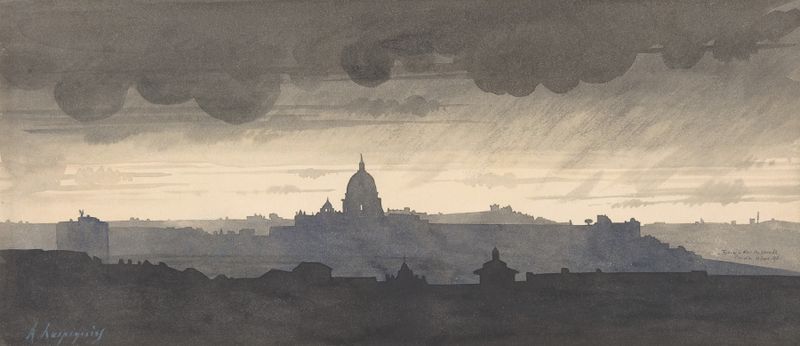
Saint Peter’s Seen From the Pincio, Rome
Henri-Joseph Harpignies
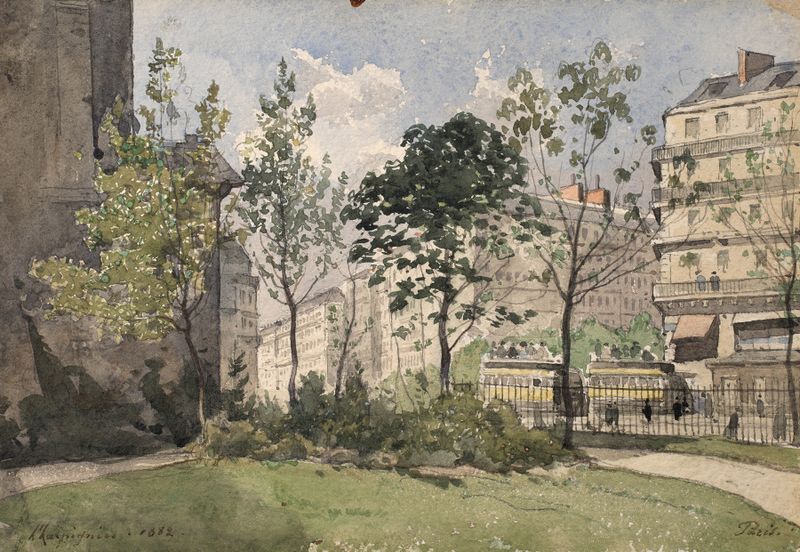
View of the forecourt of the Saint-Germain-des-Prés church
Henri-Joseph Harpignies
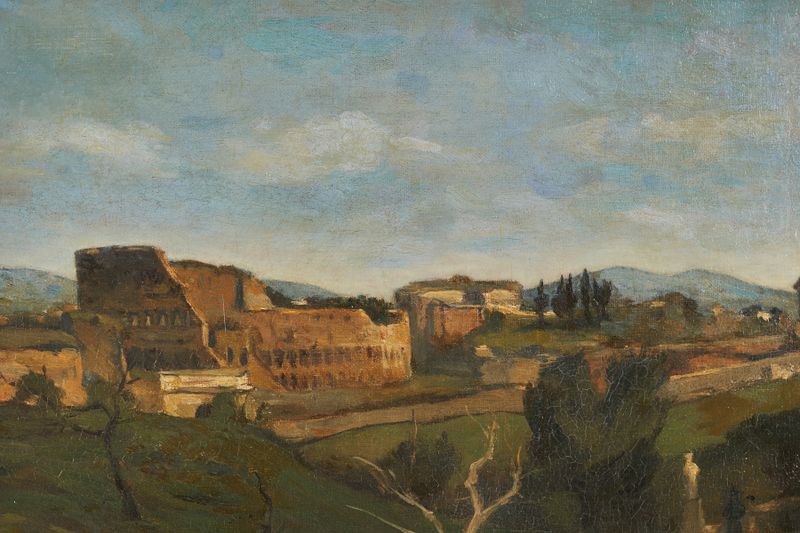
Le Colisée à Rome
Henri-Joseph Harpignies

Villefranche
Henri-Joseph Harpignies





