
El príncipe Baltasar Carlos de Austria — History & Facts
At the heart of dynastic ambition, El príncipe Baltasar Carlos de Austria stands as a testament to the hopes of the Spanish court in 1635. Painted by Diego Velázquez at the height of his career as court painter to King Philip IV, this portrait was not merely a likeness but a political statement: the young prince, only six years old, was the sole male heir to the Spanish throne, and his image was carefully crafted to reassure a nation anxious for stability. The painting was part of a series destined for the Hall of Realms in the Buen Retiro Palace, a newly constructed space designed to glorify the Habsburg dynasty.
In this context, the portrait served as both propaganda and private reassurance, a visual promise of continuity. The scene captures Prince Baltasar Carlos astride a magnificent pony, his small figure clad in armor and bearing a baton of command, poised as if leading an invisible army. Velázquez chooses a low viewpoint, so the child appears larger than life, his presence magnified against a stormy sky. Every detail is charged with symbolism: the baton signals authority, the armor evokes his future role as military leader, while the controlled, almost adult expression on his face suggests the weight of responsibility already placed upon him.
The horse, alert and spirited, mirrors the prince’s own readiness. Unlike Anthony van Dyck’s more decorative portraits of royal children, Velázquez’s approach is sober and direct, grounding the boy in the realities of power. Commissioned by Philip IV, the painting remained in royal collections, surviving the upheavals of war and regime change that swept through Spain in later centuries. The Hall of Realms, once the painting’s home, was eventually dismantled, but El príncipe Baltasar Carlos de Austria found a lasting place in the Museo del Prado, where it hangs today.
The portrait marks a pivotal moment in Velázquez’s career, showcasing his ability to blend realism with grandeur, and to navigate the delicate politics of the Spanish court. The prince himself, tragically, would not live to inherit the throne, dying at the age of sixteen—leaving this painting as both a record of hope and a poignant reminder of fate’s uncertainty.
More Artworks by Diego Velázquez

Las Meninas
Diego Velázquez

The Triumph of Bacchus
Diego Velázquez

Rokeby Venus
Diego Velázquez

Equestrian Portrait of Prince Balthasar Charles
Diego Velázquez

Bacchus
Diego Velázquez

Don Gaspar de Guzmán (1587–1645), Count-Duke of Olivares
Diego Velázquez

Equestrian Portrait of Philip III
Diego Velázquez

Equestrian Portrait of Margarita of Austria
Diego Velázquez
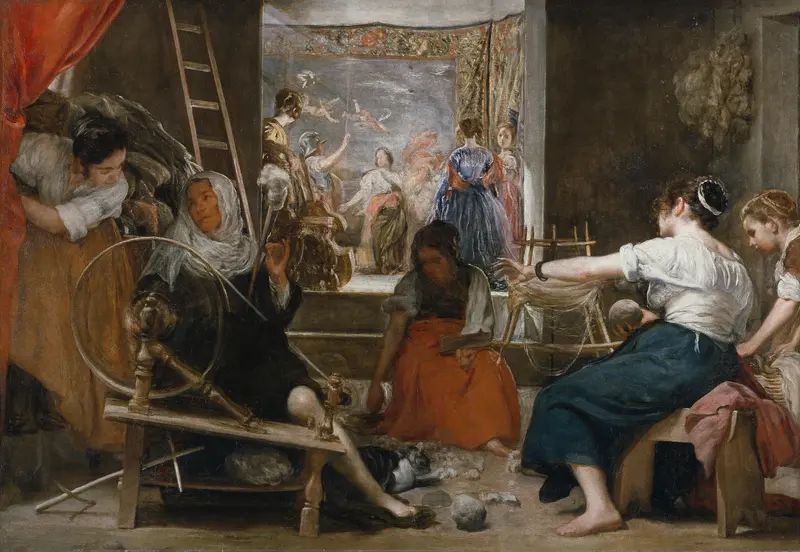
Las Hilanderas
Diego Velázquez
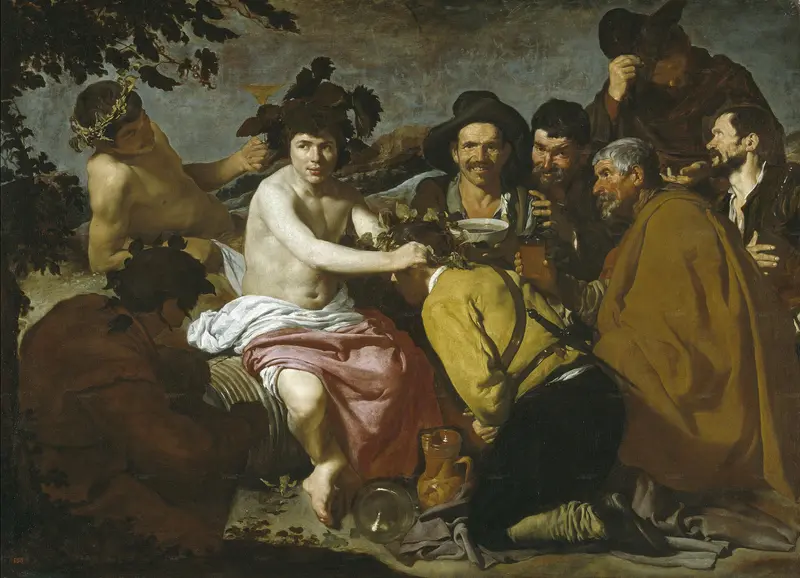
Los borrachos (The Triumph of Bacchus)
Diego Velázquez




