
Rokeby Venus — History & Facts
A nude woman lies on a bed with her back to us, her head resting on her bent arm, while a winged boy in a blue sash kneels at the left and holds up a black-framed mirror. Her face appears in the glass only as a soft blur. A red curtain hangs behind them, and gray-blue satin and white sheets spread beneath her. The woman is Venus and the boy her son Cupid.
The National Gallery says Velázquez merged two traditional types, Venus at her toilet, sitting up before a mirror, and Venus reclining, and suggests he blurred her reflection so that the goddess of beauty would not be a recognizable person. It dates the picture 1647–1651, says the original patron is unknown, and notes that it is his only surviving female nude. Its nickname comes from Rokeby Park in County Durham, where it hung for much of the 19th century. The Art Fund bought it for the nation in 1906.
On March 10, 1914, the suffragette Mary Richardson slashed it six times. It is in the National Gallery in London.
Sources: National Gallery, record NG2057 · Wikidata Q275349 · Wikipedia: Rokeby Venus · Image source (Wikimedia Commons)
More Artworks by Diego Velázquez

Las Meninas
Diego Velázquez
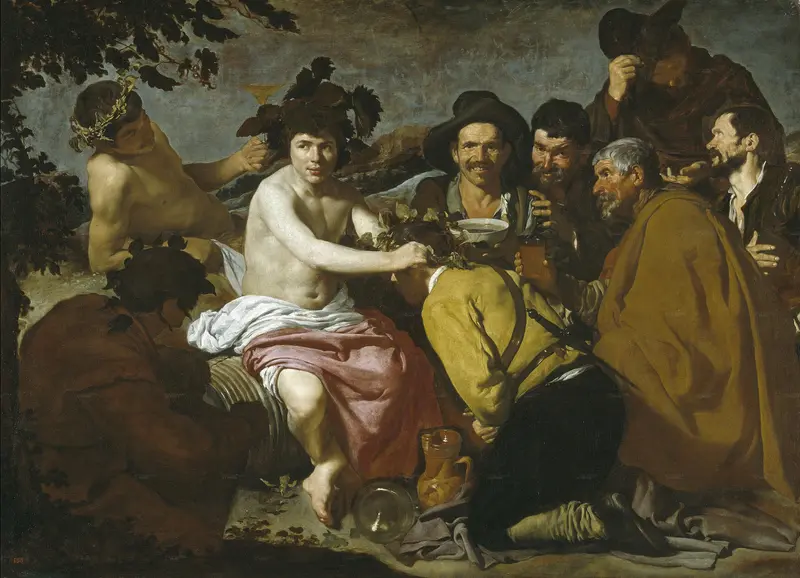
The Triumph of Bacchus
Diego Velázquez
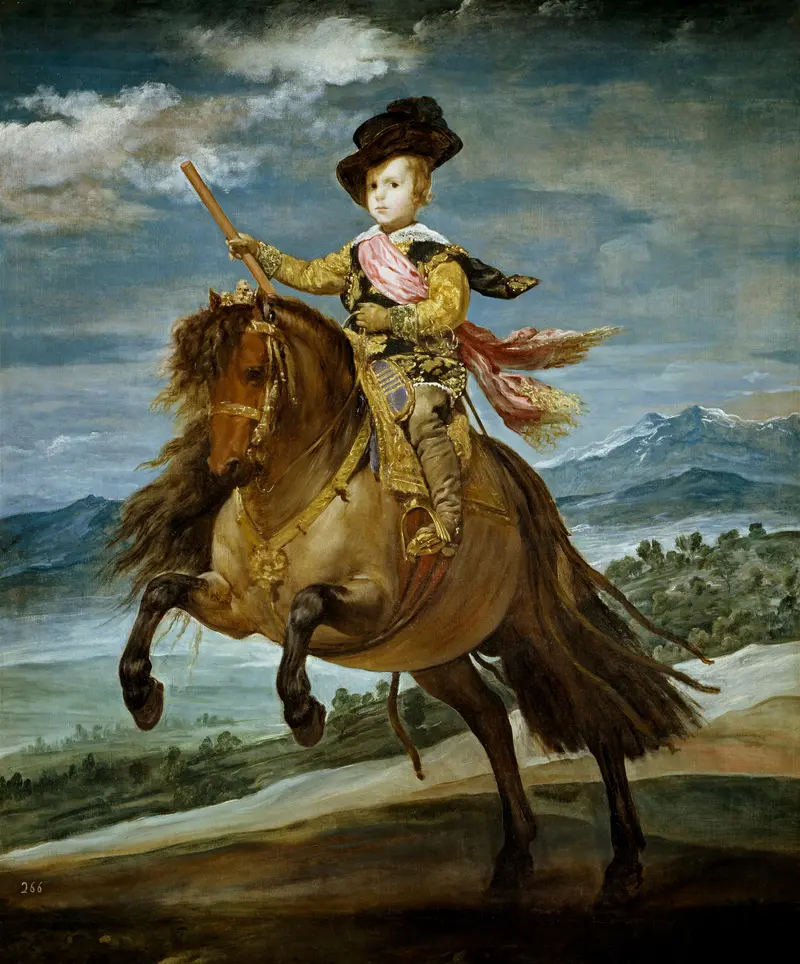
Equestrian Portrait of Prince Balthasar Charles
Diego Velázquez
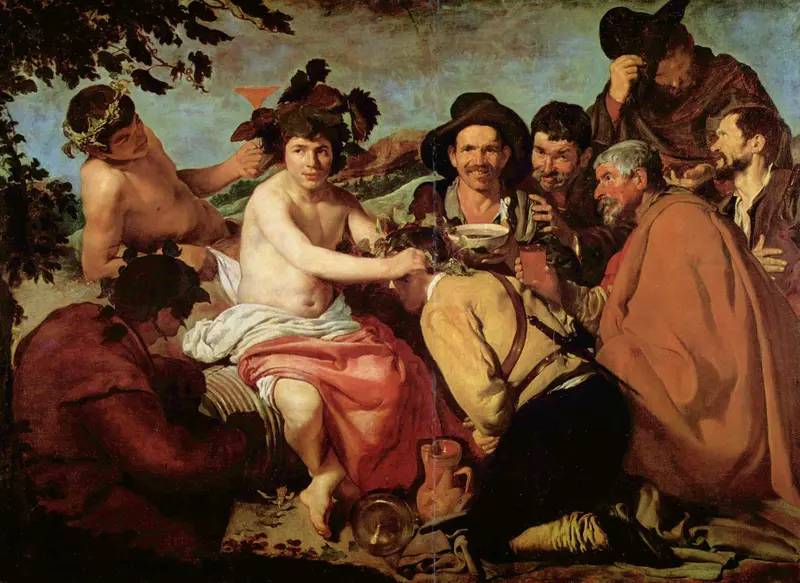
Bacchus
Diego Velázquez
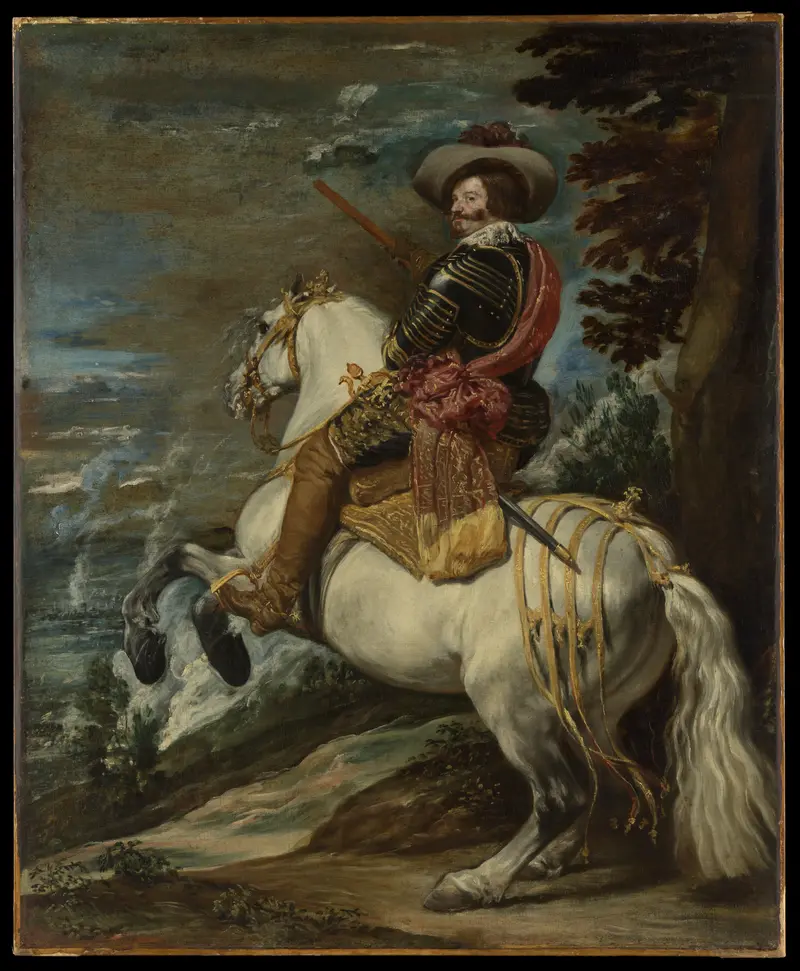
Don Gaspar de Guzmán (1587–1645), Count-Duke of Olivares
Diego Velázquez
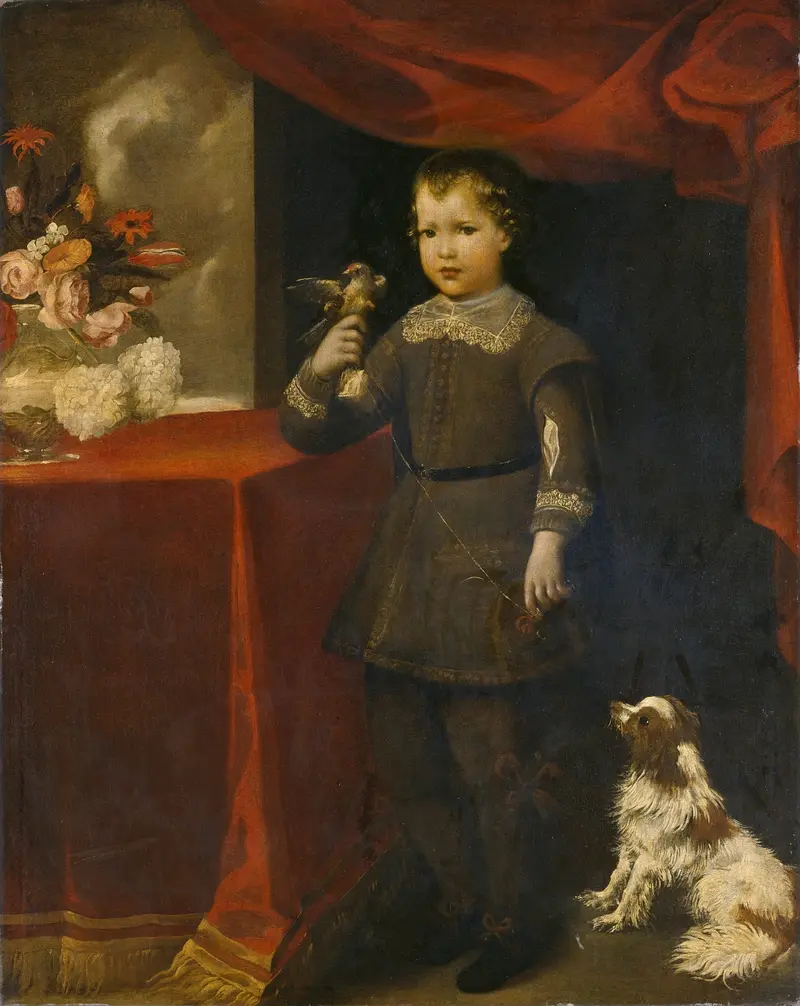
El príncipe Baltasar Carlos de Austria
Diego Velázquez
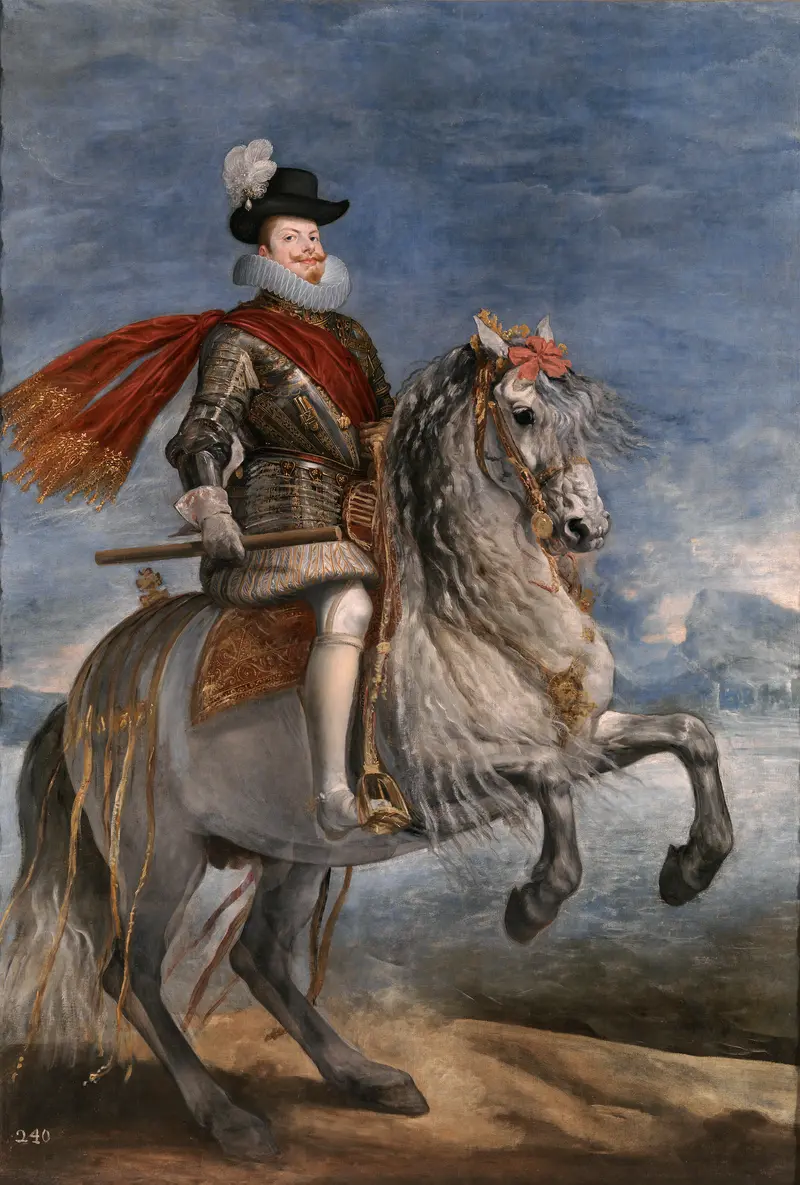
Equestrian Portrait of Philip III
Diego Velázquez
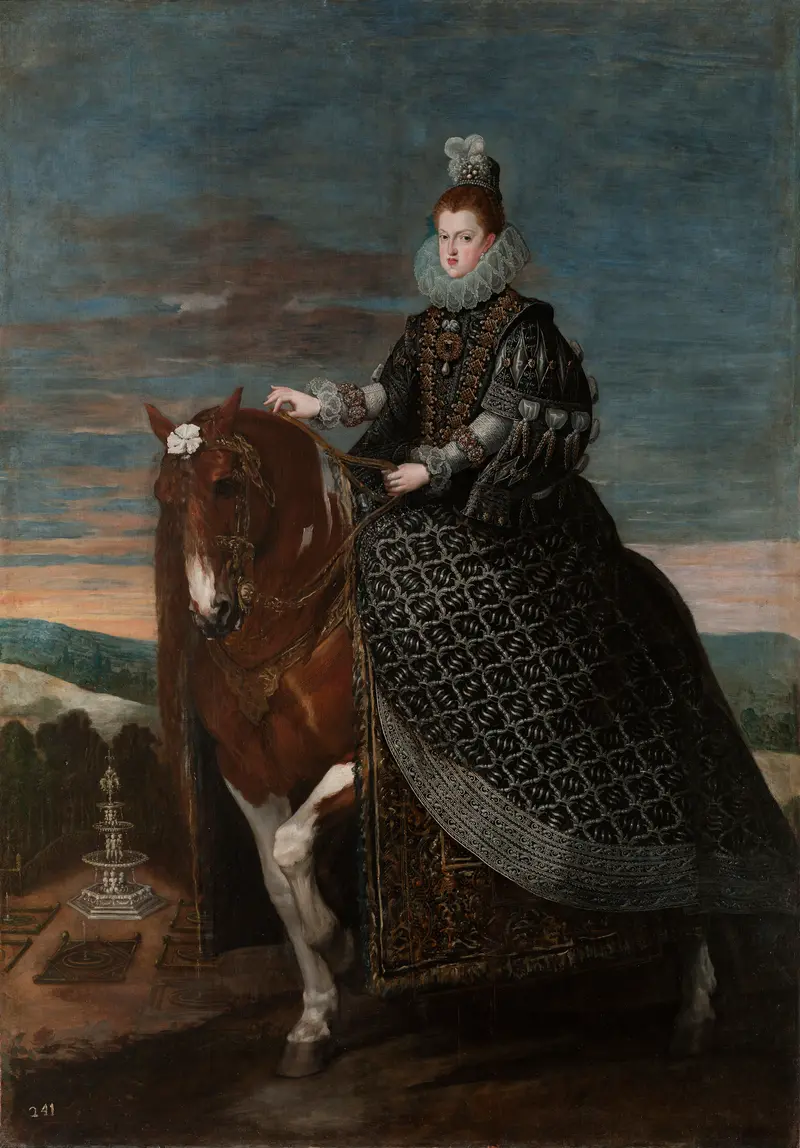
Equestrian Portrait of Margarita of Austria
Diego Velázquez
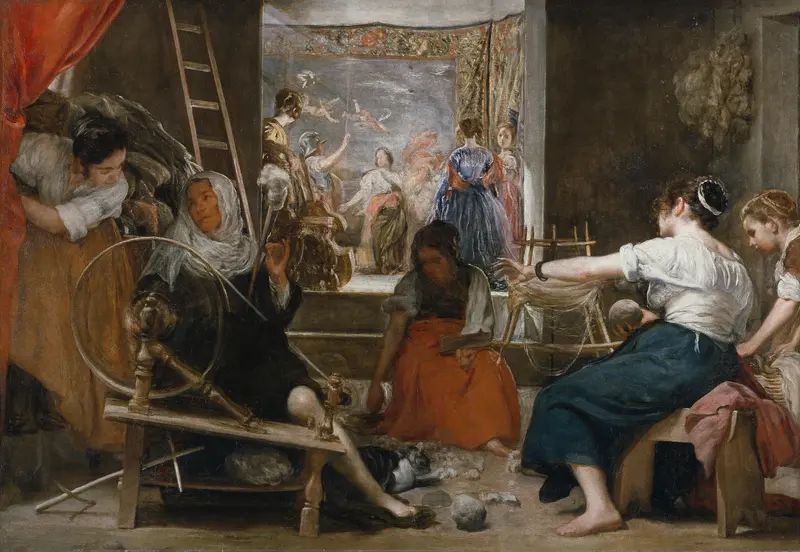
Las Hilanderas
Diego Velázquez
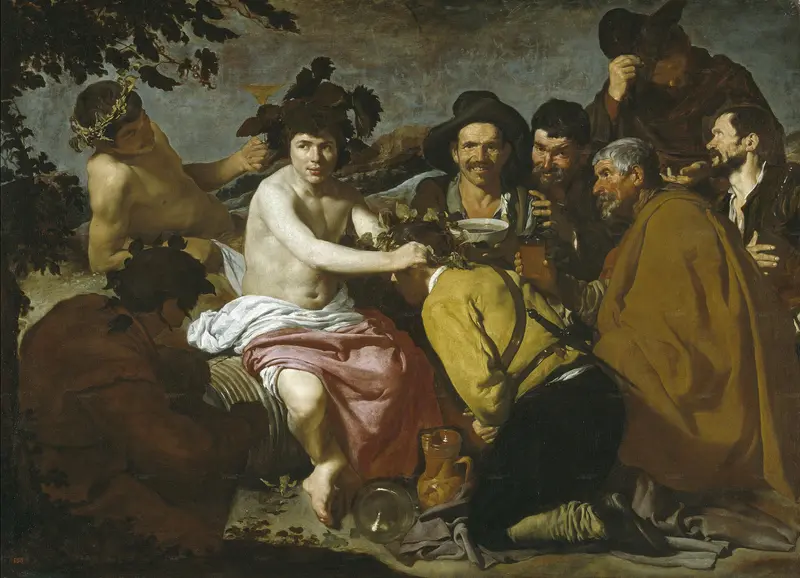
Los borrachos (The Triumph of Bacchus)
Diego Velázquez





