
Equestrian Portrait of Prince Balthasar Charles — History & Facts
A young boy, dressed in gold and green with a pink sash, sits upright on a rearing brown horse at the center of the composition. He holds a field marshal’s baton in his right hand, while his left hand grasps the reins, and his calm, direct gaze is framed by a pale face and light hair beneath a black feathered hat. The horse’s powerful body twists in a dramatic levade, its mane and tail flowing, and its tack glinting with golden highlights that echo the embroidery on the boy’s costume.
The boy’s boots, doublet, and buff coat are rendered with lively, textured brushstrokes, and the white ruff at his neck adds a crisp accent to the ensemble. Behind the figures, the landscape opens to rolling hills and distant mountains, painted in cool tones of turquoise and white, with the sky filled with sweeping clouds that suggest the clear, cold air of the Madrid region. The composition is carefully arranged so that the boy and horse dominate the foreground, while the diagonal sweep of the land and the vertical thrust of the horse’s pose create a sense of movement and authority.
The light falls from the left, illuminating the prince’s face and the front of the horse, and casting subtle shadows that model the forms with a sense of immediacy and presence. Small details, such as the glint of the sword at the boy’s side and the fluttering ends of his sash, are painted with a loose, confident touch that enlivens the surface. Velázquez’s technique here shows a striking evolution in his use of color and brushwork, with chromatic brilliance and lively, thinly painted passages that give a sense of life to both the prince and his mount.
Sources: Museo del Prado, record P001180 · Wikidata Q1133881 · Wikipedia: Equestrian Portrait of Prince Balthasar Charles · Image source (Wikimedia Commons)
More Artworks by Diego Velázquez

Las Meninas
Diego Velázquez
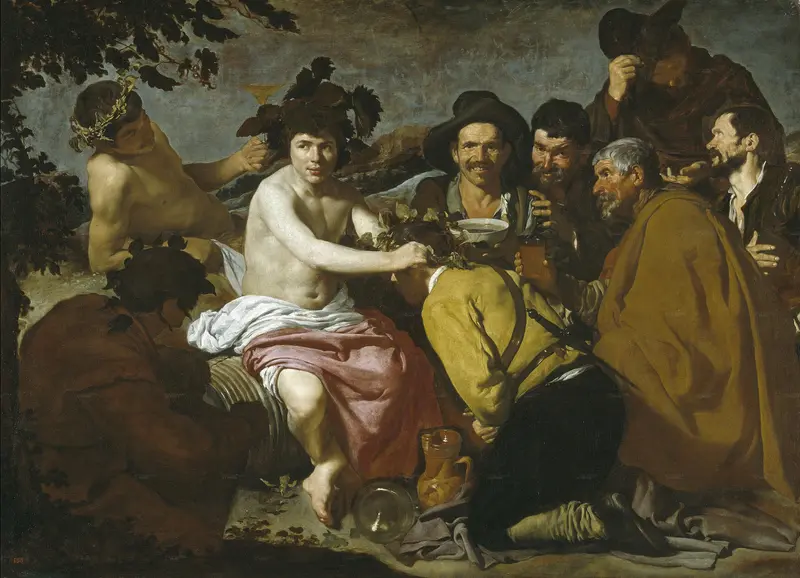
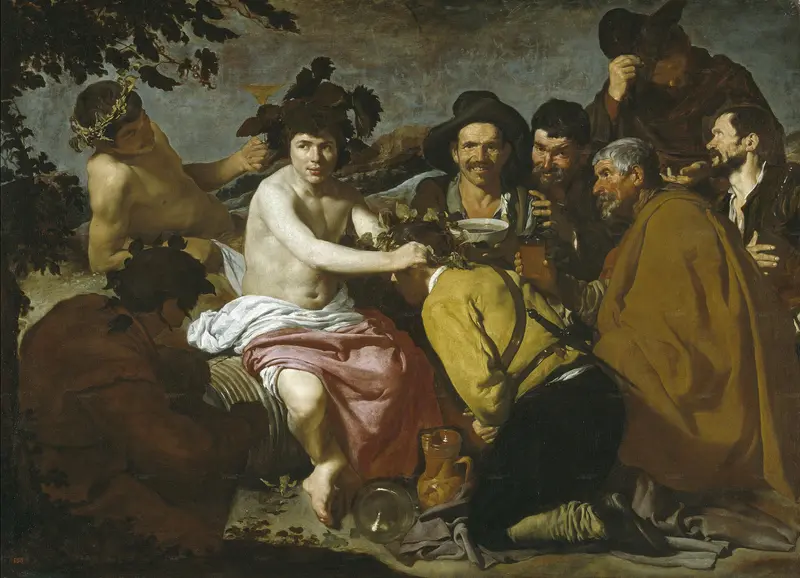
The Triumph of Bacchus
Diego Velázquez
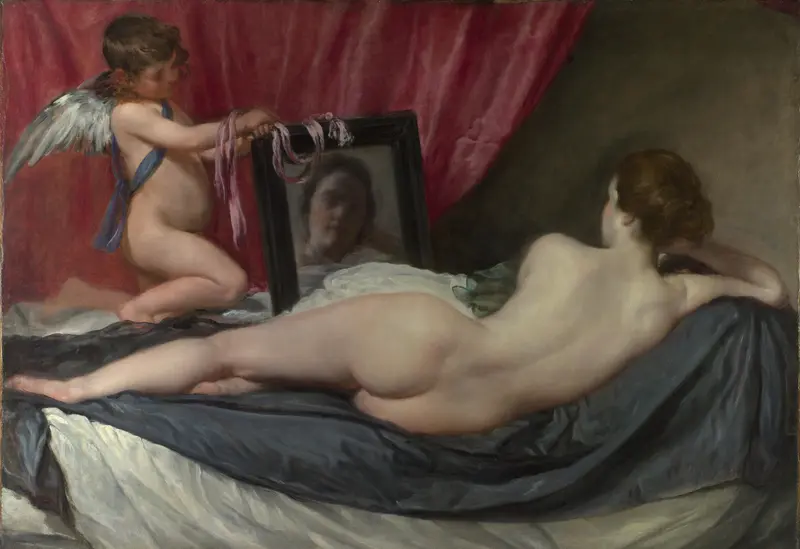
Rokeby Venus
Diego Velázquez
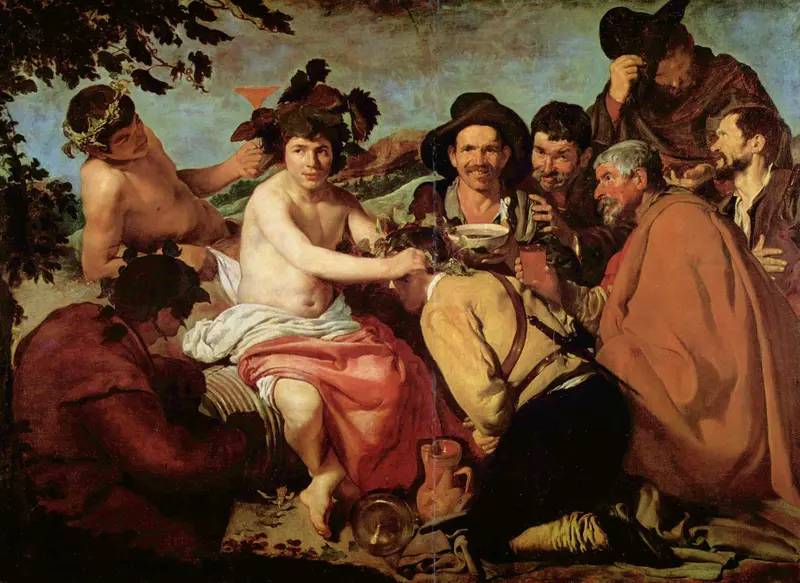
Bacchus
Diego Velázquez
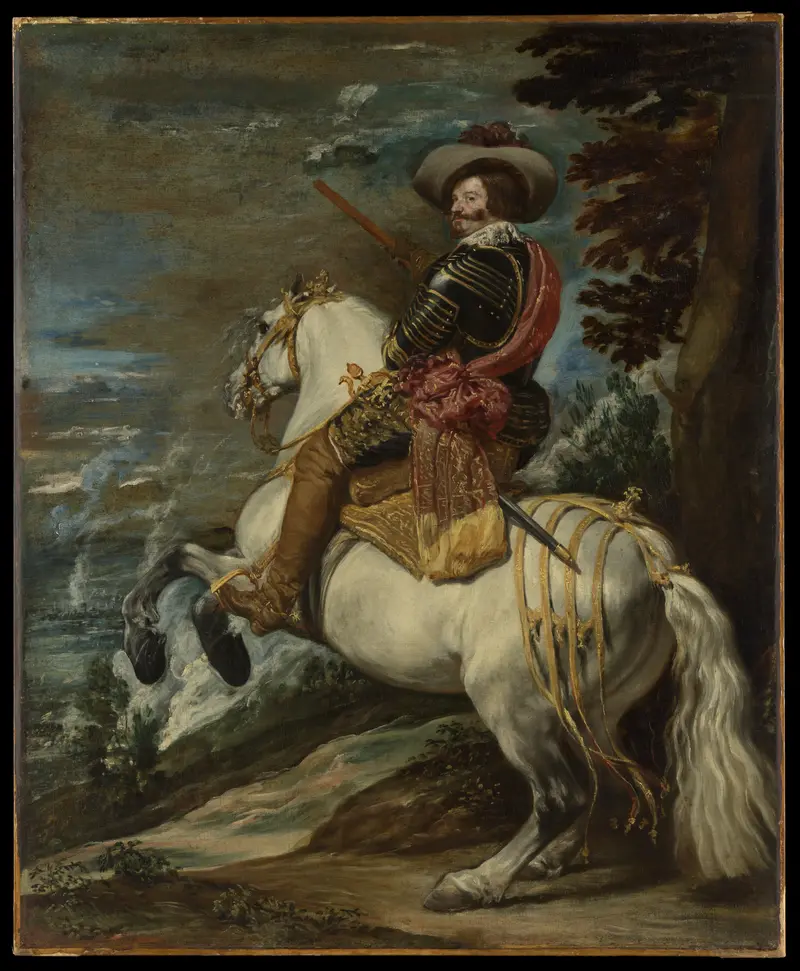
Don Gaspar de Guzmán (1587–1645), Count-Duke of Olivares
Diego Velázquez
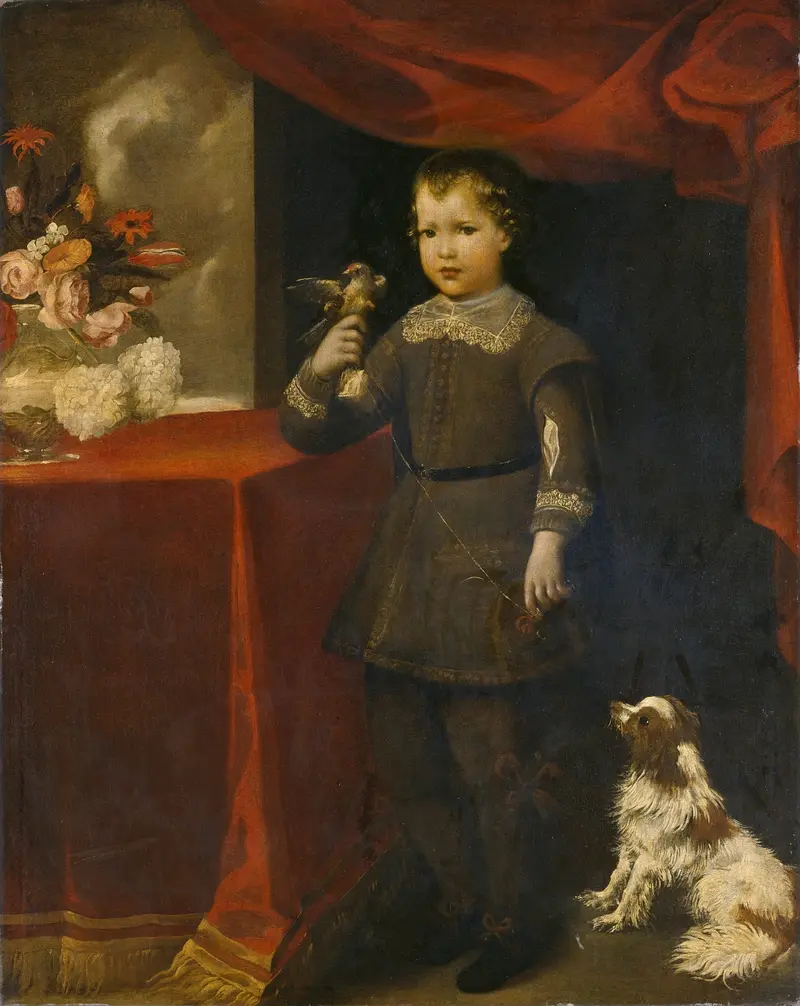
El príncipe Baltasar Carlos de Austria
Diego Velázquez
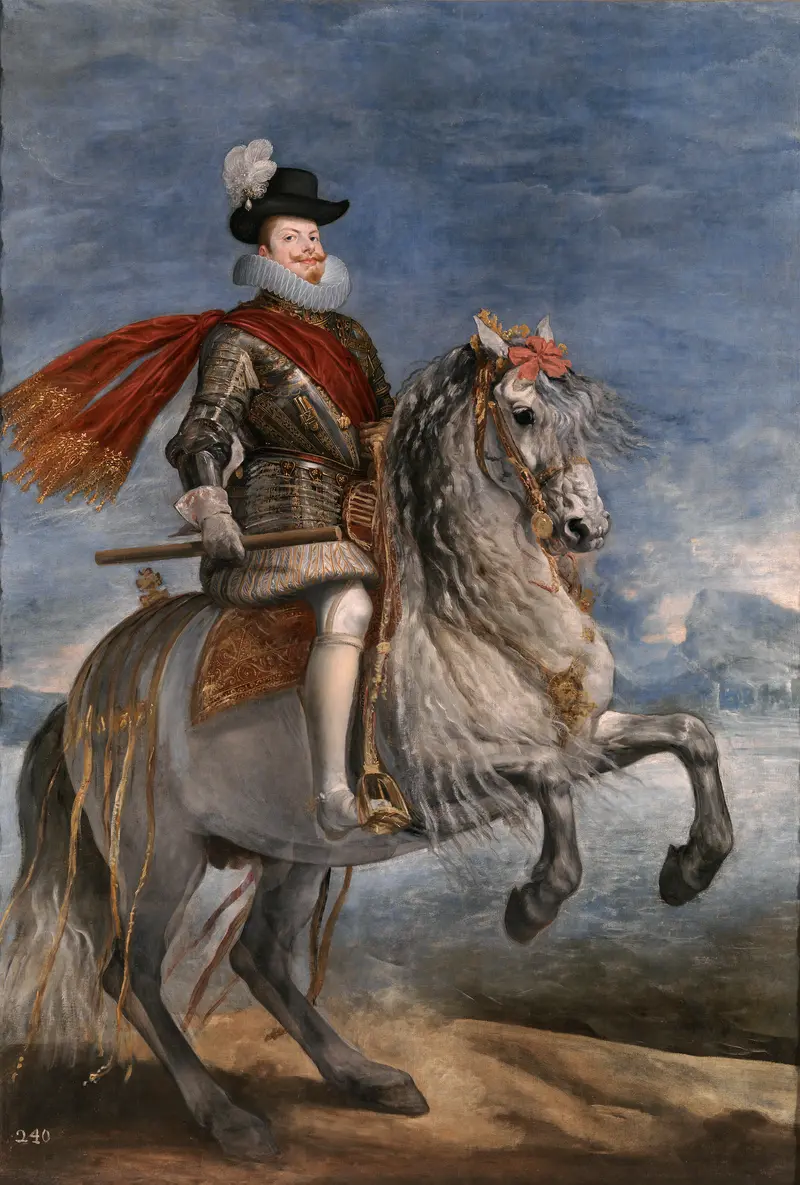
Equestrian Portrait of Philip III
Diego Velázquez
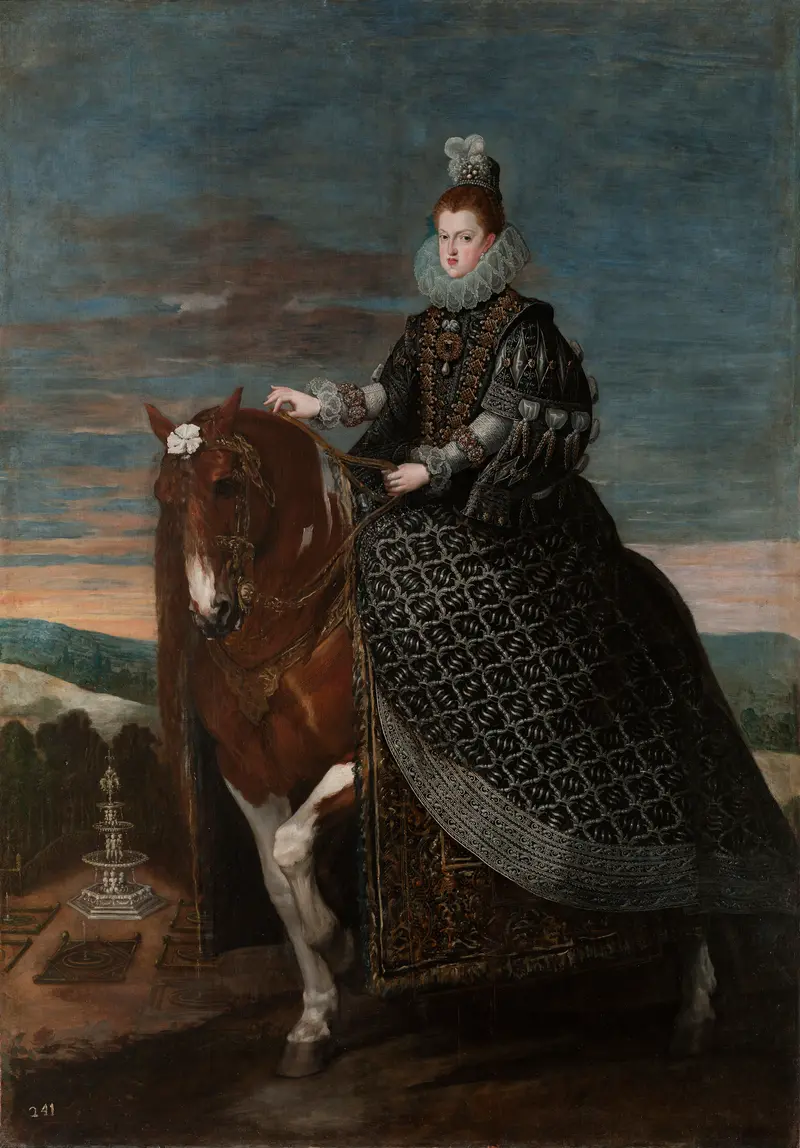
Equestrian Portrait of Margarita of Austria
Diego Velázquez
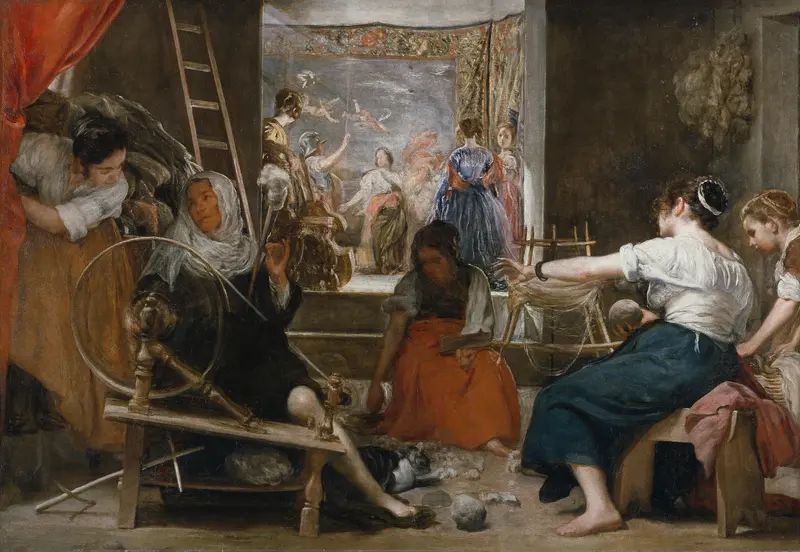
Las Hilanderas
Diego Velázquez
Los borrachos (The Triumph of Bacchus)
Diego Velázquez




