
Equestrian Portrait of Margarita of Austria — History & Facts
In 1634, Diego Velázquez was summoned to create a grand cycle of equestrian portraits for the Hall of Realms in Madrid’s Buen Retiro Palace—a project that would cement the visual identity of the Spanish monarchy. Among these, the Equestrian Portrait of Margarita of Austria stands out: it is the only surviving full-scale equestrian portrait of a Spanish queen by Velázquez, a rare honor in a genre typically reserved for kings and princes. This commission was not just about flattery; it was a calculated assertion of dynastic power, with Margarita of Austria, wife of Philip III, presented as an equal pillar of Habsburg majesty.
The painting’s presence alongside those of her husband and son was a deliberate political statement in a time of shifting alliances and courtly intrigue. Velázquez captures Margarita at the height of her regality, poised atop a spirited white horse that rears against a luminous sky. Her upright posture, elaborate ruff, and opulent dress signal her status, while the baton in her hand—a symbol typically reserved for commanders—asserts her authority. The queen’s gaze is steady, her composure unshaken by the animal’s energy, suggesting both control and grace in the face of power.
The landscape stretches into the distance, echoing the vastness of the Spanish empire. Unlike Rubens’ more theatrical equestrian portraits, Velázquez opts for restraint and realism, grounding his queen in the world rather than myth. After its creation, the painting was installed in the Hall of Realms, where it formed part of a dynastic tableau meant to awe visitors and dignitaries. Over centuries, the Equestrian Portrait of Margarita of Austria survived palace renovations, political upheavals, and the dispersal of the Buen Retiro’s treasures.
Its attribution to Velázquez has never been seriously doubted, though later restorations have sparked debate about the extent of workshop participation. Today, it hangs in the Museo del Prado, a testament to both the ambitions of the Spanish monarchy and the evolving genius of Velázquez in the early Baroque period.
More Artworks by Diego Velázquez

Las Meninas
Diego Velázquez
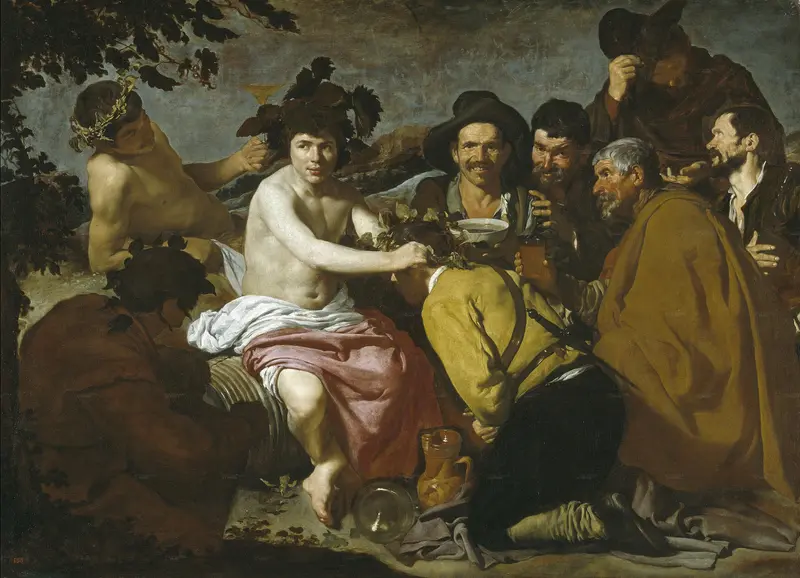
The Triumph of Bacchus
Diego Velázquez
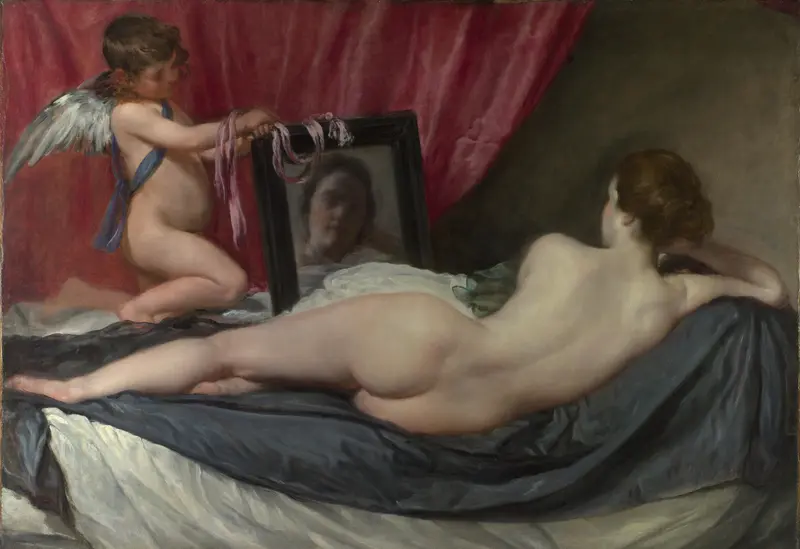
Rokeby Venus
Diego Velázquez
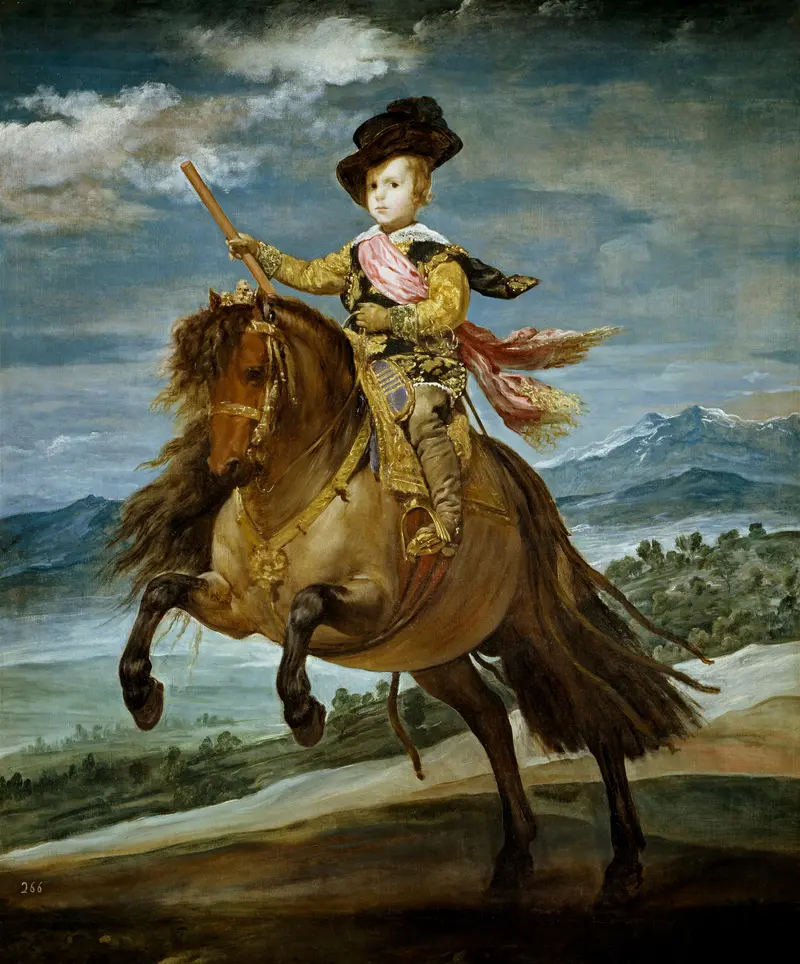
Equestrian Portrait of Prince Balthasar Charles
Diego Velázquez
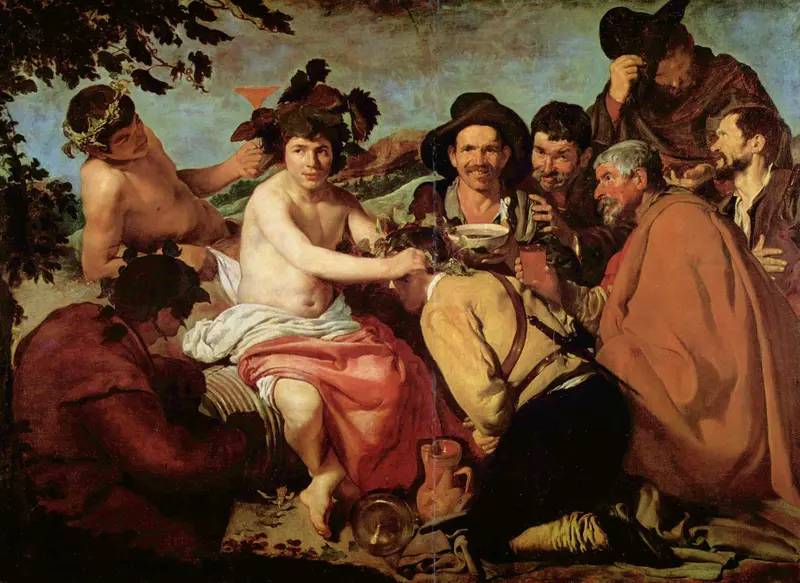
Bacchus
Diego Velázquez
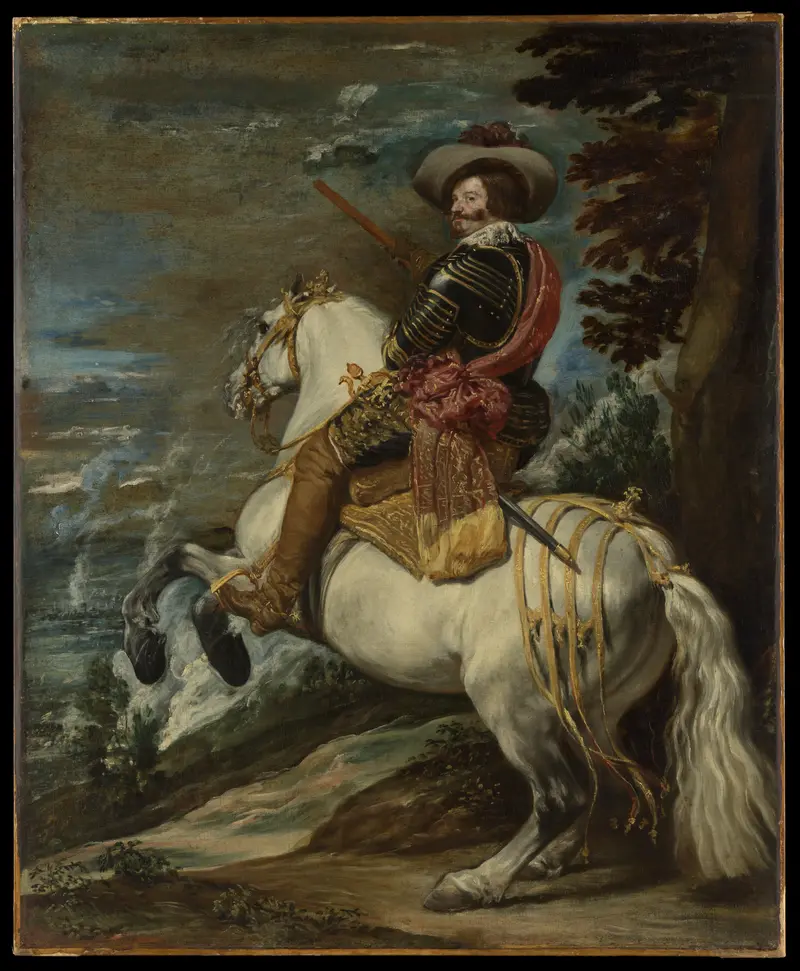
Don Gaspar de Guzmán (1587–1645), Count-Duke of Olivares
Diego Velázquez
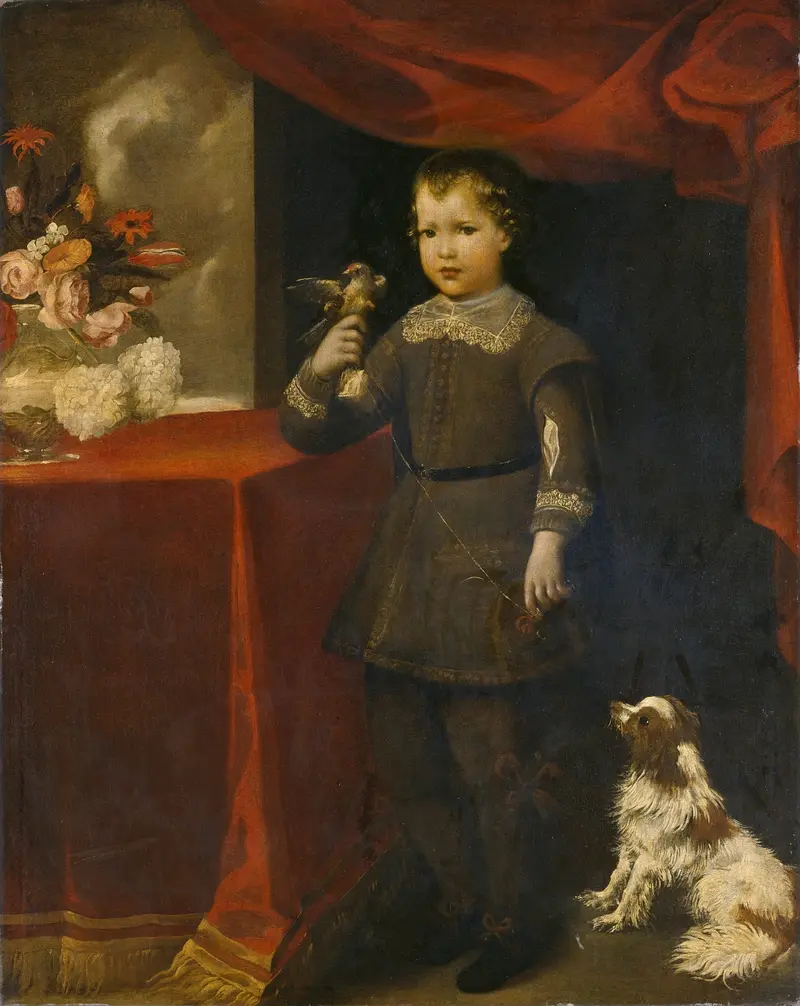
El príncipe Baltasar Carlos de Austria
Diego Velázquez
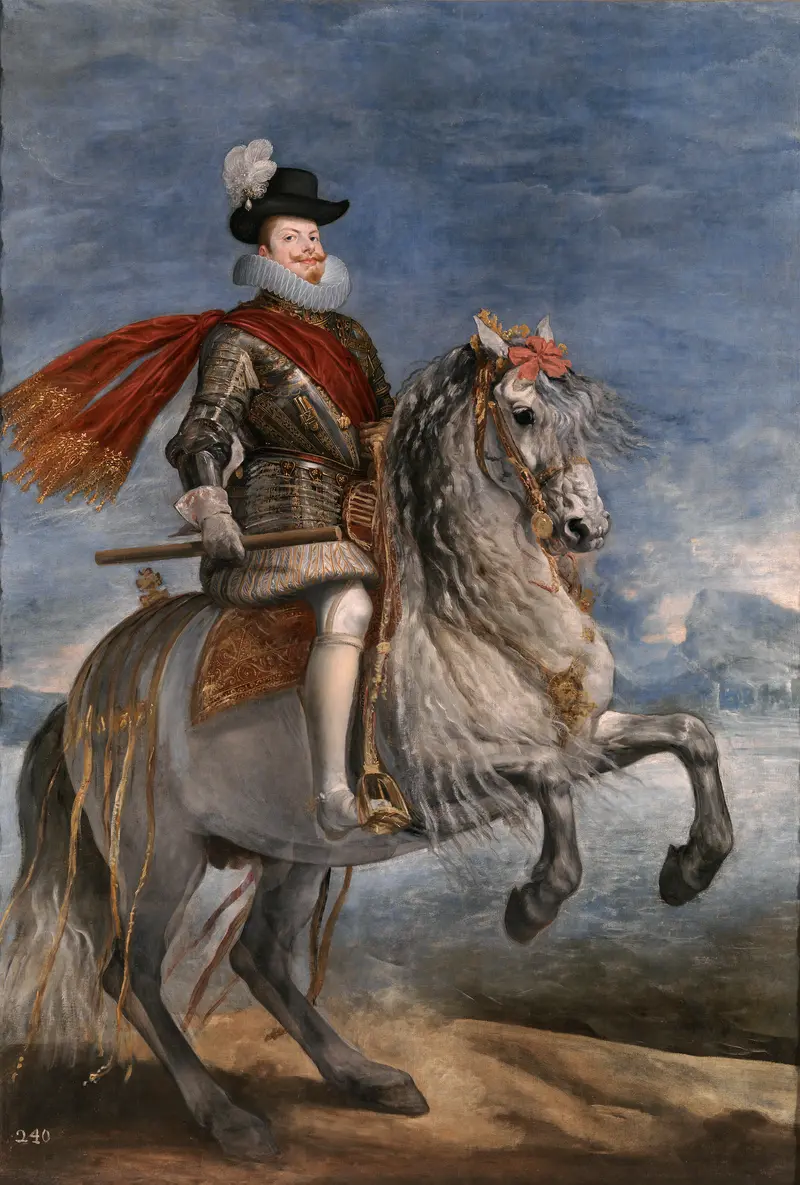
Equestrian Portrait of Philip III
Diego Velázquez
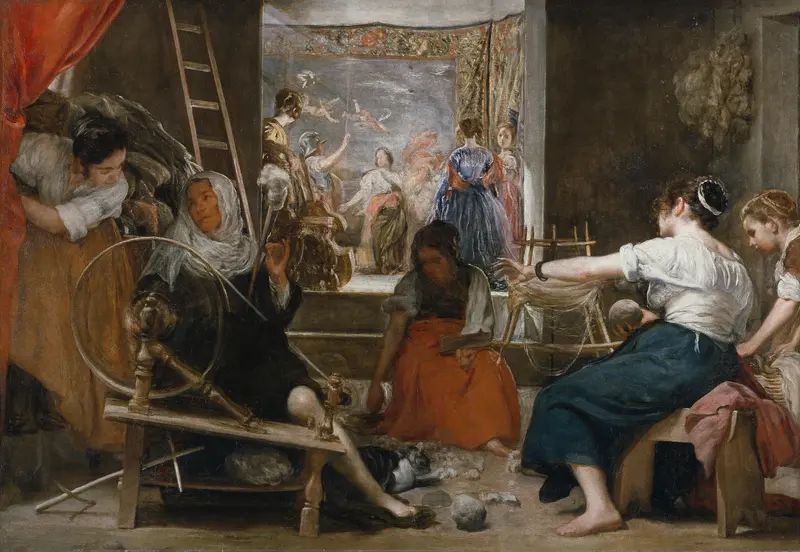
Las Hilanderas
Diego Velázquez
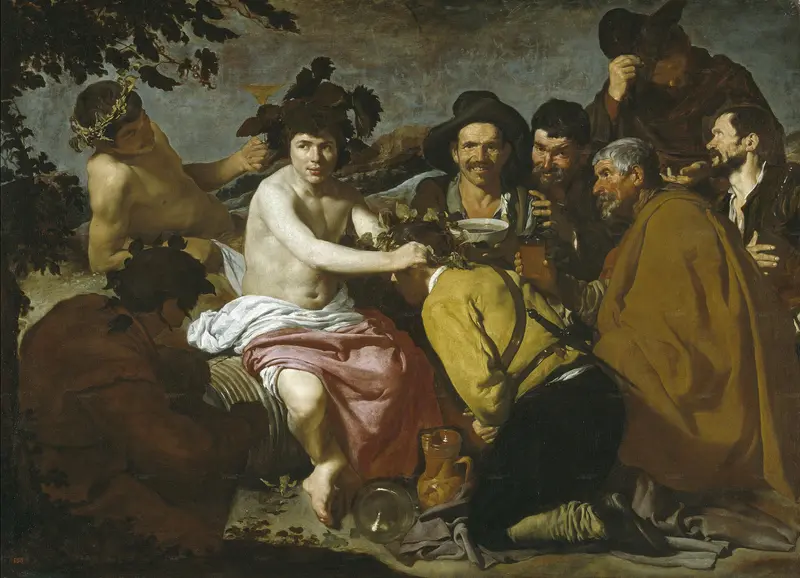
Los borrachos (The Triumph of Bacchus)
Diego Velázquez




