
Bacchus — History & Facts
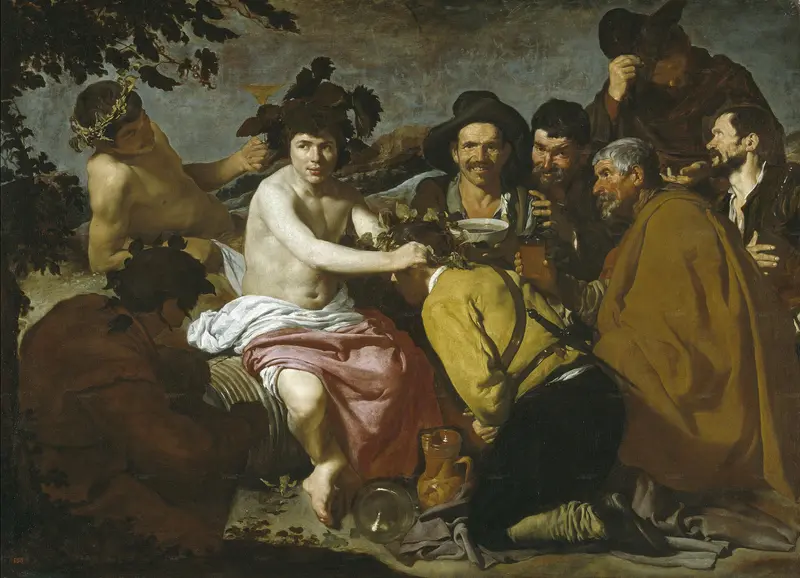
A group of nine men gather closely in a festive scene, with the central figure crowned in vine leaves and draped in a white and red cloth. He sits on a striped cushion, his bare torso and relaxed posture marking him as the god Bacchus, while he reaches out to crown a kneeling man before him. To Bacchus’s left, a young man with a wreath leans in, holding a large orange cup aloft, his gaze directed toward the central action.
The figures to the right of Bacchus wear everyday clothing, with hats and cloaks, and their faces are animated with broad smiles and laughter. One man in a brown cloak and wide-brimmed hat grins at the viewer, holding a bowl in his hand, while another, just behind him, raises a red cup to his lips. The kneeling man receiving the crown bows his head, his yellow jacket and leather strap standing out against the darker tones of the group.
At the lower edge, a glass jug and a ceramic pitcher rest on the ground, suggesting the ongoing revelry and abundance of wine. The background opens to a distant hilly landscape under a blue sky, with a leafy branch arching from the upper left, framing the scene. Light falls from the left, illuminating Bacchus’s pale skin and the faces of the men, while the shadows deepen around the group’s edges.
The artist uses loose, visible brushstrokes in the drapery and background, while the faces and hands are painted with careful detail, capturing varied textures and expressions. The composition is tightly packed, with the figures forming a semicircle that draws attention to the act of crowning at the center. Small details, such as the glint of glass and the folds of cloth, add to the sense of realism and immediacy in the scene. Bacchus is painted by Diego Velázquez, as stated in the catalogue.
The work is listed by Art UK, which identifies the artist and the title.
More Artworks by Diego Velázquez

Las Meninas
Diego Velázquez
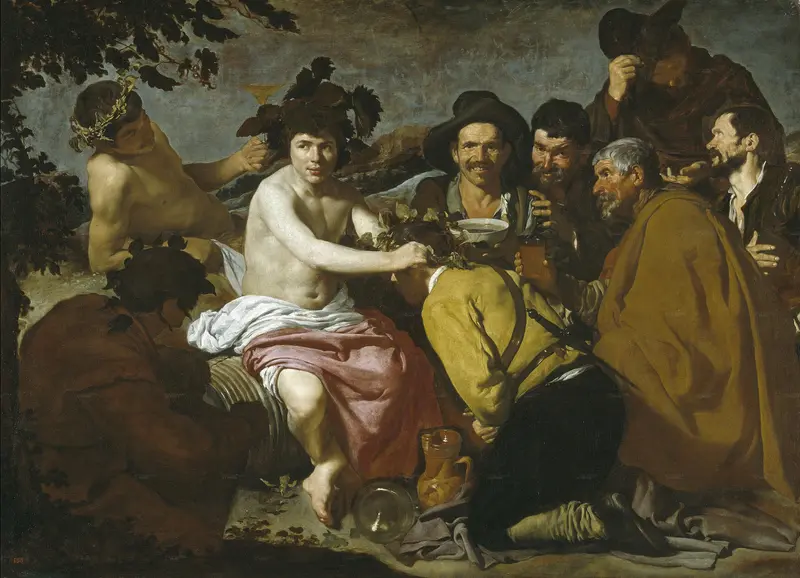
The Triumph of Bacchus
Diego Velázquez
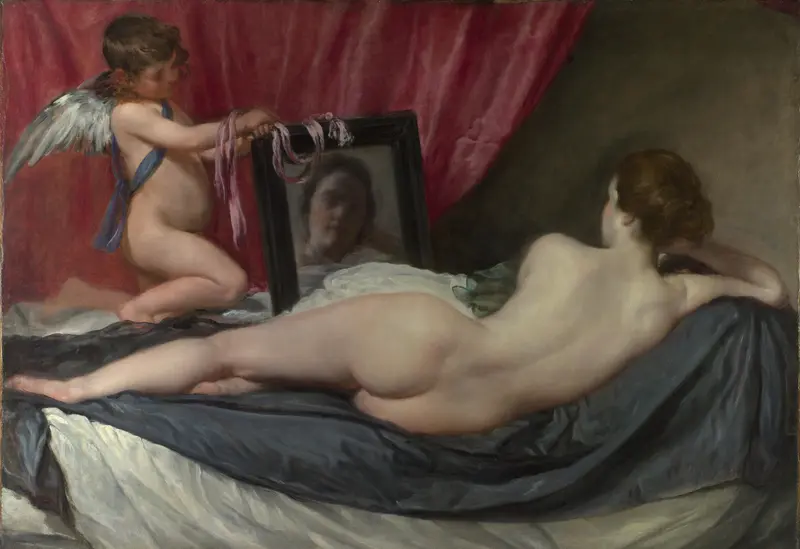
Rokeby Venus
Diego Velázquez
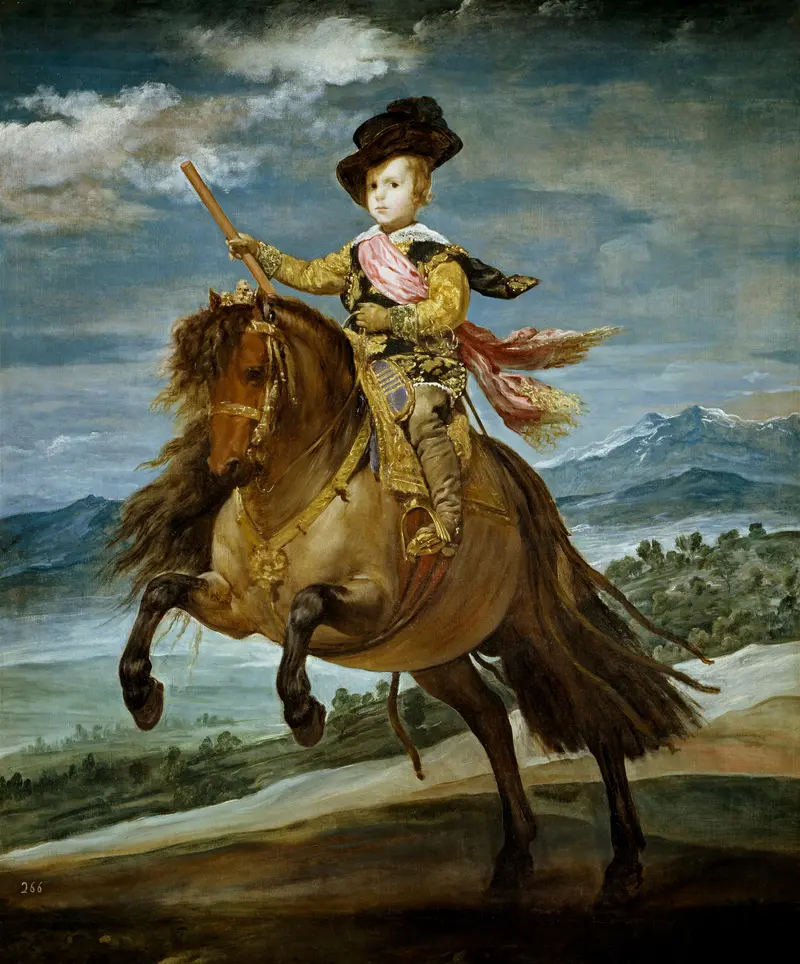
Equestrian Portrait of Prince Balthasar Charles
Diego Velázquez
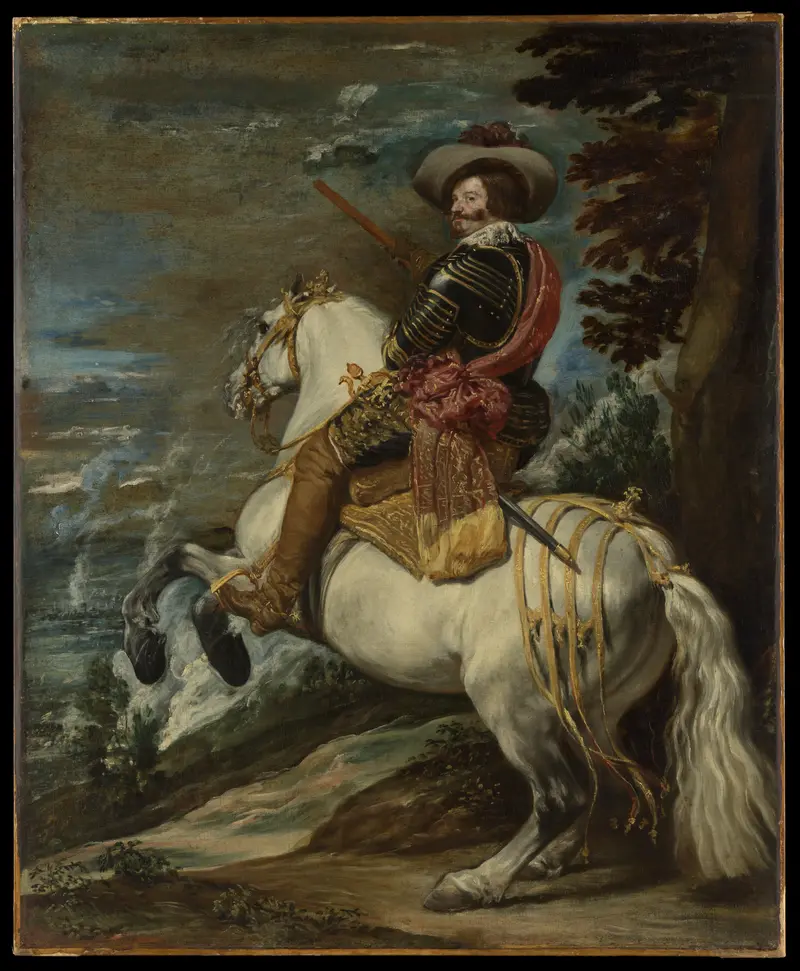
Don Gaspar de Guzmán (1587–1645), Count-Duke of Olivares
Diego Velázquez
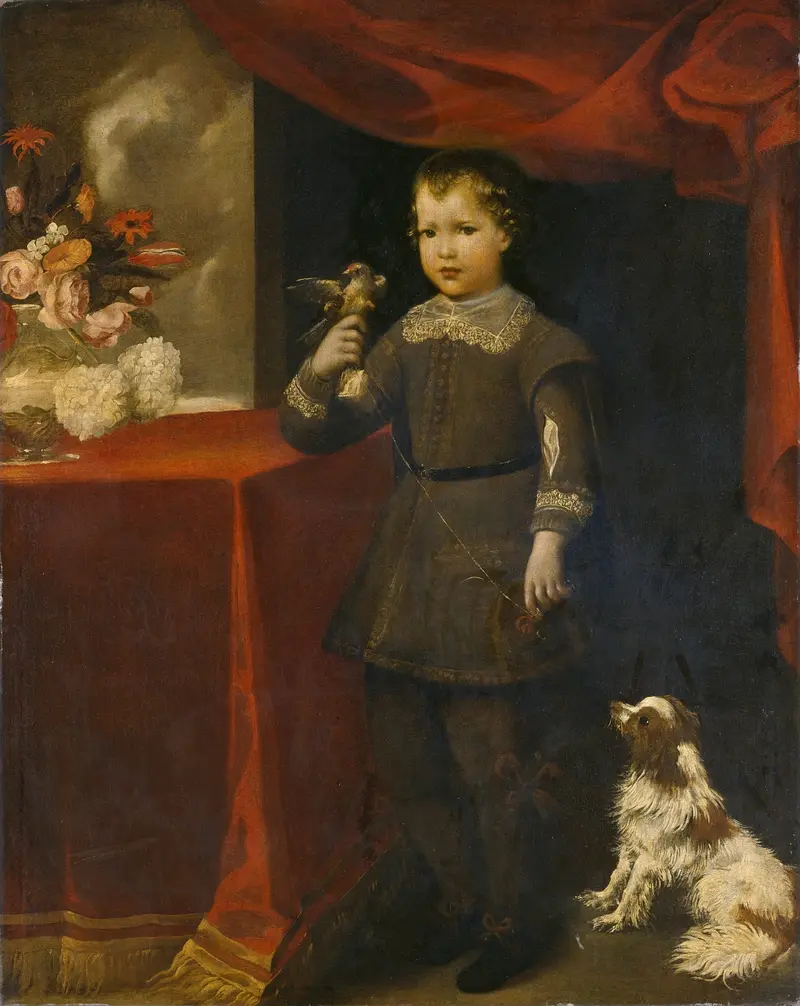
El príncipe Baltasar Carlos de Austria
Diego Velázquez
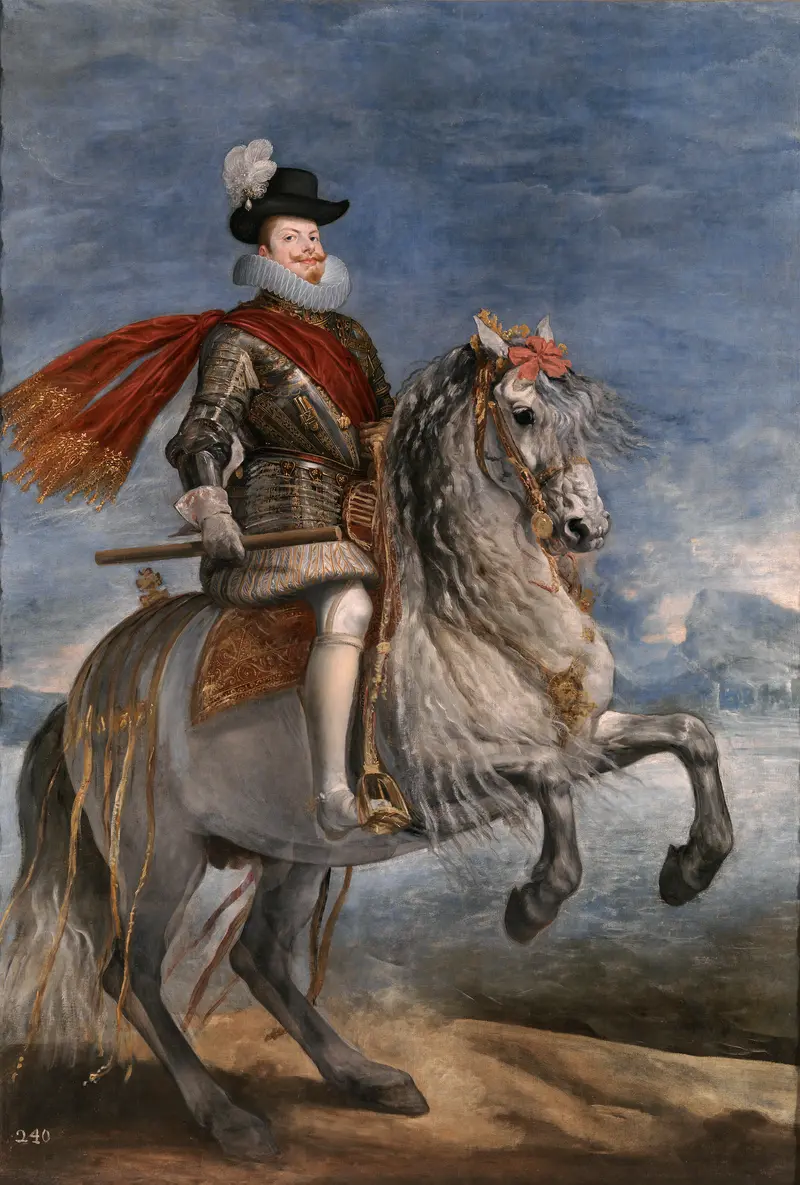
Equestrian Portrait of Philip III
Diego Velázquez
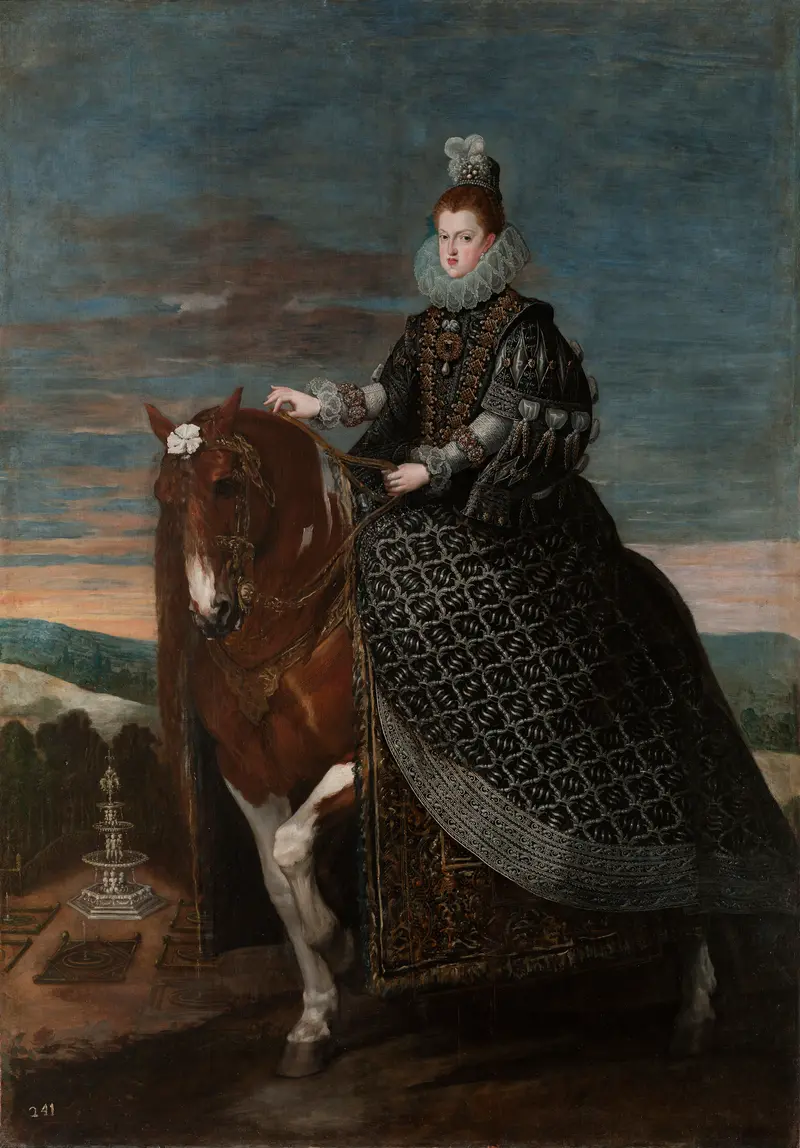
Equestrian Portrait of Margarita of Austria
Diego Velázquez
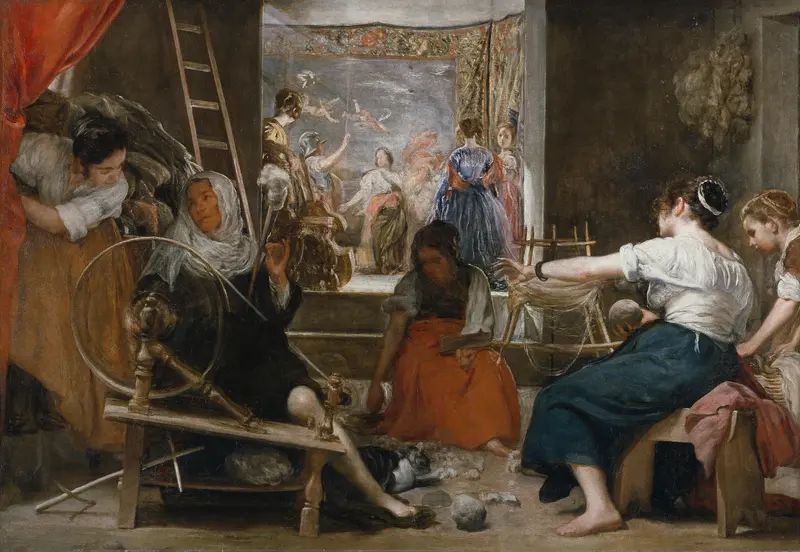
Las Hilanderas
Diego Velázquez
Los borrachos (The Triumph of Bacchus)
Diego Velázquez





