
Equestrian Portrait of Philip III — History & Facts
When Diego Velázquez painted the Equestrian Portrait of Philip III in 1634, it was not from life—the king had died nearly a decade earlier, in 1621. The commission came as part of a grand decorative scheme for the Hall of Realms in Madrid’s Buen Retiro Palace, where the Spanish monarchy sought to immortalize its lineage in a parade of equestrian portraits, each ruler riding in stately procession. Velázquez, then the leading painter at the court of Philip IV, was tasked with capturing not just a likeness but the enduring majesty of a monarch whose reign had shaped Spain’s fortunes. Here, Philip III sits astride a powerful, rearing horse, his figure calm and composed amid the controlled energy of the animal.
The king’s armor glints in the light, signaling both martial prowess and royal dignity, while his baton of command underscores his authority. Velázquez chooses a low horizon and a sweeping sky, making the monarch appear larger than life, silhouetted against the clouds. Unlike earlier, more rigid equestrian portraits by Rubens or Titian, Velázquez’s Philip is less theatrical, more grounded, the horse’s movement natural and the king’s gaze steady, reflecting a shift toward psychological realism. The painting’s journey is closely tied to the fortunes of the Spanish crown.
Commissioned for the new palace by Philip IV, it hung alongside other royal equestrian portraits, forming a visual genealogy of Habsburg power. Over the centuries, the Hall of Realms was repurposed and its treasures dispersed; the portrait eventually found its way to the Museo del Prado, where it remains today. For Velázquez, this work marked his deepening role as court painter and his growing command of large-scale, dynastic imagery—a prelude to the even more ambitious Las Meninas that would follow two decades later.
More Artworks by Diego Velázquez

Las Meninas
Diego Velázquez
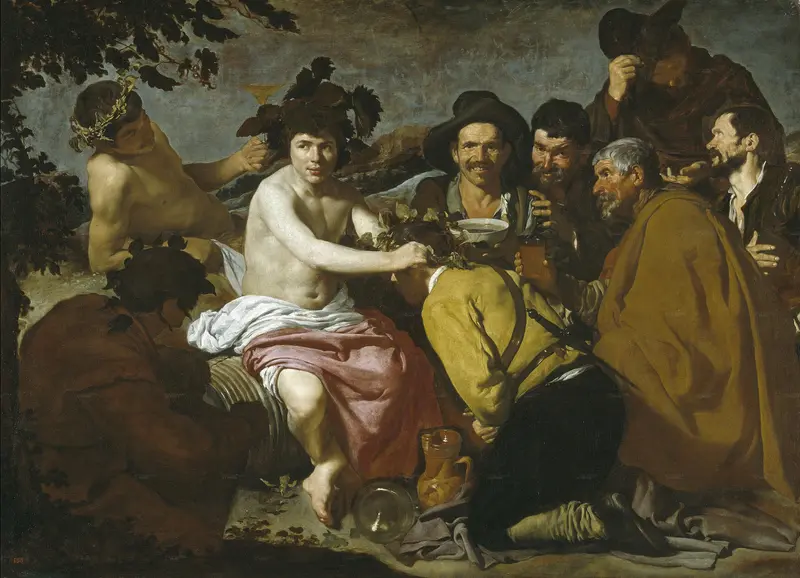
The Triumph of Bacchus
Diego Velázquez
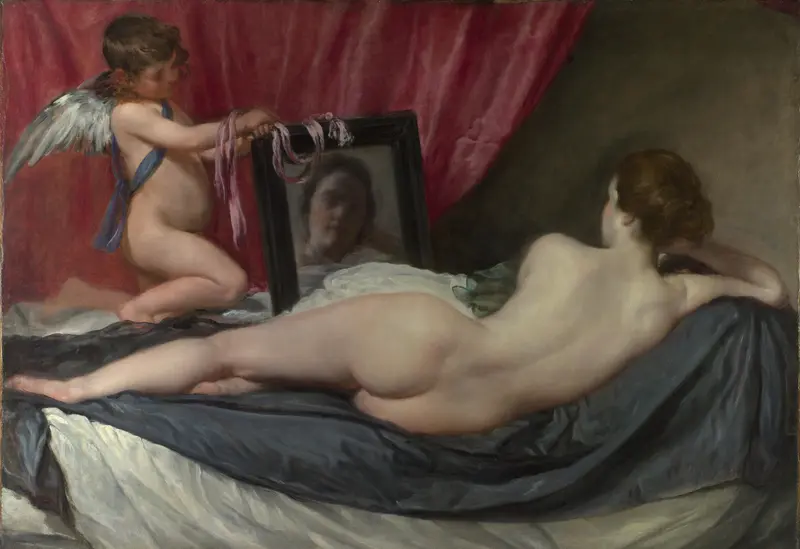
Rokeby Venus
Diego Velázquez
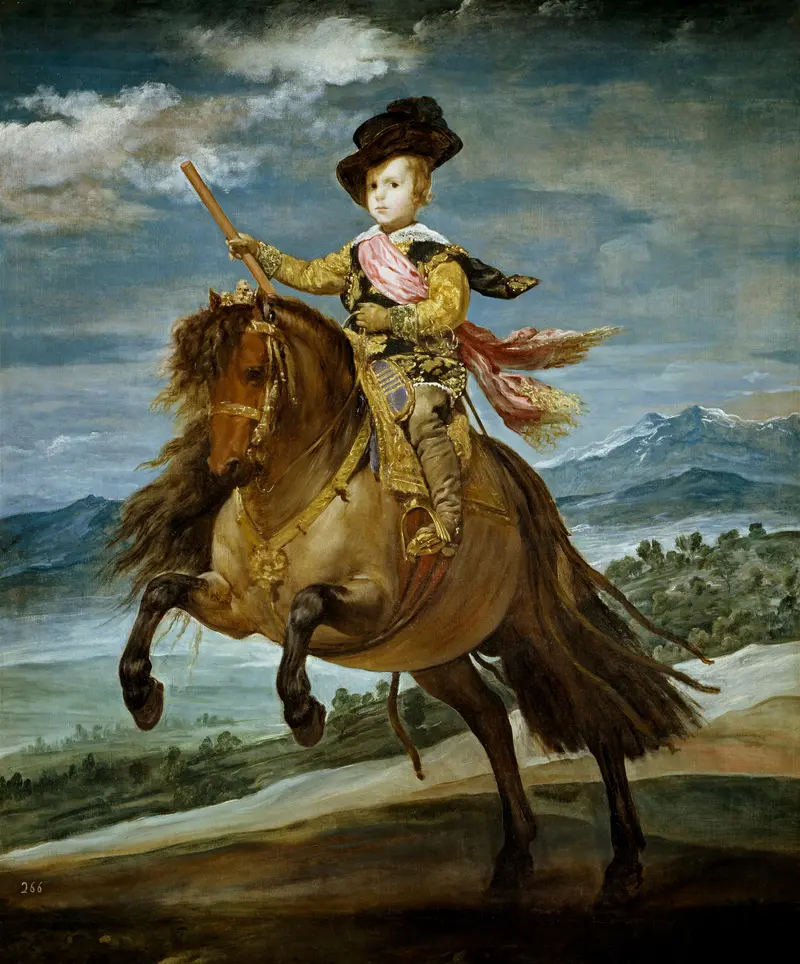
Equestrian Portrait of Prince Balthasar Charles
Diego Velázquez
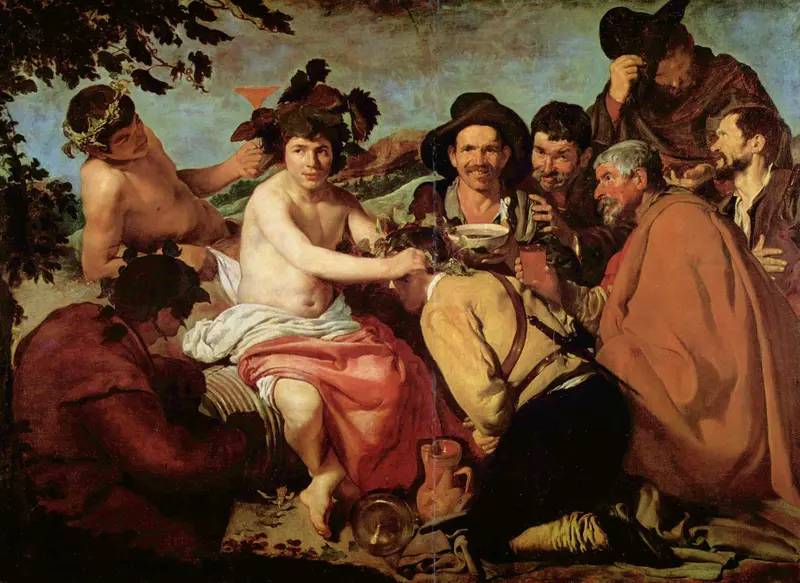
Bacchus
Diego Velázquez
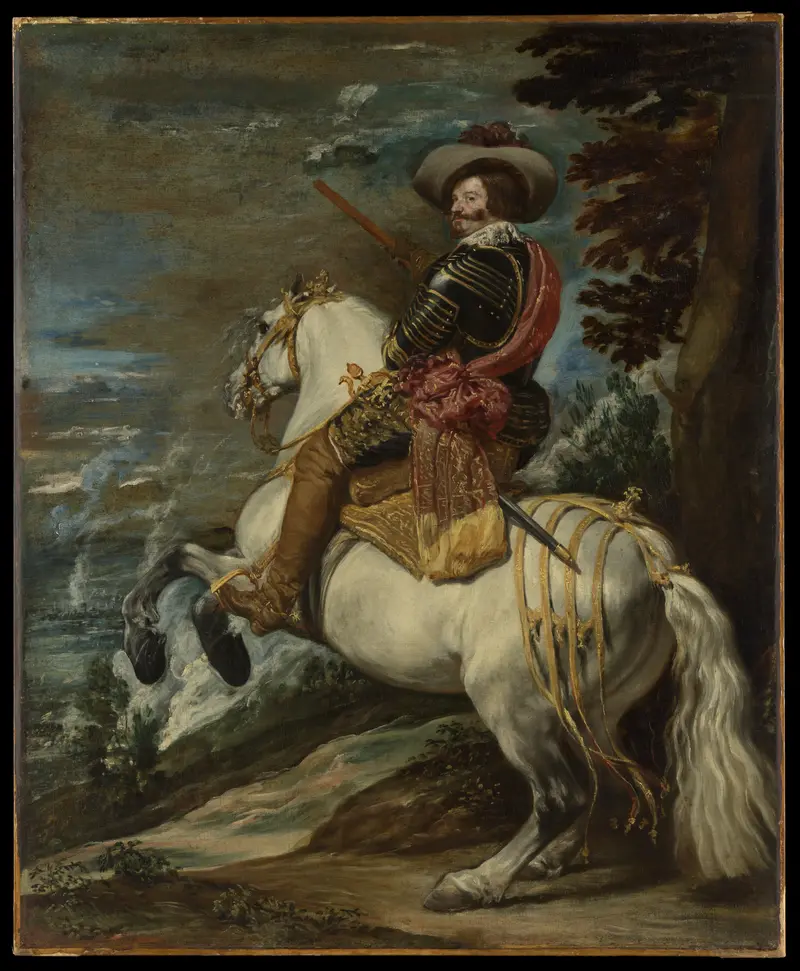
Don Gaspar de Guzmán (1587–1645), Count-Duke of Olivares
Diego Velázquez
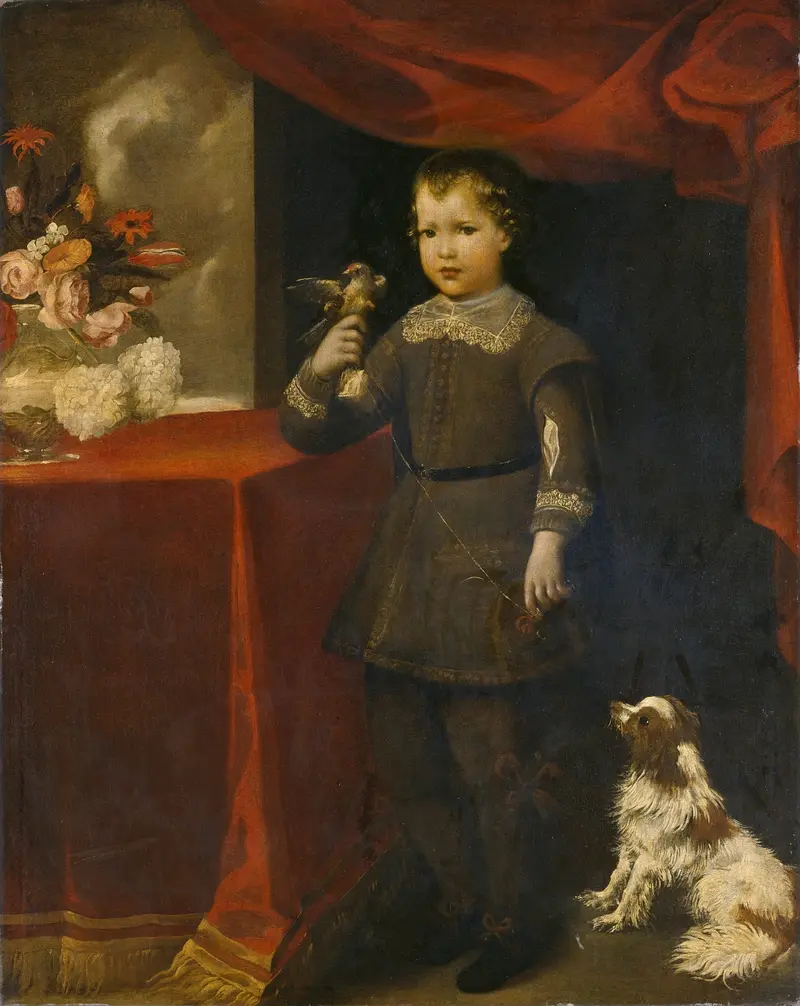
El príncipe Baltasar Carlos de Austria
Diego Velázquez
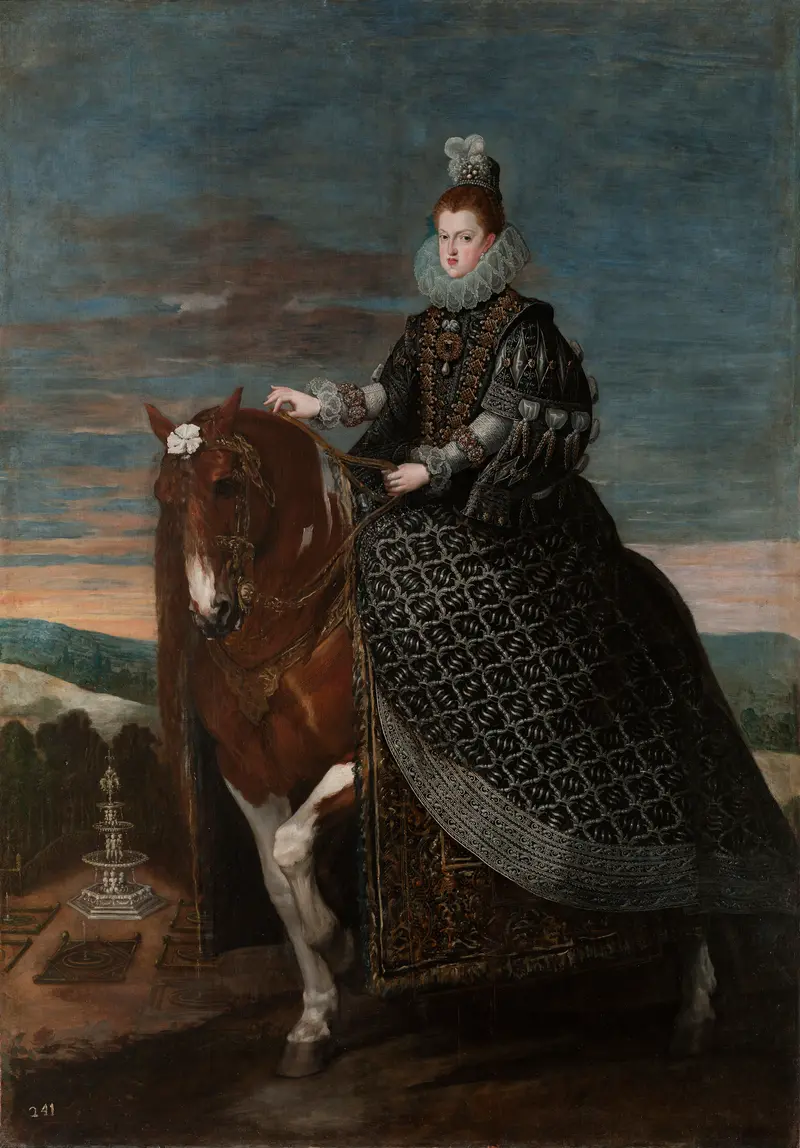
Equestrian Portrait of Margarita of Austria
Diego Velázquez
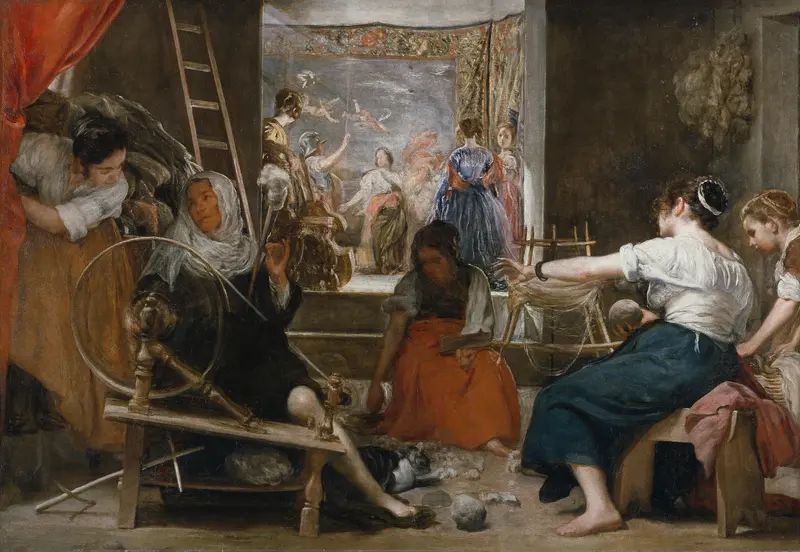
Las Hilanderas
Diego Velázquez
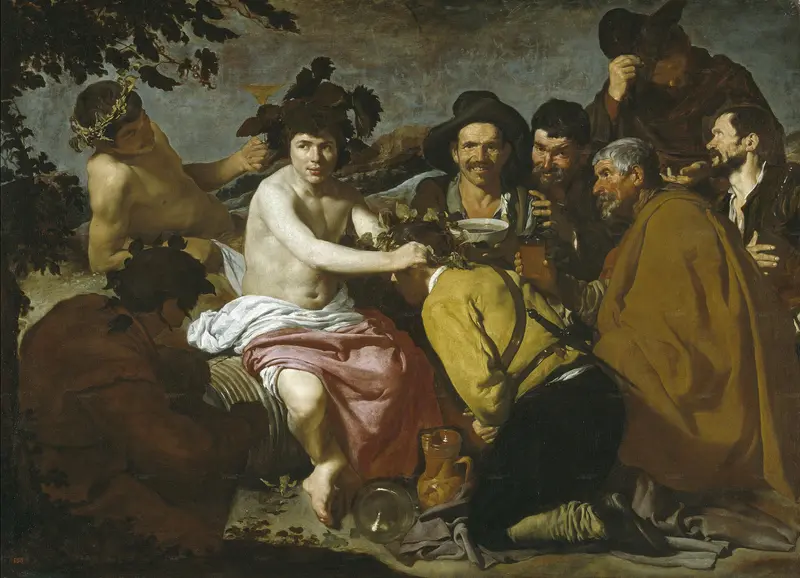
Los borrachos (The Triumph of Bacchus)
Diego Velázquez




