
El S.mo S.or Don Juan de Austria — History & Facts
The sweep of the horse’s mane and the tilt of the rider’s hat immediately draw the eye to the figure poised at the center of this print, a study in confidence and command. The young man sits high in the saddle, baton in hand, his gaze fixed on a distant horizon, while the horse rears with a contained energy that seems to echo the tension of battle or triumph. Below, a fleet of ships crowds the shoreline, and a sprawling city stretches out, suggesting that this is not merely a portrait, but a declaration of victory and dominion.
Every line in El S.mo S.or Don Juan de Austria by Jusepe de Ribera seems calculated to reinforce the sitter’s authority—note the elaborate sash, the ornate armor, and the feathered hat, all markers of high rank and martial glory. The play of light and shadow, especially in the horse’s musculature and the folds of the costume, gives the print a sense of movement and drama, as if the scene might spring to life at any moment. Works like this were rooted in the Baroque era’s appetite for spectacle and power, when rulers and their champions commissioned grand images to assert their place in the world’s shifting hierarchies. In mid-17th-century Spain and Italy, equestrian portraits and prints served as both propaganda and commemoration, circulating the image of a hero—here, Don Juan of Austria—far beyond the reach of a single painted canvas.
Jusepe de Ribera, better known for his intense religious paintings, here turns his formidable skill as a draftsman to the service of secular glory, capturing the theatricality and ambition of his age. Little is recorded about the specific history of this print, now in the Rijksmuseum, but its survival speaks to the enduring fascination with figures who straddled the worlds of war, politics, and legend. The longer you look, the more the details reveal the ambitions and anxieties of a world in flux.
More Artworks by Jusepe de Ribera

Saint Francis of Paola
Jusepe de Ribera

Penitent Saint Peter
Jusepe de Ribera
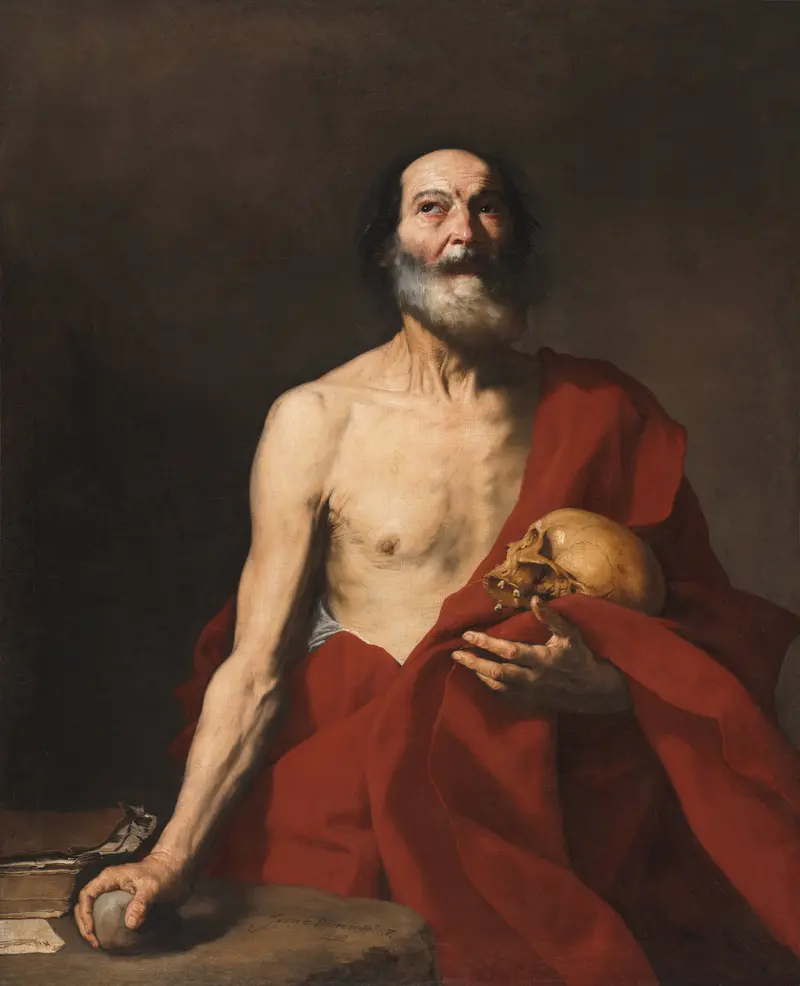
Saint Jerome
Jusepe de Ribera
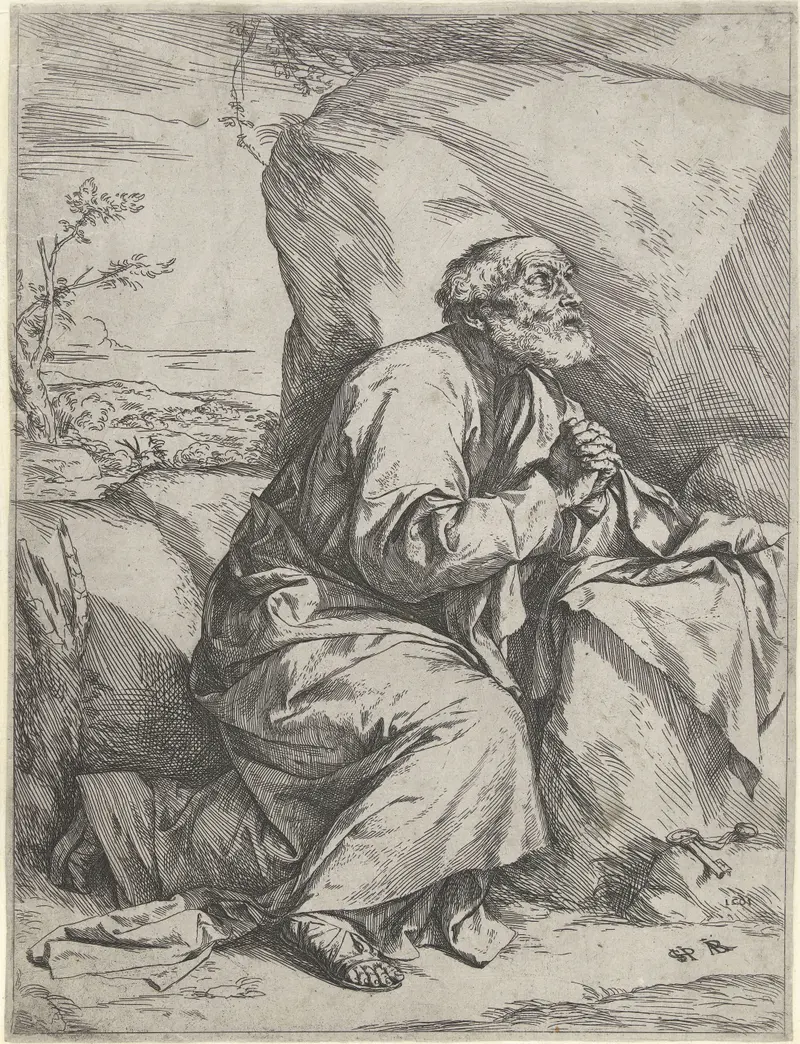
Boetvaardige Petrus
Jusepe de Ribera
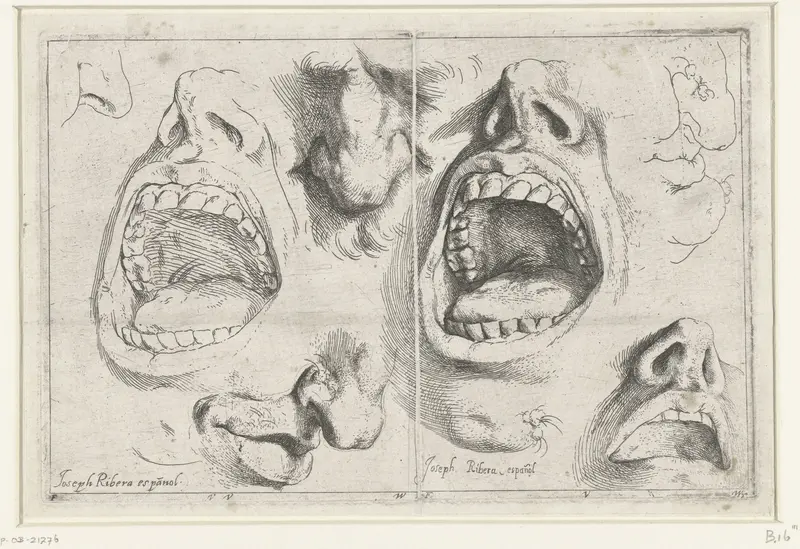
Studies van neus en mond
Jusepe de Ribera
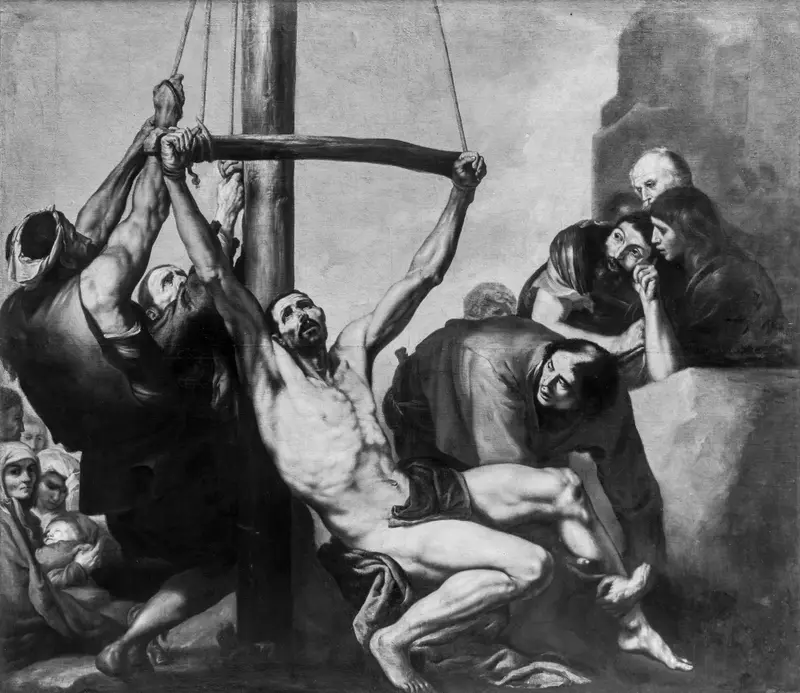
The Martyrdom of Saint Bartholomew
Jusepe de Ribera
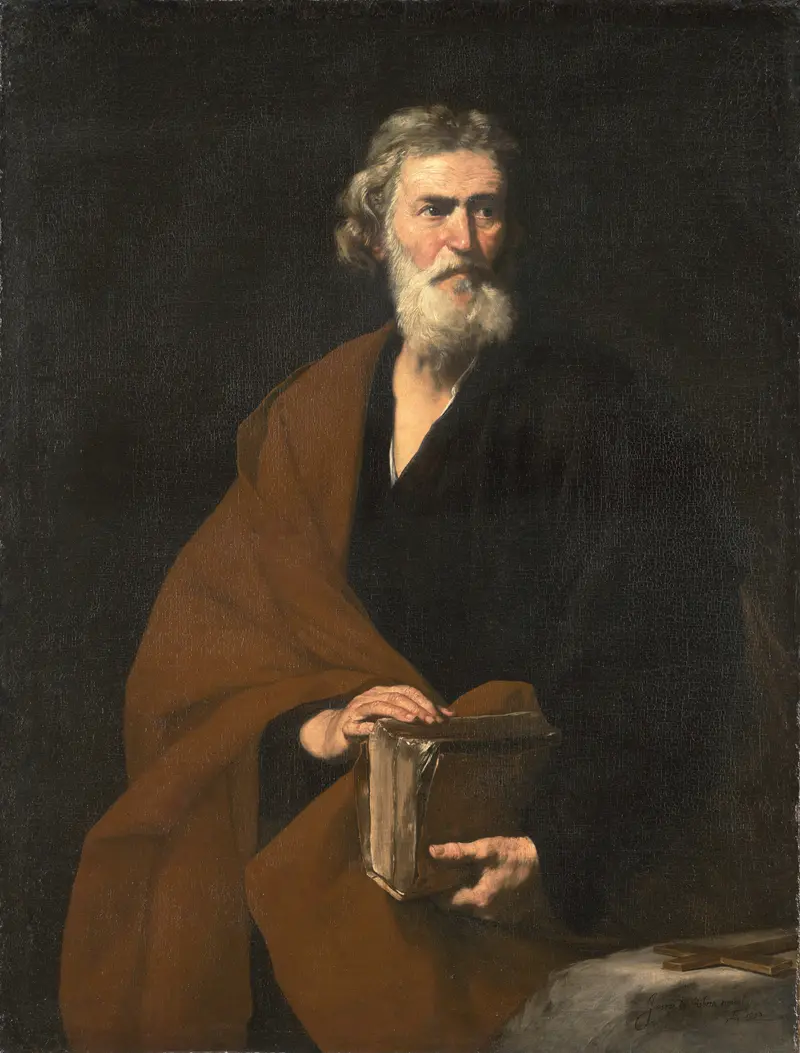
Saint Matthew
Jusepe de Ribera
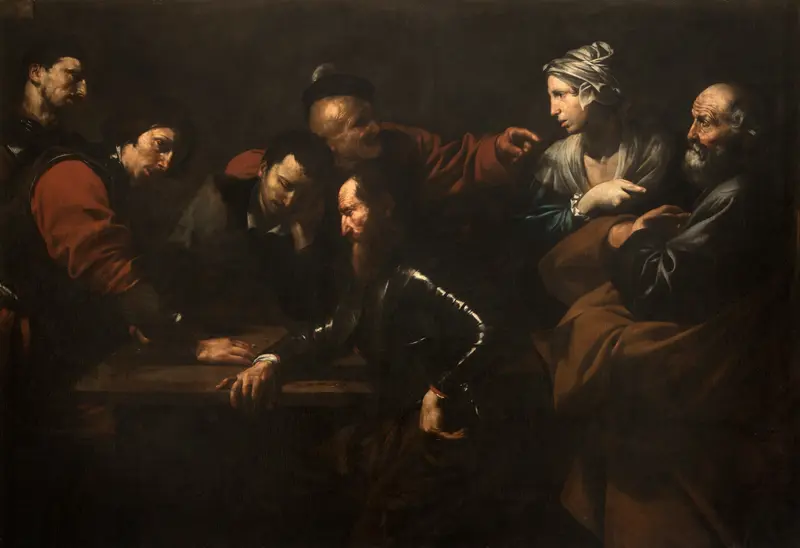
The Denial of Saint Peter
Jusepe de Ribera
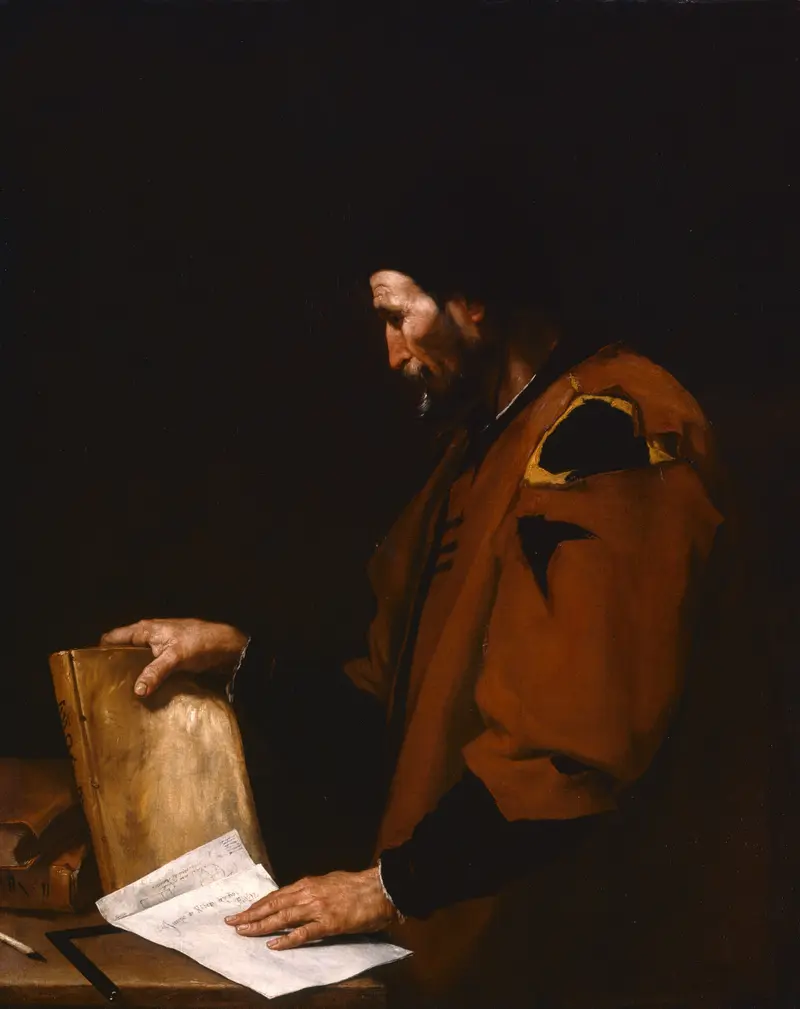
Aristotle
Jusepe de Ribera
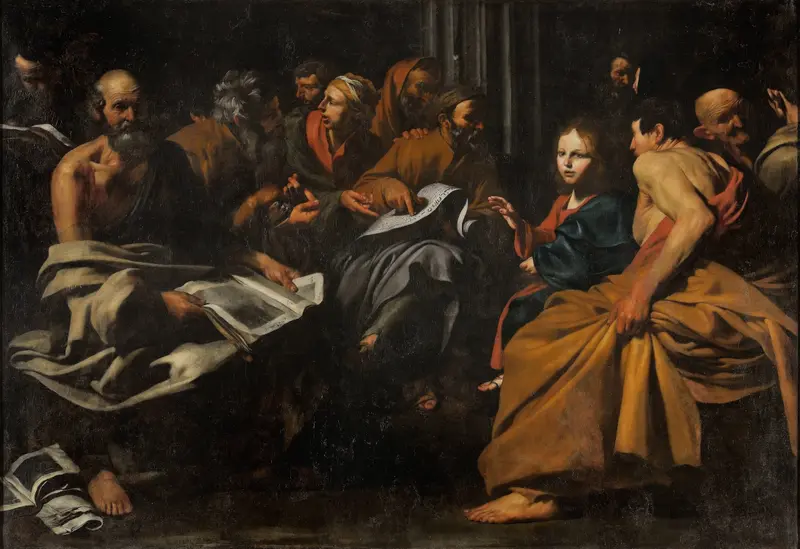
Christ among the doctors
Jusepe de Ribera





