
Elbeland — History & Facts
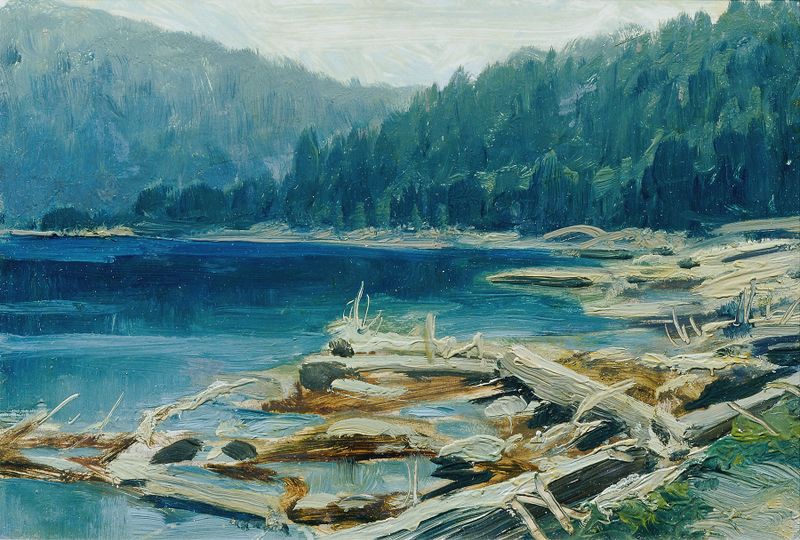
This profound transformation invites us to reflect on the delicate balance between disorder and harmony in our lives. How does one capture the essence of a moment, allowing pure emotion to manifest through art? Look to the swirling blues and greens that dominate the canvas, where vibrant strokes create a landscape both dreamlike and turbulent. Focus on the way the colors bleed into one another, as if reflecting the ebb and flow of the subconscious.
The touch is both spontaneous and deliberate, capturing fleeting impressions of nature with a raw intensity that draws the eye in, making the viewer feel both unsettled and exhilarated. Within this tumultuous scene, hidden meanings emerge. The interplay of light and shadow suggests an inner battle, perhaps a struggle between tranquility and chaos. Observe how smaller elements—like the delicate outlines of trees—seem to resonate with the underlying tumult, each line both a connection to nature and a statement of individual existence within it.
This tension between the serene and the stormy encapsulates a broader commentary on human experience, evoking feelings of restlessness and resolve. Created during a transformative period in early 20th-century Germany, this work reflects Engelmüller’s struggle with modernity and the changing landscape of artistic expression. As the art world began to embrace abstraction and emotional depth, he found himself at the crossroads of tradition and innovation. The year 1902 marked both personal and collective upheavals, making this piece not just a reflection of nature, but a window into the artist's psyche and the era's turbulent spirit.
More Artworks by Ferdinand Engelmüller
Browse all →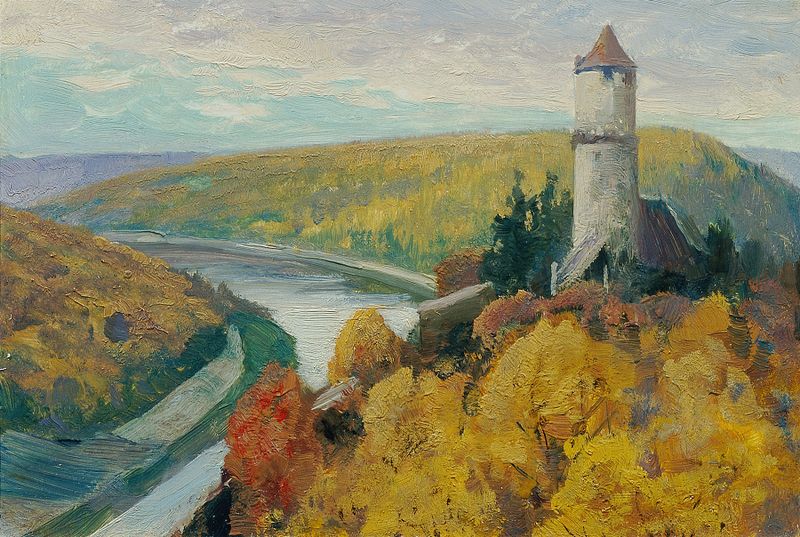
Moldau
Ferdinand Engelmüller
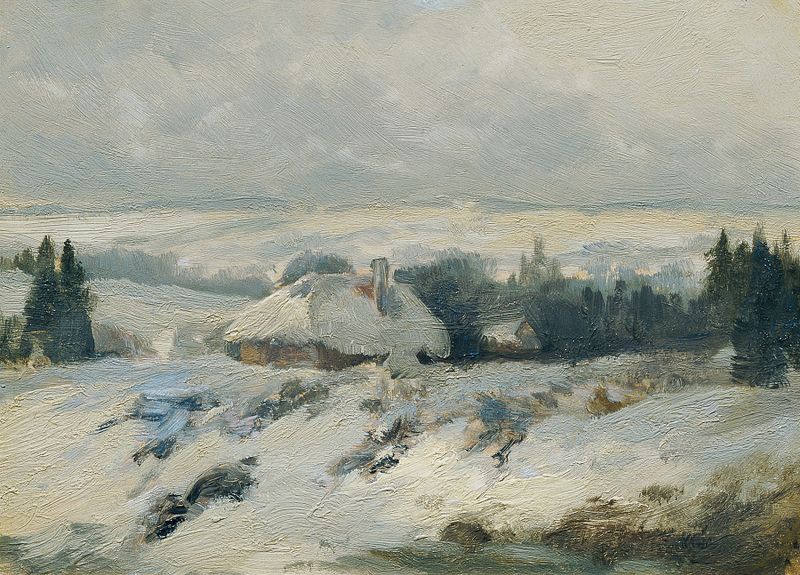
Böhmisch-Mährische Höhe
Ferdinand Engelmüller
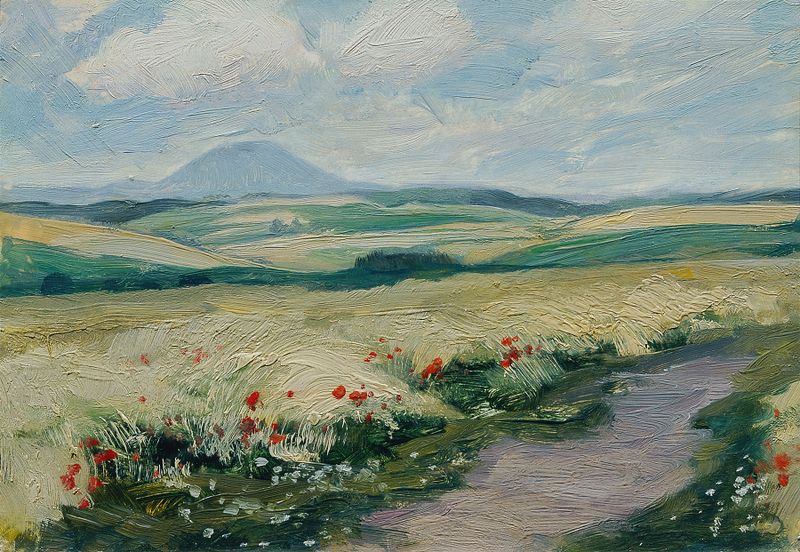
Podřipsko
Ferdinand Engelmüller

Riesengebirge
Ferdinand Engelmüller

Prachauer Felsen
Ferdinand Engelmüller

Böhmerwald
Ferdinand Engelmüller
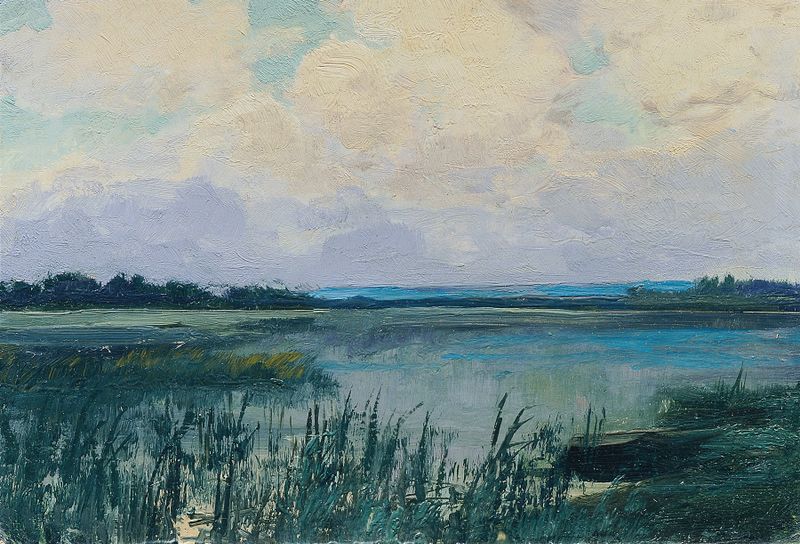
Wittingau
Ferdinand Engelmüller

Táborsko
Ferdinand Engelmüller
Böhmerwald
Ferdinand Engelmüller
Wittingau
Ferdinand Engelmüller





