
Entrance of Monseigneur Henry de Lorraine — History & Facts
In Entrance of Monseigneur Henry de Lorraine, Jacques Callot presents a lively scene filled with figures in elaborate costumes. The colors are rich and varied, with deep reds, golds, and greens dominating the palette. The setting is a grand entrance, likely a ceremonial occasion, where the focus is on the central figure of Monseigneur Henry de Lorraine.
Surrounding him are attendants and onlookers, all contributing to the bustling atmosphere of the event. This artwork is an etching, a technique that allows for fine detail and intricate line work. Callot's skill is evident in the precise rendering of textures, from the fabric of the clothing to the expressions on the faces of the figures. The composition is dynamic, with a strong sense of movement as the figures seem to interact with one another.
The etching captures not only the grandeur of the moment but also the social hierarchy present in the scene. Jacques Callot was a prominent French artist known for his etchings and prints during the Baroque period. Entrance of Monseigneur Henry de Lorraine reflects his interest in capturing the drama of social events and the intricacies of human interactions. An interesting fact about this work is that it was likely commissioned to commemorate a significant event in Lorraine's history, showcasing both the artist's talent and the cultural importance of the subject matter.
More Artworks by Jacques Callot

De verloren zoon als zwijnenhoeder
Jacques Callot
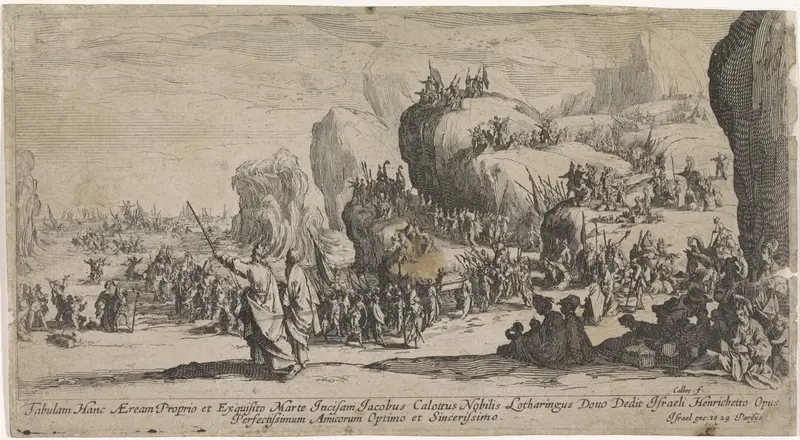
De doortocht door de Rode Zee
Jacques Callot

Kruisiging
Jacques Callot
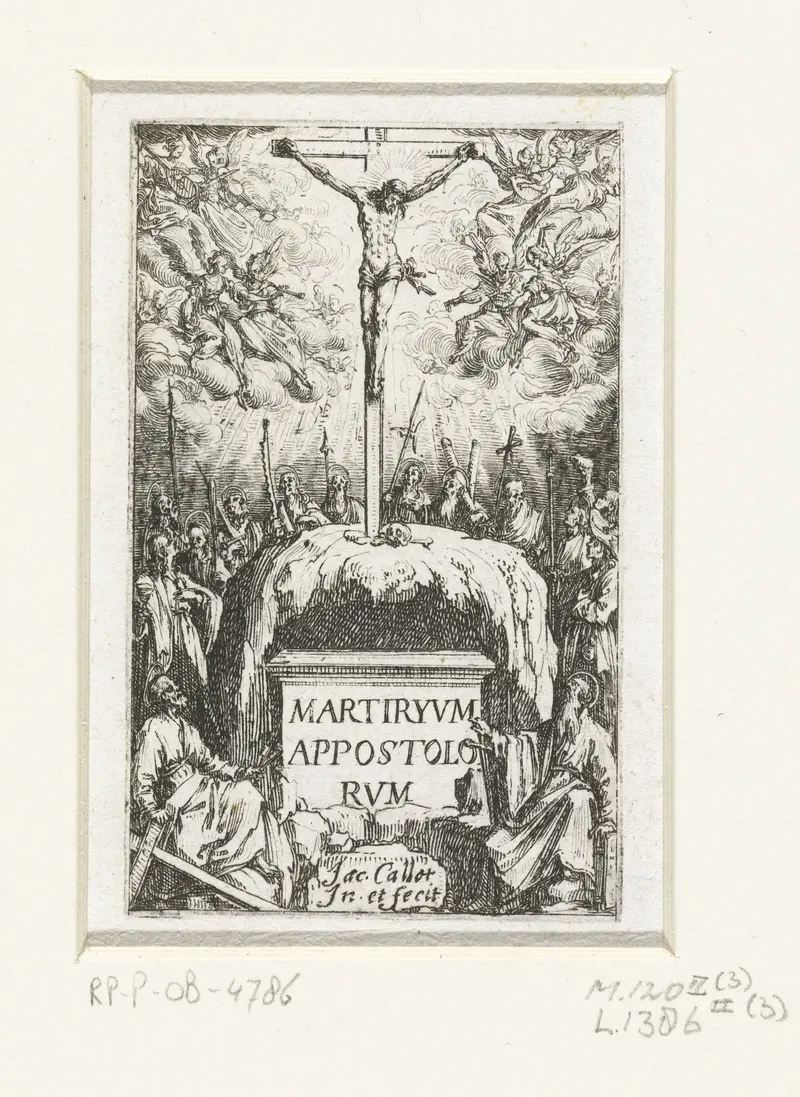
Titelprent voor de prentreeks 'De kleine apostelen' (Het martelaarschap van de apostelen)
Jacques Callot
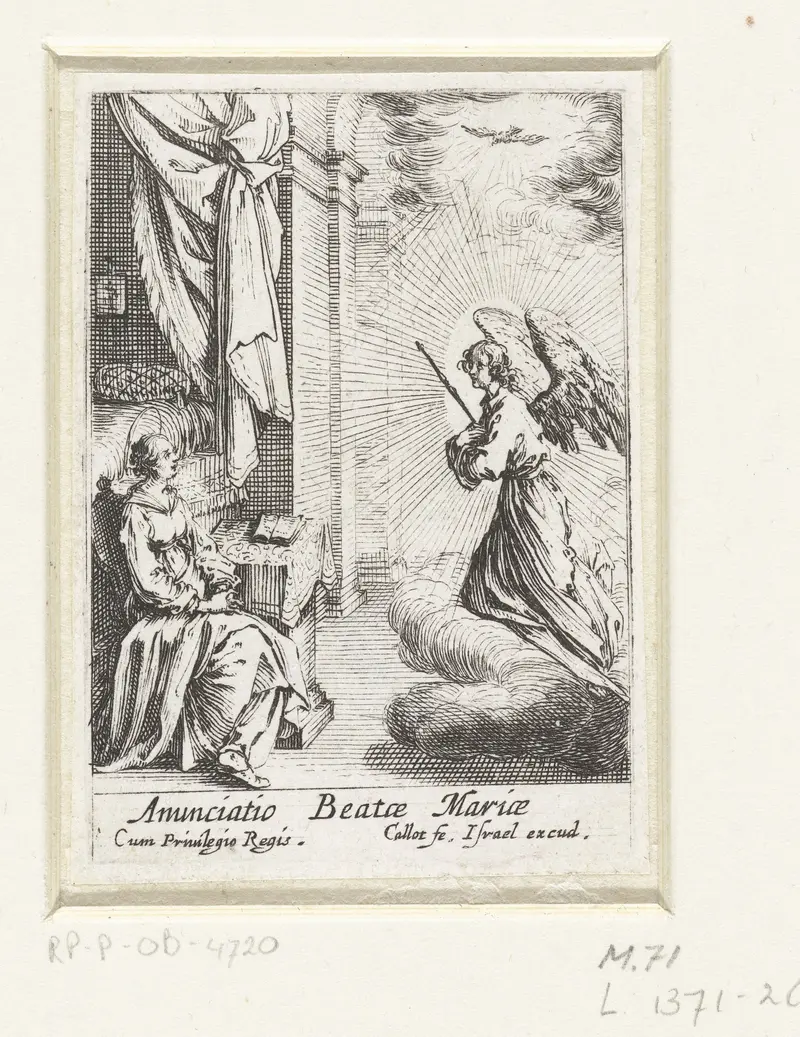
Annunciatie
Jacques Callot
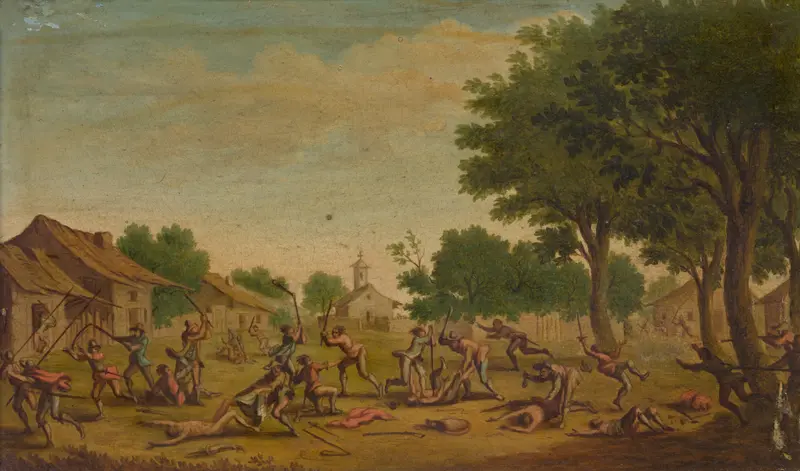
Village Fight
Jacques Callot
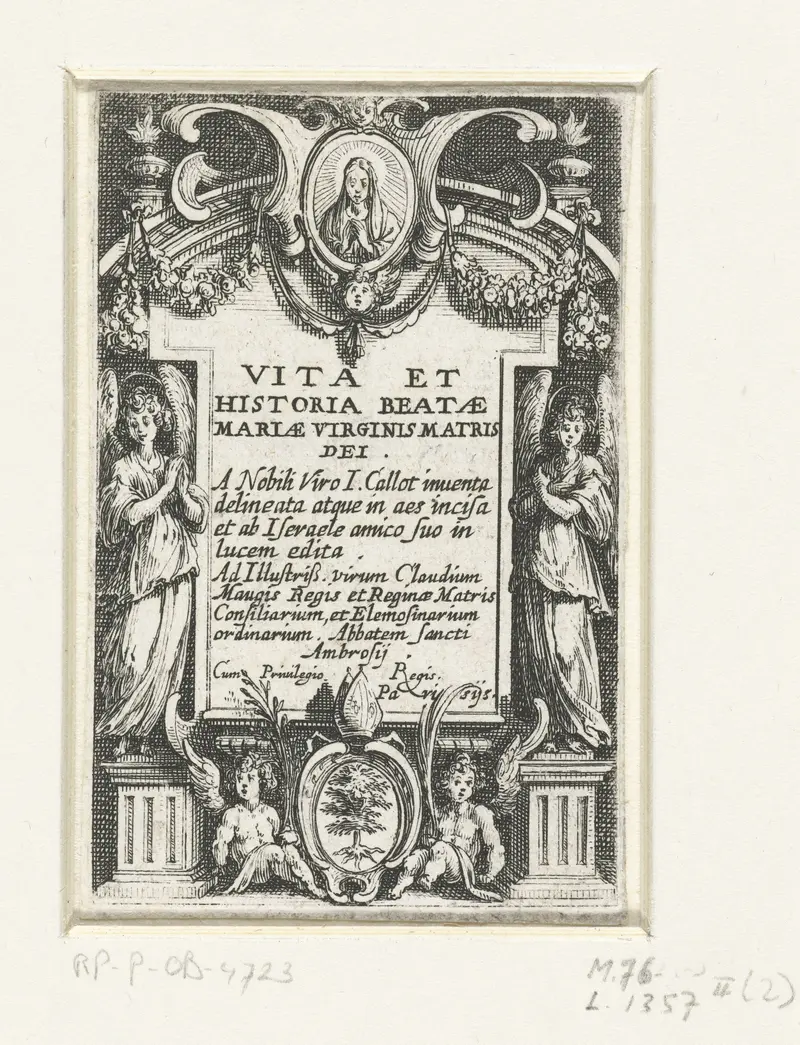
Titelprent voor prentreeks 'Het leven van Maria'
Jacques Callot
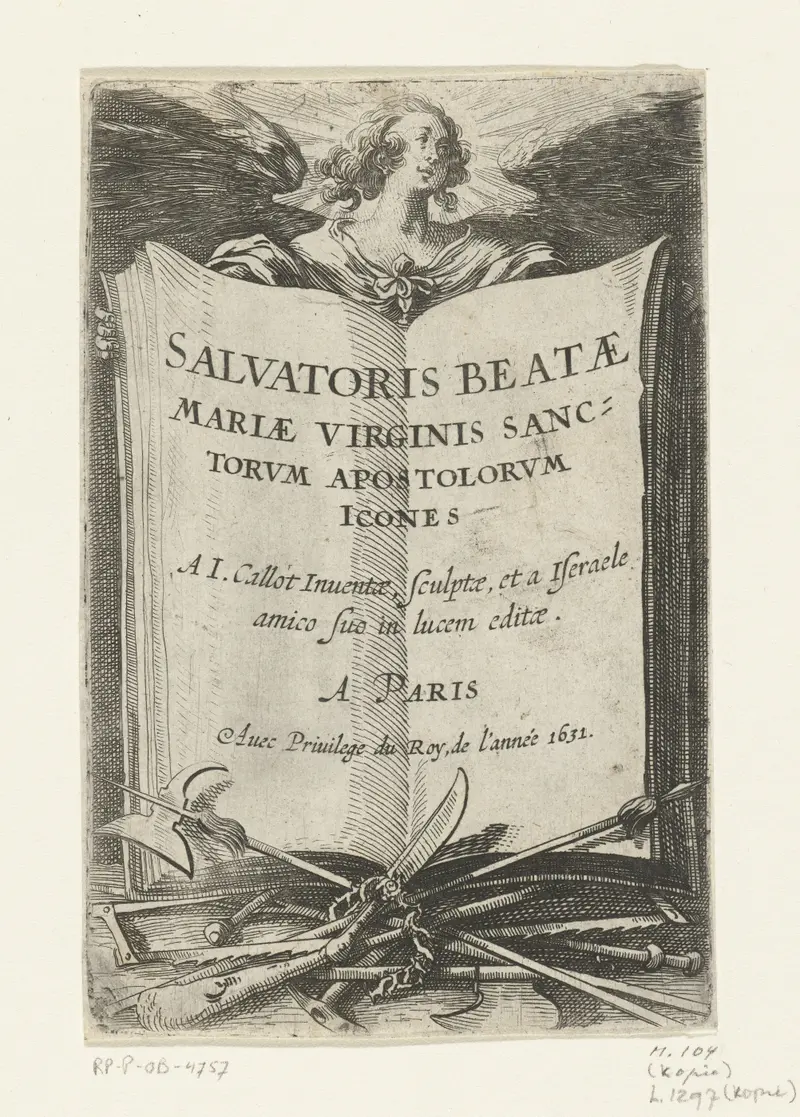
Titelprent voor de prentreeks 'De grote apostelen' (Christus, Maria en de apostelen)
Jacques Callot

Kruisoprichting
Jacques Callot
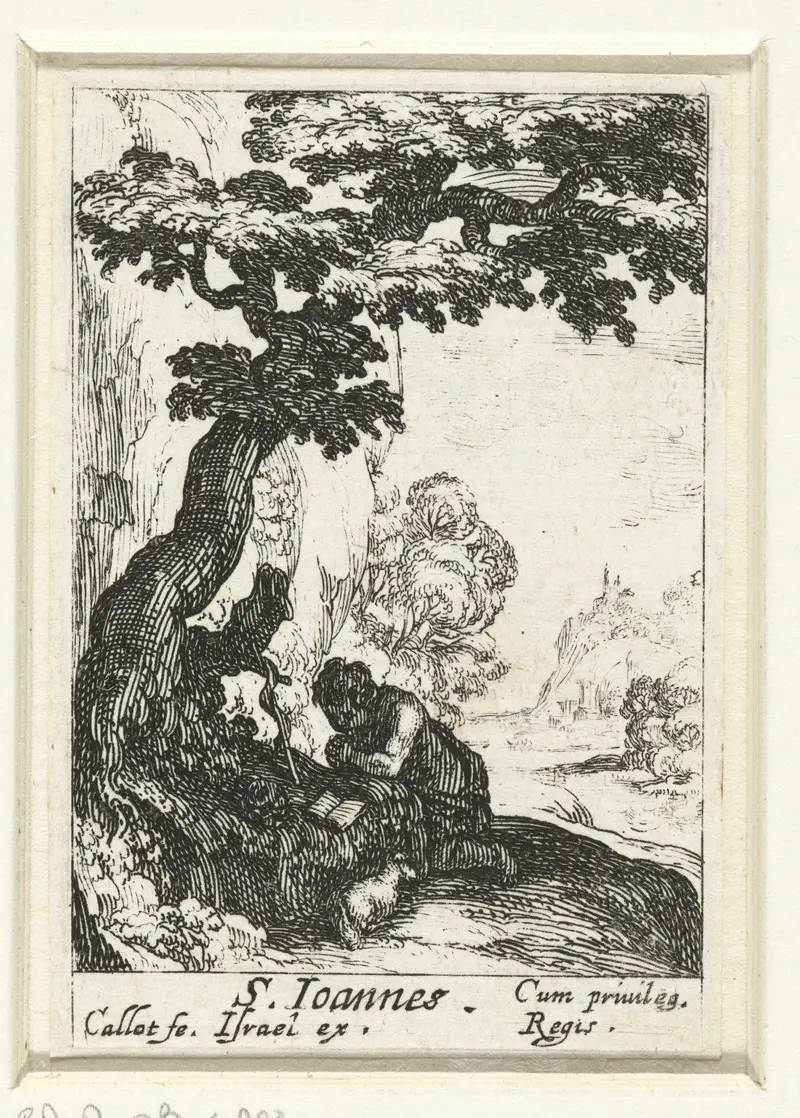
De boetvaardige Johannes de Doper
Jacques Callot





