
Entrance To The Village — History & Facts
Is this a mirror — or a memory? In Entrance To The Village, the scene unfolds with a subtle tension that suggests something more than just a tranquil landscape. Look to the left at the gnarled trees reaching skyward, their twisted forms suggesting a struggle against unseen forces. The soft light filters through the branches, illuminating patches of the dirt path that winds through the village. Notice how the muted greens and browns create a sense of unease, as if the earth itself is holding its breath in anticipation of an impending storm. Delve deeper into the contrasts within the painting: the serene village nestled in the background against the rugged foreground.
The distant buildings, seemingly untouched, hint at an idyllic life, yet the foreboding trees suggest a history of conflict and violence. The brushwork, thick and expressive, evokes emotion — a reminder that beauty often coexists with turmoil. Created in the mid-19th century, during a time when Daubigny was deeply engaged with the changing landscapes of France, this work reflects his fascination with the rural life that was undergoing transformation. The artist's connection to the Barbizon school emphasized a return to nature, yet beneath the surface of this serene setting lies an awareness of the turbulence that shaped the lives of villagers amidst the broader social upheaval of the period.
More Artworks by Charles François Daubigny
Browse all →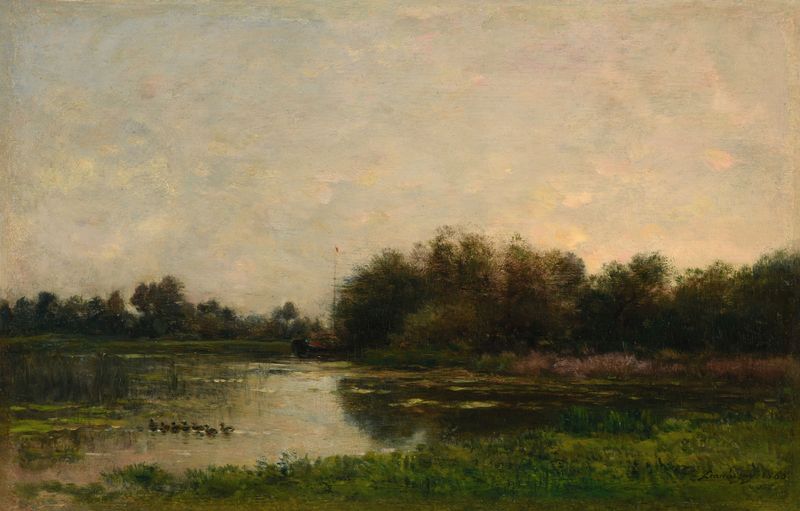
Bords de l’Oise
Charles François Daubigny
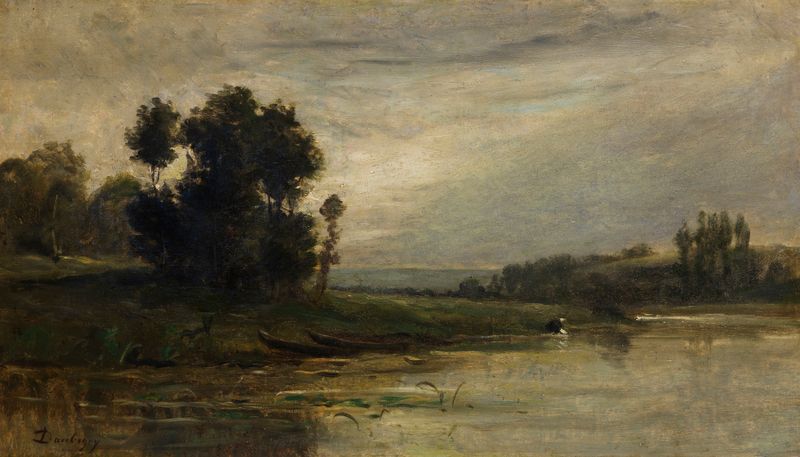
Bords de l’Oise
Charles François Daubigny
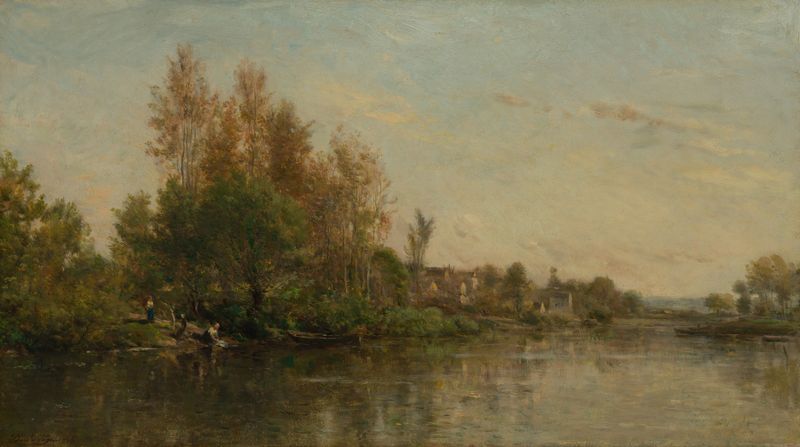
The Banks of the Oise
Charles François Daubigny
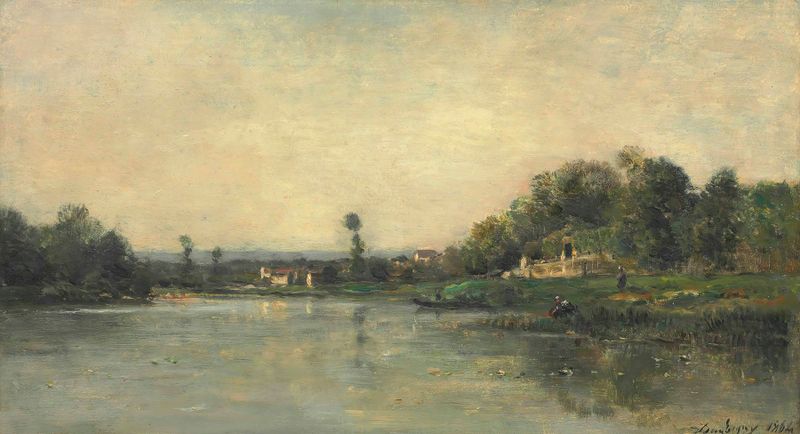
Les Bords De L’oise
Charles François Daubigny
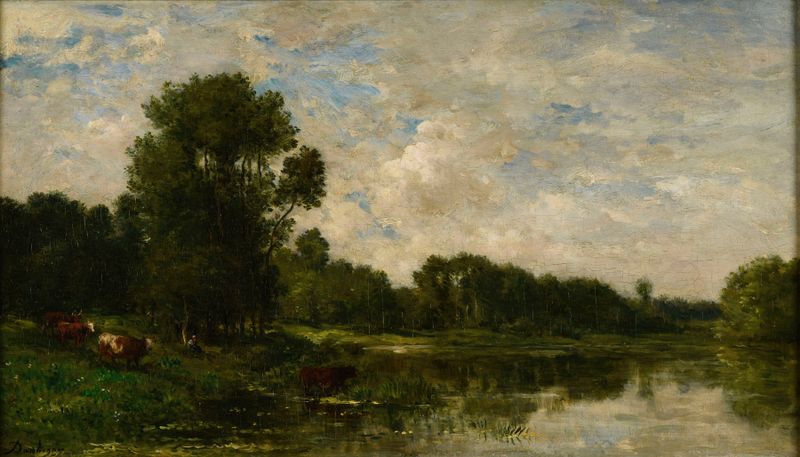
Bords de l’Oise
Charles François Daubigny
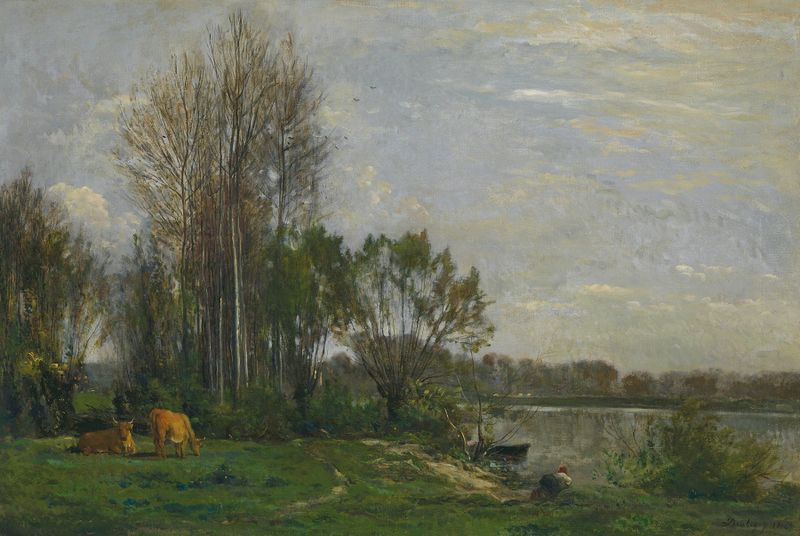
Les Bord De L’oise
Charles François Daubigny
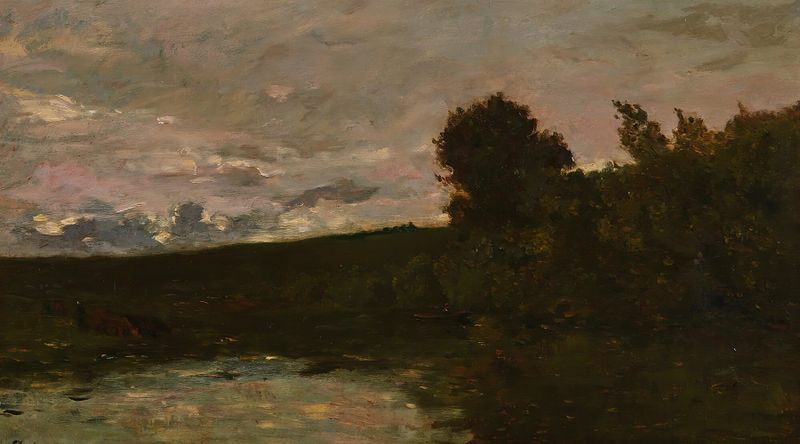
Bord De Riviére
Charles François Daubigny
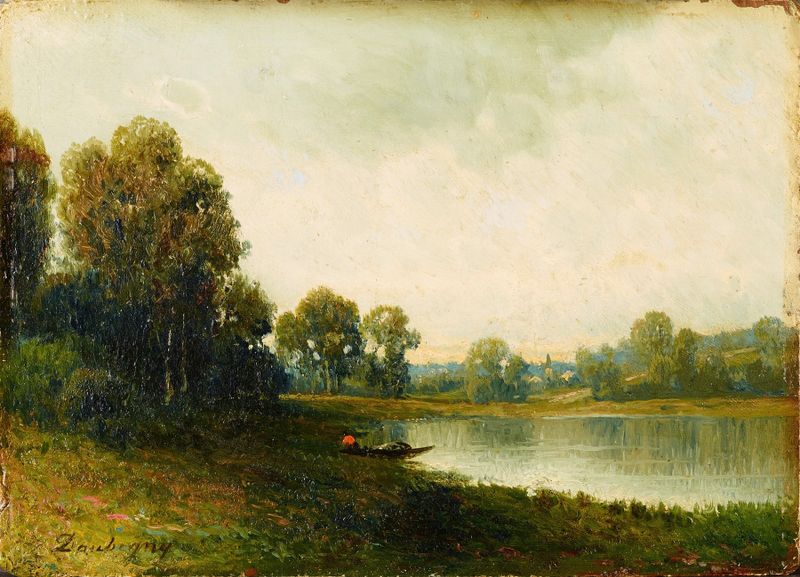
Landscape
Charles François Daubigny
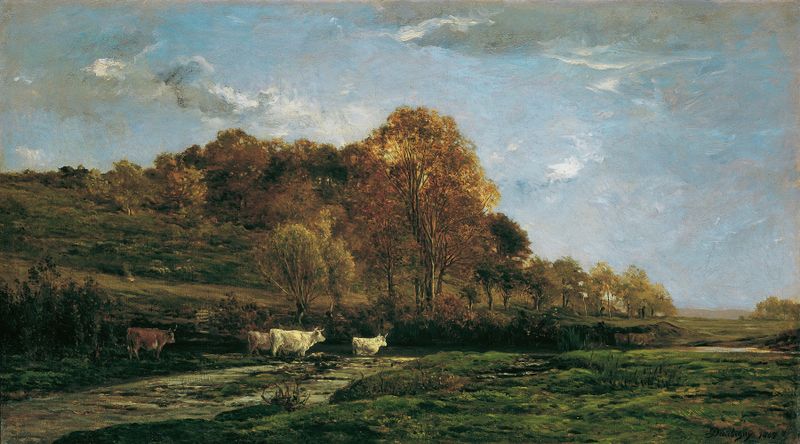
Herbstliche Aulandschaft Abendstimmung
Charles François Daubigny
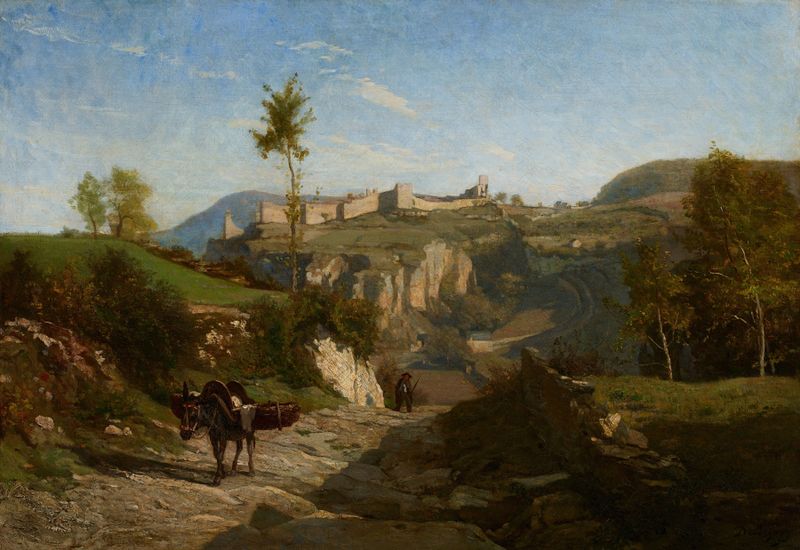
Landscape near Crémieu
Charles François Daubigny





