
Entrée de souterrain — History & Facts
Can beauty exist without sorrow? In Henri-Joseph Harpignies' Entrée de souterrain, the delicate balance between fragility and strength unfurls like a whispered secret, inviting contemplation. Focus first on the gentle curves of the archway at the center, beckoning the viewer into an underground world cloaked in shadow. The play of light and dark creates a chiaroscuro effect, illuminating the textured stone walls while leaving the recesses steeped in mystery. The muted palette of earthy tones enhances the scene's intimacy, drawing your eye towards the soft sunlight that spills in, hinting at a life beyond the confines of the arch. As you immerse yourself in the details, notice the subtle brushstrokes that convey both the solidity of the structure and the ephemeral nature of the moment.
The juxtaposition of light filtering through the entrance against the somber shadows surrounding it speaks to a deeper narrative of hope and despair. This tension underscores the ephemeral beauty of existence, suggesting that beneath the surface of life’s fragility lies an enduring strength. In 1852, Harpignies painted this work during a period marked by artistic exploration and the rise of realism in France. He was inspired by the interplay of light and shadow found in nature, capturing the essence of a scene that reflects the complexities of life.
This particular piece showcases his early mastery of color and form, contributing to the broader movement of 19th-century art while also revealing his unique perspective on the world.
More Artworks by Henri-Joseph Harpignies
Browse all →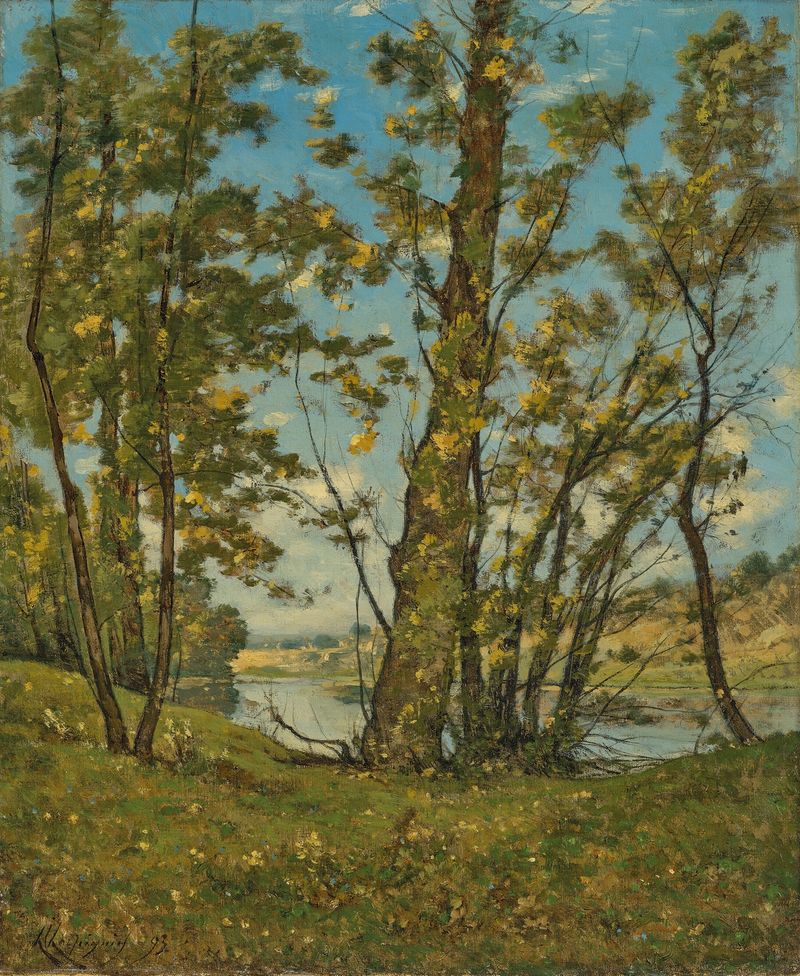
La Loire à Bonny
Henri-Joseph Harpignies
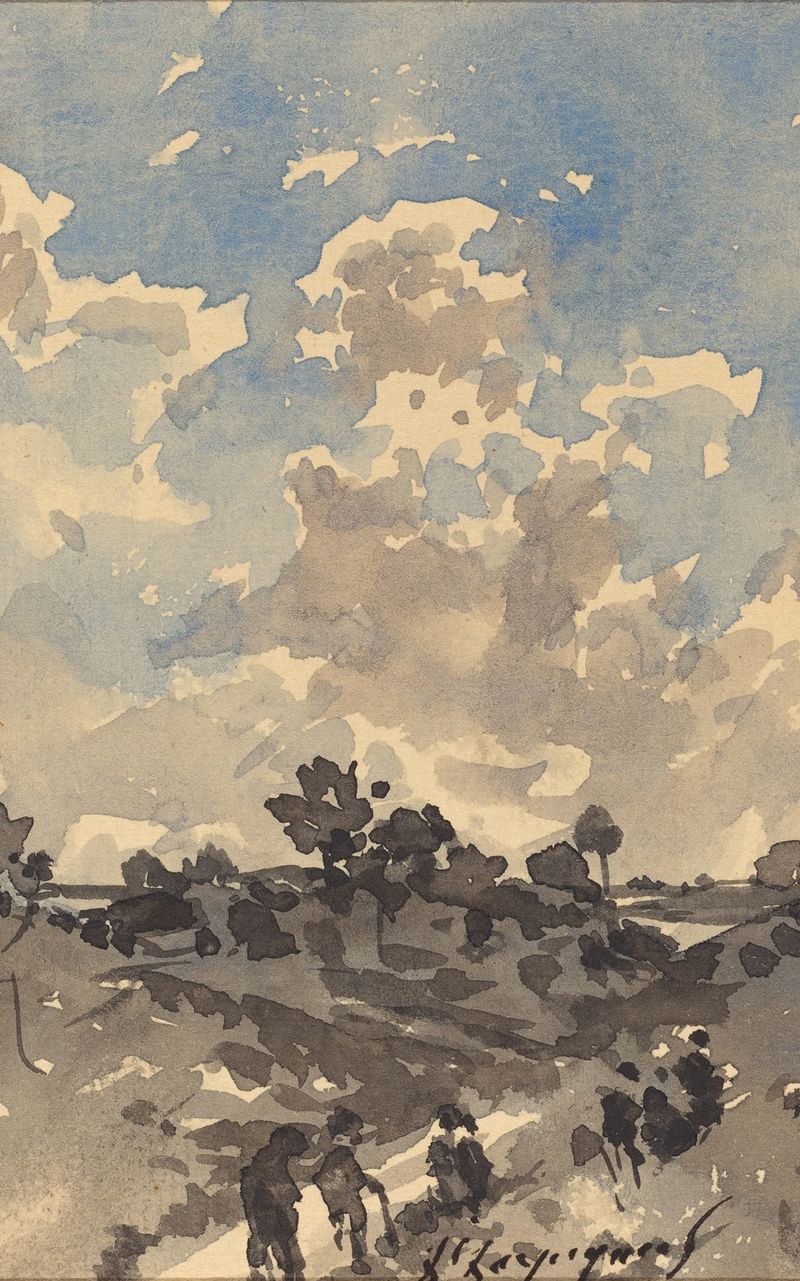
A Landscape with Figures Walking along a Path
Henri-Joseph Harpignies
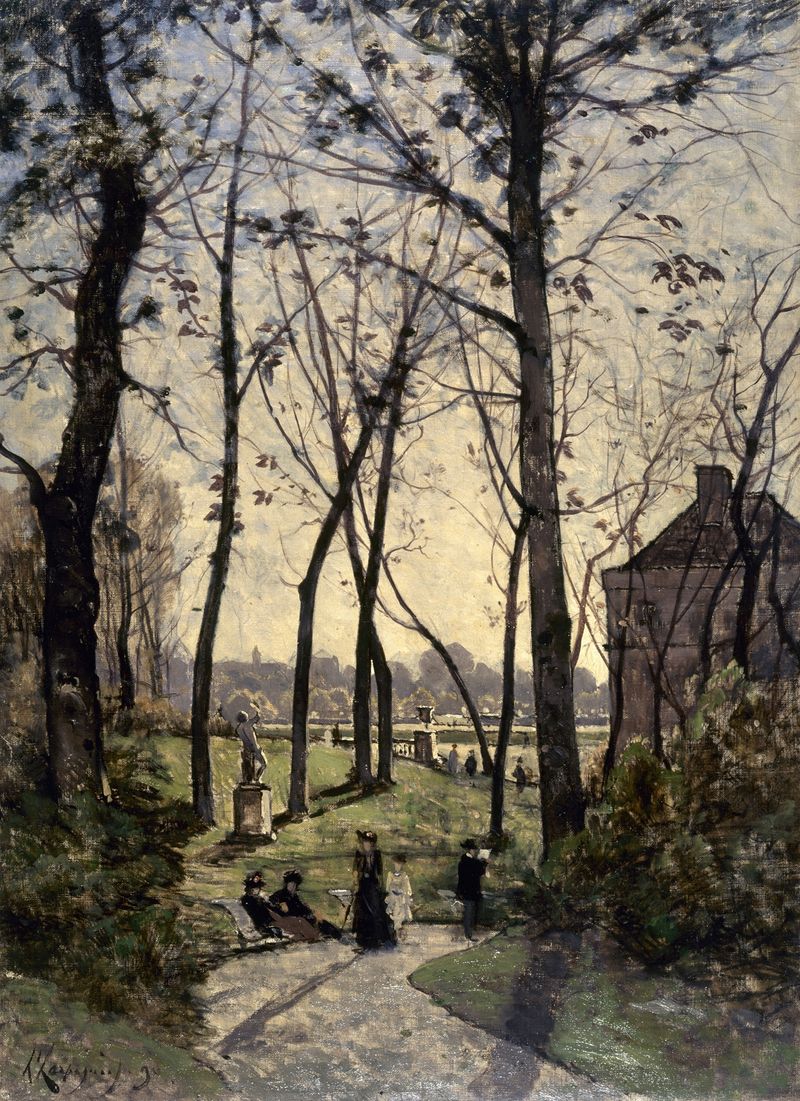
Le jardin du Luxembourg
Henri-Joseph Harpignies
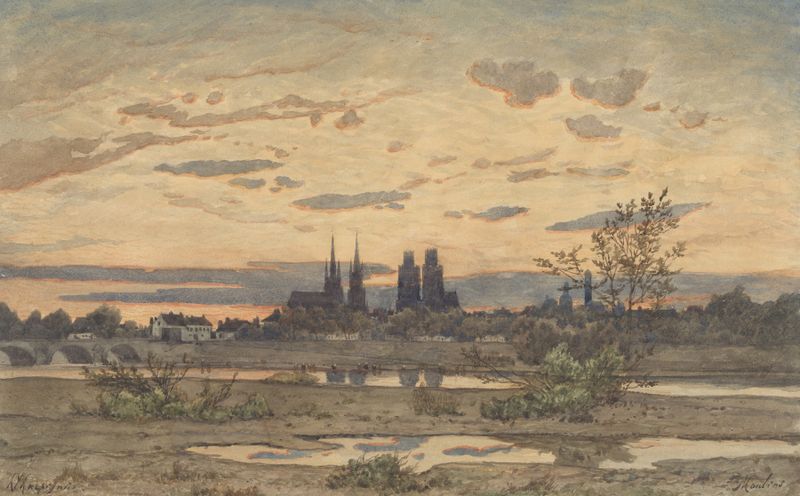
A View of Moulins
Henri-Joseph Harpignies
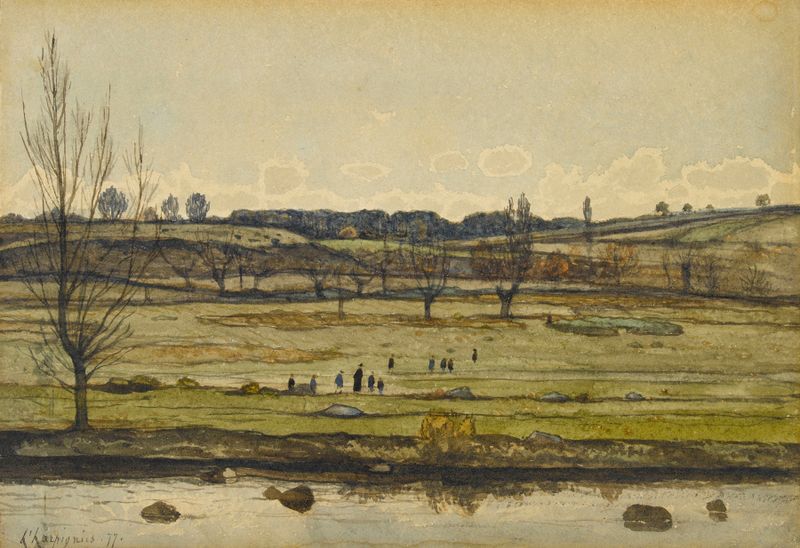
Paysage
Henri-Joseph Harpignies
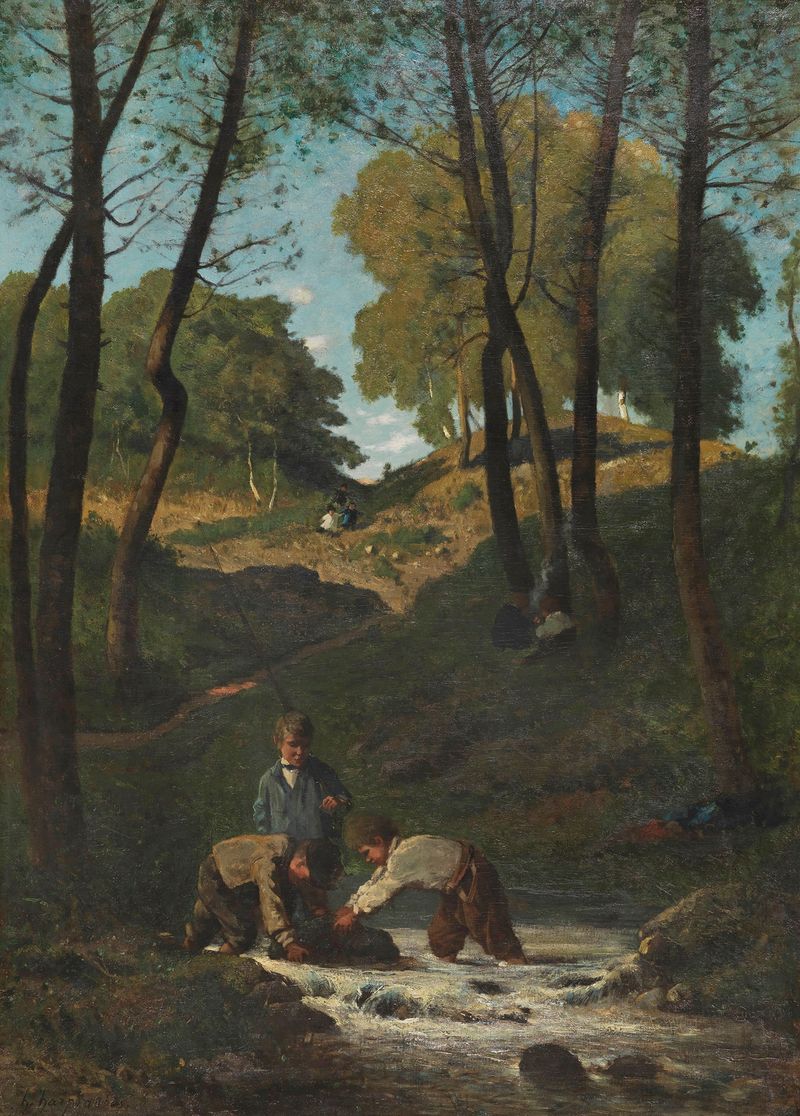
Chercheurs d’écrevisses
Henri-Joseph Harpignies
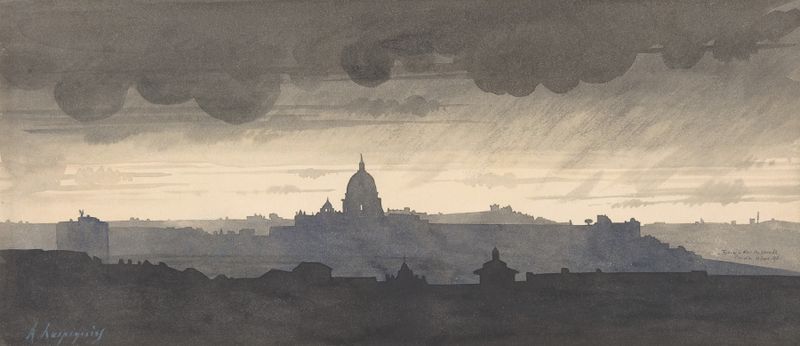
Saint Peter’s Seen From the Pincio, Rome
Henri-Joseph Harpignies
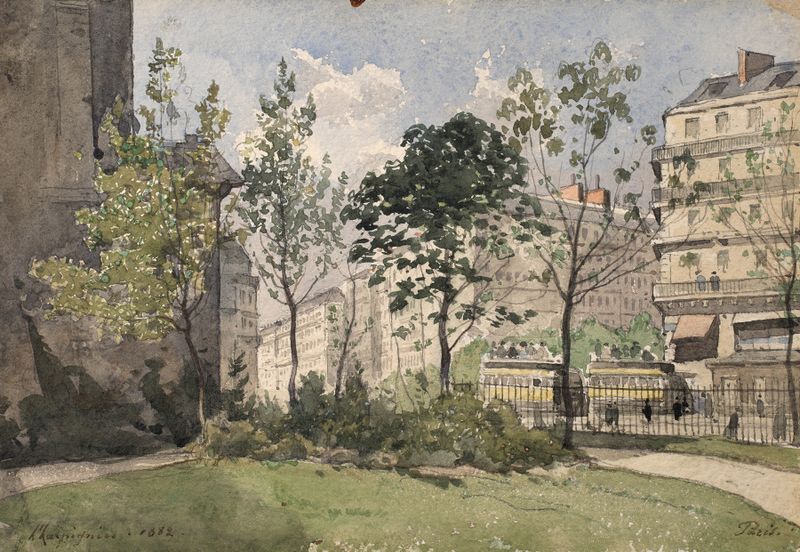
View of the forecourt of the Saint-Germain-des-Prés church
Henri-Joseph Harpignies
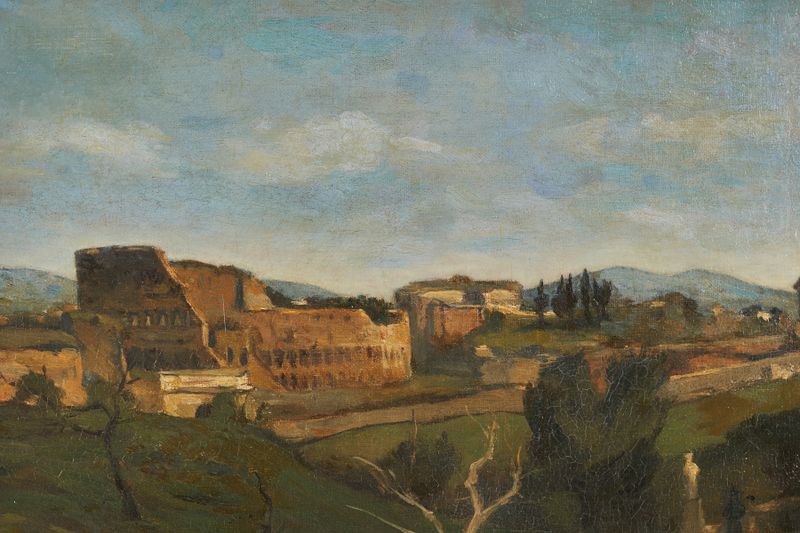
Le Colisée à Rome
Henri-Joseph Harpignies

Villefranche
Henri-Joseph Harpignies
More Architecture Art
Browse all →
The statue of Liberty
Frédéric Auguste Bartholdi

View of Houses in Delft, Known as ‘The Little Street’
Johannes Vermeer

View of Houses in Delft, Known as ‘The Little Street’
Johannes Vermeer

The Cathedral in Rouen. The portal, Grey Weather
Claude Monet

The yellow house
Vincent van Gogh

The Church in Auvers-sur-Oise, View from the Chevet
Vincent van Gogh