
Epe — History & Facts
What secret hides in the quiet of the canvas? In the stillness of Epe, movement thrums just beneath the surface, inviting the viewer to explore the depths of its serene composition. Look to the left at the gentle curve of the landscape, where rolling hills meet a delicately rendered sky. The artist’s meticulous brushwork creates an intricate interplay of colors, blending soft blues and greens that evoke both tranquility and a sense of anticipation. Notice how the light dances across the surface, emphasizing the subtle textures of the grass and the ethereal quality of the clouds, as if they are in a constant state of transition. There is a palpable tension between stillness and movement in this work.
The horizon suggests a journey yet to unfold, while the trees stand as silent witnesses to the passage of time. The meticulous detail in the foliage captures the quiet rustle of leaves, whispering of unseen life just beyond the frame. Each stroke speaks of a world in flux, where nature breathes with an unspoken rhythm. Willem Adrianus Grondhout painted Epe between 1888 and 1934, a time when Europe was grappling with profound changes, both socially and artistically.
Working in the Netherlands, Grondhout was influenced by the naturalism movement, capturing landscapes that reflected both the beauty and the ephemeral nature of existence. This piece encapsulates his dedication to observing and immortalizing fleeting moments in nature, a hallmark of his artistic journey.
More Artworks by Willem Adrianus Grondhout
Browse all →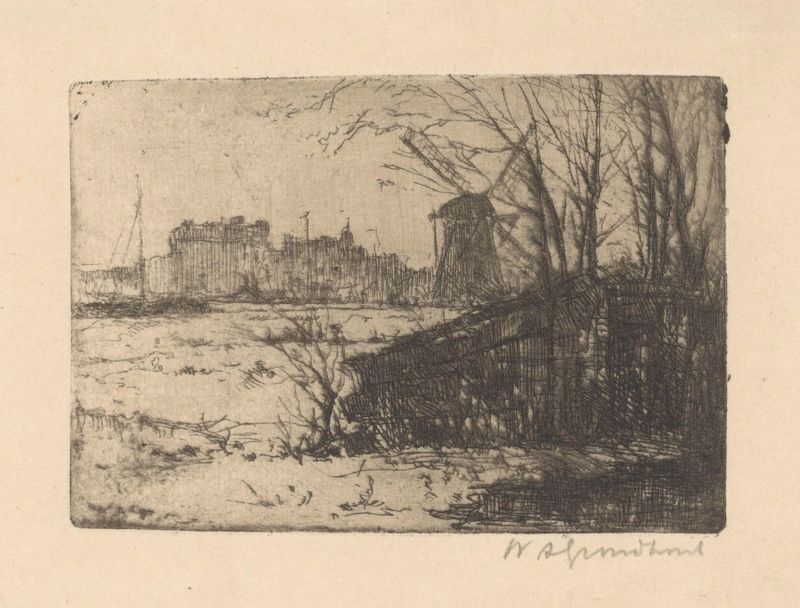
Landschap met molen in de Binckhorst in Den Haag
Willem Adrianus Grondhout
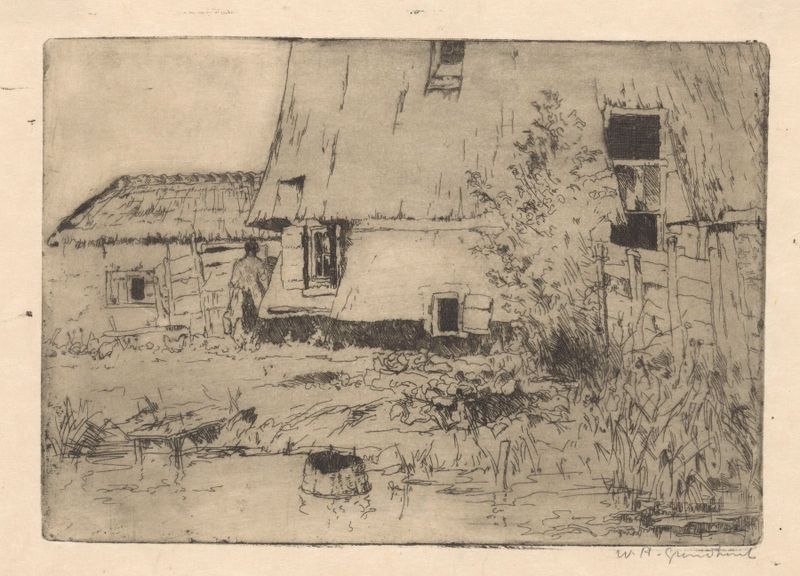
Voet van een molen in Voorburg
Willem Adrianus Grondhout
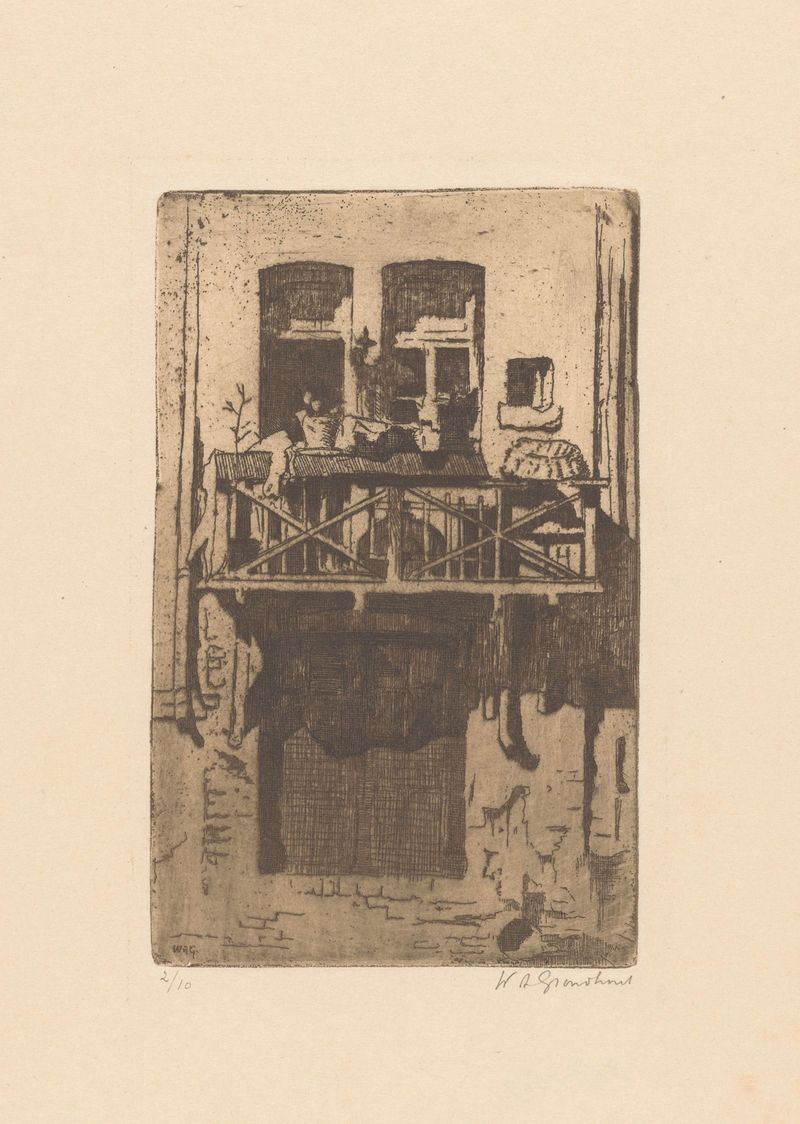
Balkon van een huis aan de Oudezijds Kolk in Amsterdam
Willem Adrianus Grondhout
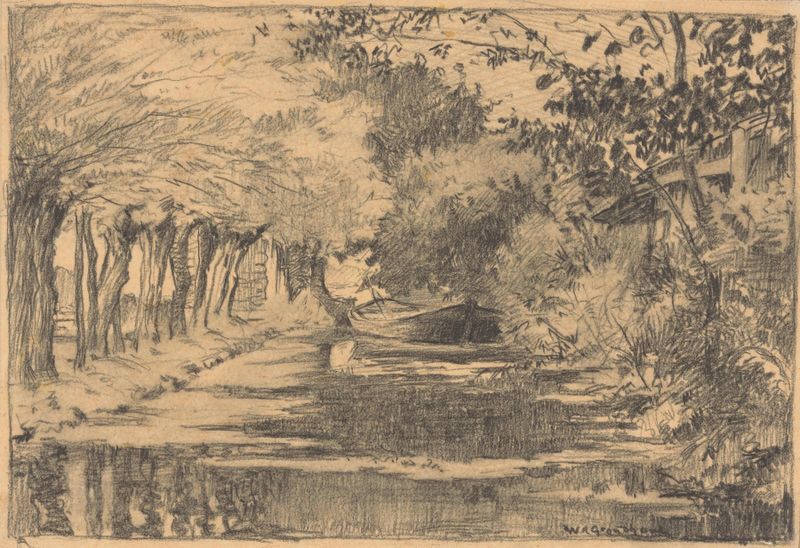
Broeksloot bij Voorburg
Willem Adrianus Grondhout
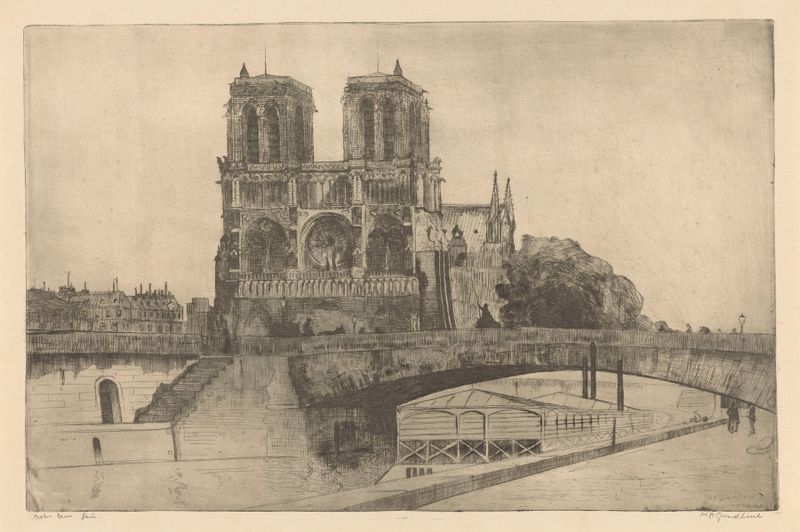
Notre-Dame, Paris
Willem Adrianus Grondhout
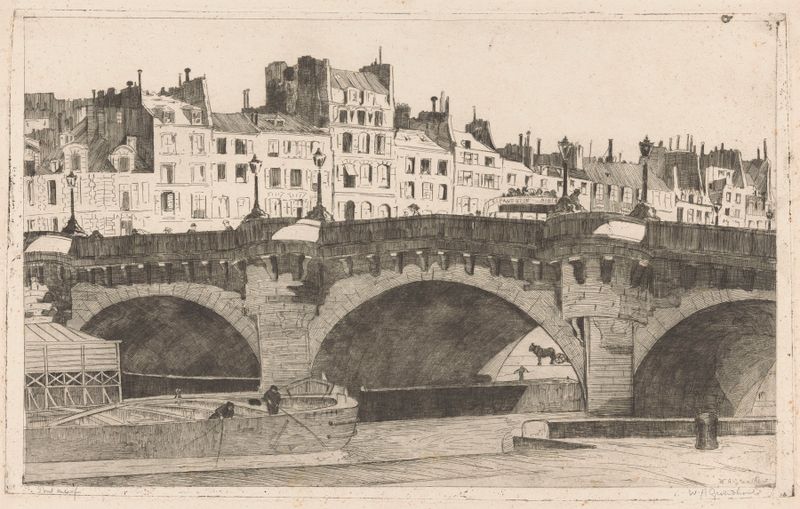
Pont Neuf
Willem Adrianus Grondhout
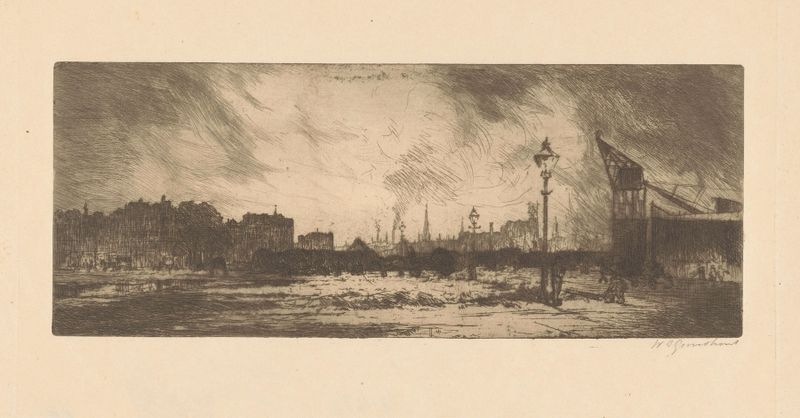
Havenkade met lantaarnpalen in Rotterdam
Willem Adrianus Grondhout
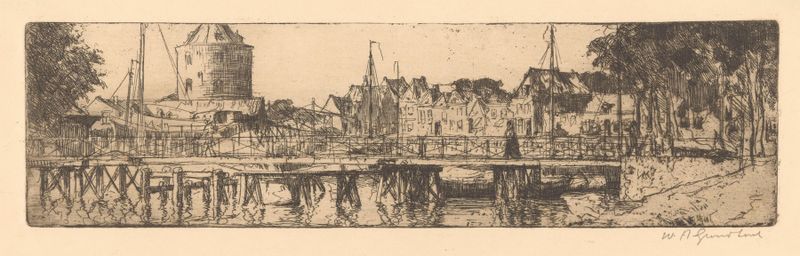
Enkhuizen
Willem Adrianus Grondhout
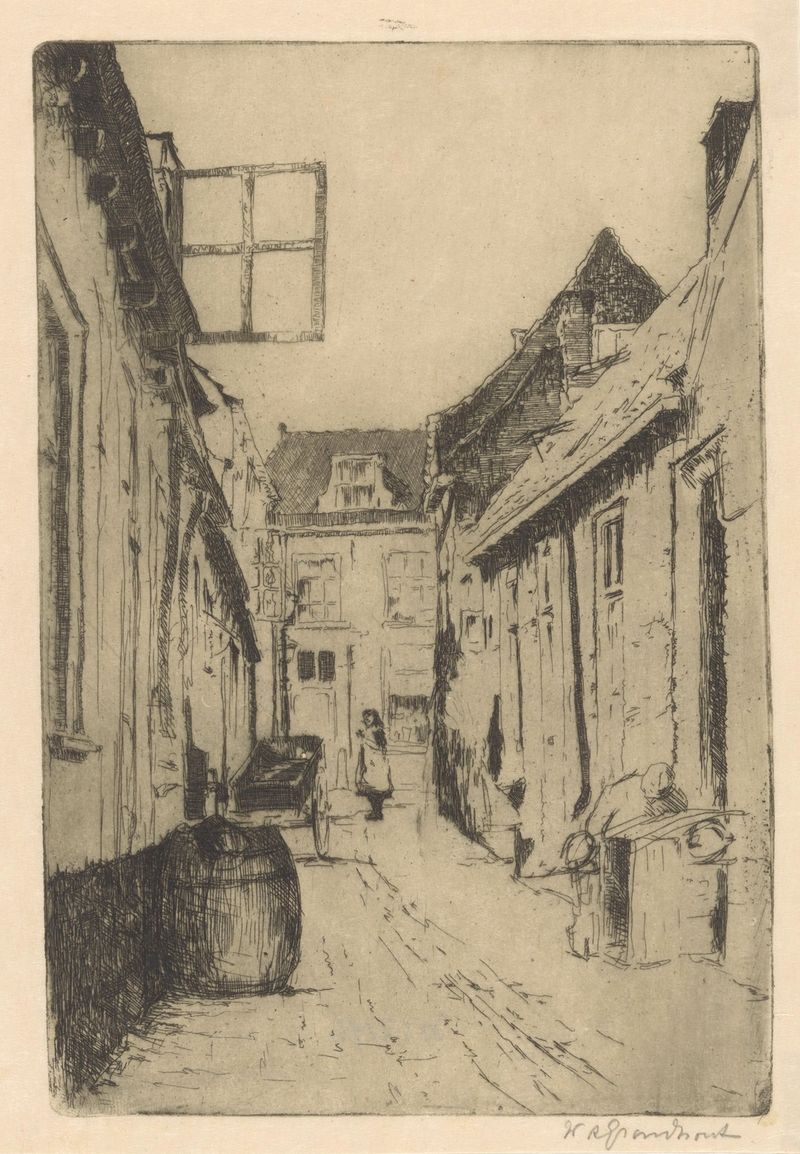
Straatje in Voorburg.
Willem Adrianus Grondhout
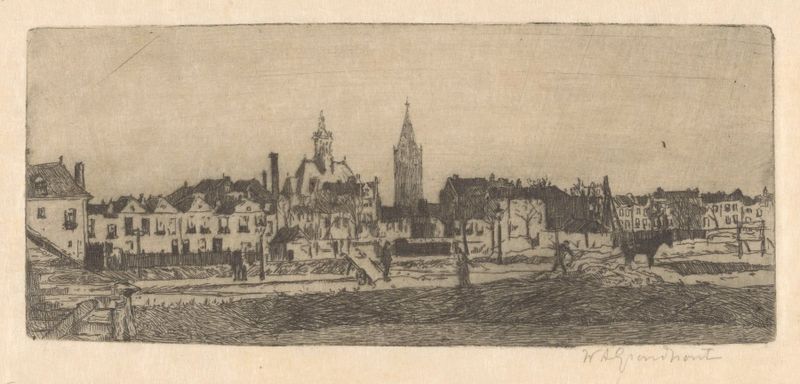
Delft
Willem Adrianus Grondhout





