
Equestrian Portrait of Cornelis (1639–1680) and Michiel Pompe van Meerdervoort (1638–1653) with Their Tutor and Coachman ("Starting for the Hunt") — History & Facts
What draws the eye first is the vivid contrast between the two young riders, resplendent in scarlet and blue, and the calm assurance with which they hold their mounts. Their faces, grave yet intent, suggest a moment of anticipation before the hunt begins—a rite of passage more than a mere outing. The painter, Aelbert Cuyp, uses the golden light of the low sky to bathe the scene in a sense of early morning promise, while the ruined tower behind them hints at a world of inherited tradition and fading feudal grandeur.
Every detail, from the careful placement of the dogs to the attentive stance of the coachman, is arranged to emphasize the poised transition from youth to adulthood, and from leisure to responsibility. This is a portrait of a world in flux, painted in the Dutch Republic around 1652, when the genre of equestrian portraiture was expanding beyond the confines of courtly circles. Here, the sitters are not princes or generals, but members of a prosperous family, accompanied by their tutor and coachman—a telling sign of the rising status of the Dutch bourgeoisie. Such works were commissioned to celebrate lineage, education, and the privileges of landed wealth, capturing a moment when civic pride and private ambition were reshaping the visual language of power.
Now held by the Metropolitan Museum of Art, this painting stands as an early example of how art could immortalize not just rulers, but those who aspired to their dignity. The next time you look, follow the line of the riding crop or the attentive gaze of the dogs, and consider how every figure is both participant and witness in this carefully staged tableau.
More Artworks by Aelbert Cuyp

The Maas at Dordrecht
Aelbert Cuyp
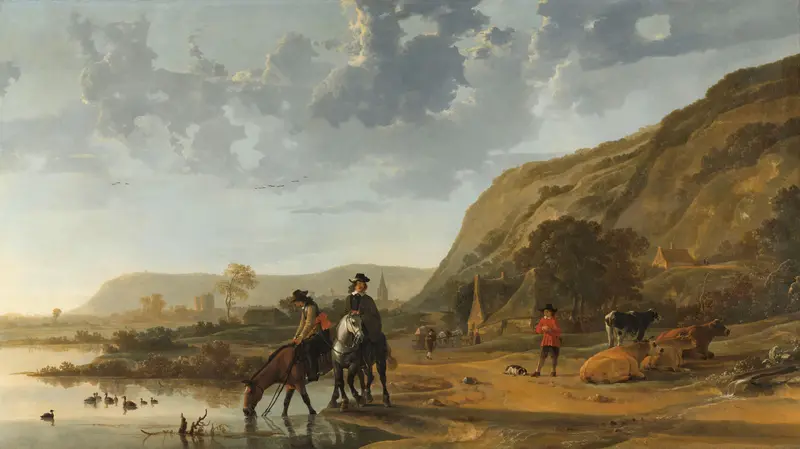
River Landscape with Riders
Aelbert Cuyp

The Maas at Dordrecht
Aelbert Cuyp
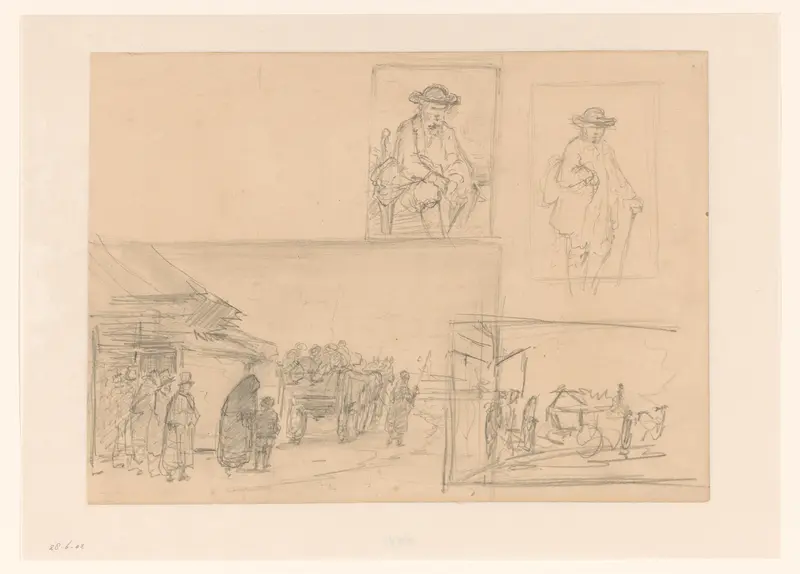
Gezicht op Dordrecht
Aelbert Cuyp
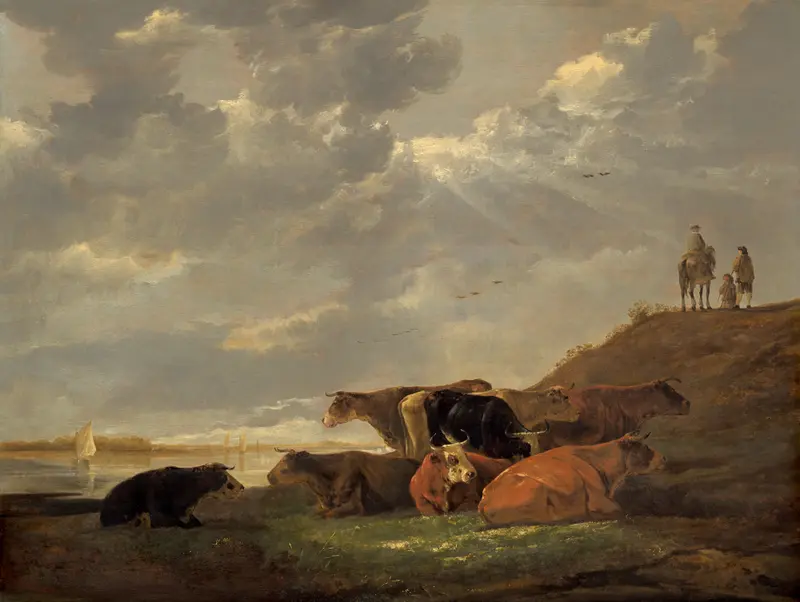
River Landscape with Cows
Aelbert Cuyp
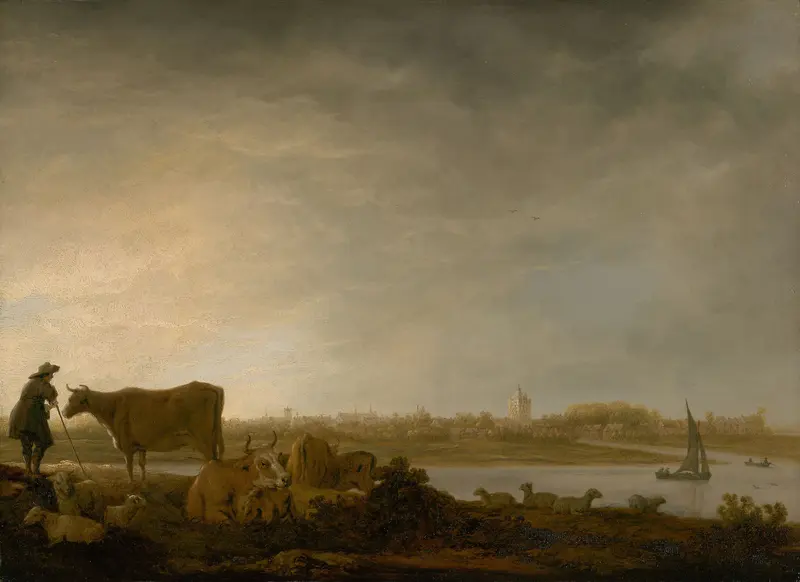
A View of Vianen with a Herdsman and Cattle by a River
Aelbert Cuyp
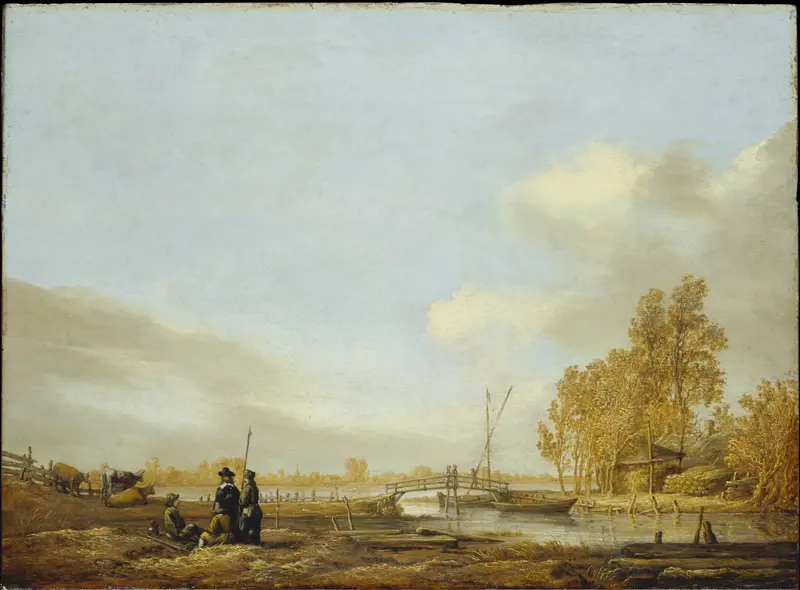
River Landscape with Footbridge
Aelbert Cuyp
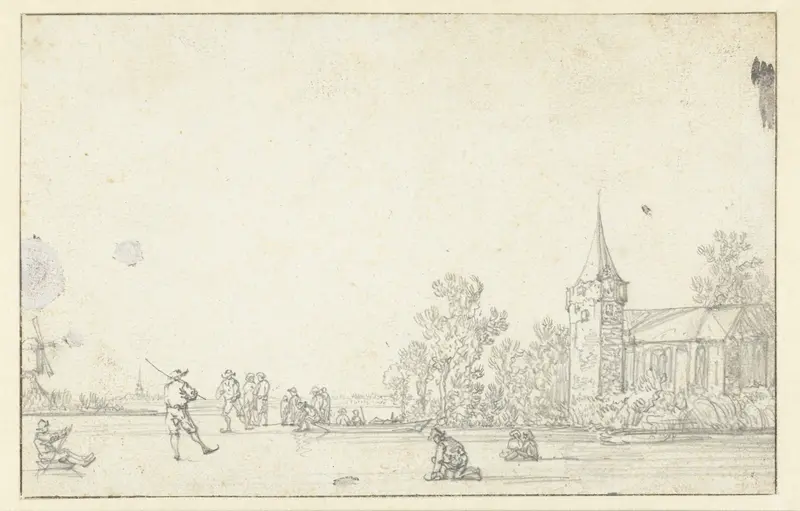
Bevroren rivier met schaatsers bij een kerk
Aelbert Cuyp

Cattle near a River
Aelbert Cuyp
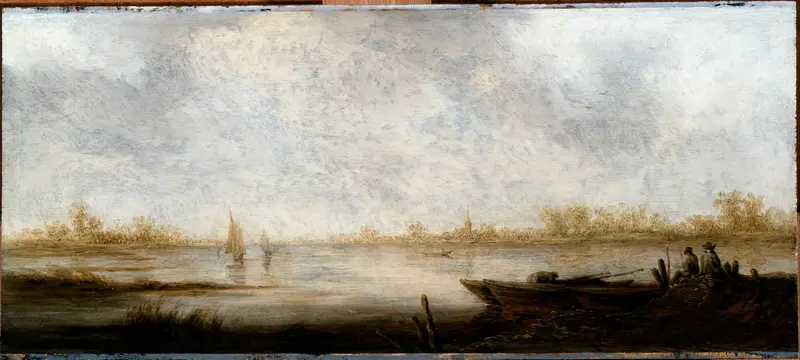
River Landscape
Aelbert Cuyp





