
Eros vanné — History & Facts
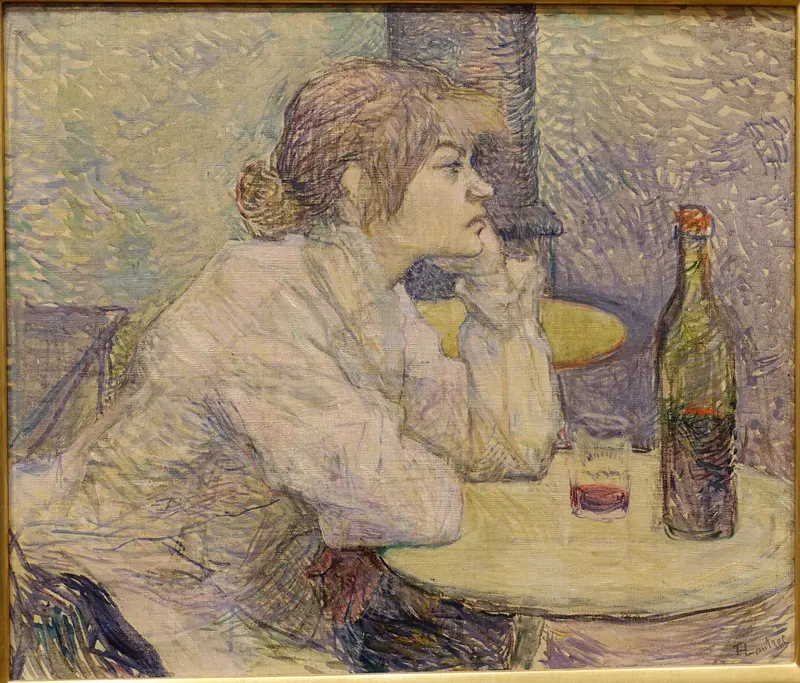
In Eros vanné, Henri de Toulouse-Lautrec presents a vibrant scene filled with dynamic figures. The colors are rich and varied, with deep reds, greens, and blues that create a lively atmosphere. The central figure, possibly Eros, is depicted in a playful pose, surrounded by other mythological characters.
The setting appears to be an idealized landscape, enhancing the fantastical nature of the scene. The painting is executed in oil on canvas, showcasing Toulouse-Lautrec's characteristic brushwork. The dimensions are approximately 70 x 100 cm, making it a sizable piece that draws the viewer's attention. The use of color and form reflects the Post-Impressionist style, emphasizing emotion and movement over strict realism.
This technique allows for a sense of immediacy and engagement with the subject matter. Henri de Toulouse-Lautrec is best known for his depictions of Parisian nightlife, but Eros vanné reveals his interest in mythological themes. This work, created in the 1890s, showcases his ability to blend classical subjects with modern techniques. An interesting fact about this painting is that it reflects the artist's exploration of love and desire, common themes in both his life and work.
It stands as a unique example of his versatility beyond the cabaret scenes he is often associated with.
More Artworks by Henri de Toulouse-Lautrec
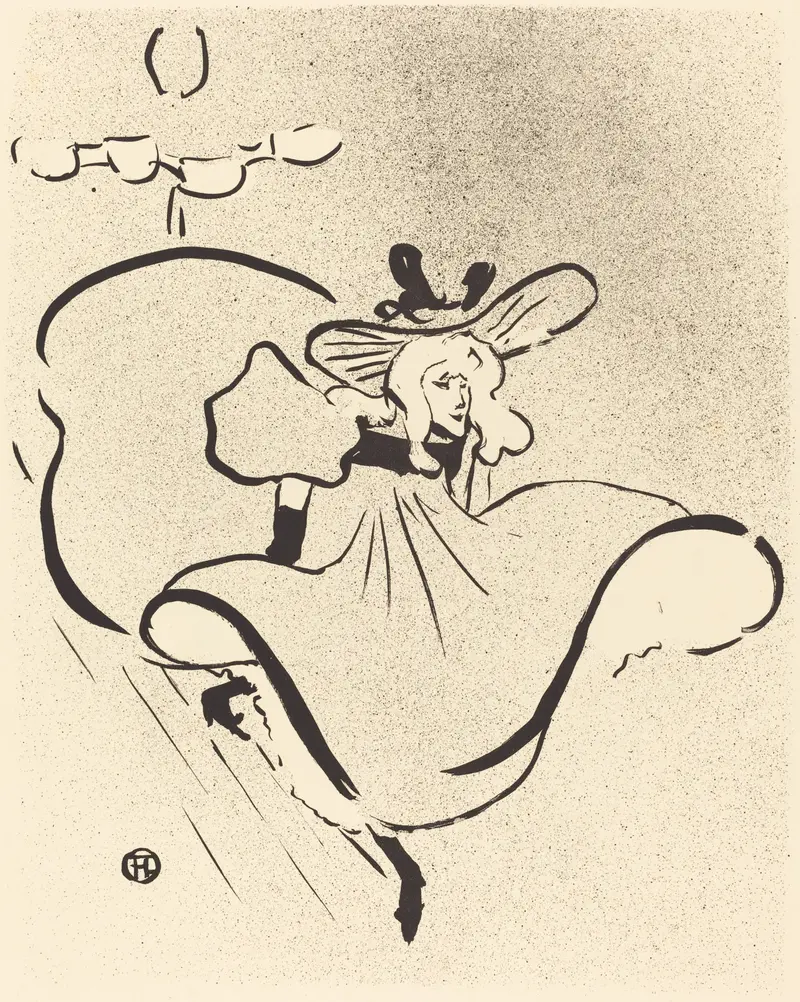
Jane Avril
Henri de Toulouse-Lautrec
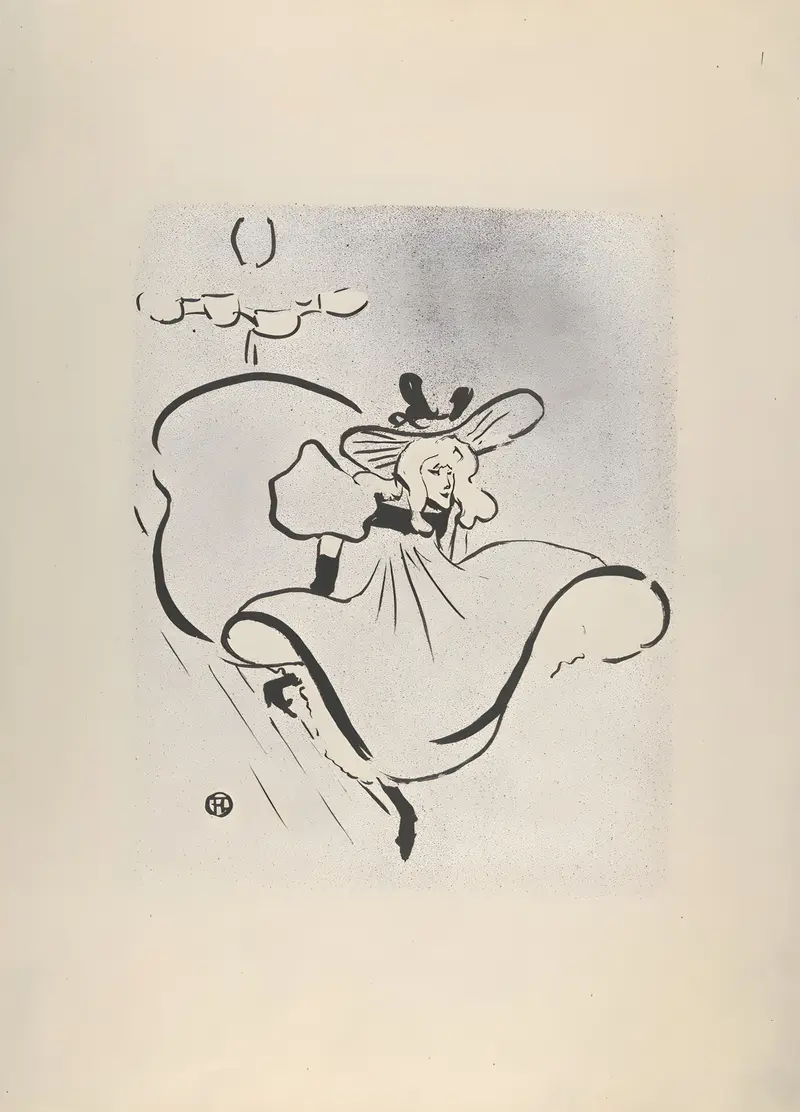
Jane Avril.
Henri de Toulouse-Lautrec

Quadrille at the Moulin Rouge
Henri de Toulouse-Lautrec
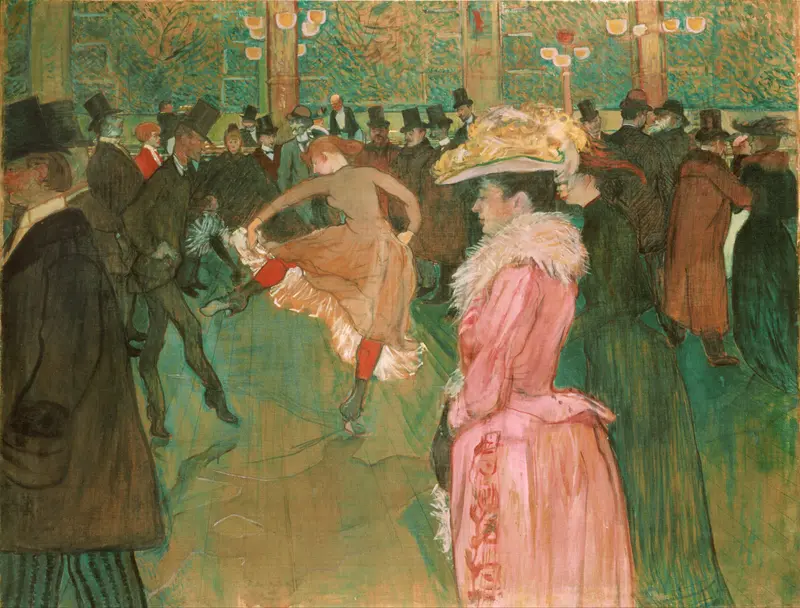
At the Moulin Rouge- The Dance
Henri de Toulouse-Lautrec
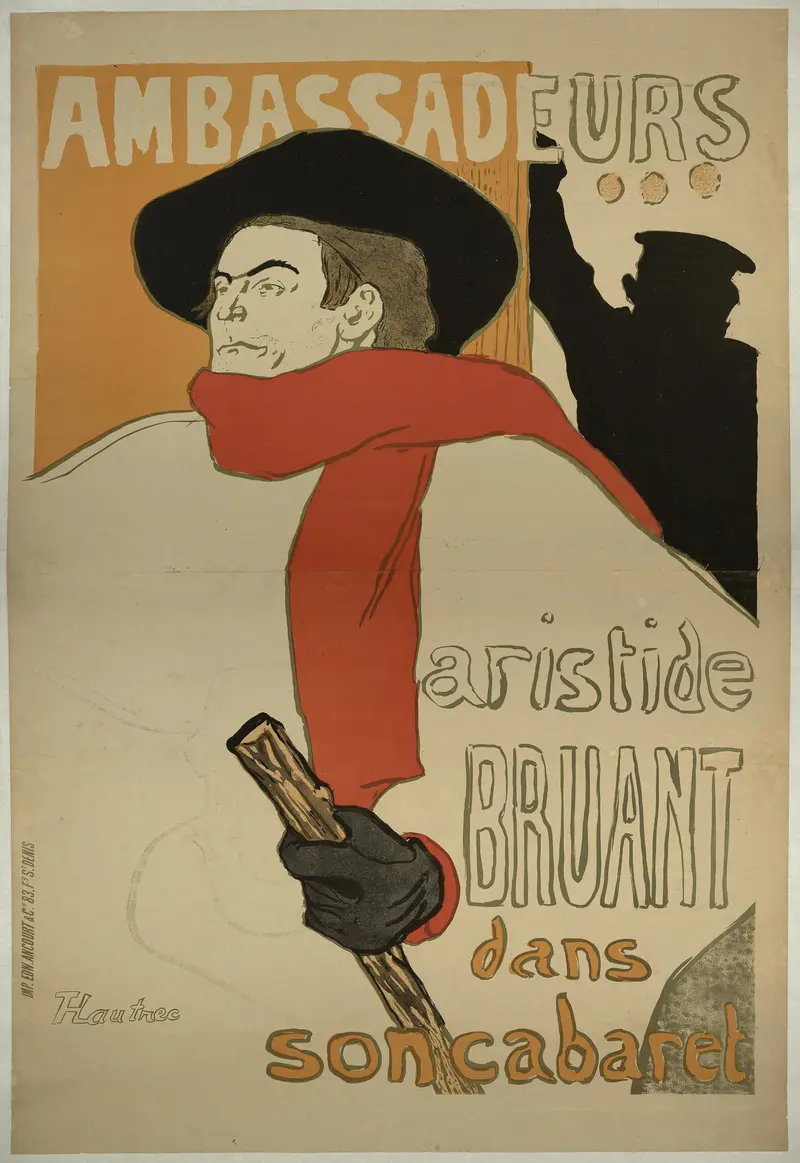
Ambassadeurs. Aristide Bruant dans son cabaret
Henri de Toulouse-Lautrec
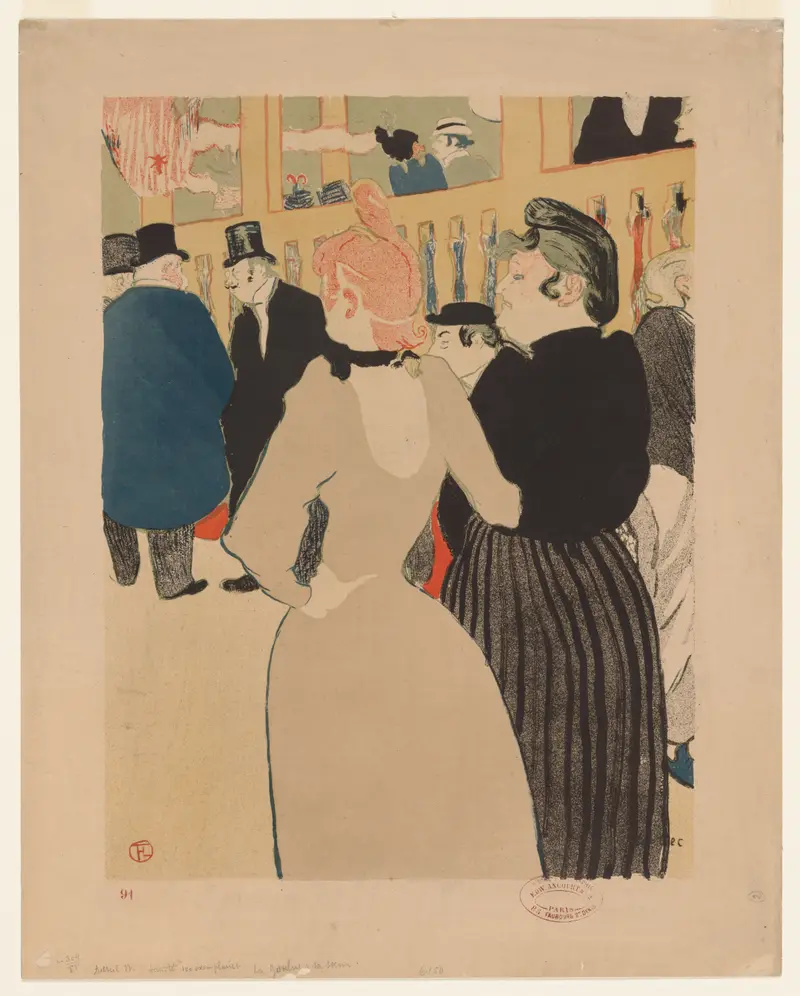
At the Moulin Rouge; La Goulue and Her Sister
Henri de Toulouse-Lautrec
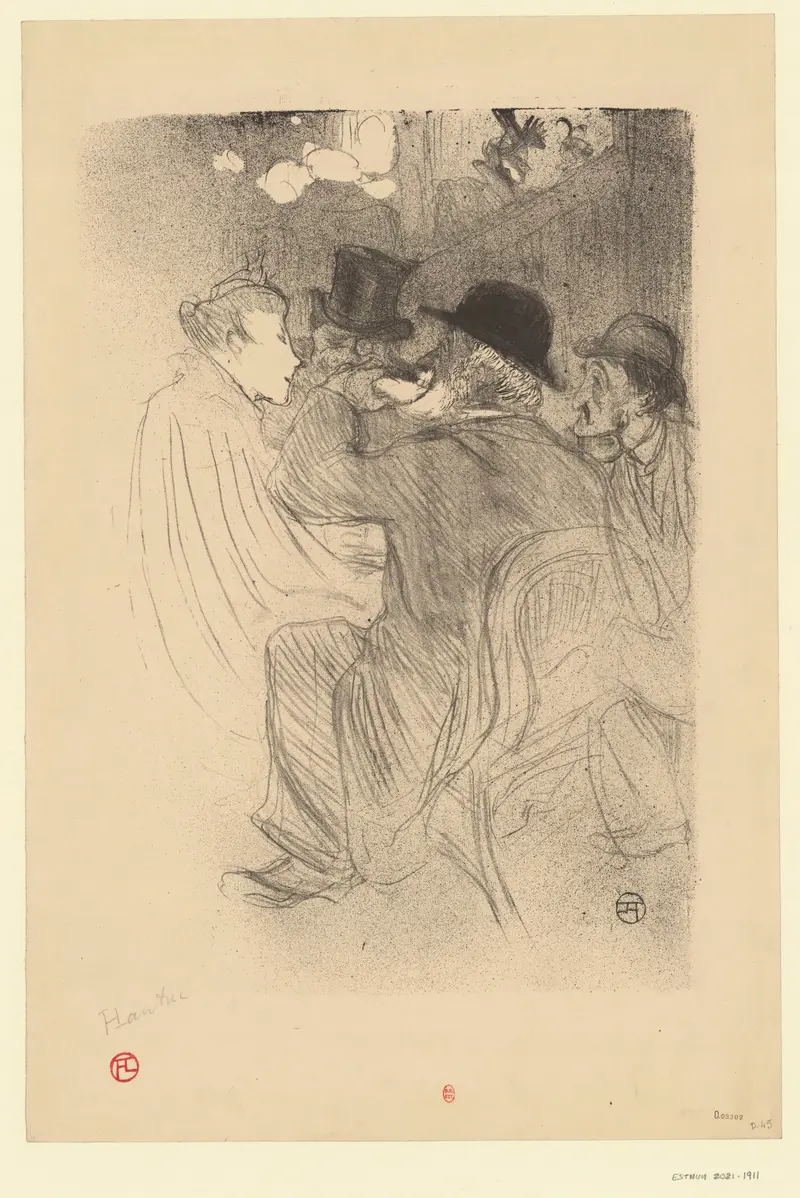
Au Moulin Rouge;Un Rude! Un Vrai Rude!
Henri de Toulouse-Lautrec
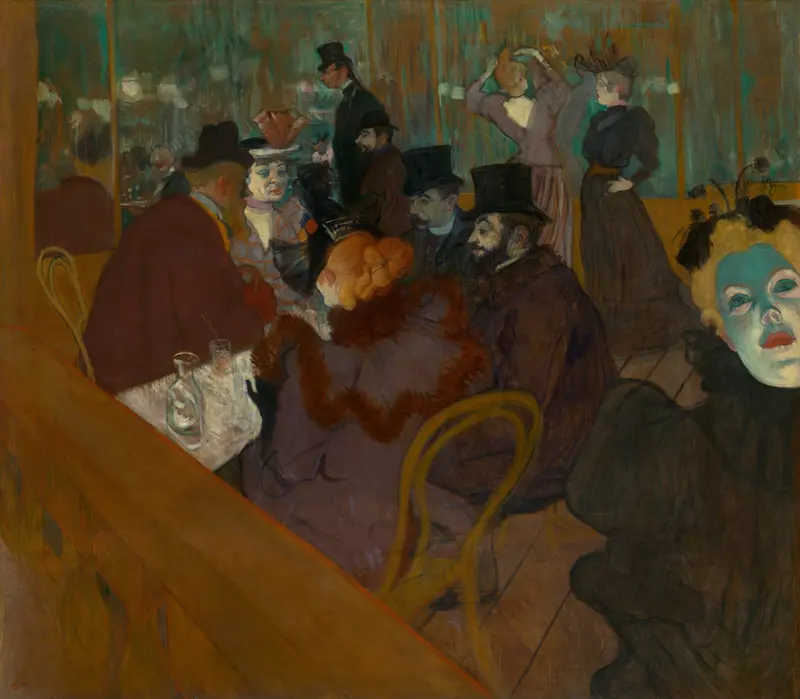
At the Moulin Rouge
Henri de Toulouse-Lautrec
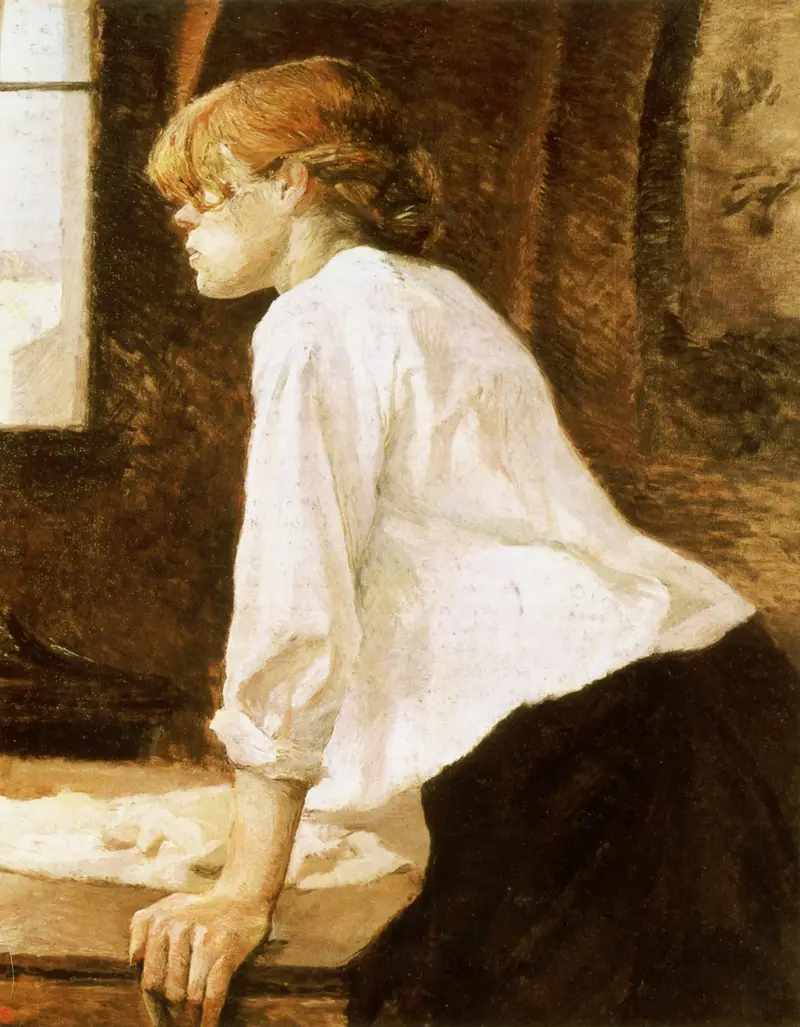
La Blanchisseuse
Henri de Toulouse-Lautrec
The Hangover (Suzanne Valadon)
Henri de Toulouse-Lautrec





