
Erythraean Sibyl and arched window with a view — History & Facts
The identity of the Erythraean Sibyl was shrouded in mystery even in her own time, but Jan van Eyck’s Erythraean Sibyl and arched window with a view stands out for another reason: it is one of the very few known representations of this ancient prophetess in Northern European painting before the Italian Renaissance made Sibyls fashionable. While the Erythraean Sibyl was often associated with the prediction of the Trojan War and even the coming of Christ, van Eyck’s painting, dated to 1432, predates Michelangelo’s famed Sibyls in the Sistine Chapel by nearly a century. The work’s medium remains uncertain, adding to its aura of enigma and prompting ongoing technical investigation. Van Eyck chooses a moment of revelation: the Sibyl, seated at the threshold of an arched window, gazes outward as if beholding a vision.
In her hand, she holds a scroll, the ancient symbol of prophecy, inscribed with words that have faded over time. The arched window behind her opens onto a luminous landscape, a device van Eyck often used to suggest the world beyond the immediate, and perhaps the breadth of the Sibyl’s foresight. Her richly embroidered robe, rendered in minute detail, signals both her wisdom and her status.
Unlike the more muscular, dramatic Sibyls of Michelangelo, van Eyck’s prophetess is calm, introspective, and grounded in the tangible world—a reflection of the Northern approach to sacred subjects. The provenance of Erythraean Sibyl and arched window with a view is uncertain, as is typical for many early Netherlandish works. No contemporary records of a patron survive, and it is unclear whether this painting was intended as part of a larger altarpiece or as a standalone devotional image. Over the centuries, it has been attributed to various members of the van Eyck workshop, but technical analysis of the underdrawing and the characteristic handling of light have reinforced the attribution to Jan van Eyck himself.
Today, the painting is recognized as a rare and significant example of early 15th-century interest in classical prophecy, and it remains a highlight of the online gallery’s collection.
More Artworks by Jan van Eyck

Adam
Jan van Eyck
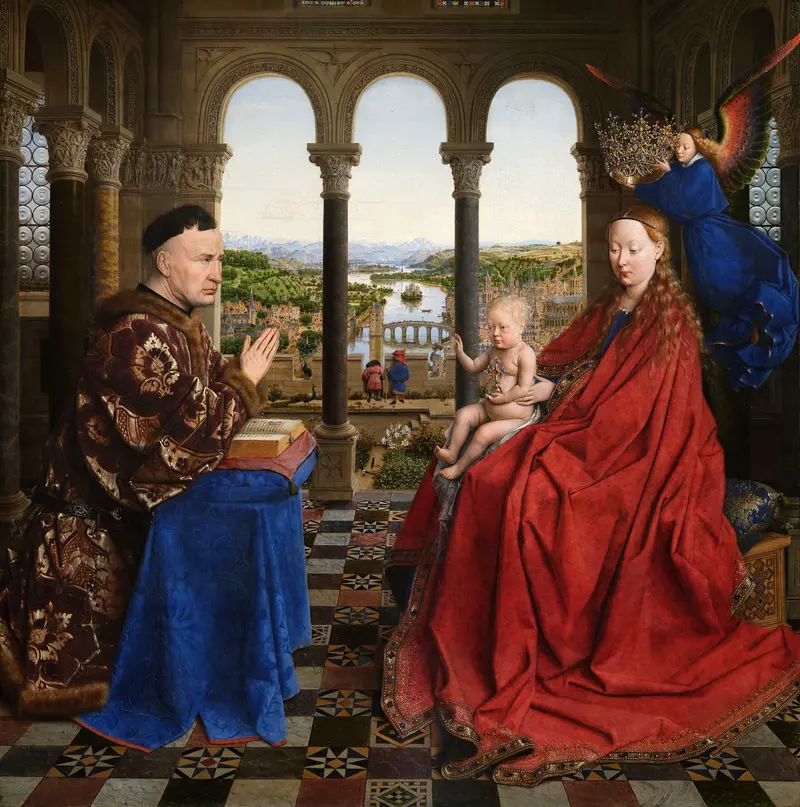
Madonna of Chancellor Rolin
Jan van Eyck
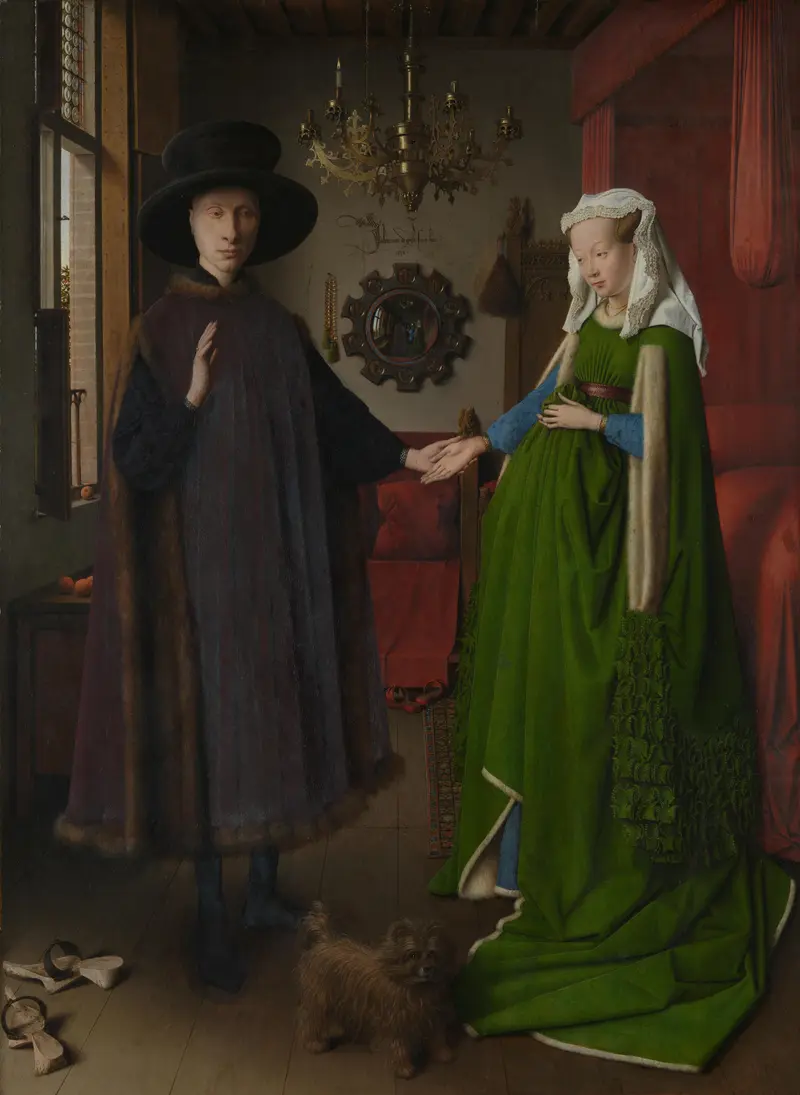
The Arnolfini Portrait
Jan van Eyck
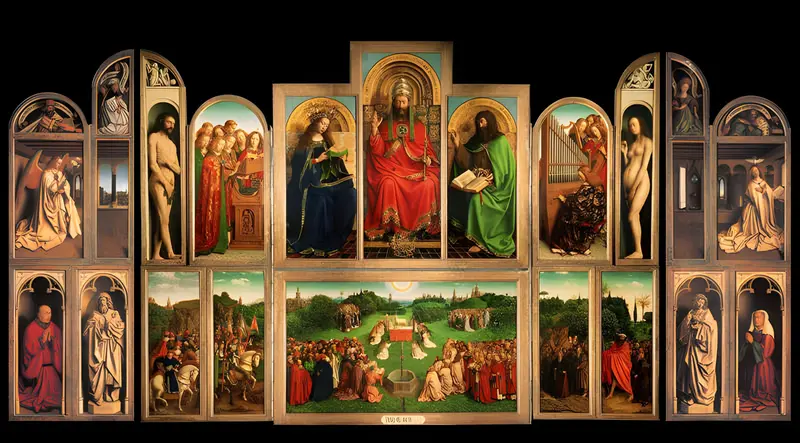
Ghent Altarpiece
Jan van Eyck

Dresden Triptych
Jan van Eyck
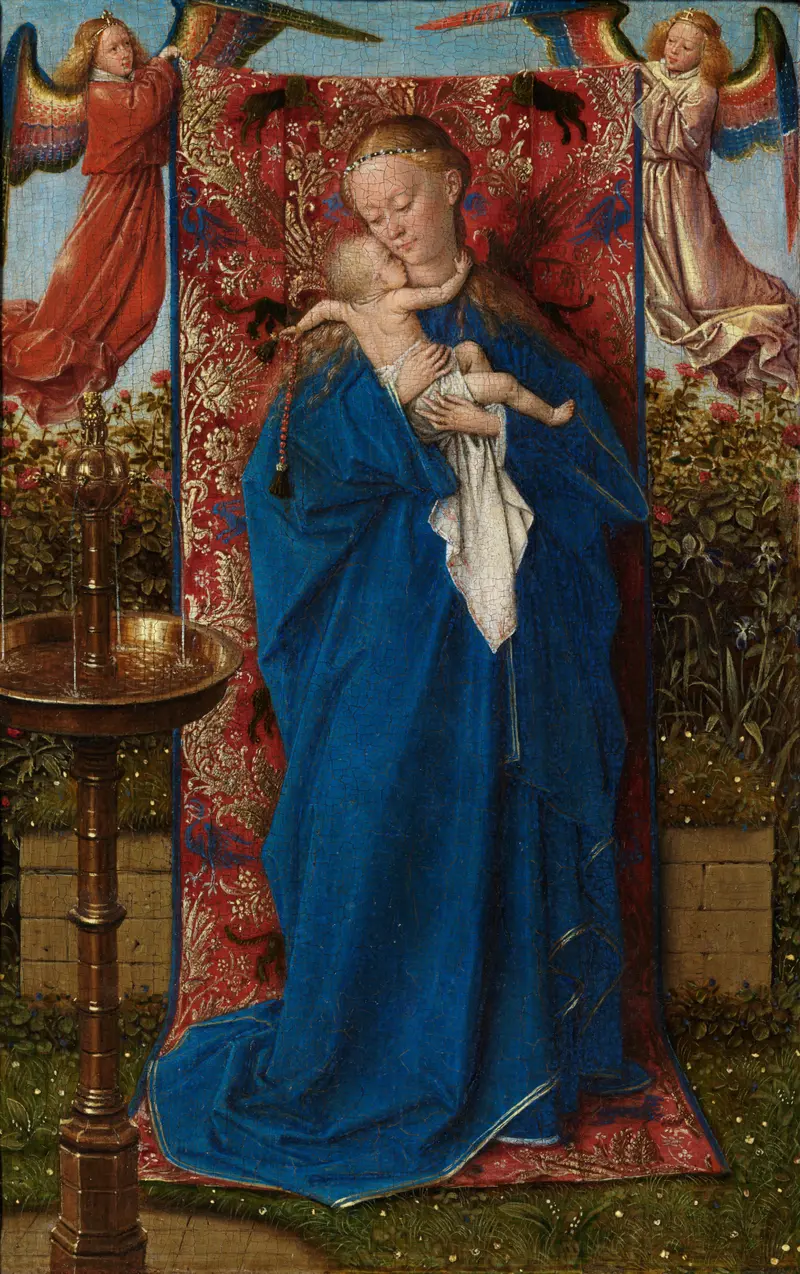
Madonna at the Fountain
Jan van Eyck

Madonna with Canon Joris van der Paele
Jan van Eyck

Prophet Zacharias; Angel of The Annunciation
Jan van Eyck
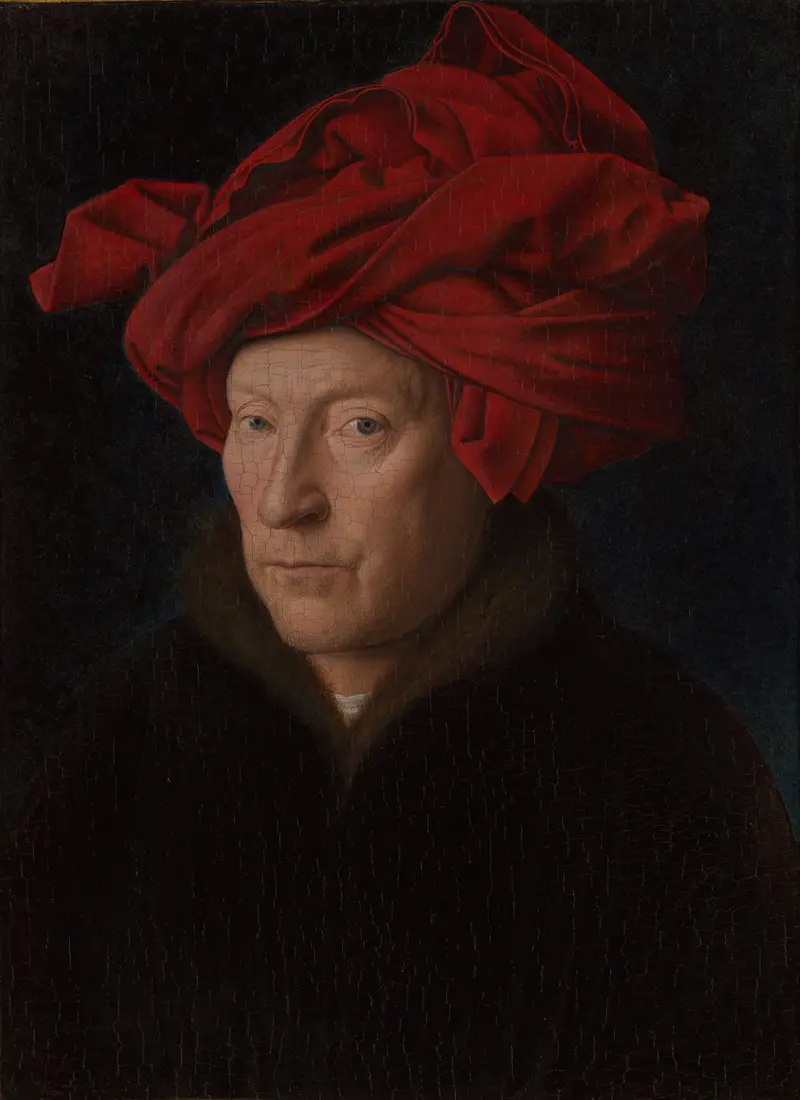
Portrait of a Man (Self Portrait?)
Jan van Eyck
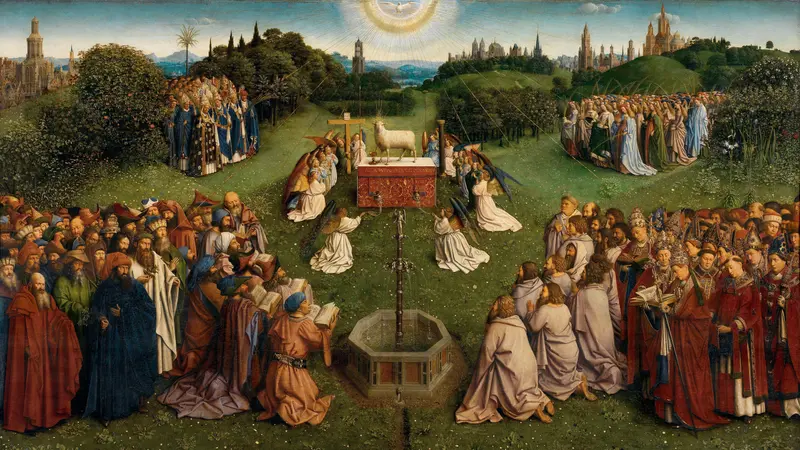
Adoration of the Lamb from the Ghent Altarpiece
Jan van Eyck





