
Esquisse du "Radeau de la Méduse". — History & Facts
On July 2, 1816, the French frigate Méduse ran aground off the coast of Senegal, setting in motion a disaster that would horrify Europe. Of the 147 people abandoned on a makeshift raft, only 15 survived after nearly two weeks adrift—enduring starvation, exposure, and even cannibalism. This tragedy, a scandal for the restored Bourbon monarchy, electrified the public and inspired Théodore Géricault to create not just his monumental The Raft of the Medusa, but also a series of preparatory works, including this Esquisse du "Radeau de la Méduse".
The raw immediacy of the sketch reveals Géricault’s obsession with the event’s human cost, and his determination to confront his audience with the realities of suffering and survival. Here, Géricault captures the desperate moment when the survivors first glimpse a distant sail—hope flickering amid despair. The figures, some collapsed, some straining skyward, form a pyramid of bodies atop the battered raft, their gestures and gazes leading the eye to the horizon. The tangled limbs and contorted poses are not random: each is carefully studied from life, echoing the artist’s visits to morgues and hospitals to understand the effects of exhaustion and death.
The storm-dark sea and sky press down, amplifying the sense of isolation, while the faint light on the horizon suggests salvation just out of reach. Compared to the calm heroism of David’s Oath of the Horatii, Géricault’s vision is unflinching, chaotic, and deeply modern. The exact medium of this esquisse is uncertain, but its loose, energetic handling suggests oil on canvas or panel, a favored method for capturing ideas quickly. As a preparatory work, it was never meant for public display, but rather as a tool for Géricault to refine his composition for the final painting, now in the Louvre.
The sketch's survival offers a rare glimpse into the artist’s process at a pivotal moment in his short career, as he broke with Neoclassical conventions and helped lay the groundwork for Romanticism. Today, works like this are prized not only for their connection to one of the 19th century’s most famous paintings, but also for their raw honesty and experimental spirit.
More Artworks by Théodore Géricault
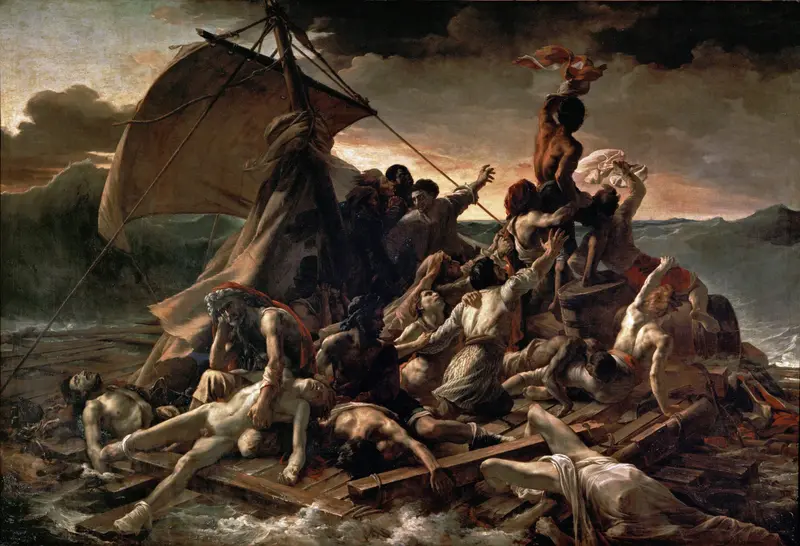
The Raft of the Medusa
Théodore Géricault

Géricault - Le naufrage du radeau de la Méduse, MBA 790
Théodore Géricault
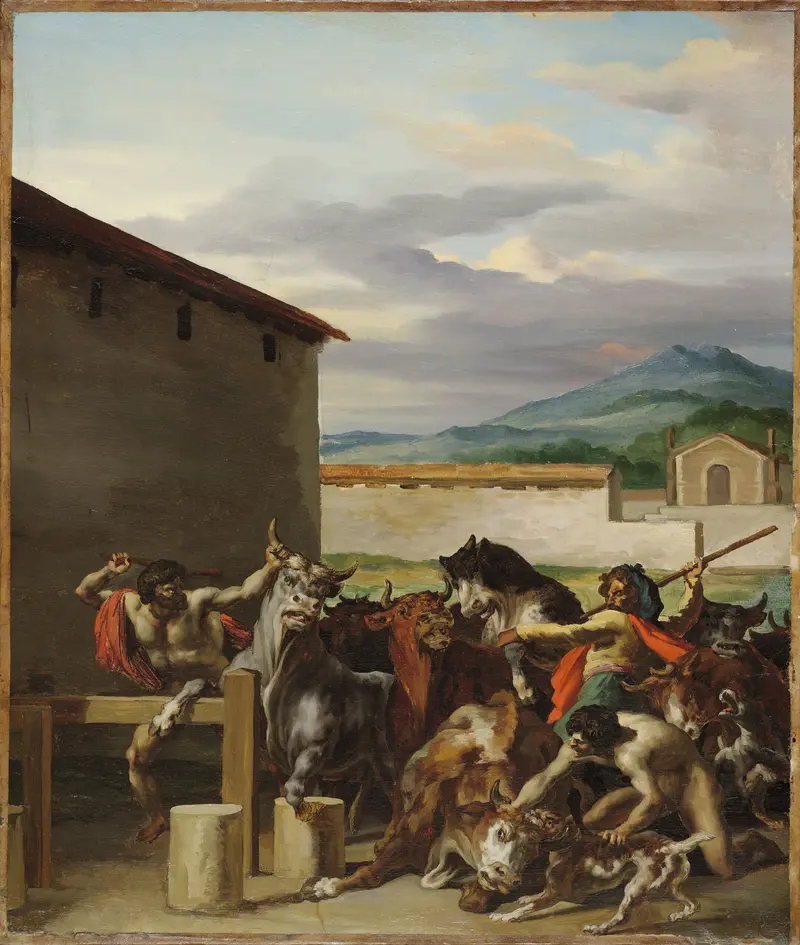
Cattle Market
Théodore Géricault
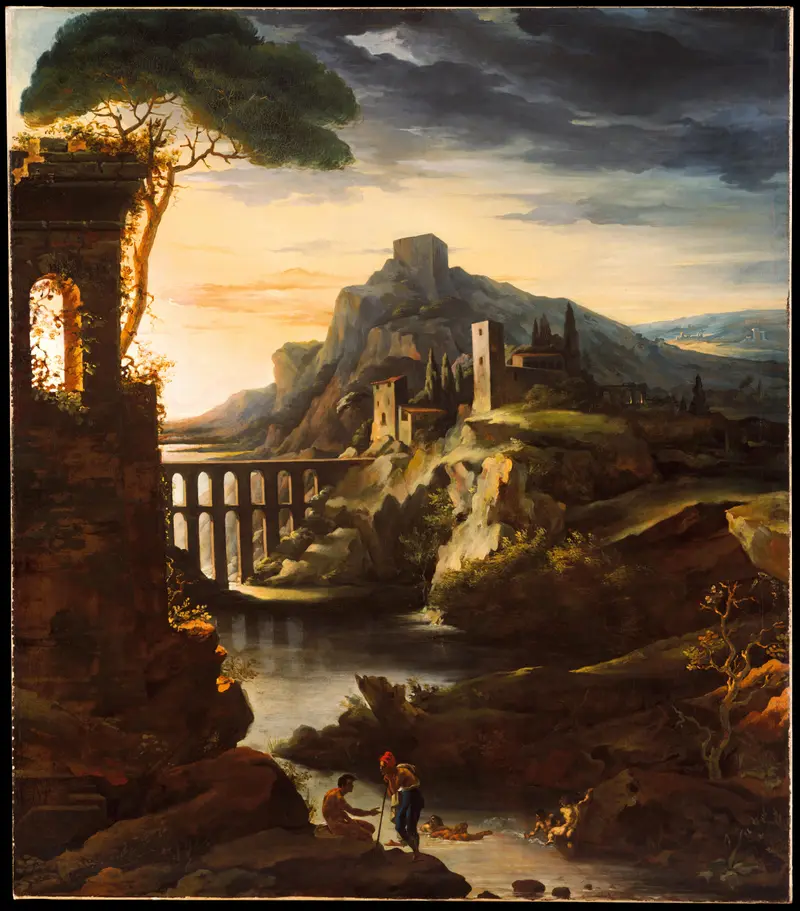
Evening; Landscape with an Aqueduct
Théodore Géricault
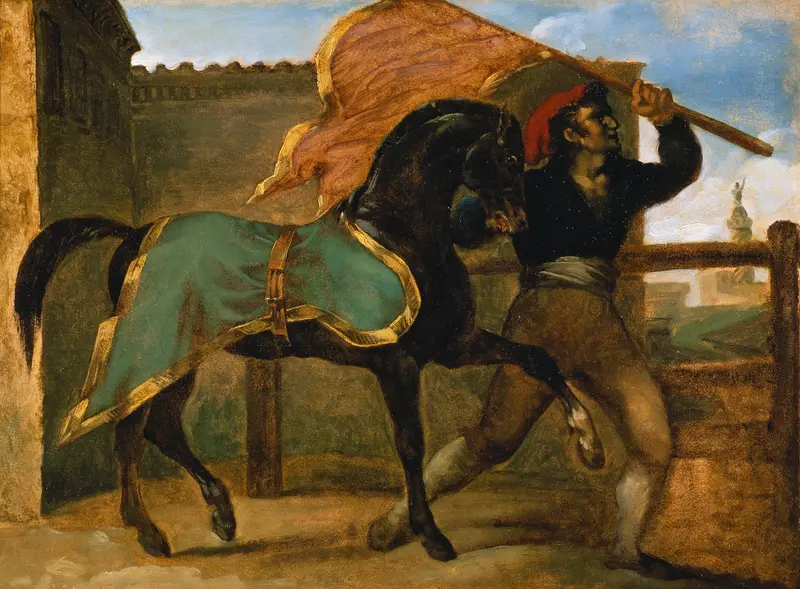
Horse Race
Théodore Géricault

Horses Standing in a Mews
Théodore Géricault
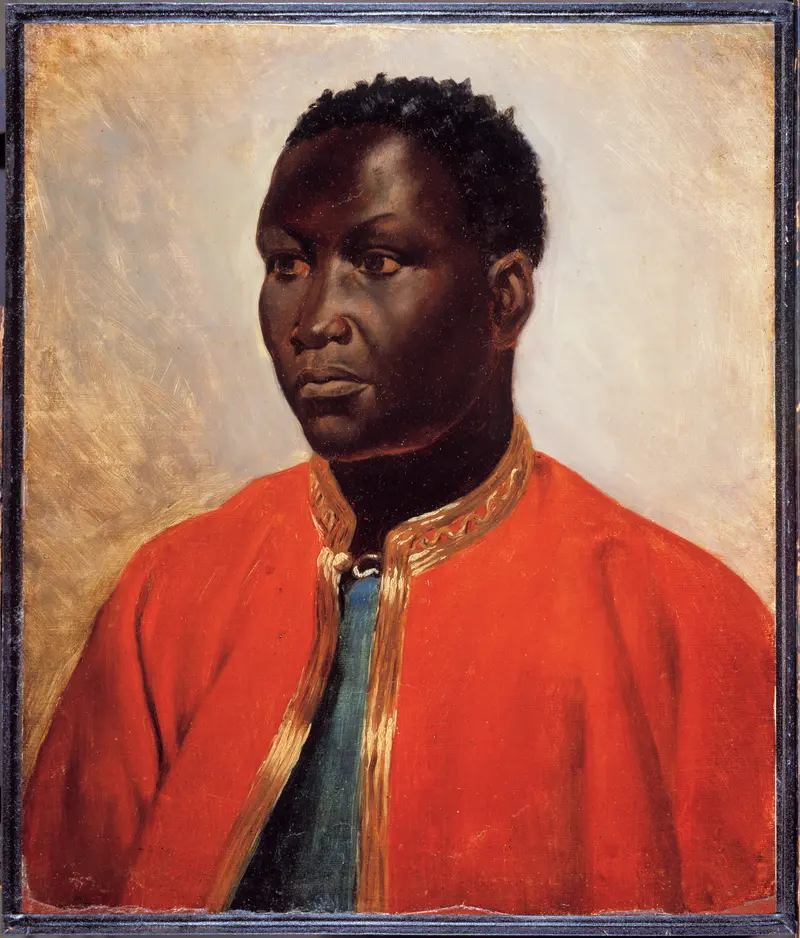
Portrait of a Negro
Théodore Géricault
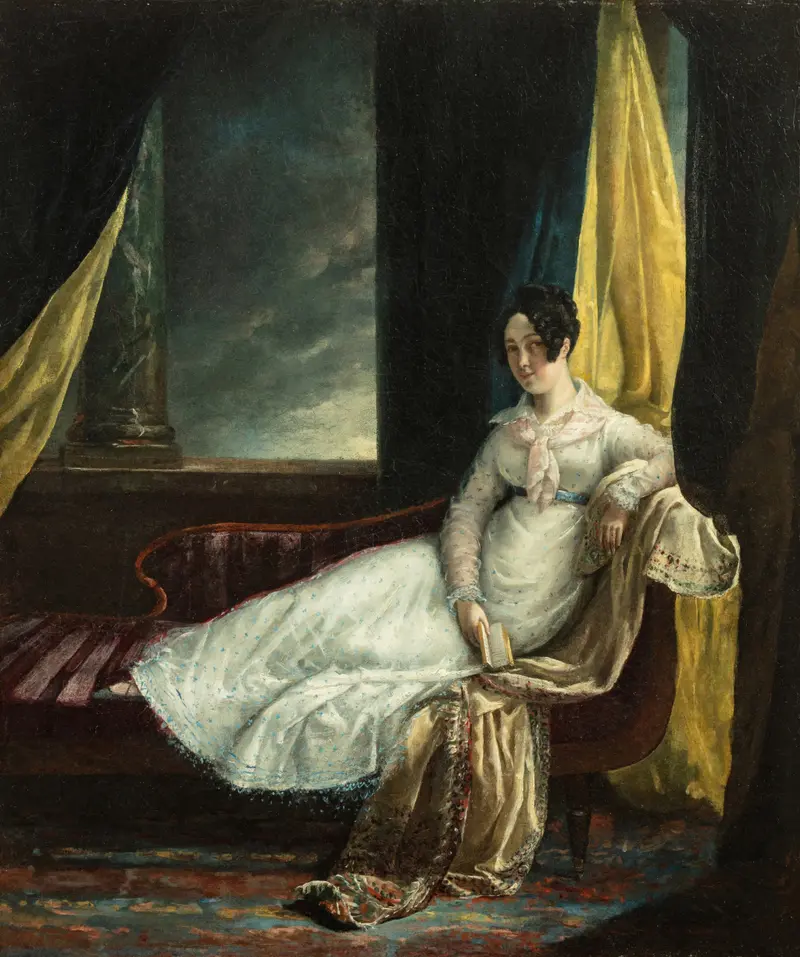
Portrait of Zoë Elmore
Théodore Géricault
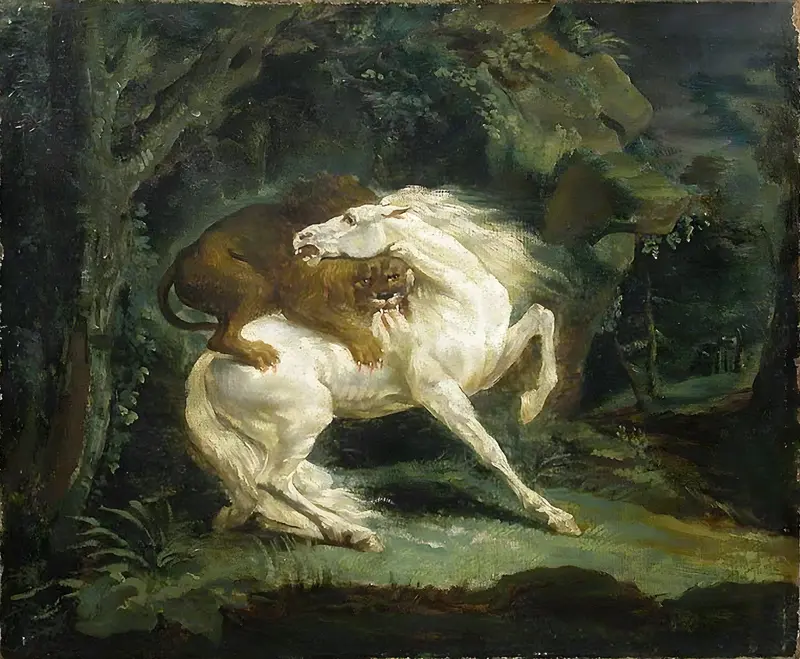
Cheval attaqué par un lion
Théodore Géricault
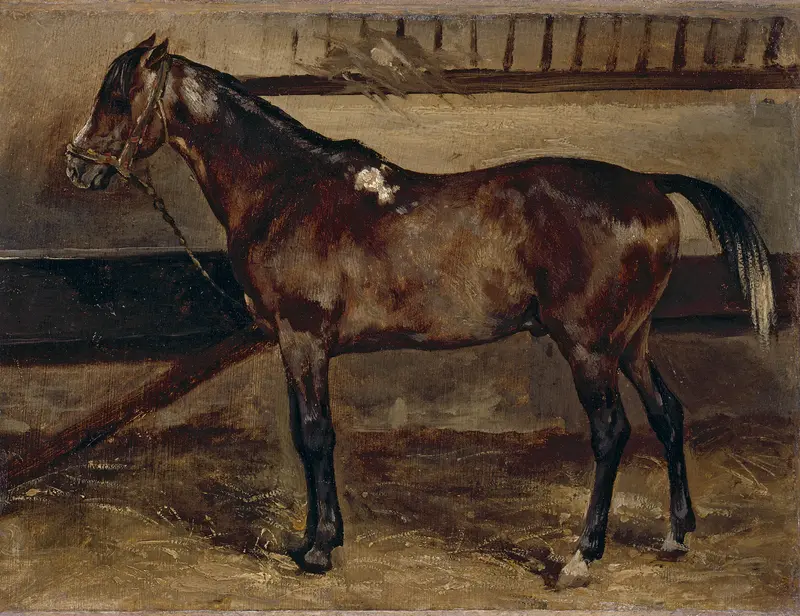
Cheval brun à l'écurie
Théodore Géricault




