
Horse Race — History & Facts
When Théodore Géricault exhibited Horse Race in 1817 at the Paris Salon, it marked one of the earliest attempts in French painting to capture the energy of English-style horse racing—a spectacle that had only recently arrived in France. The painting was inspired by the first races held at the Champ de Mars in Paris in 1816, events that fascinated Parisians and drew crowds eager for a taste of British sporting culture. Géricault, still in his twenties, was himself a passionate rider and frequented these races, sketching furiously from the sidelines.
His fascination with equestrian subjects would become a hallmark of his career. In Horse Race, Géricault freezes the moment as the horses surge forward, muscles taut and nostrils flaring, riders hunched low in their saddles. The composition is charged with motion: the horses’ hooves barely touch the ground, while the riders’ brightly colored silks flash against a stormy sky. The artist’s choice to crop the scene tightly, focusing on the leading pack, creates a sense of immediacy and risk—one can almost hear the pounding hooves and shouts from the crowd.
Unlike the more static equestrian portraits of Jacques-Louis David, Géricault’s scene is alive with tension and unpredictability, emphasizing the raw power and danger of the sport. The exact provenance of Horse Race is not fully documented, and its medium remains uncertain, though it is typically associated with oil on canvas. The painting is often discussed as a precursor to Géricault’s later masterpiece, The Raft of the Medusa, where his interest in movement and dramatic composition reaches its peak. While Horse Race does not have a well-known patron or a storied journey through collections, it stands as an important early work in the artist’s exploration of modern life and sporting subjects.
Today, it is appreciated as a vivid testament to Géricault’s fascination with speed, risk, and the spectacle of contemporary events.
More Artworks by Théodore Géricault
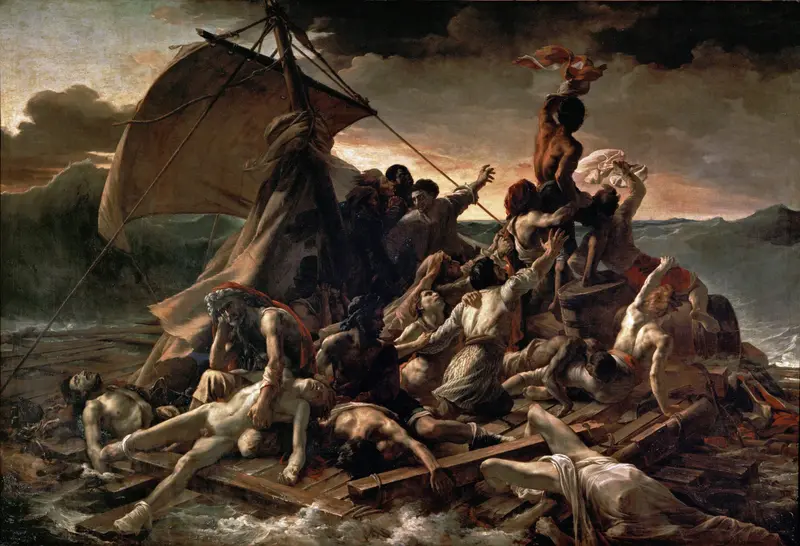
The Raft of the Medusa
Théodore Géricault

Géricault - Le naufrage du radeau de la Méduse, MBA 790
Théodore Géricault
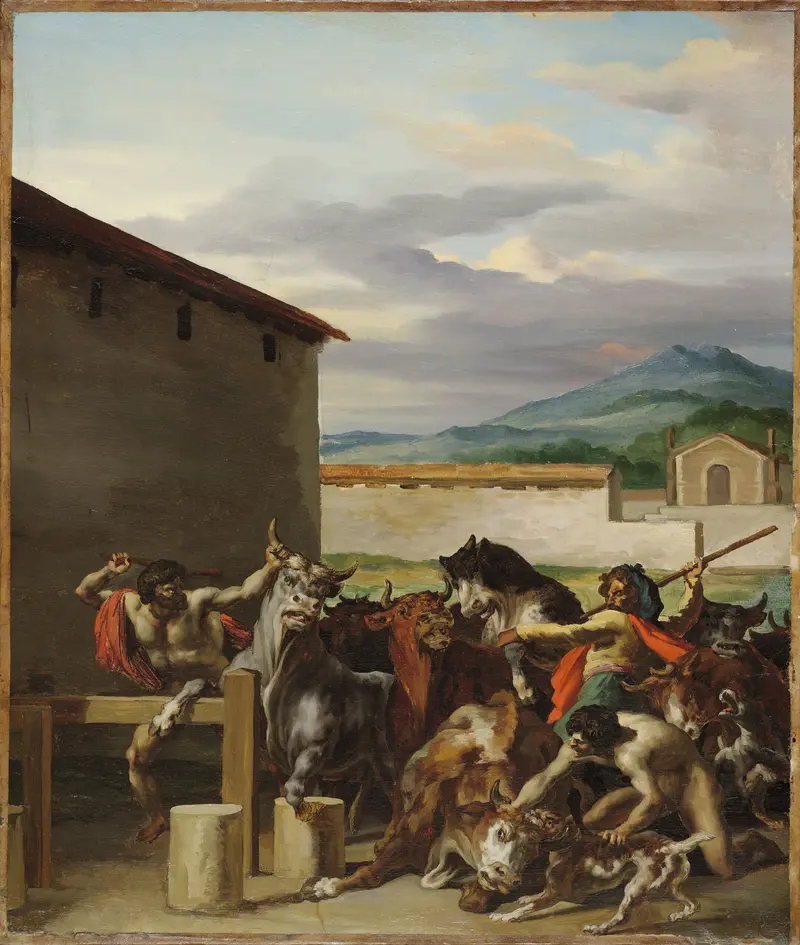
Cattle Market
Théodore Géricault
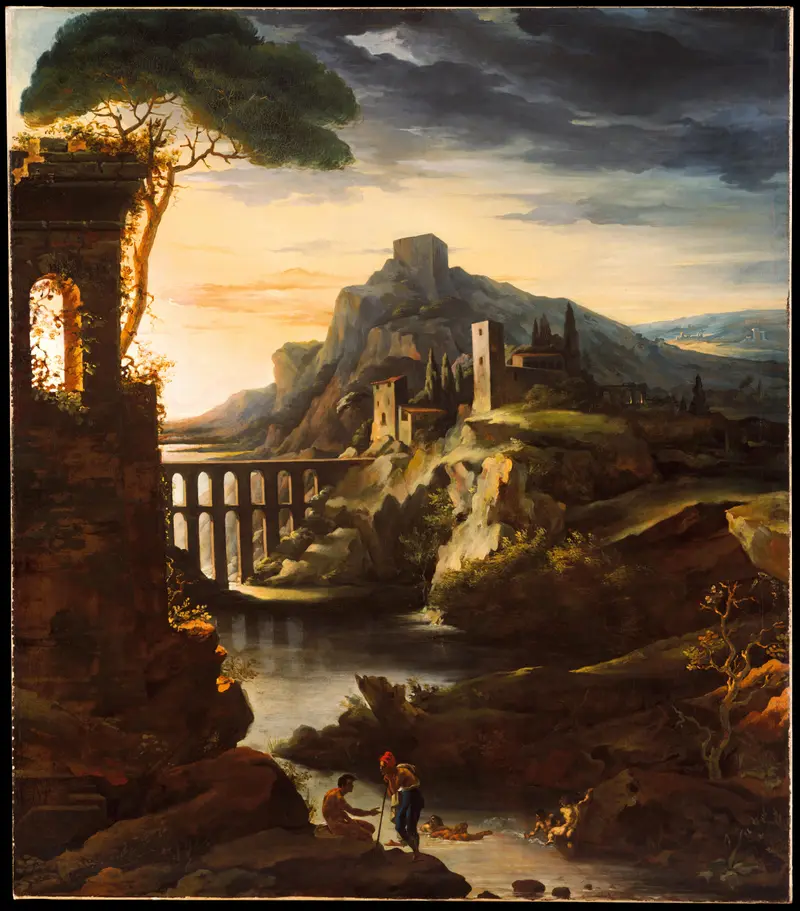
Evening; Landscape with an Aqueduct
Théodore Géricault

Horses Standing in a Mews
Théodore Géricault
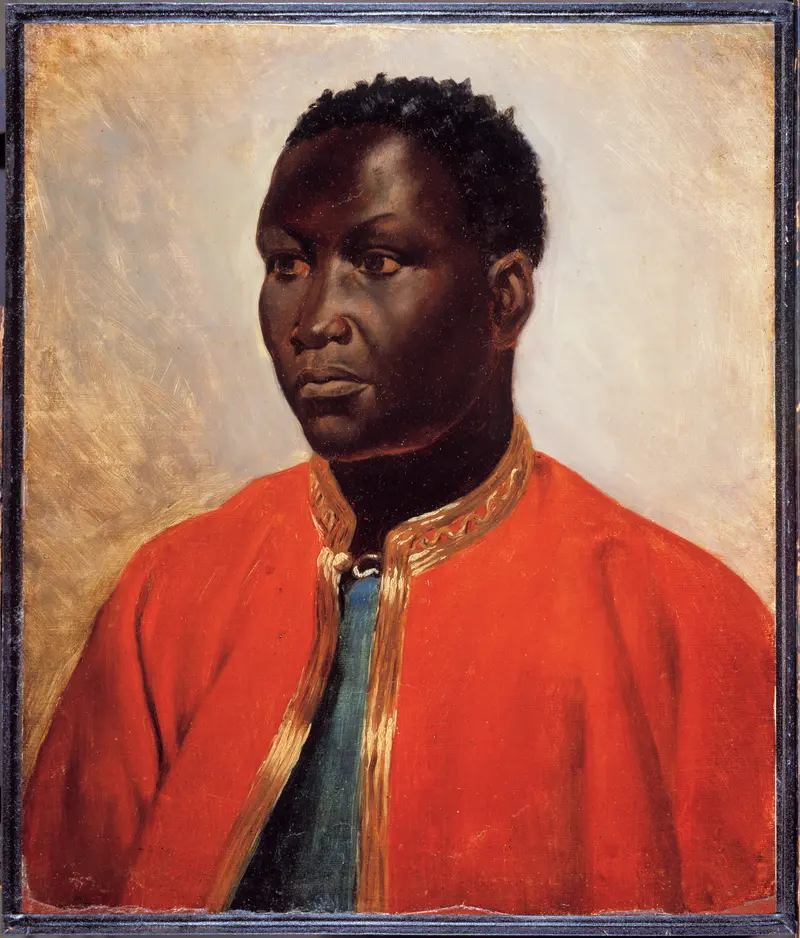
Portrait of a Negro
Théodore Géricault
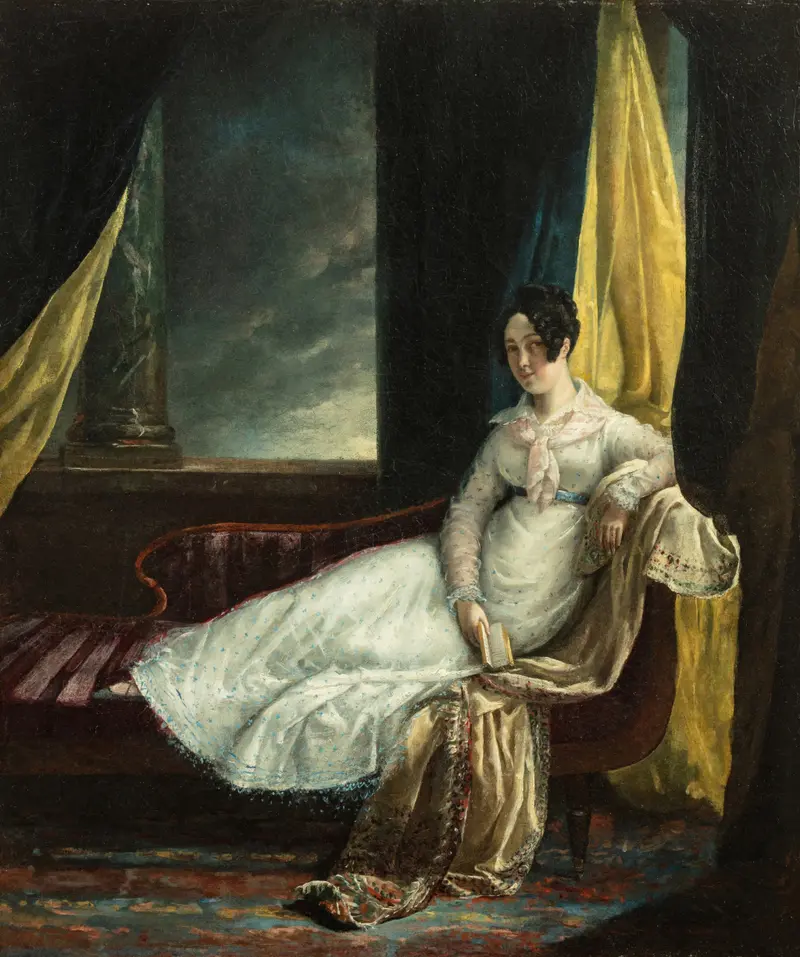
Portrait of Zoë Elmore
Théodore Géricault
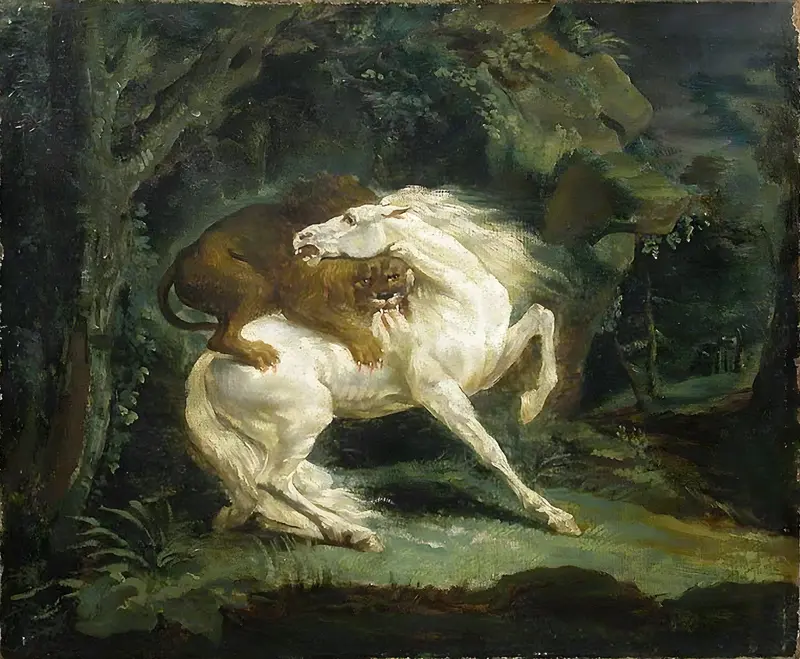
Cheval attaqué par un lion
Théodore Géricault
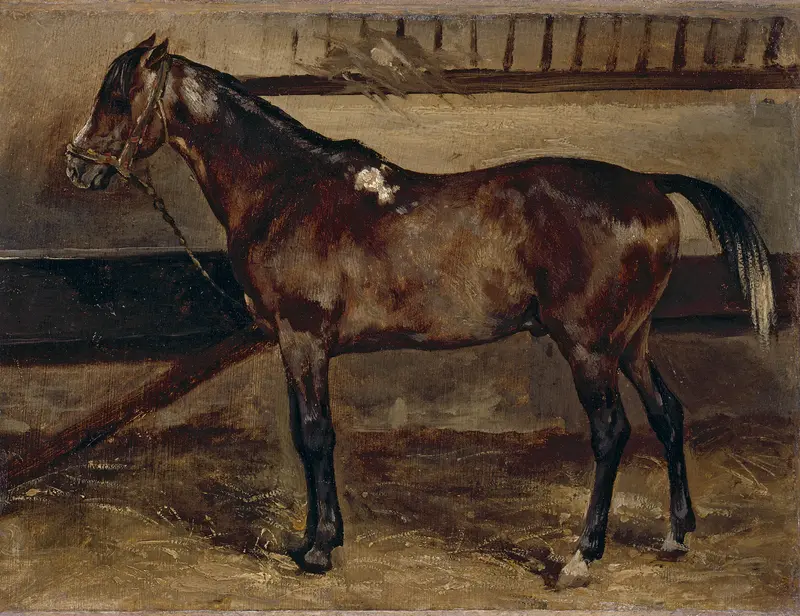
Cheval brun à l'écurie
Théodore Géricault
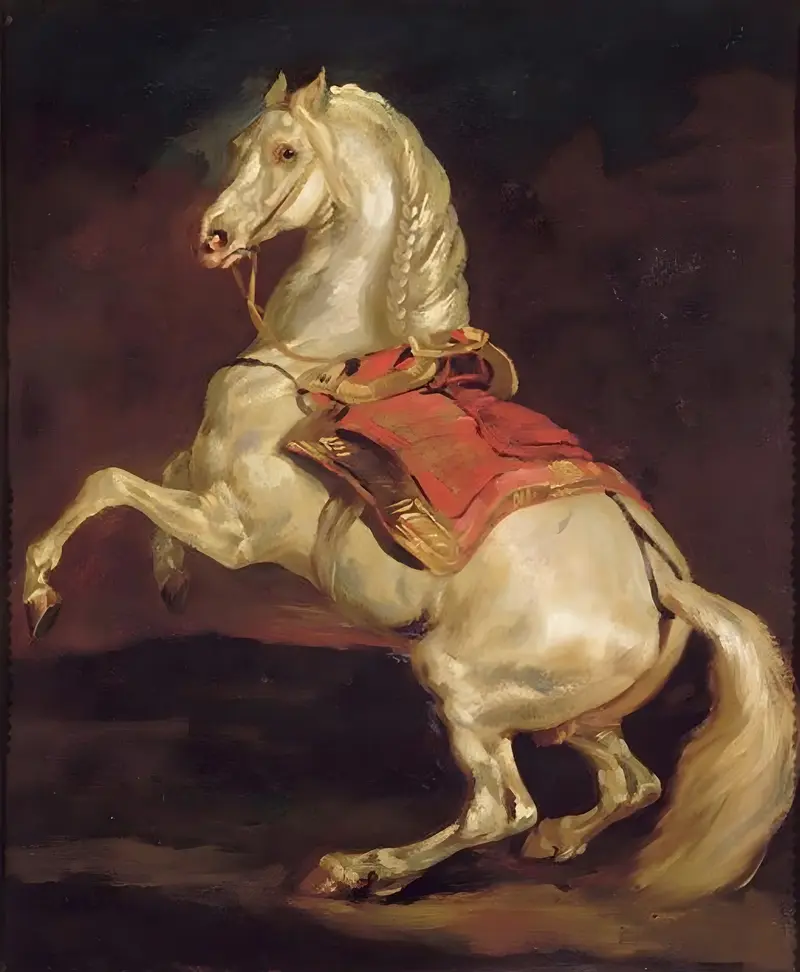
Cheval Cabré au Tapis de Selle Rouge
Théodore Géricault





