
Horses Standing in a Mews — History & Facts
Few artists have ever matched the raw energy and anatomical precision with which Théodore Géricault painted horses, and nowhere is this more evident than in Horses Standing in a Mews. The true fascination of this work lies in its uncertain origins: neither its date nor its commission is securely documented, leaving scholars to puzzle over where it fits within Géricault’s feverish career. Some suggest it was painted during his English sojourn around 1820-1821, when the artist was obsessed with the stables and racehorses of London, sketching them at every opportunity.
The painting’s very existence is a testament to Géricault’s lifelong fixation with equine subjects, a passion that shaped not only his art but his very identity. In this quiet moment, the horses are tethered in a shaded mews, their powerful bodies at rest but alert, muscles taut beneath glossy coats. Géricault chooses not the drama of the racetrack or the chaos of battle, but the intimate pause between action, capturing the animals’ dignity and latent strength. The careful rendering of harnesses and the play of light across flanks and manes show his devotion to anatomical truth, while the subdued palette and loose brushwork hint at the influence of English sporting painters like George Stubbs.
Unlike Stubbs, however, Géricault infuses his horses with a psychological presence, suggesting not just beasts of burden but sentient, restless companions. The journey of Horses Standing in a Mews as an object remains partly veiled, much like its origins. Without a clear record of its early ownership or exhibition, it stands as a representative of the many studies and finished works Géricault produced in his short, intense life, especially during his English period. Today, it is prized as an example of his acute observation and his ability to elevate a simple stable scene into something quietly monumental.
The painting’s uncertain provenance only adds to its allure, inviting viewers to imagine the circumstances of its creation and the artist’s restless search for truth in the everyday.
Sources: Wikidata Q119851446 · Image source (Wikimedia Commons)
More Artworks by Théodore Géricault
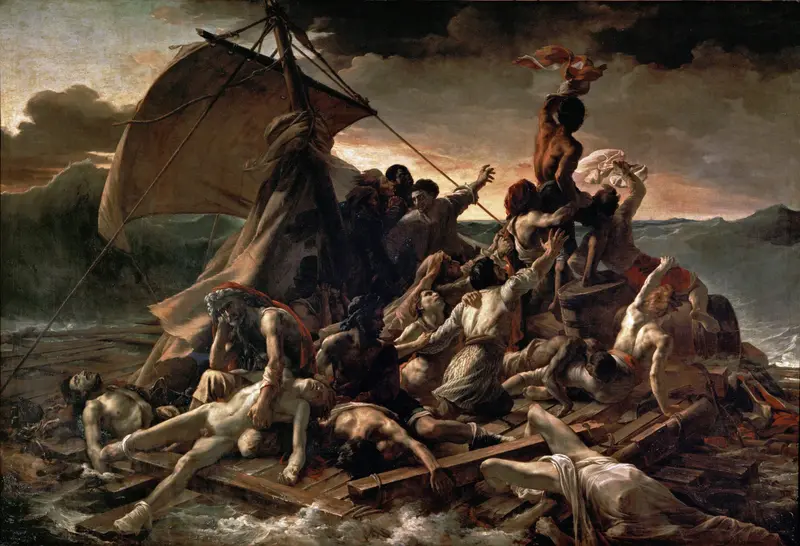
The Raft of the Medusa
Théodore Géricault

Géricault - Le naufrage du radeau de la Méduse, MBA 790
Théodore Géricault
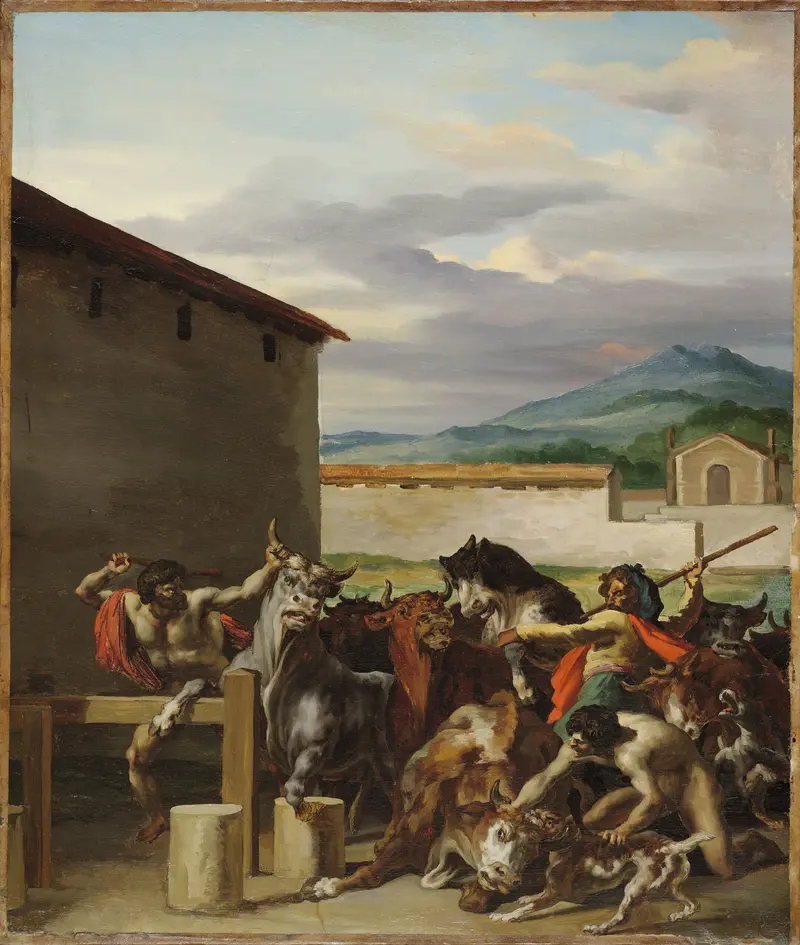
Cattle Market
Théodore Géricault
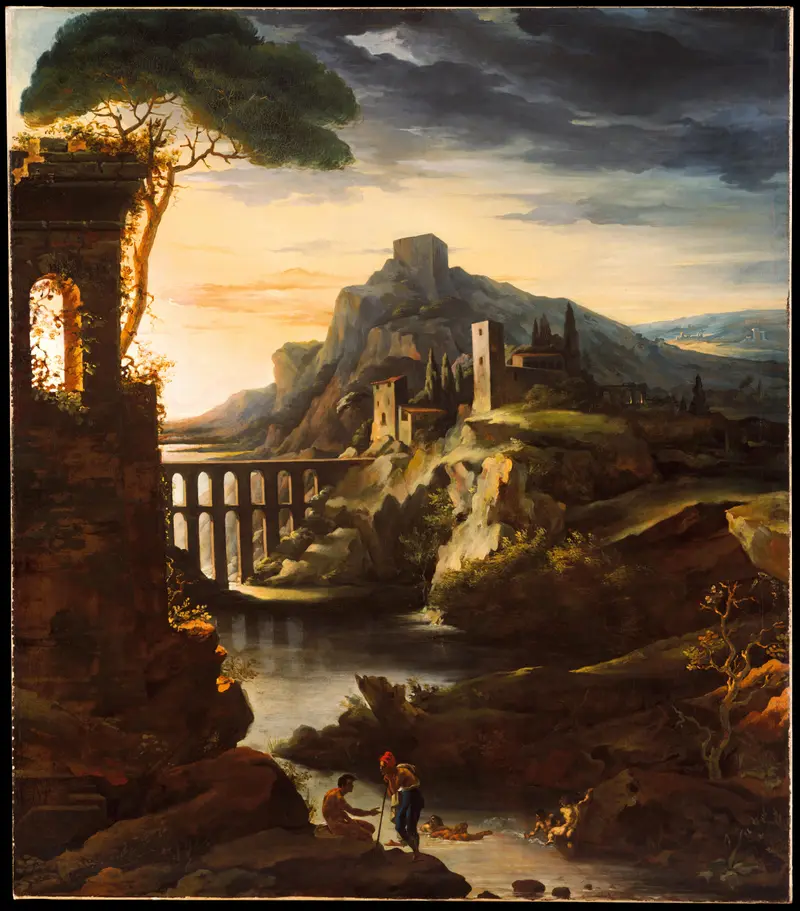
Evening; Landscape with an Aqueduct
Théodore Géricault
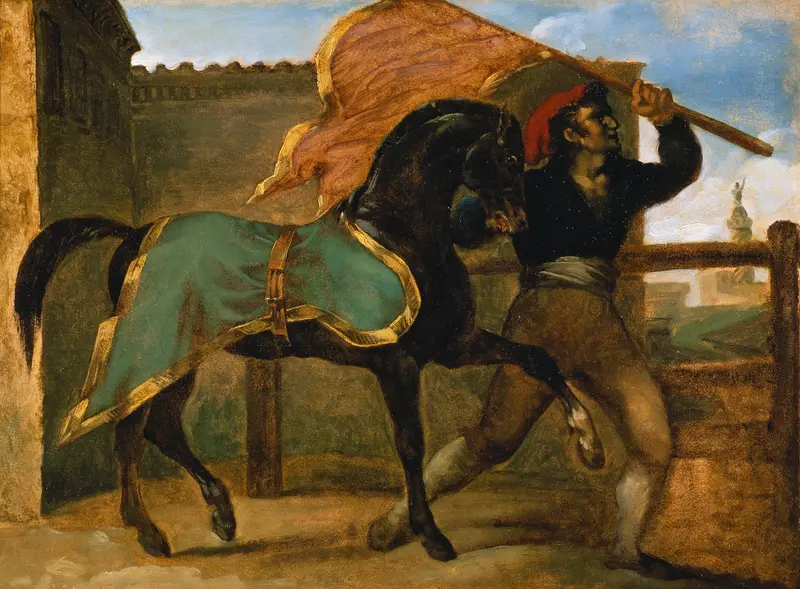
Horse Race
Théodore Géricault
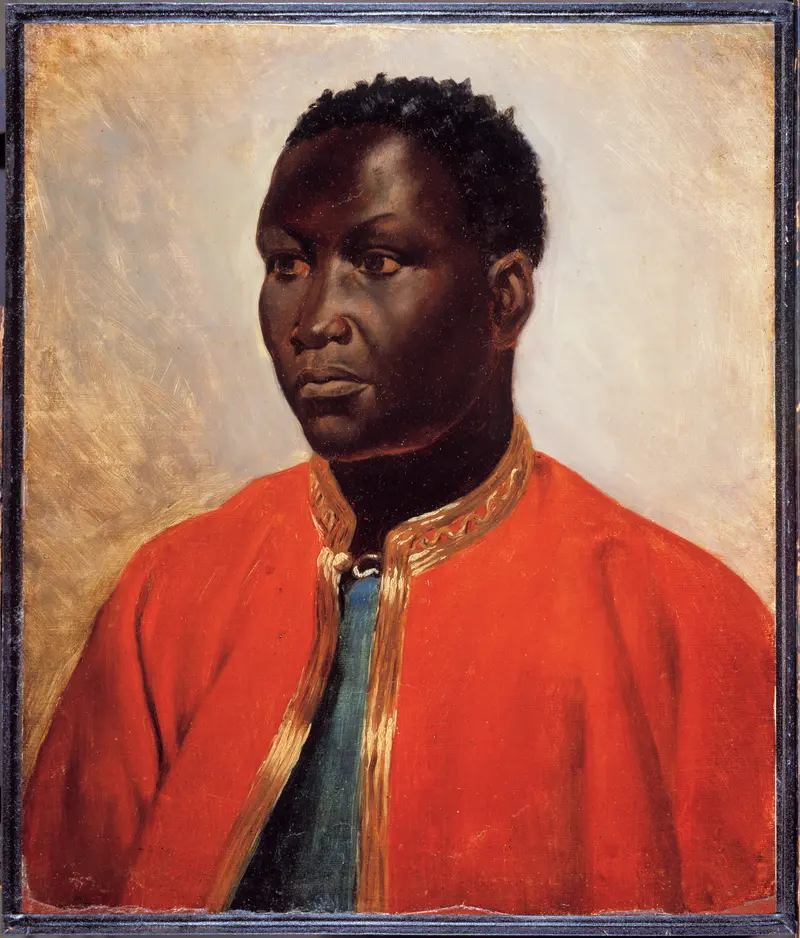
Portrait of a Negro
Théodore Géricault
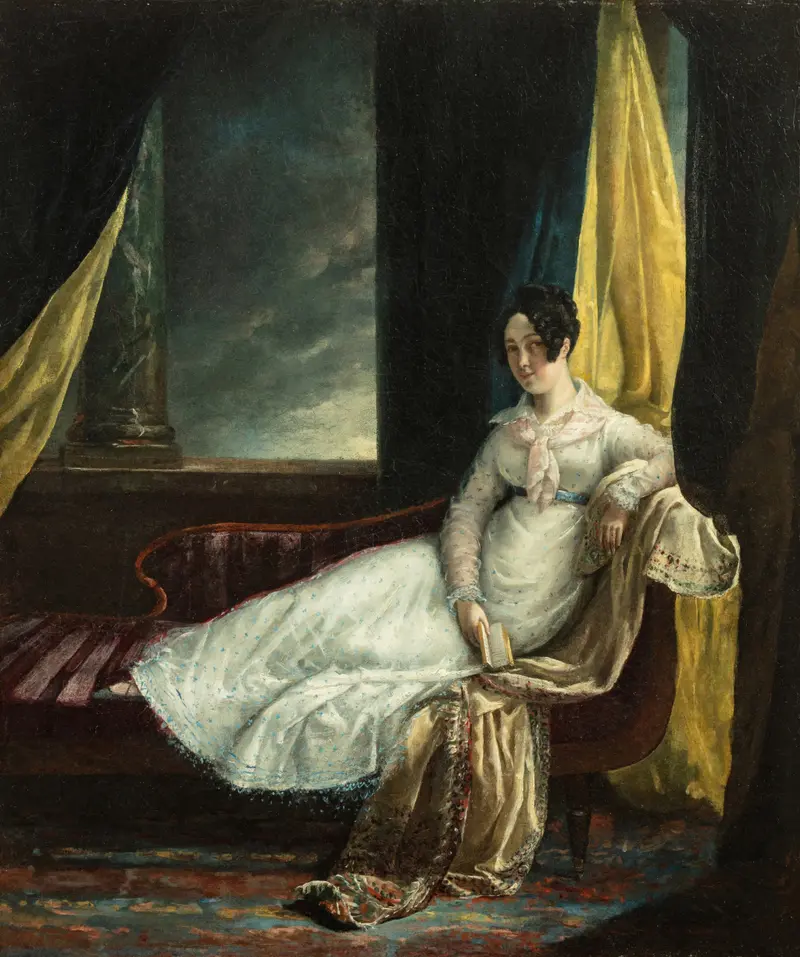
Portrait of Zoë Elmore
Théodore Géricault
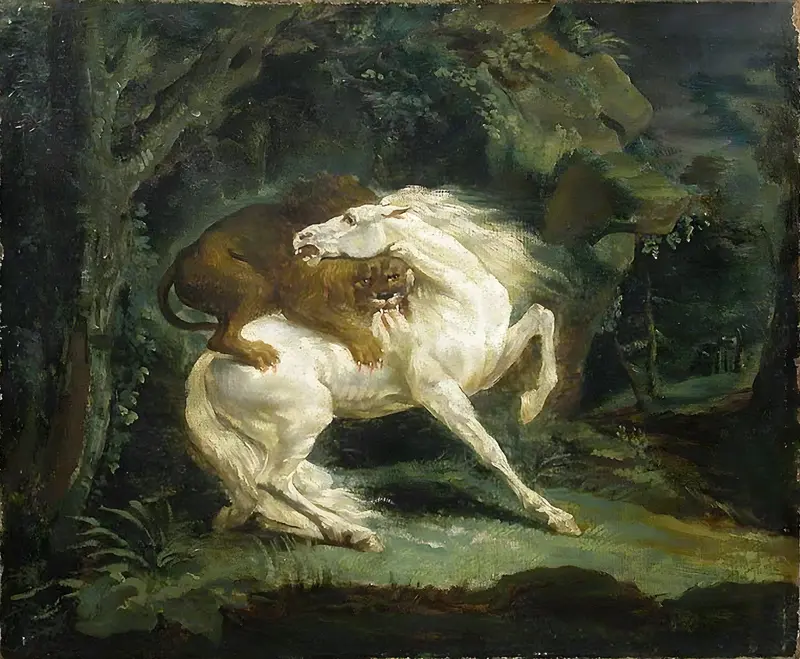
Cheval attaqué par un lion
Théodore Géricault
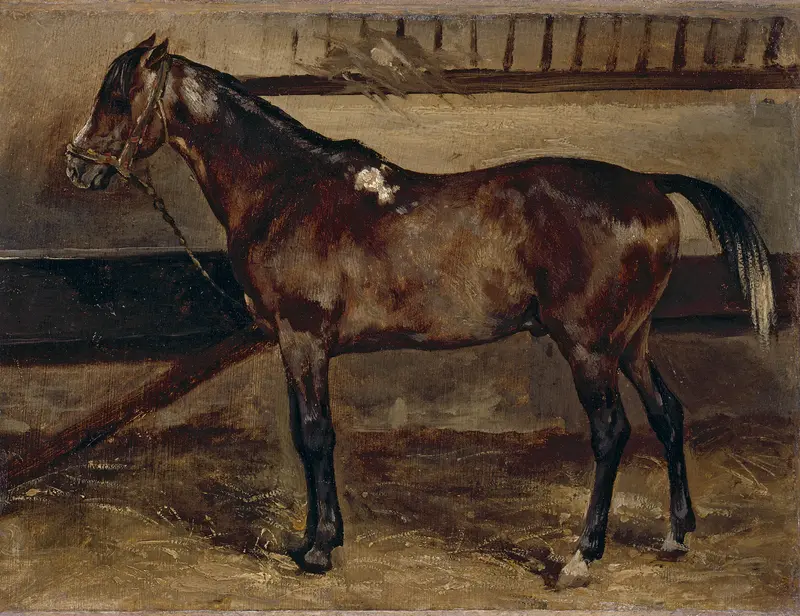
Cheval brun à l'écurie
Théodore Géricault
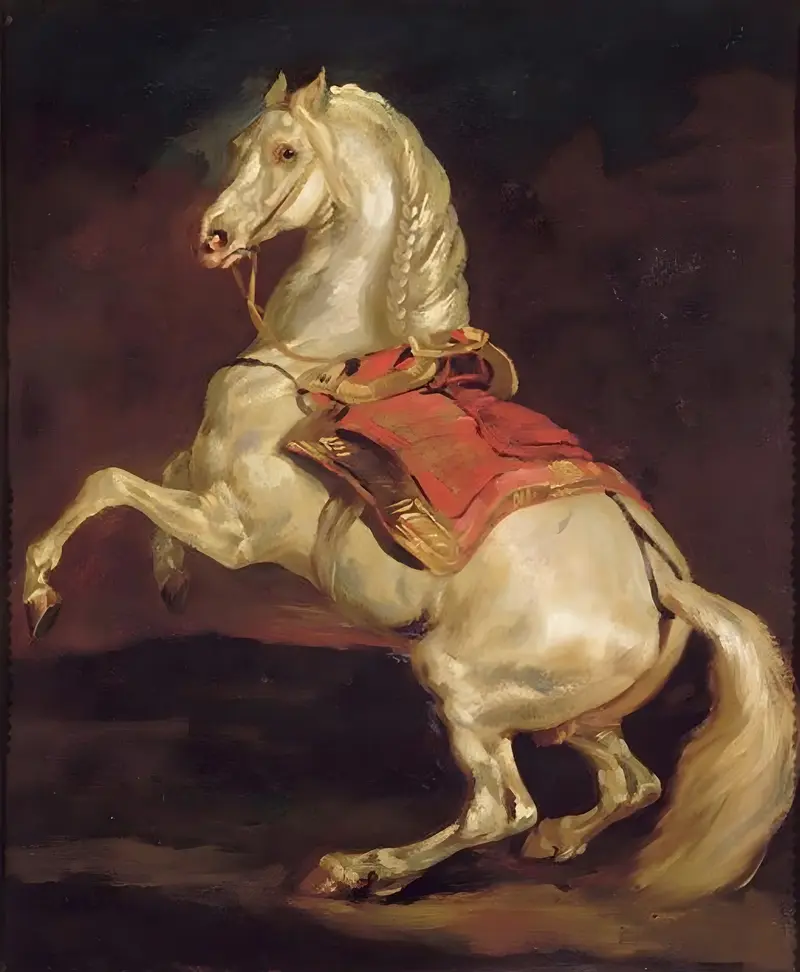
Cheval Cabré au Tapis de Selle Rouge
Théodore Géricault





