
Portrait of Zoë Elmore — History & Facts
When Théodore Géricault painted Portrait of Zoë Elmore in 1821, he was still riding the wave of notoriety from his scandalous and politically charged masterpiece The Raft of the Medusa. Yet, this portrait stands apart for its subject: Zoë Elmore, a woman whose identity remains shrouded in mystery. Unlike the grand historical canvases that made his reputation, Géricault here turned his attention to the intimate and the personal, raising questions that have intrigued scholars for generations.
Was Elmore a muse, a patron, or perhaps a fleeting presence in the artist’s turbulent life? The lack of documentation about her has only fueled speculation and lent the painting an air of enigma. Géricault captures Zoë at a moment of introspection, her gaze averted from the viewer, lips pressed in thought. The artist’s characteristic attention to psychological depth is evident in the tension of her hands and the subtle play of light across her features, which seem to flicker between resolve and vulnerability. The dark background isolates her, focusing all attention on the sitter’s face and the delicate fabric of her attire.
This approach recalls the psychological intensity found in Ingres’ portraits, yet Géricault’s brushwork is looser, the atmosphere more charged with uncertainty. Every detail—the tilt of her head, the shadow at her temple—invites the viewer to imagine the inner life of a woman history has left almost entirely unrecorded. The physical journey of Portrait of Zoë Elmore is as elusive as its subject. No contemporary records detail its commission or early ownership, and it did not appear in major exhibitions during Géricault’s lifetime.
Its rediscovery in the late nineteenth century sparked debates over attribution, with some early critics mistaking it for the work of a lesser-known Romantic. Today, most scholars agree on Géricault’s authorship, citing the painting’s psychological intensity and technical handling. It now resides in a private collection, rarely exhibited, and remains a quietly haunting testament to Géricault’s fascination with the complexities of the human spirit.
More Artworks by Théodore Géricault
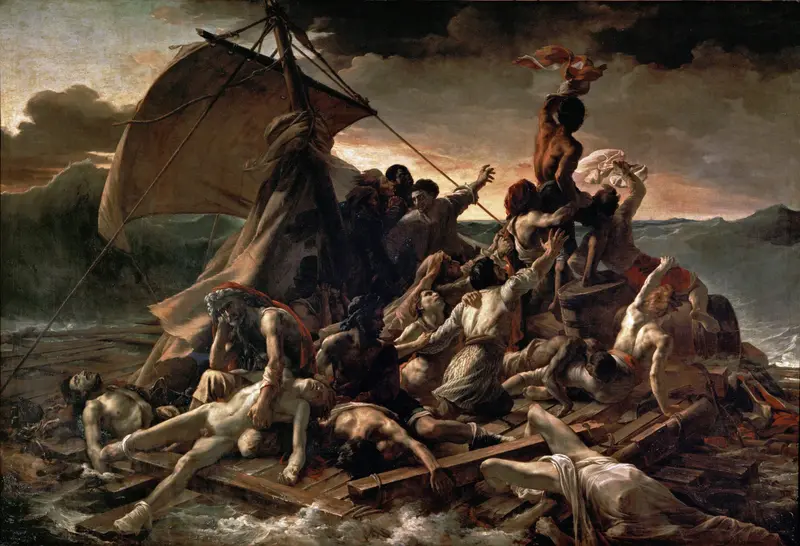
The Raft of the Medusa
Théodore Géricault

Géricault - Le naufrage du radeau de la Méduse, MBA 790
Théodore Géricault
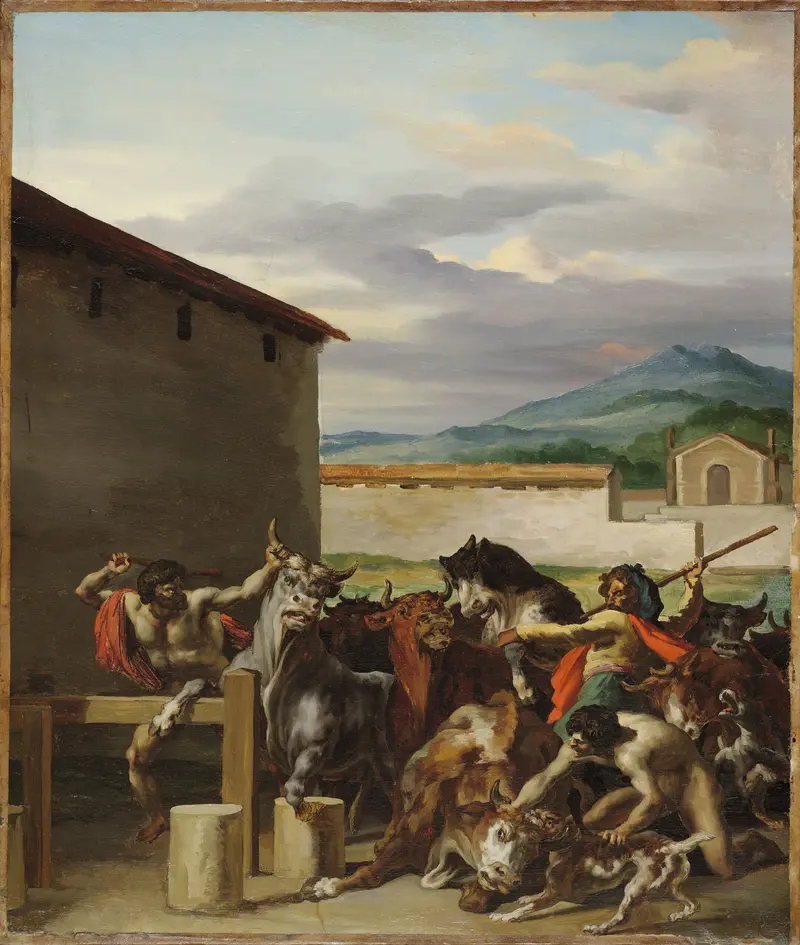
Cattle Market
Théodore Géricault
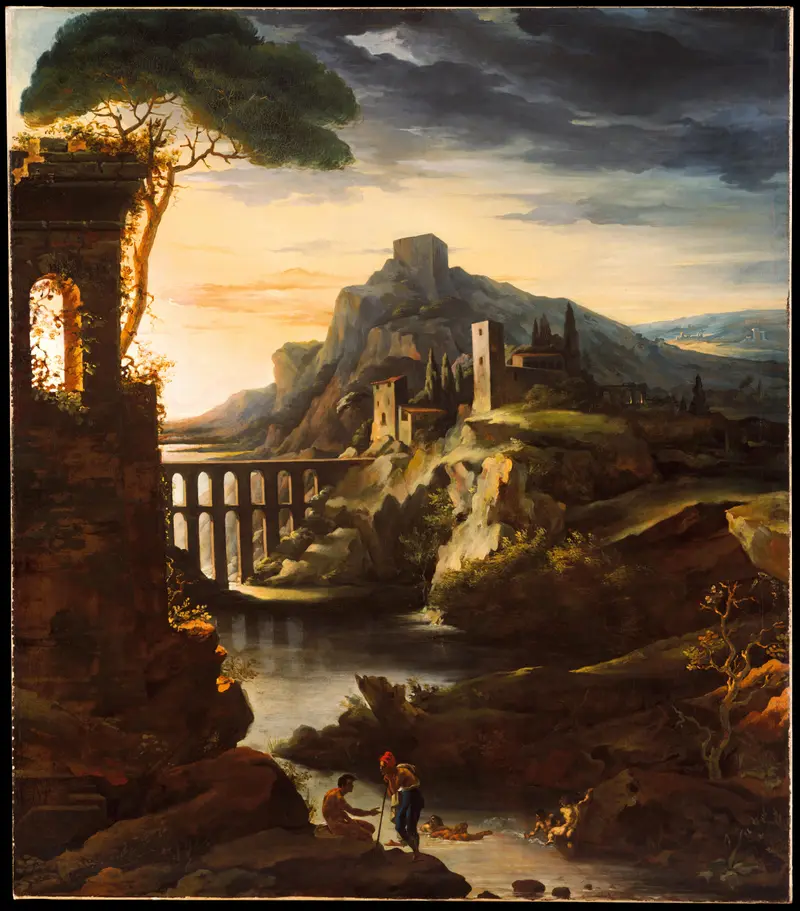
Evening; Landscape with an Aqueduct
Théodore Géricault
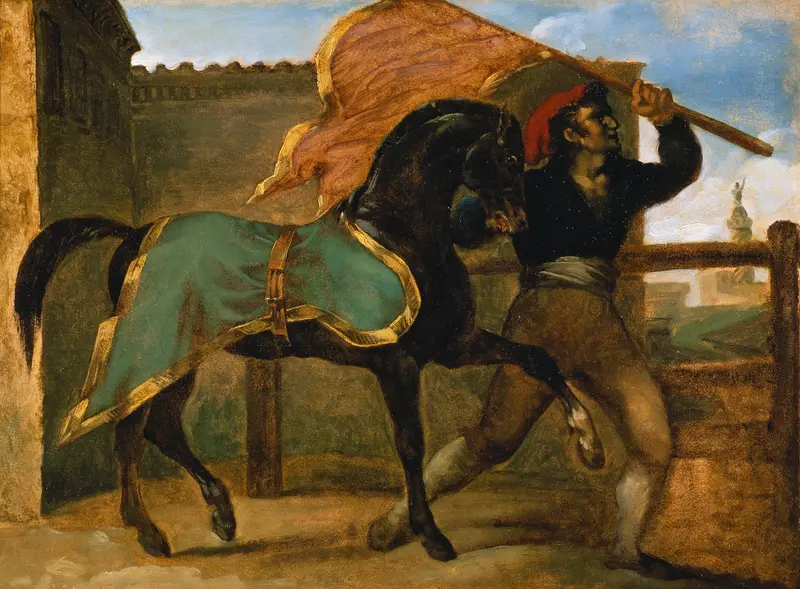
Horse Race
Théodore Géricault

Horses Standing in a Mews
Théodore Géricault
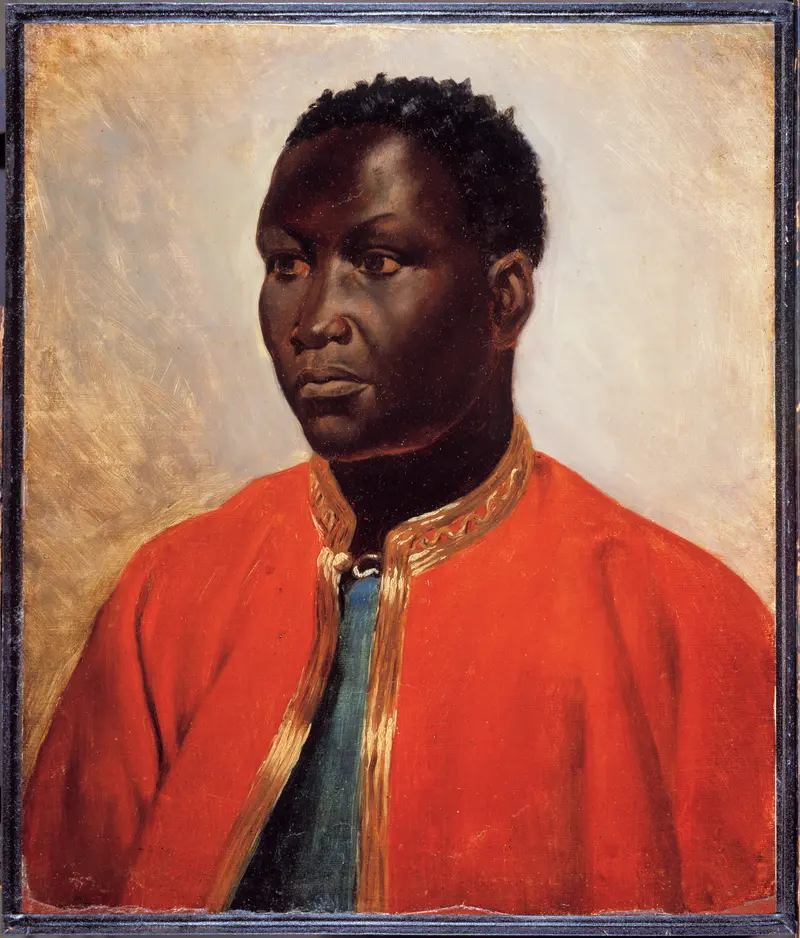
Portrait of a Negro
Théodore Géricault
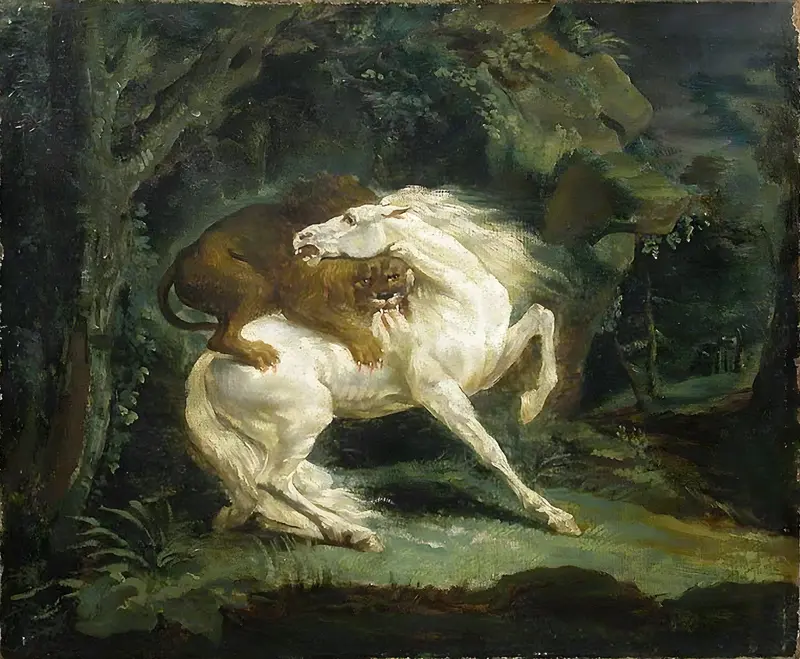
Cheval attaqué par un lion
Théodore Géricault
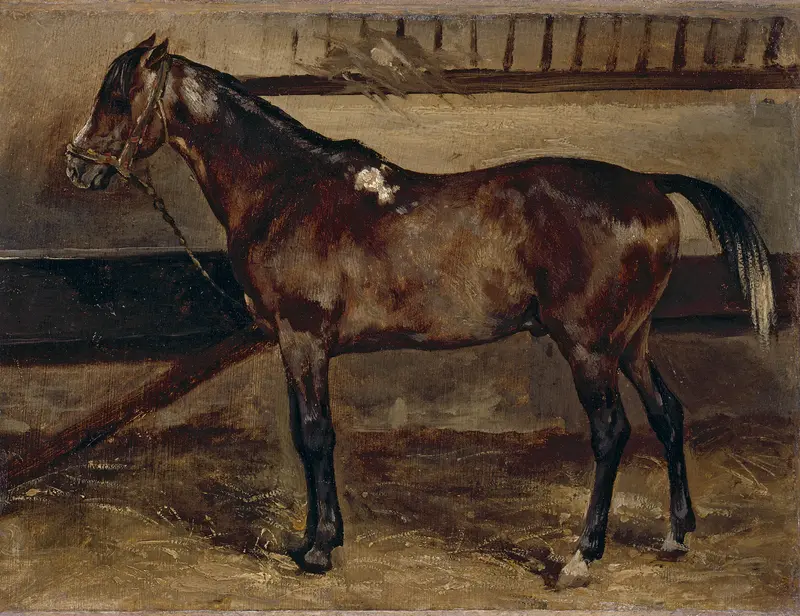
Cheval brun à l'écurie
Théodore Géricault
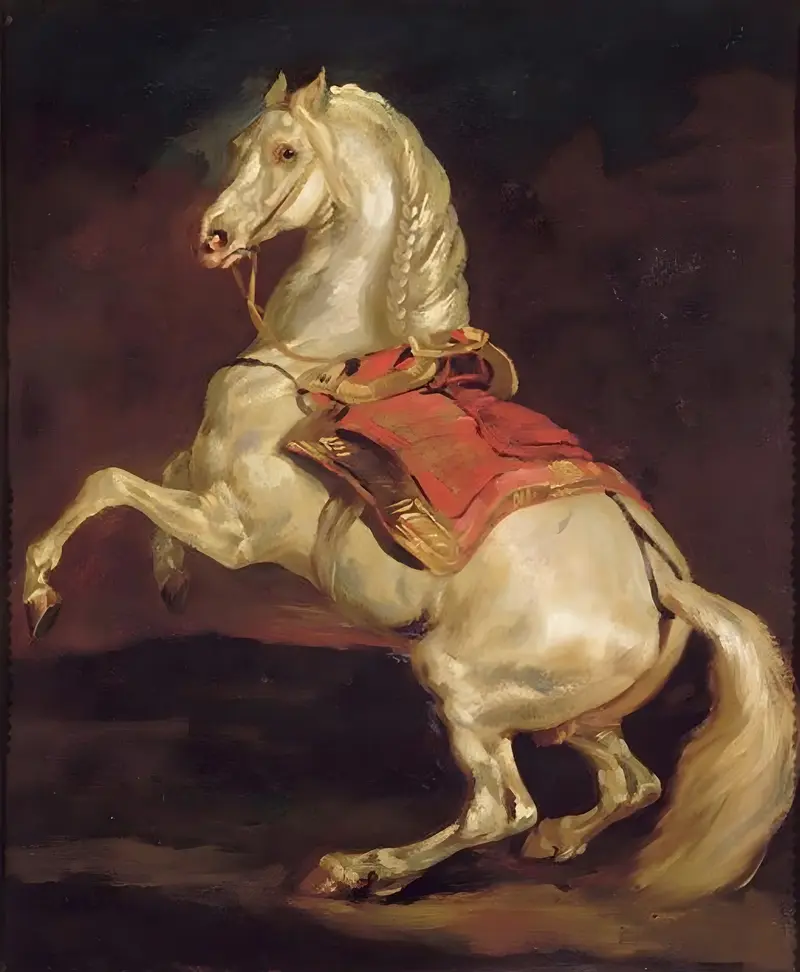
Cheval Cabré au Tapis de Selle Rouge
Théodore Géricault





