
Cheval attaqué par un lion — History & Facts
When Théodore Géricault first exhibited Cheval attaqué par un lion in 1812, he was just 21 years old—yet already, critics noted the painting’s wild energy and drama, singling it out at the Salon for its “terrible truth.” The subject was not new, but Géricault’s approach was: he drew inspiration from the animal combats staged at the Jardin des Plantes in Paris, where the public flocked to see exotic creatures locked in mortal struggle. In a France still reeling from Napoleonic wars, this image of violence and survival struck a nerve, and Géricault’s bold treatment marked him as a young artist to watch. At the heart of the canvas, a rearing white horse twists in agony as a lion, claws sunk deep, drags it down. The horse’s eye rolls with terror, its muscles tense and flanks flecked with blood, while the lion’s body coils with predatory force.
Géricault freezes the scene at the moment of greatest tension—neither animal has won, both are caught in the throes of life and death. The dramatic lighting isolates the figures against a stormy background, heightening the sense of chaos and struggle. Unlike Delacroix’s later treatments of the same theme, which emphasize color and exoticism, Géricault’s focus is on raw anatomy and movement, revealing his fascination with the physical realities of power and vulnerability. The exact medium of Cheval attaqué par un lion remains uncertain, but the work is widely recognized as one of Géricault’s earliest major paintings, created while he was still a student at the École des Beaux-Arts.
No high-profile patron is recorded, and the painting’s early provenance is unclear—typical for many of Géricault’s formative works, which often changed hands quietly or remained in private collections. Today, it is seen as a key precursor to his later, more famous works such as The Raft of the Medusa, already displaying his lifelong obsession with the drama of the body under extreme stress. The painting stands as an early testament to the Romantic movement’s fascination with nature’s violence and the limits of human and animal endurance.
More Artworks by Théodore Géricault
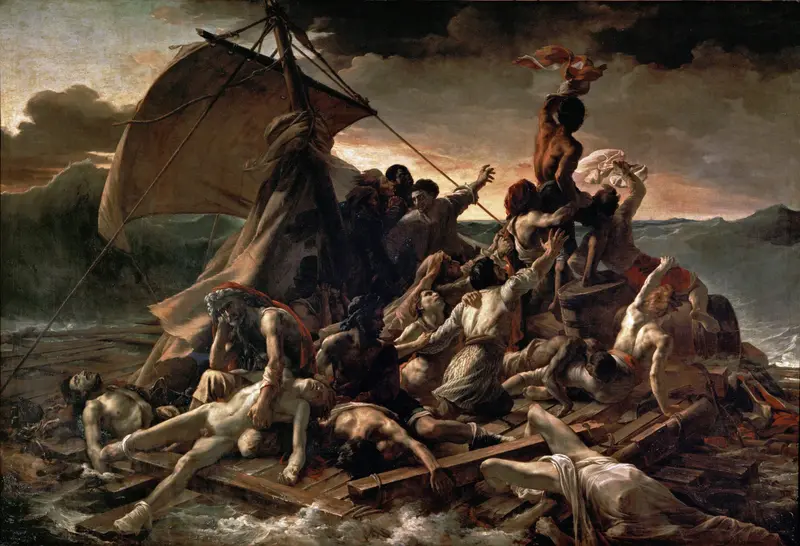
The Raft of the Medusa
Théodore Géricault

Géricault - Le naufrage du radeau de la Méduse, MBA 790
Théodore Géricault
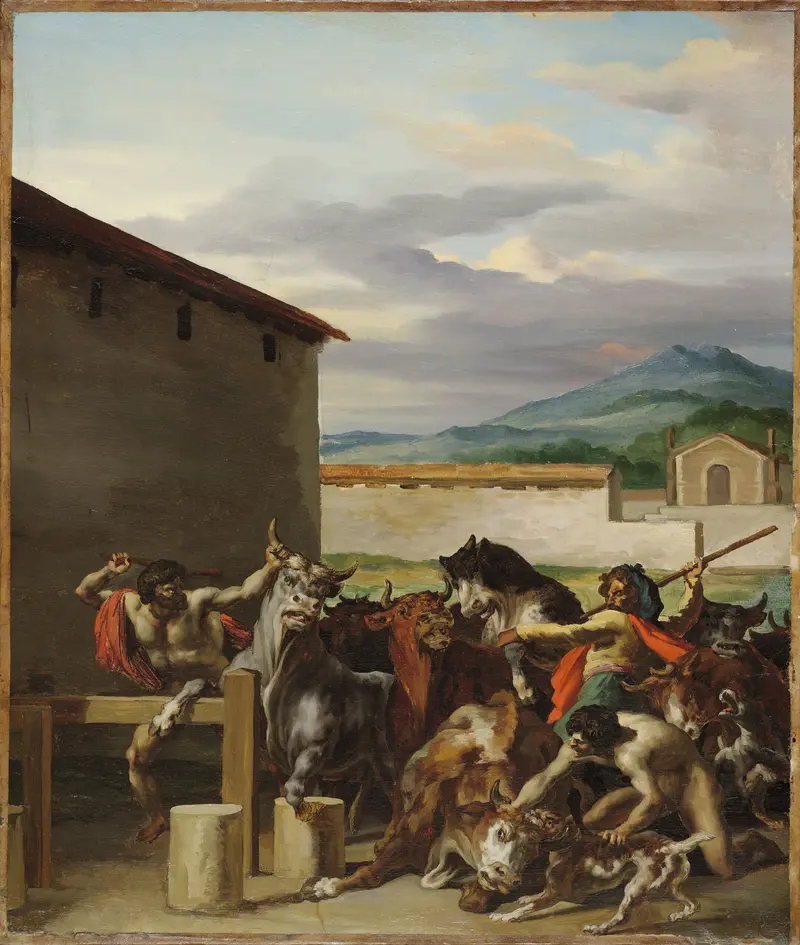
Cattle Market
Théodore Géricault
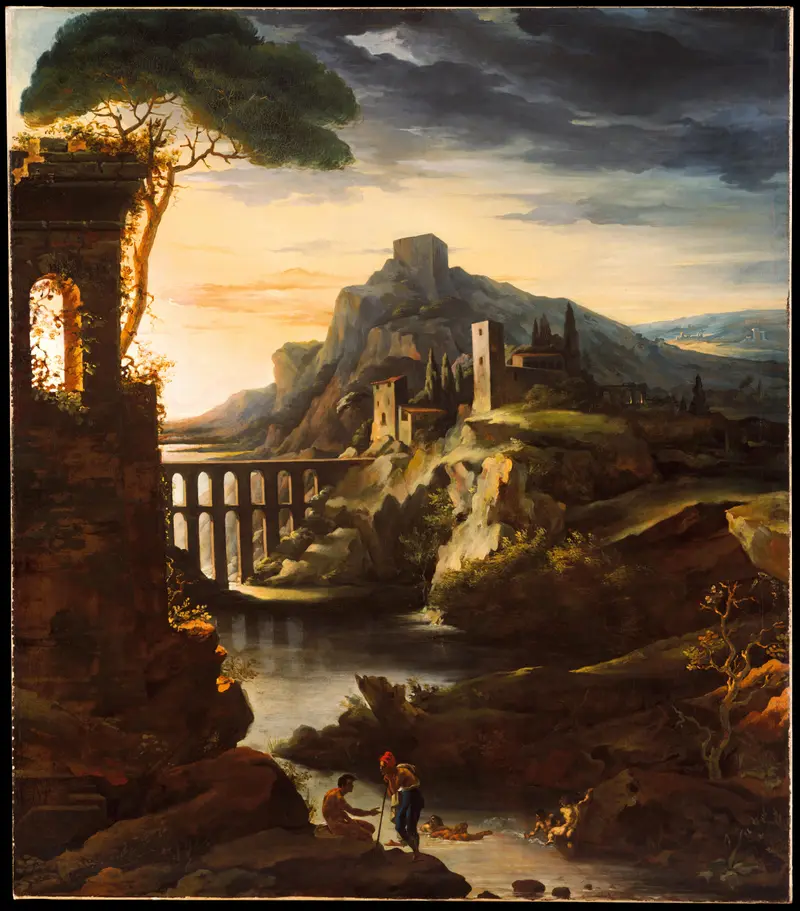
Evening; Landscape with an Aqueduct
Théodore Géricault
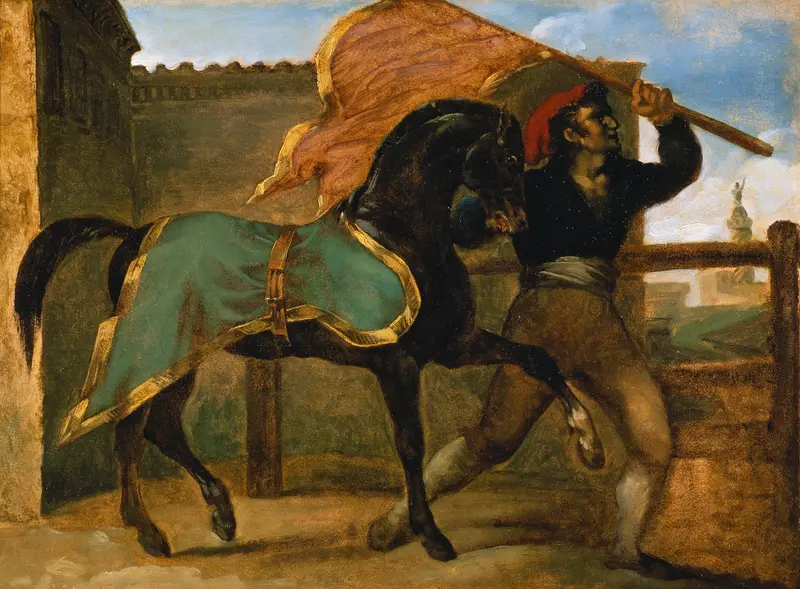
Horse Race
Théodore Géricault

Horses Standing in a Mews
Théodore Géricault
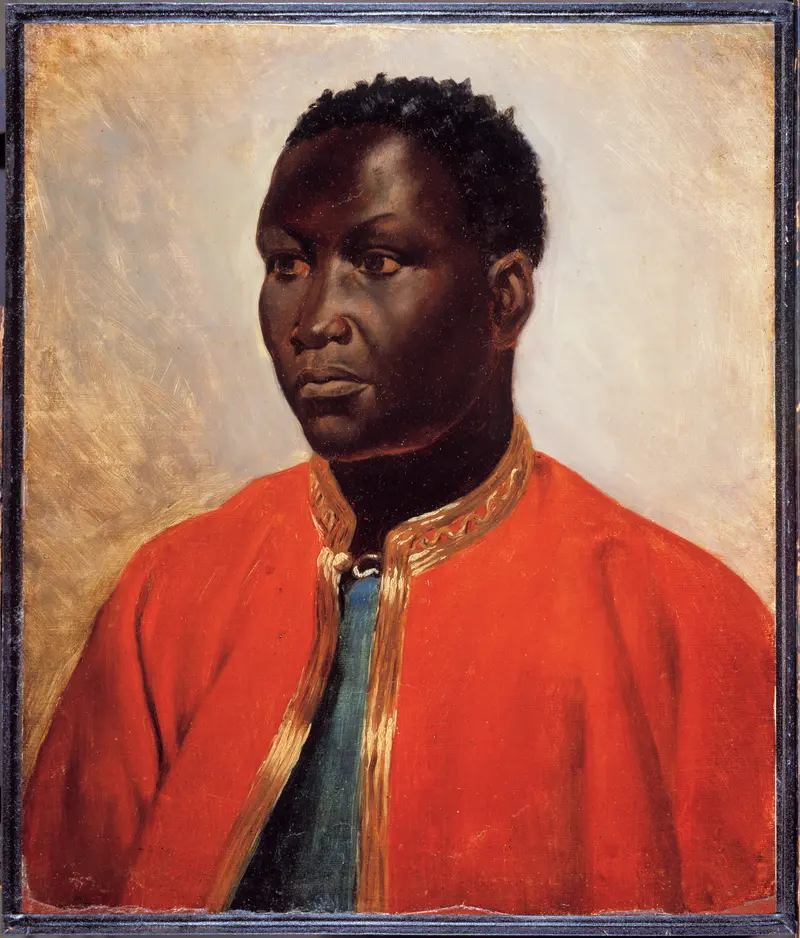
Portrait of a Negro
Théodore Géricault
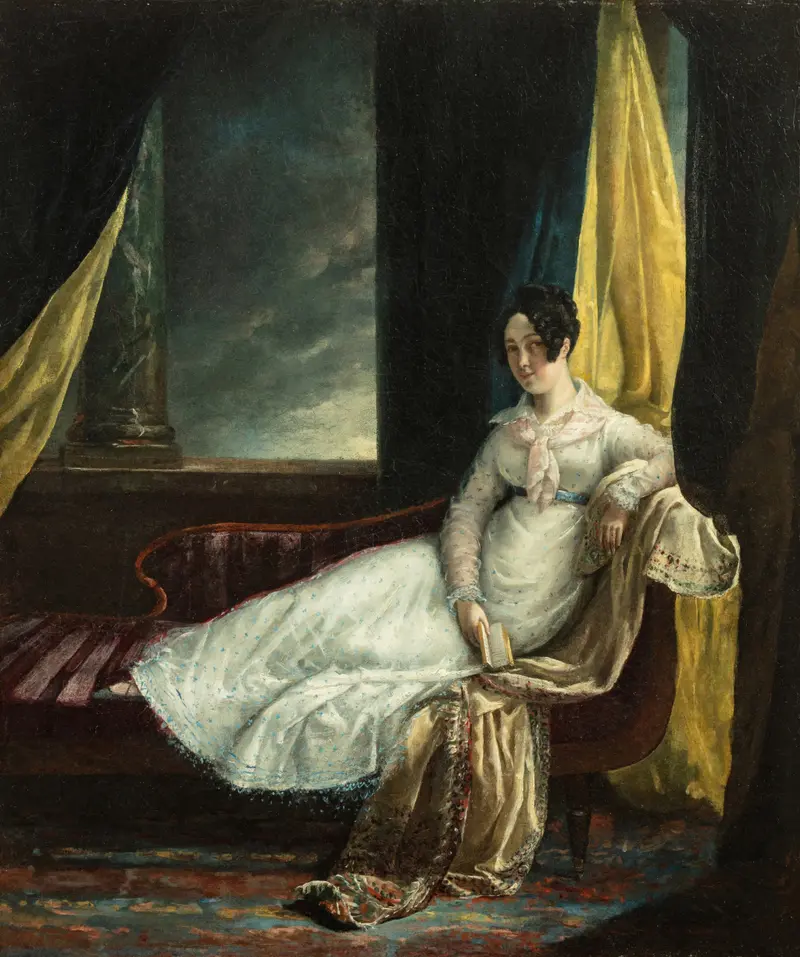
Portrait of Zoë Elmore
Théodore Géricault
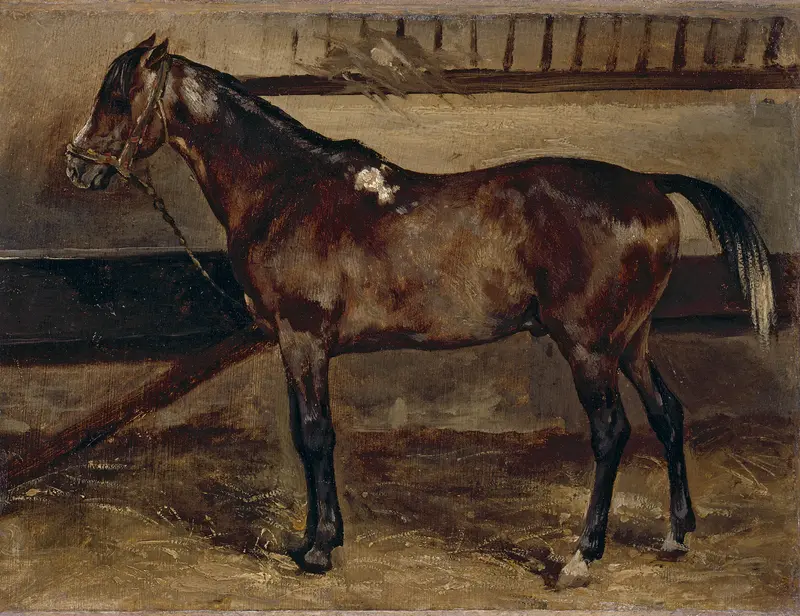
Cheval brun à l'écurie
Théodore Géricault
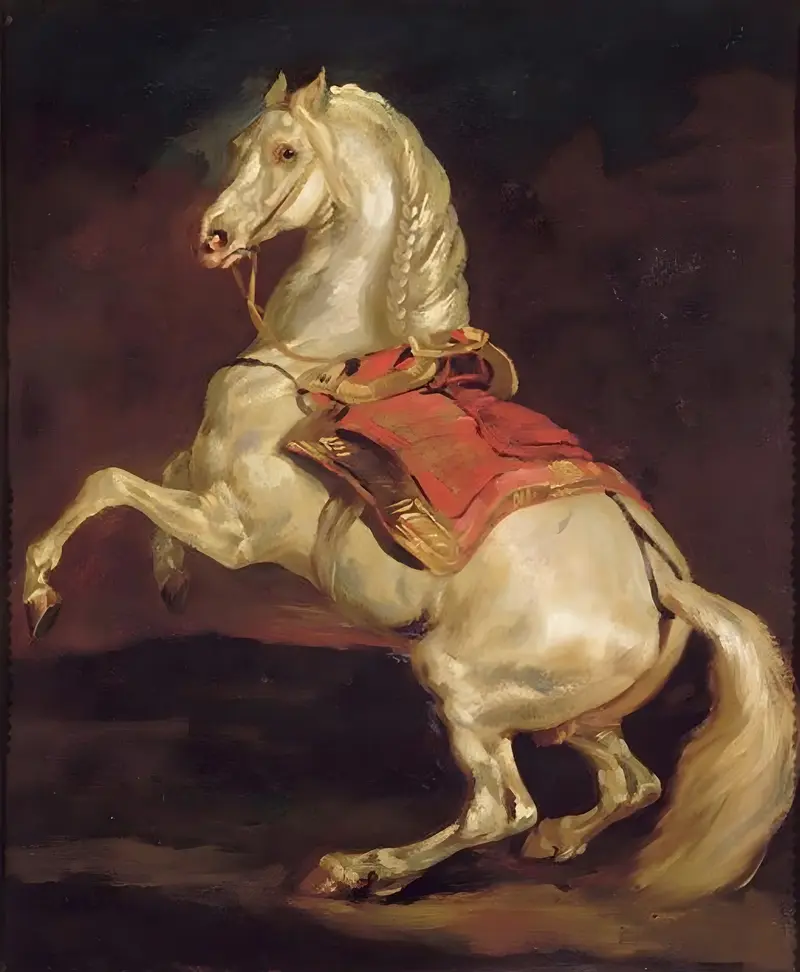
Cheval Cabré au Tapis de Selle Rouge
Théodore Géricault





