
Cheval brun à l'écurie — History & Facts
When Cheval brun à l'écurie first appeared in 1818, it marked a turning point for Théodore Géricault, who had just returned from England where he had been captivated by the raw energy of British sporting art. The painting is often cited as one of the earliest examples of Géricault’s fascination with horses, a subject that would come to dominate his career and influence the Romantic movement in France. Unlike his later, more dramatic equestrian scenes, this work focuses on a single, solitary animal, quietly standing in its stall.
The choice to depict the horse alone, without rider or narrative, was unusual at the time and sparked interest among collectors and critics alike. The moment Géricault captures is one of stillness: a powerful brown horse, tethered in the half-light of a stable, its head turned slightly as if listening for an unseen presence. The animal’s glossy coat and tense musculature hint at restrained energy, while the muted background draws the viewer’s gaze to the horse’s expressive eye and alert ears. The composition is stripped of ornament and anecdote, focusing instead on the dignity and individuality of the animal itself.
In this, Géricault departs from the tradition of George Stubbs, whose horses are often set in idealized landscapes; here, the stable is real, the atmosphere close, and the horse’s presence immediate. The precise early history of Cheval brun à l'écurie is not fully documented, but it is known that Géricault’s equestrian studies were highly sought after by Parisian collectors in the 1820s. The painting’s medium remains uncertain, though it is generally believed to be oil on canvas, consistent with Géricault's other works of the period. Over the years, the painting has passed through several private collections and has occasionally been exhibited alongside Géricault’s more famous works, such as The Raft of the Medusa.
Today, it stands as a testament to the artist’s deep empathy for animals and his pivotal role in shaping the Romantic vision of nature and individuality.
More Artworks by Théodore Géricault
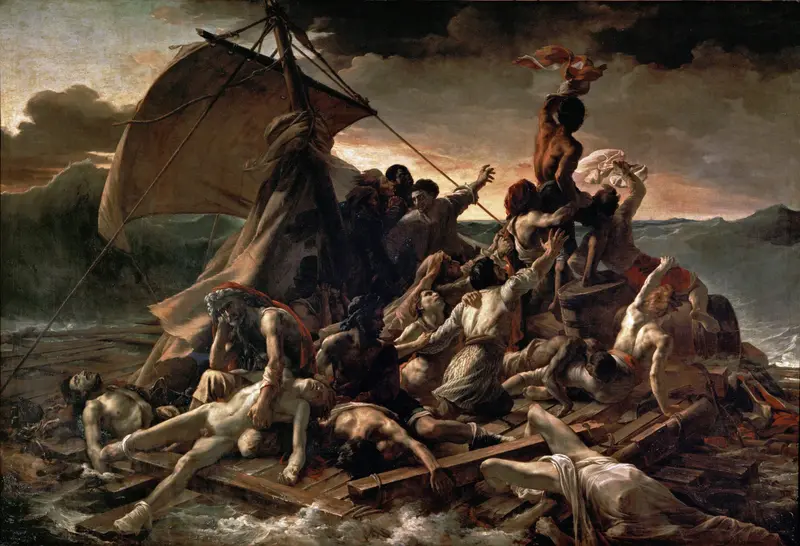
The Raft of the Medusa
Théodore Géricault

Géricault - Le naufrage du radeau de la Méduse, MBA 790
Théodore Géricault
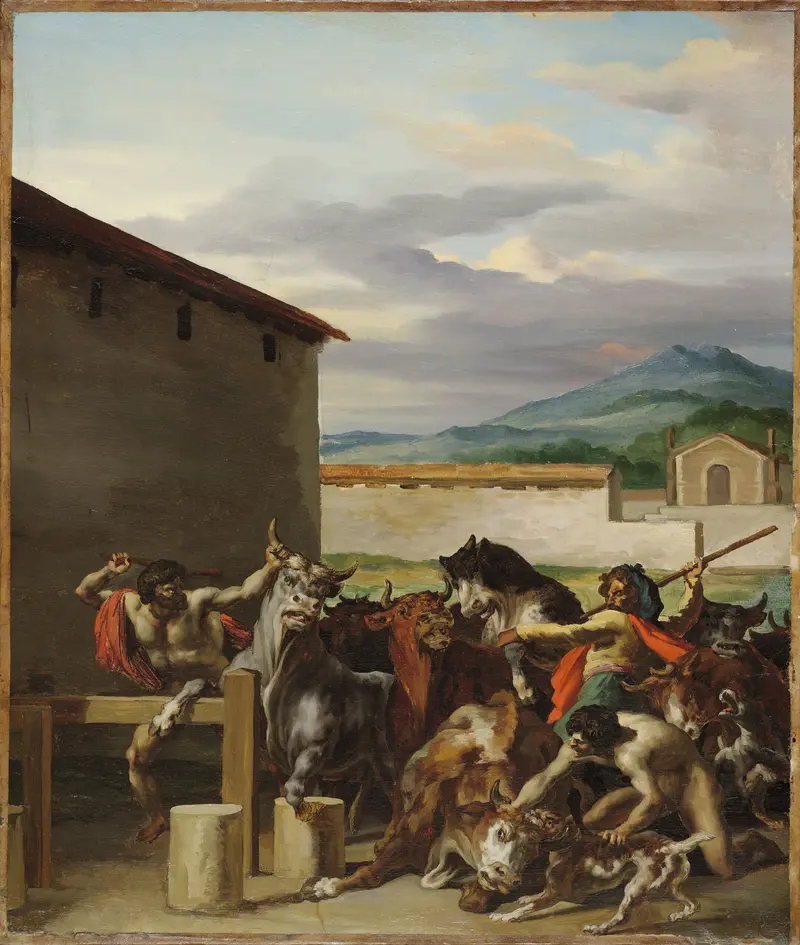
Cattle Market
Théodore Géricault
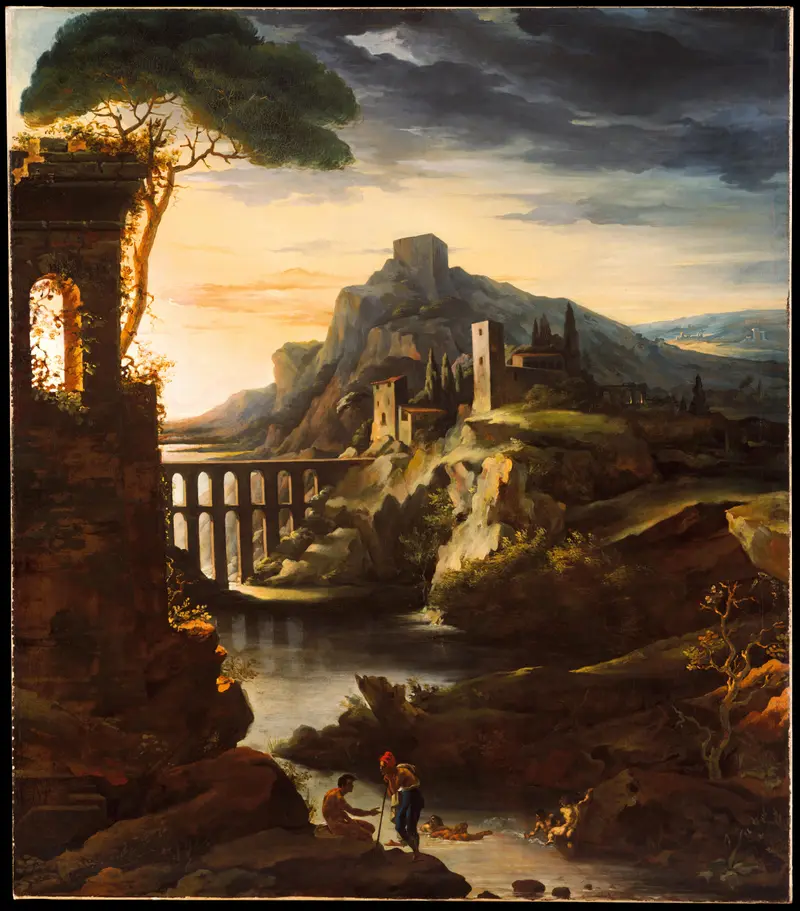
Evening; Landscape with an Aqueduct
Théodore Géricault
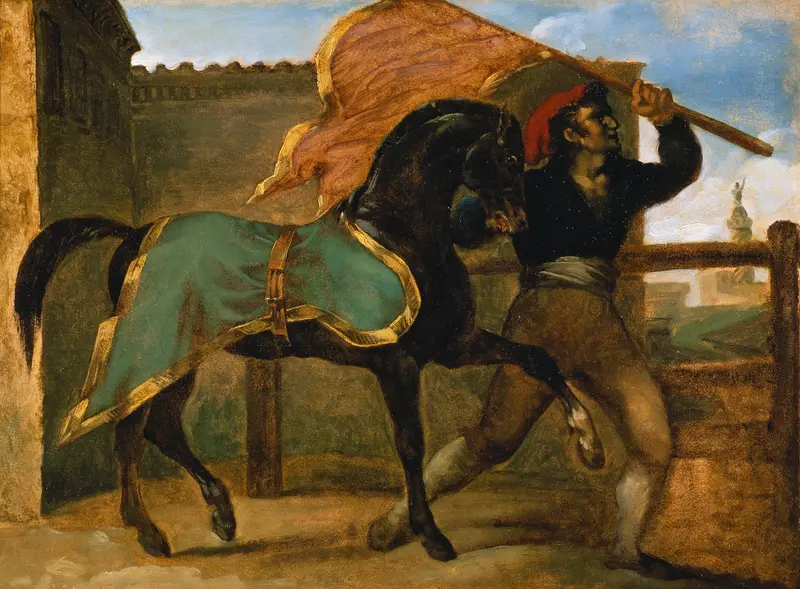
Horse Race
Théodore Géricault

Horses Standing in a Mews
Théodore Géricault
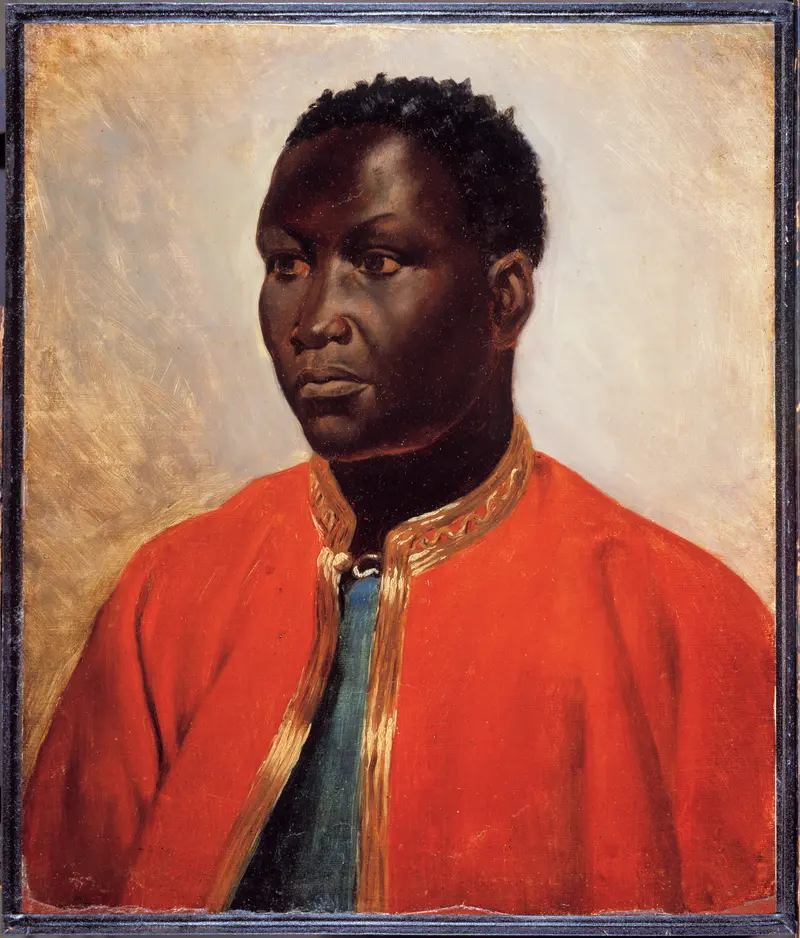
Portrait of a Negro
Théodore Géricault
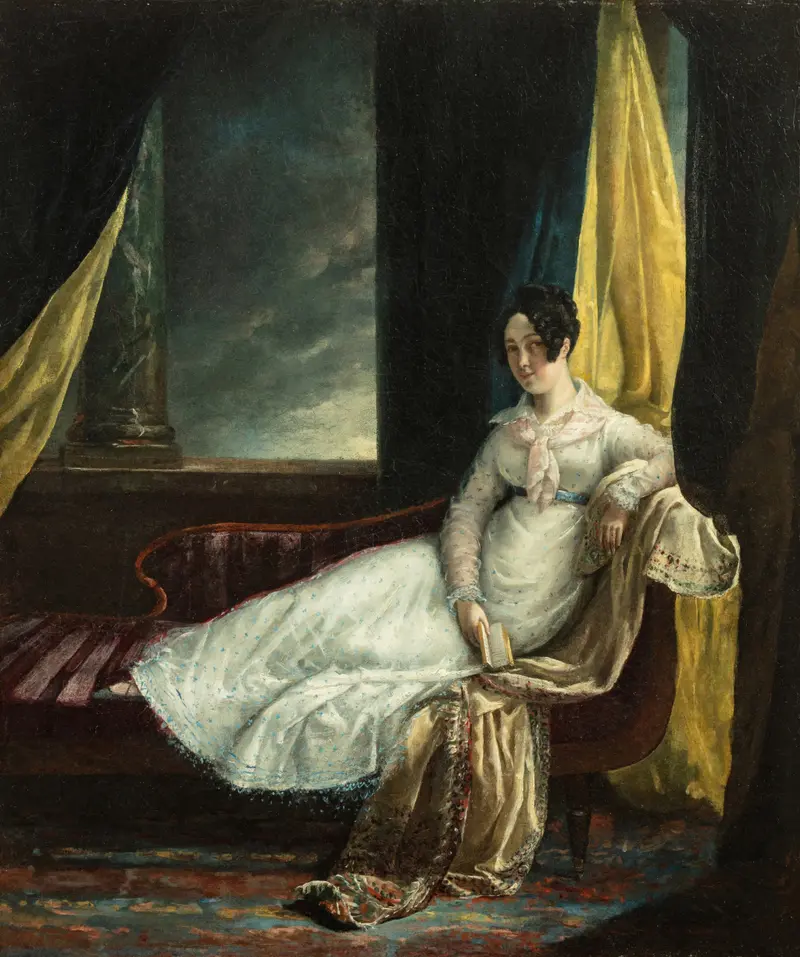
Portrait of Zoë Elmore
Théodore Géricault
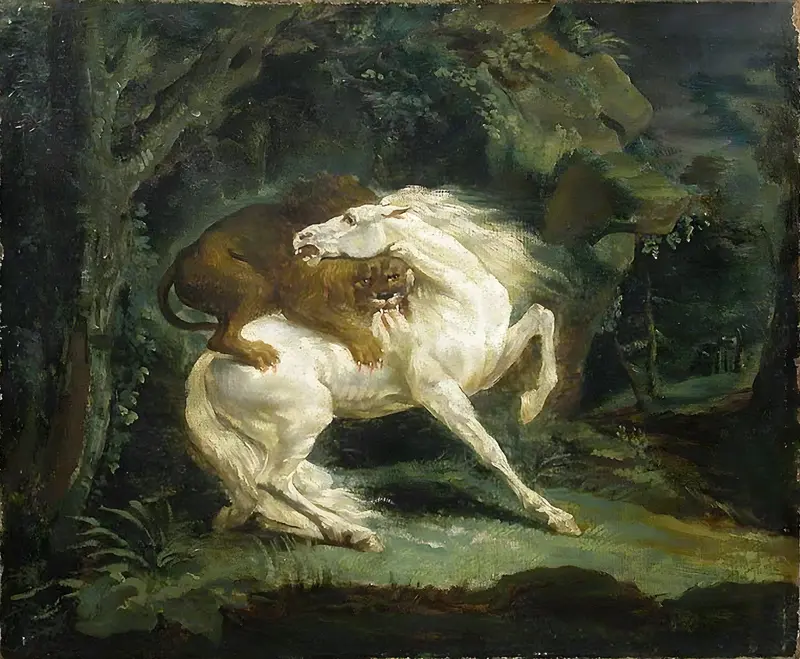
Cheval attaqué par un lion
Théodore Géricault
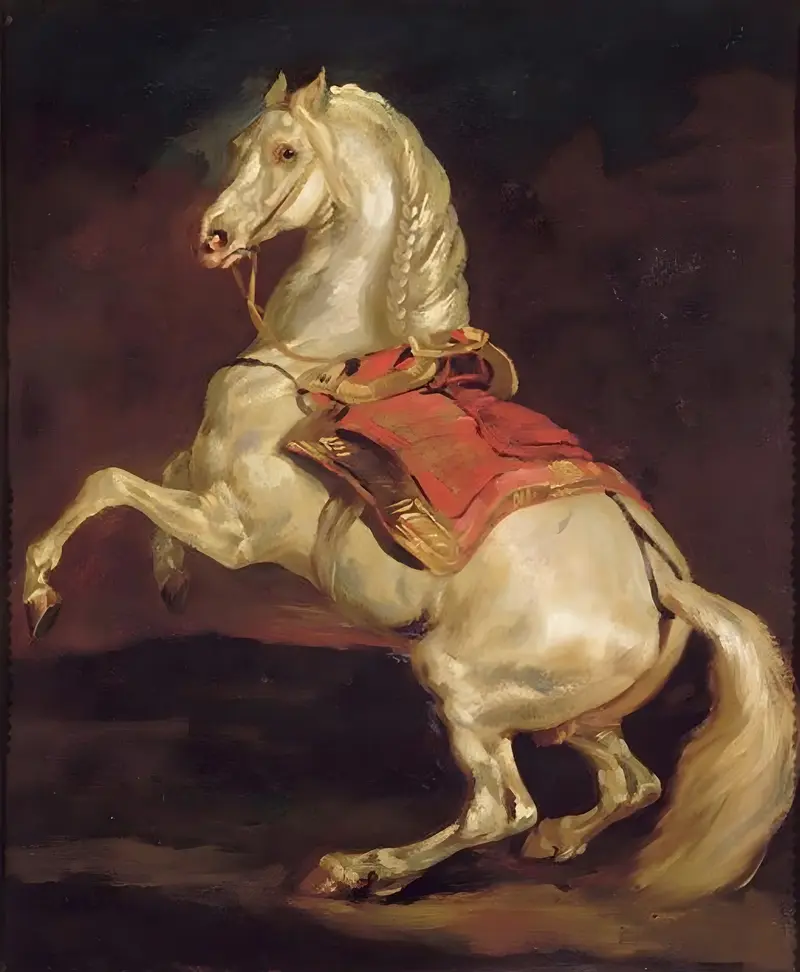
Cheval Cabré au Tapis de Selle Rouge
Théodore Géricault





