
Šestnástka — History & Facts
Can beauty exist without sorrow? The interplay of memory and emotion often suggests that the two are inseparable, weaving a complex tapestry of human experience. Focus on the deep, rich colors that envelop the canvas—hues of blue and gold merging in a dance of light and shadow. Notice how the delicate brushstrokes depict a figure, poised yet wistful, drawing the viewer into a moment suspended in time. The contrast between the softness of the subject and the starkness of the background creates a palpable tension, inviting contemplation of what lies just beyond the depicted scene. Hidden within the layers of color and texture are echoes of nostalgia, a longing for something lost but cherished.
The way the figure gazes away from the viewer suggests a poignant yearning, capturing a fleeting memory that is both intimate and distant. This emotional depth, combined with the striking composition, evokes a familiar sense of melancholy, provoking questions about the nature of recollection and the passage of time. Created between 1900 and 1930, this work emerged during a period of profound change in Central Europe, as nations grappled with shifts that would define their futures. Ľudovít Čordák, rooted in a richly artistic tradition, sought to explore themes of identity and memory amidst a rapidly evolving cultural landscape.
This painting stands as a testament to his exploration of the human experience, a reflection of both personal and collective histories.
More Artworks by Ľudovít Čordák
Browse all →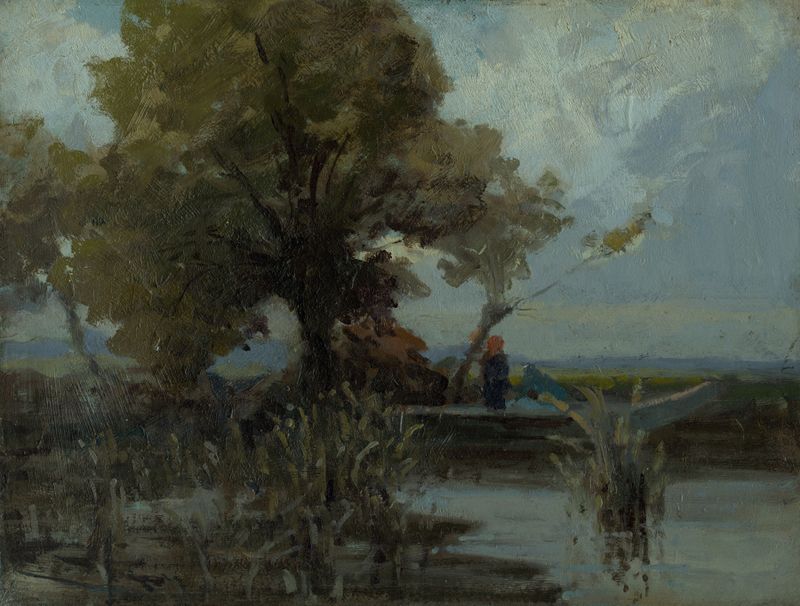
Košatý strom pri jazere
Ľudovít Čordák
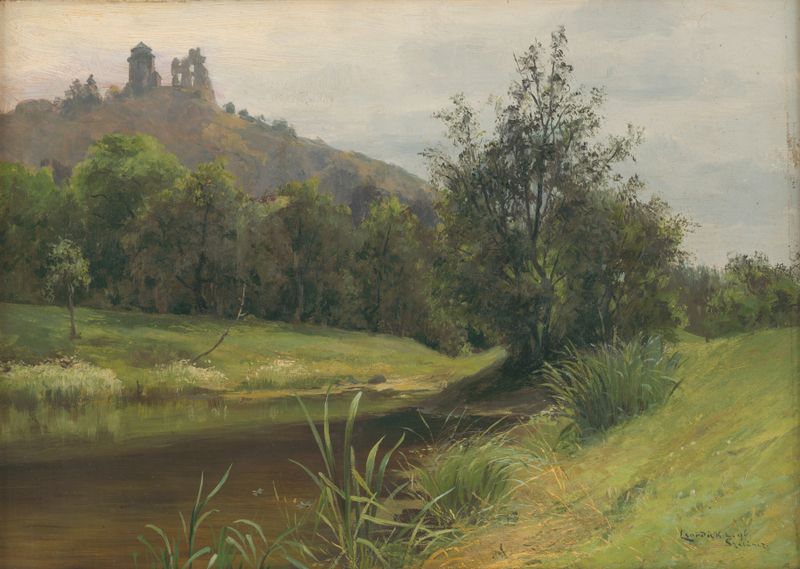
Močarina pod Slaneckým hradom
Ľudovít Čordák
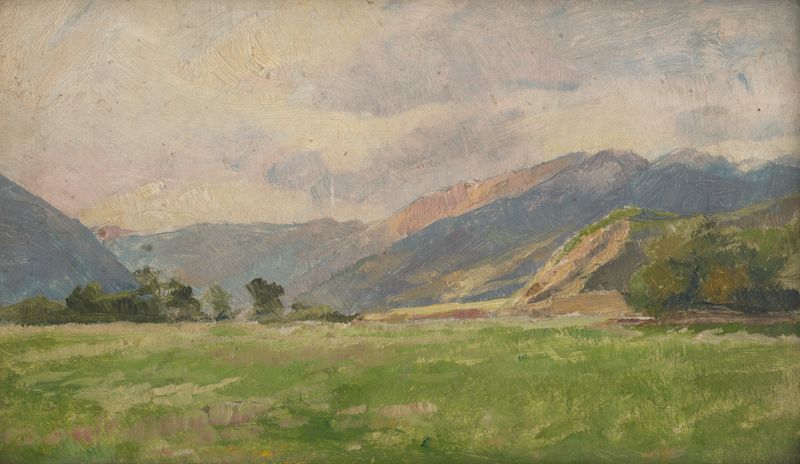
Mountain Meadow
Ľudovít Čordák
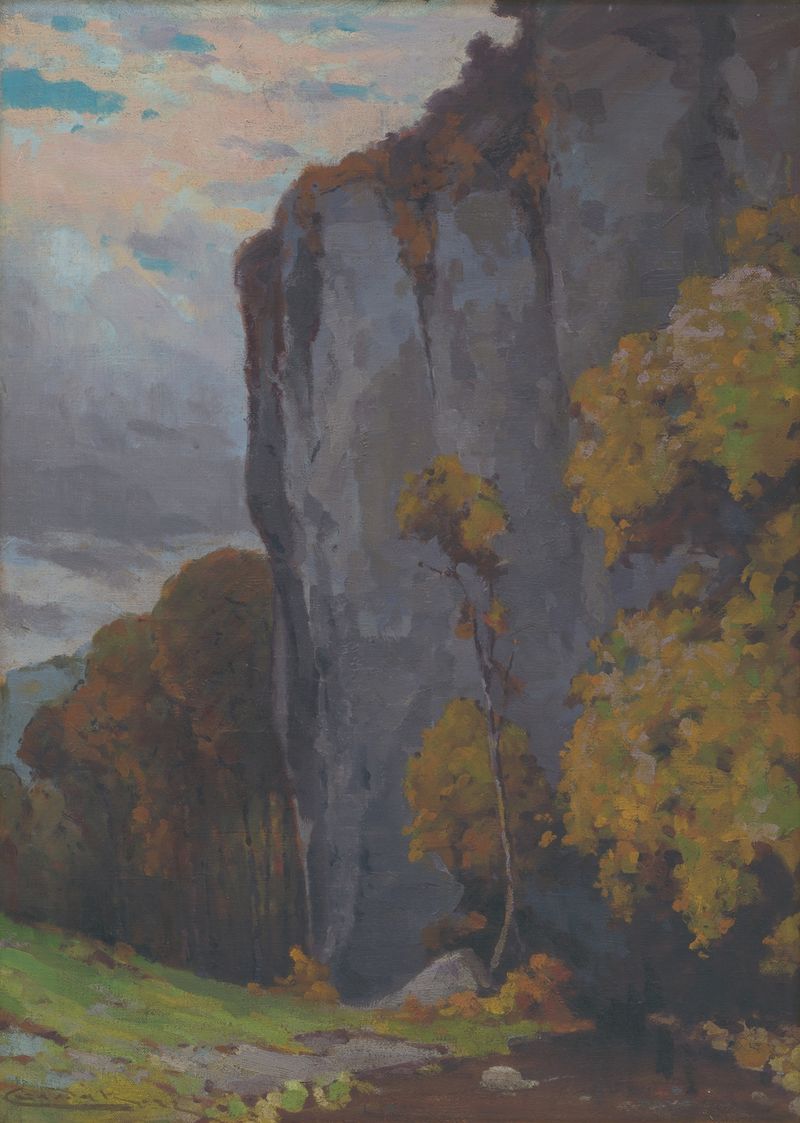
Zádiel
Ľudovít Čordák
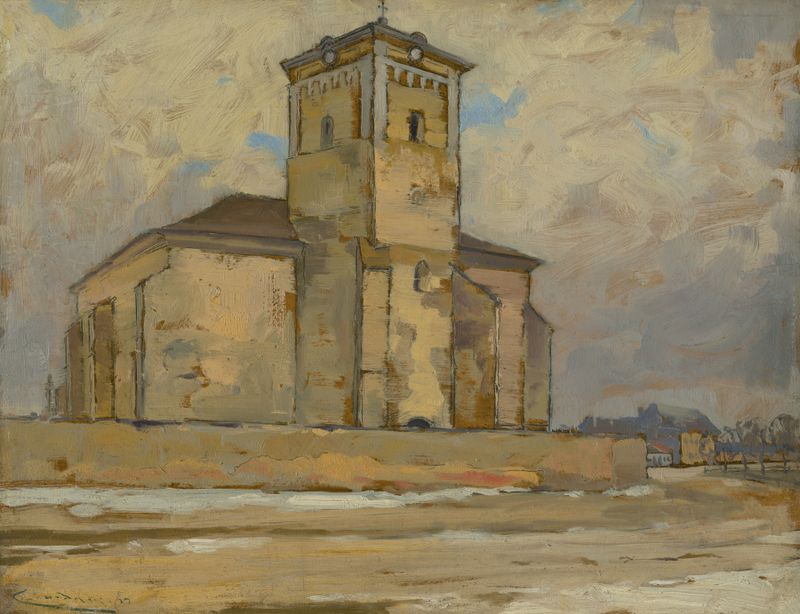
Church in Moldova
Ľudovít Čordák
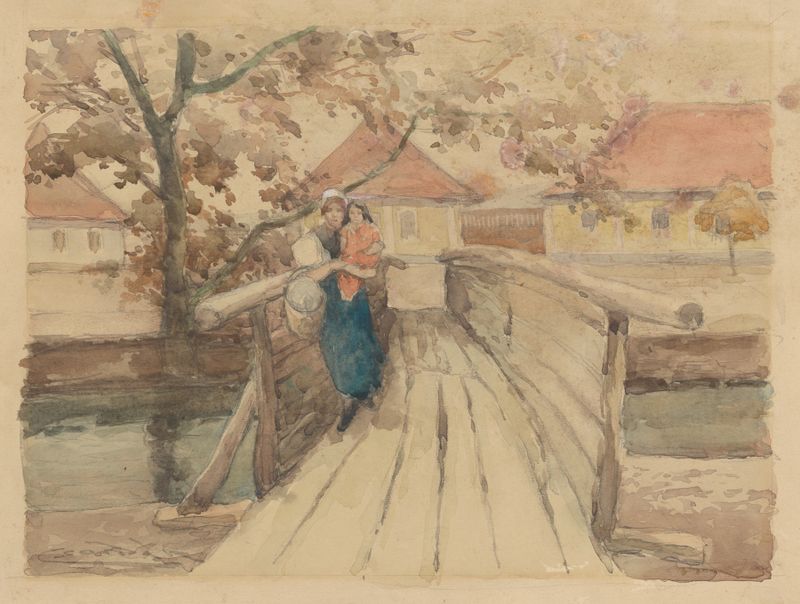
Wooden bridge
Ľudovít Čordák
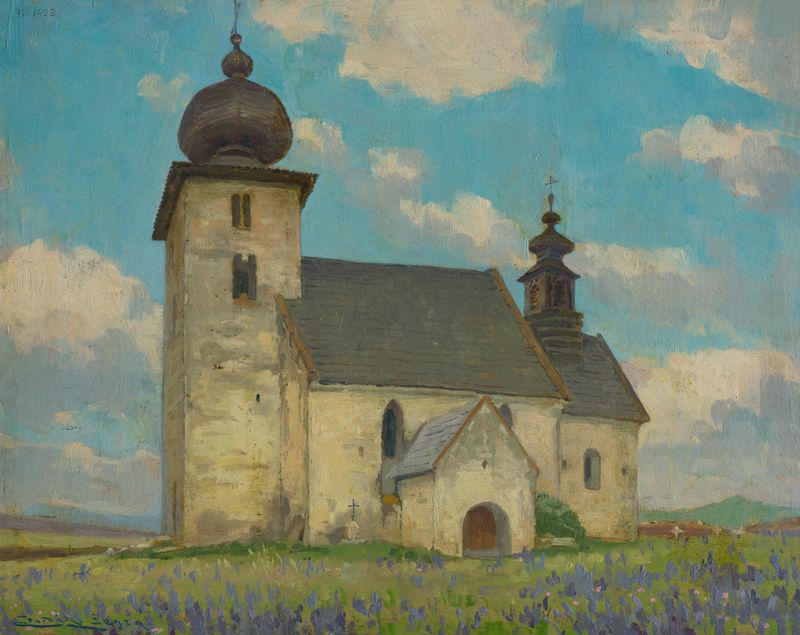
Gothic church in Žehra
Ľudovít Čordák
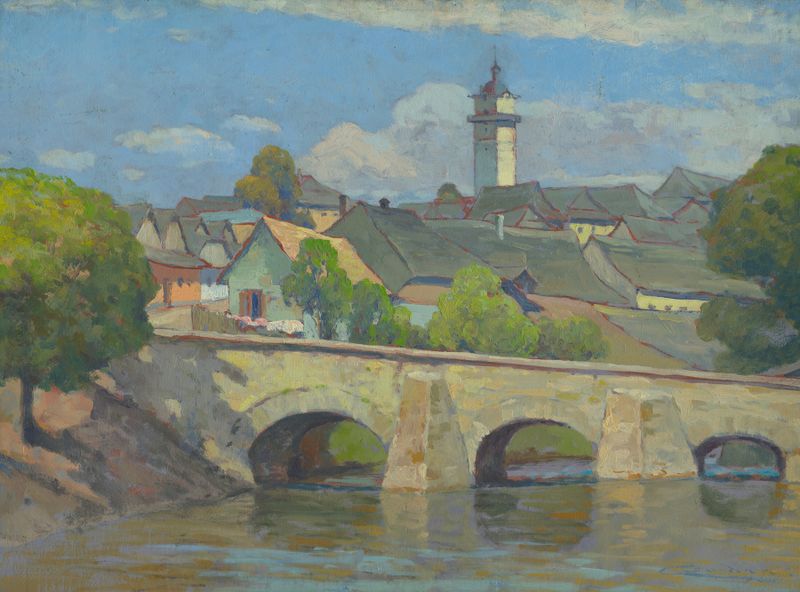
A small town in Spiš
Ľudovít Čordák
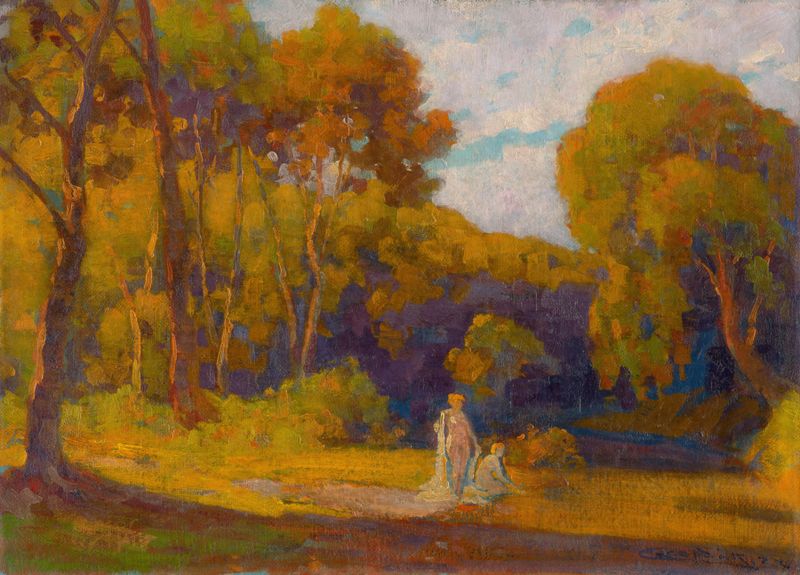
At Sunset
Ľudovít Čordák
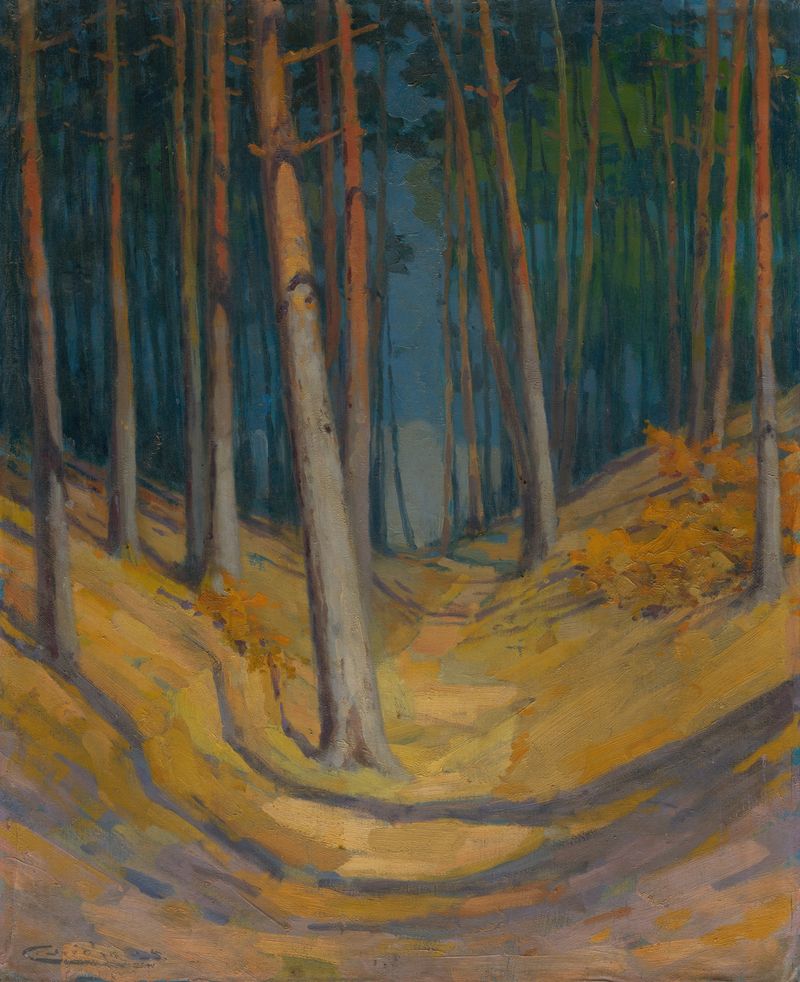
Forest
Ľudovít Čordák





