
Etude d’arbres — History & Facts
In Etude d’arbres, the whisper of nature's grandeur invites us to listen and reflect, connecting us to a serene world beyond the canvas. Look to the left at the vibrant greens and earthy browns that create a tapestry of foliage, while the trunks of the trees rise steadily, their textures both rugged and gentle. Notice how the light dances through the branches, illuminating the leaves with a delicate touch, casting dappled shadows on the ground. The composition is thoughtfully arranged, drawing your eye upwards, as if encouraging you to lose yourself in the embrace of nature. In this study, the juxtaposition of light and shadow elicits a sense of quiet introspection, suggesting a moment of pause within the chaos of the outside world.
The trees stand like sentinels, evoking resilience and permanence, while the interplay of colors offers a fleeting glimpse of beauty, reminding us of life’s transience. Each brushstroke carries the weight of untold stories, merging emotions of solitude with moments of kinship found in the vastness of the landscape. Harpignies painted this work during the late 19th century, a period marked by great innovation and exploration in the art world. As a prominent figure in the Barbizon school, he sought to capture the essence of the French countryside, infusing his landscapes with a deep appreciation for nature's subtleties.
This time in his life was characterized by a deepening pursuit of authenticity in representation, reflecting both personal growth and a broader movement that aimed to bridge the gap between realism and impressionism.
More Artworks by Henri-Joseph Harpignies
Browse all →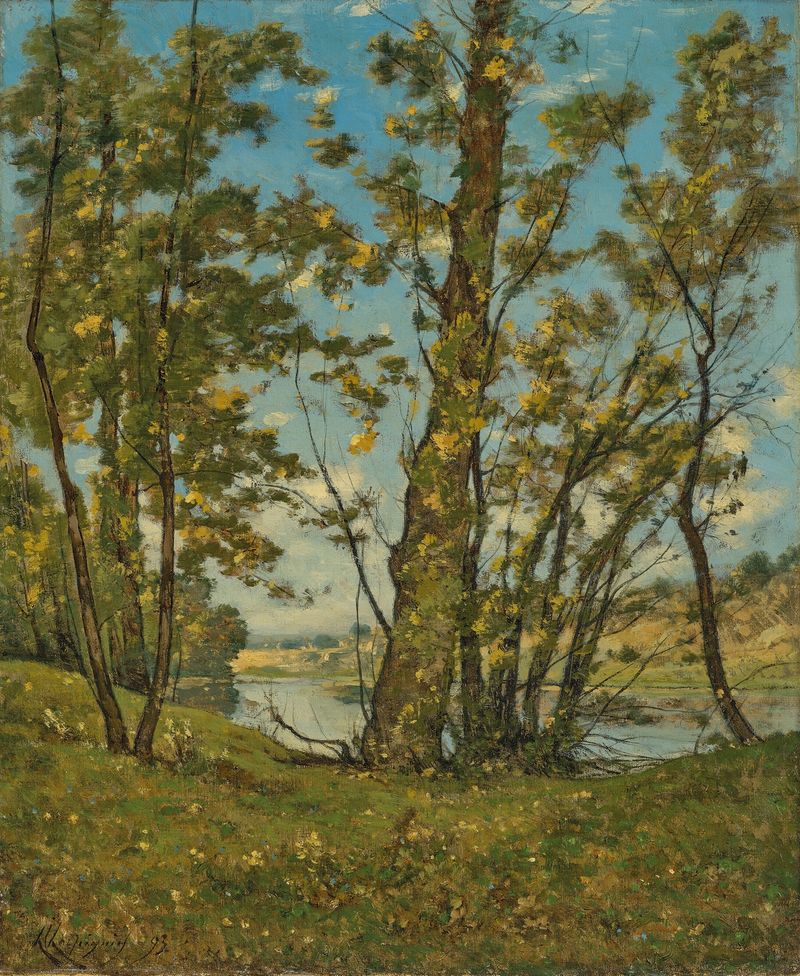
La Loire à Bonny
Henri-Joseph Harpignies
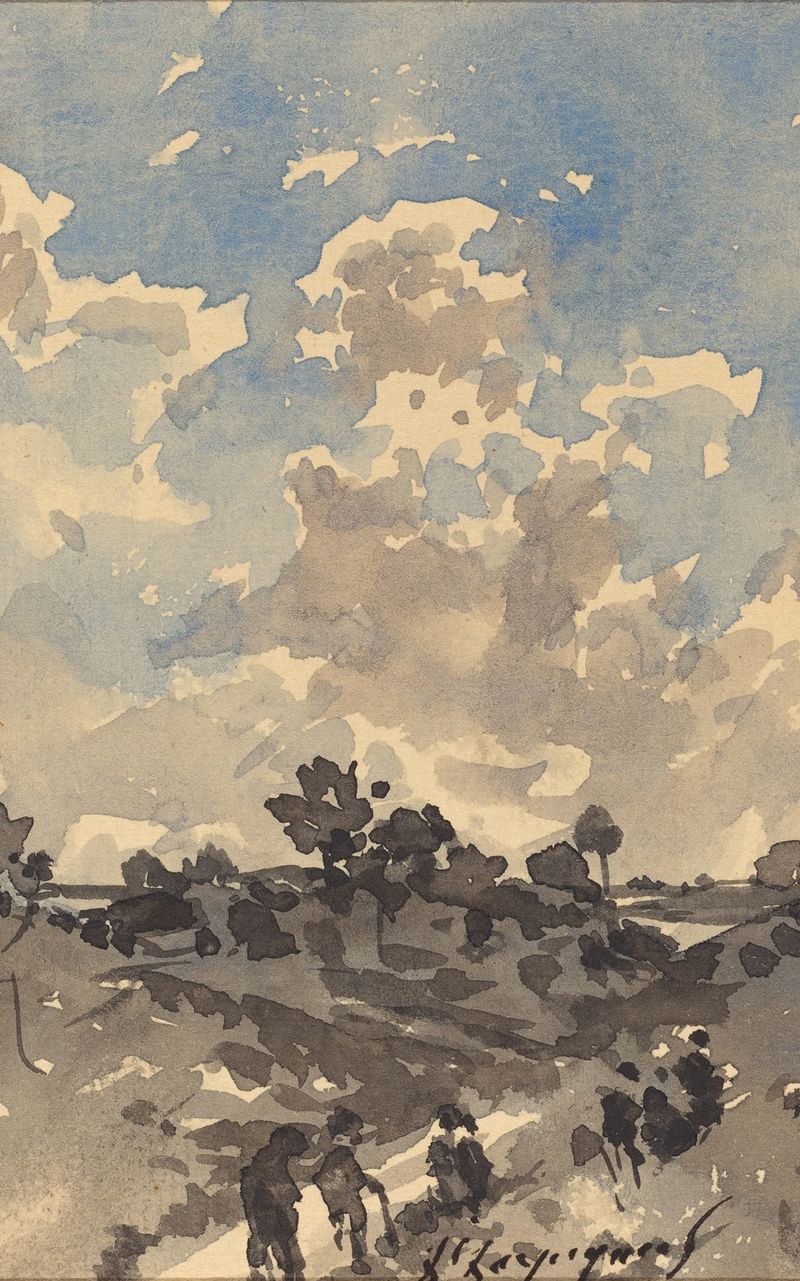
A Landscape with Figures Walking along a Path
Henri-Joseph Harpignies
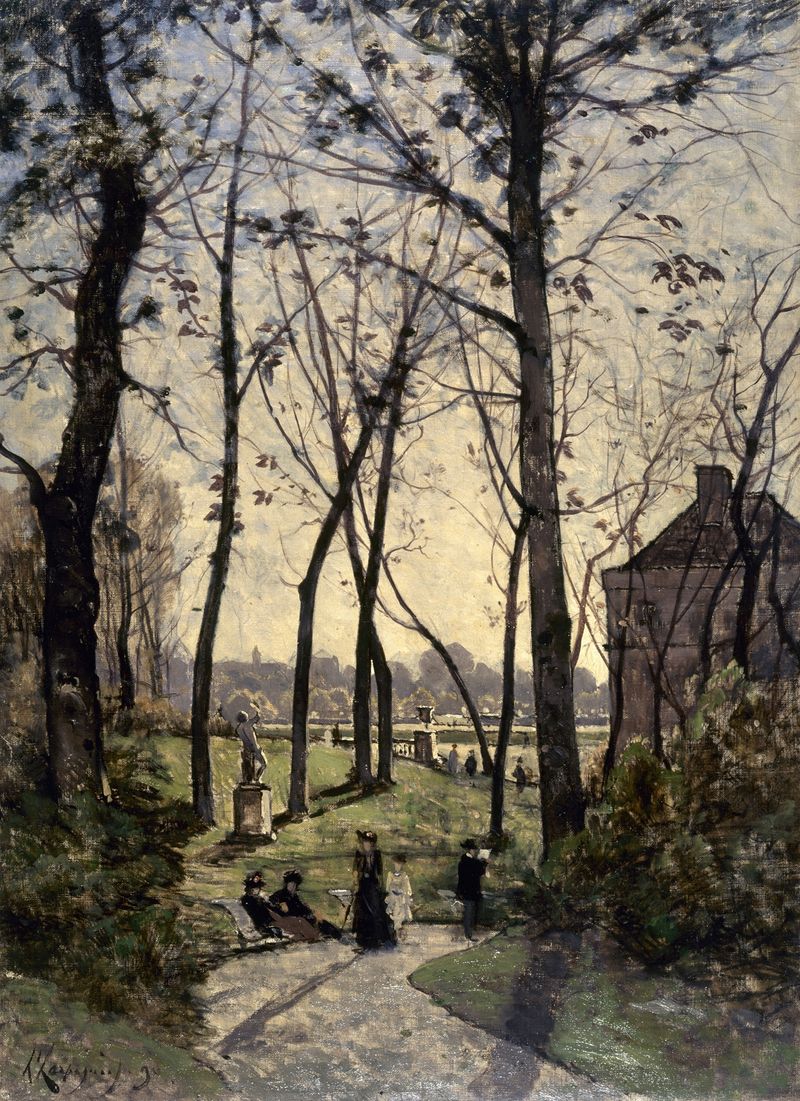
Le jardin du Luxembourg
Henri-Joseph Harpignies
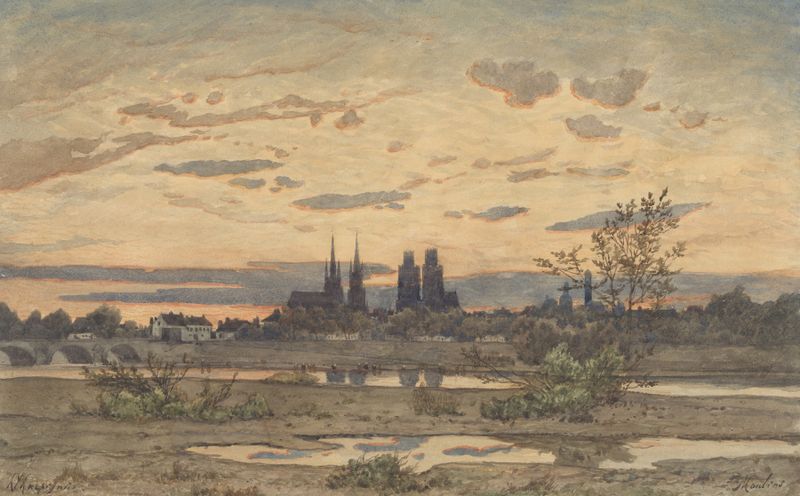
A View of Moulins
Henri-Joseph Harpignies
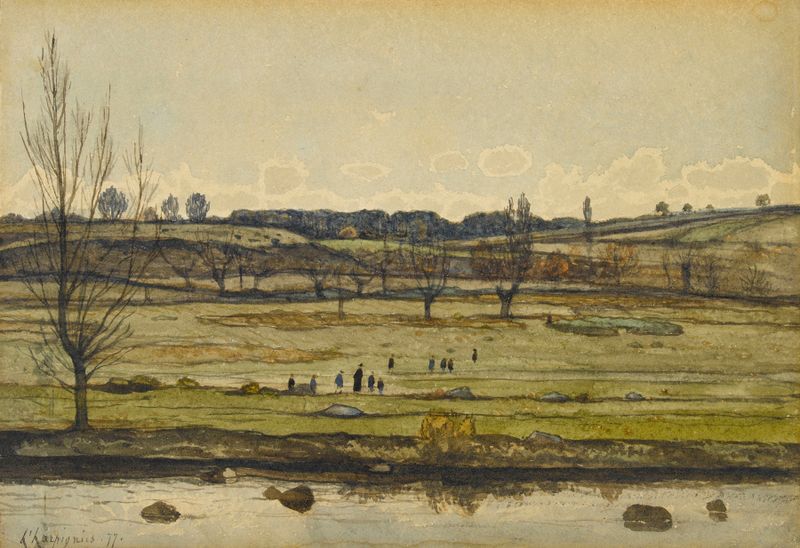
Paysage
Henri-Joseph Harpignies
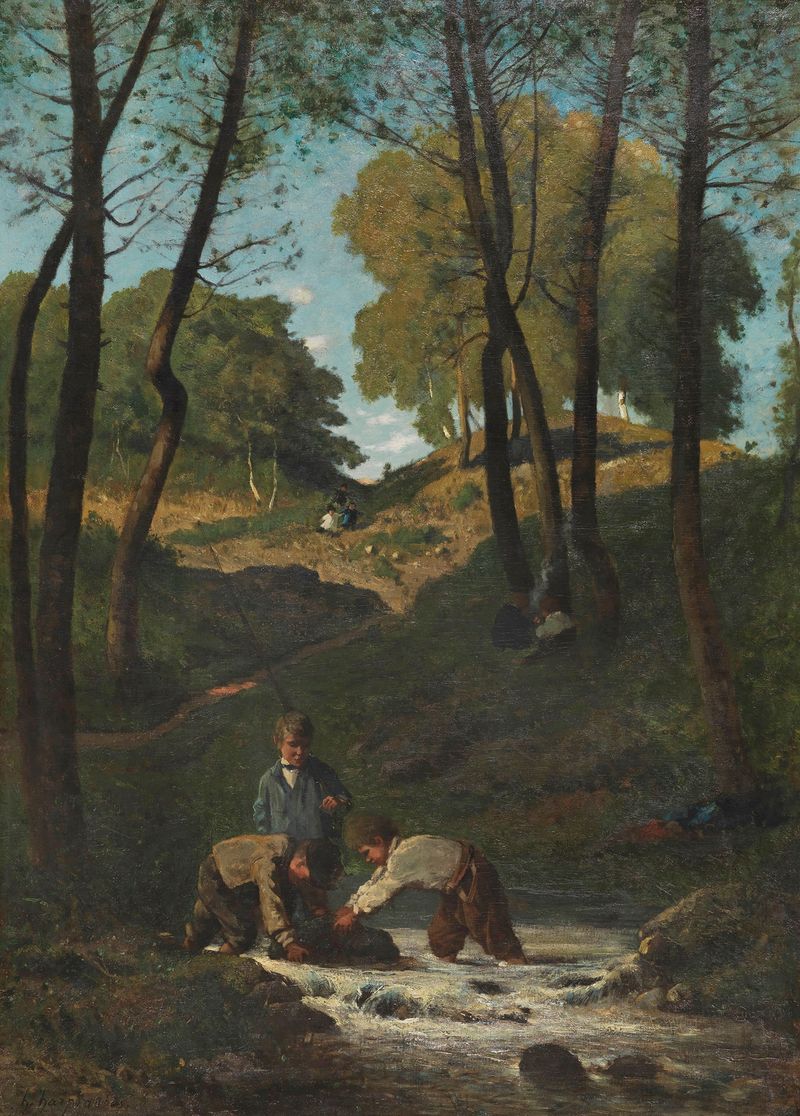
Chercheurs d’écrevisses
Henri-Joseph Harpignies
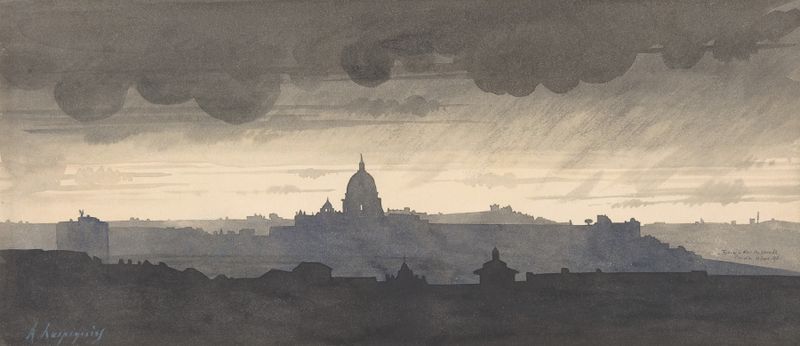
Saint Peter’s Seen From the Pincio, Rome
Henri-Joseph Harpignies
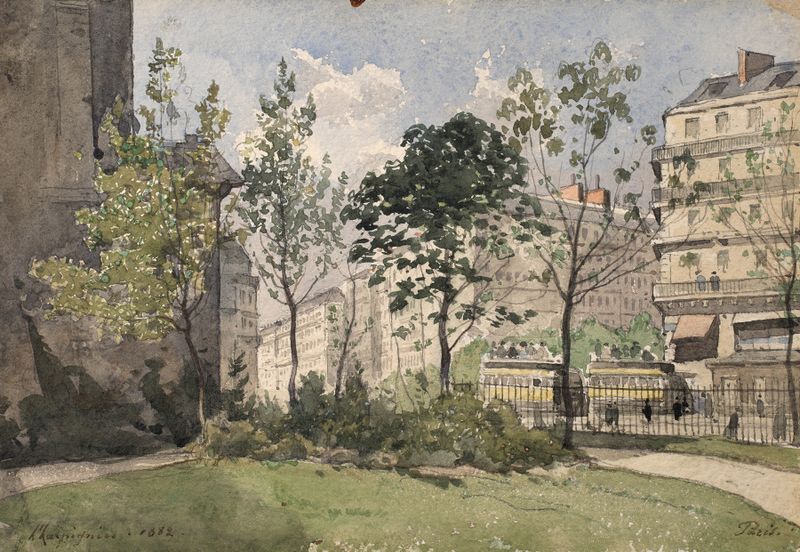
View of the forecourt of the Saint-Germain-des-Prés church
Henri-Joseph Harpignies
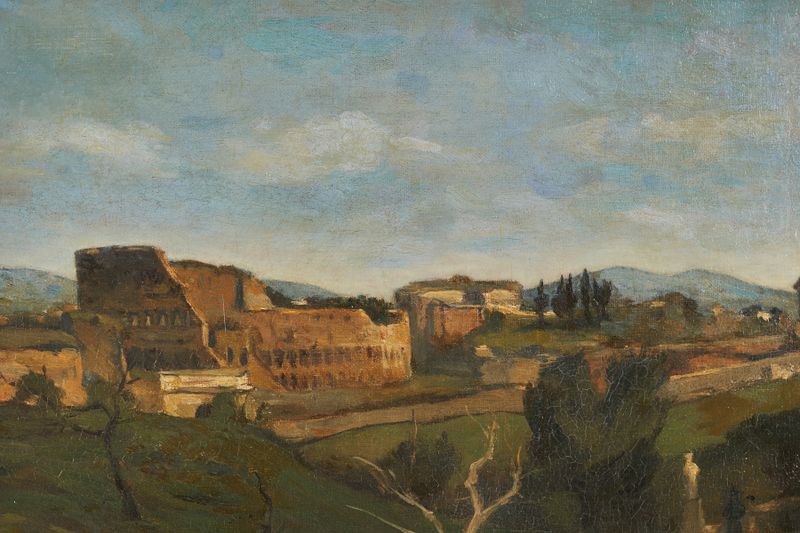
Le Colisée à Rome
Henri-Joseph Harpignies

Villefranche
Henri-Joseph Harpignies





