
Etude d’arbres — History & Facts
What secret hides in the quiet of the canvas? In Etude d’arbres, the gentle sway of trees whispers a fragile truth that beckons us to listen. Focus on the delicate trunk at the center, its bark textured with strokes that suggest both strength and vulnerability. Notice how the verdant canopy above bathes the scene in dappled sunlight, creating a serene interplay of light and shadow across the ground. The artist’s soft brushwork renders the leaves almost translucent, inviting you to feel the breeze that stirs them, yet the stillness hints at an undercurrent of tension. The juxtaposition of light and dark evokes a sense of transience, reminding us of the fleeting nature of beauty.
Each tree, uniquely formed, stands as a testament to resilience amid the impermanence of life. Hidden in the quietude is the awareness of fragility—each leaf poised as if ready to let go, capturing the balance between existence and oblivion. In 1847, Henri-Joseph Harpignies was immersed in the burgeoning movement of landscape painting in France. He painted in the midst of romanticism’s sway over the art world, where nature was revered not just for its beauty, but as a mirror to the human soul.
This period of exploration and expression influenced Harpignies, leading him to capture both the majesty and the nuanced vulnerability of the natural world in works like Etude d’arbres.
More Artworks by Henri-Joseph Harpignies
Browse all →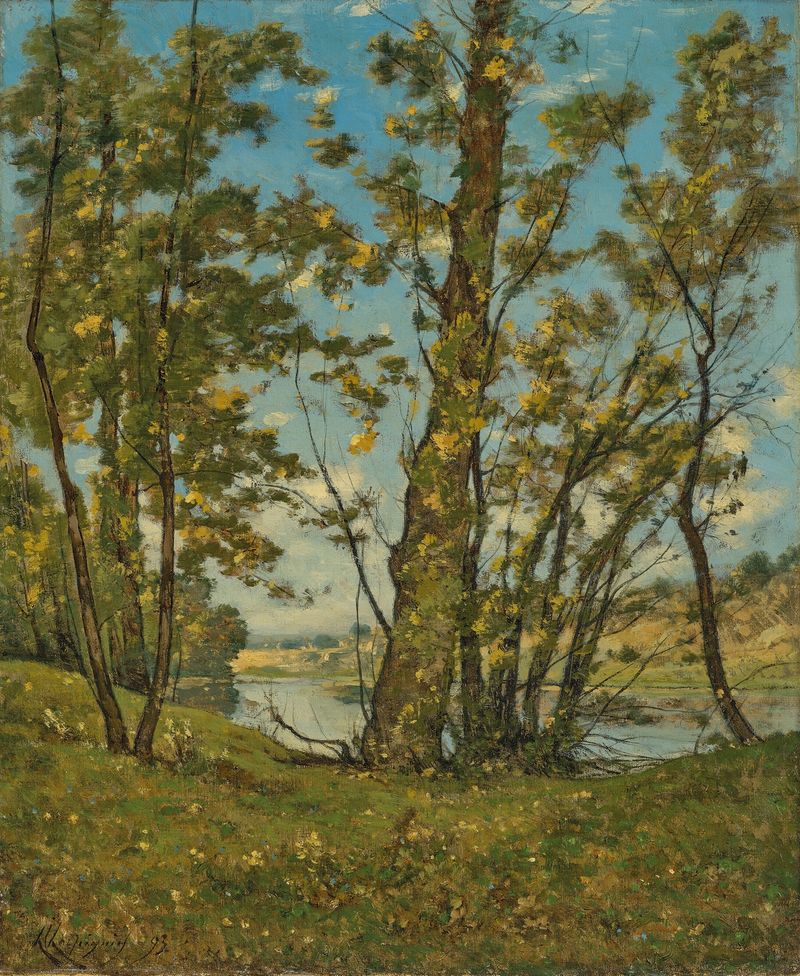
La Loire à Bonny
Henri-Joseph Harpignies
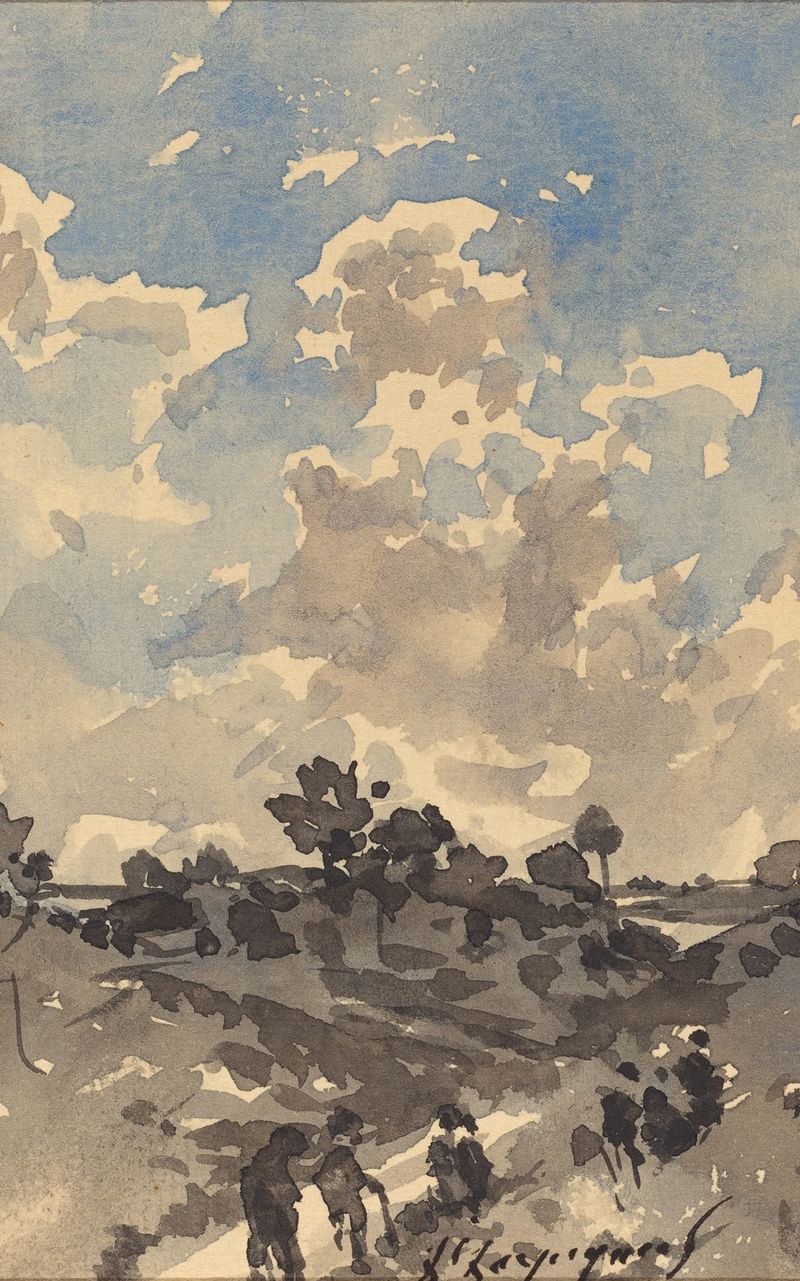
A Landscape with Figures Walking along a Path
Henri-Joseph Harpignies
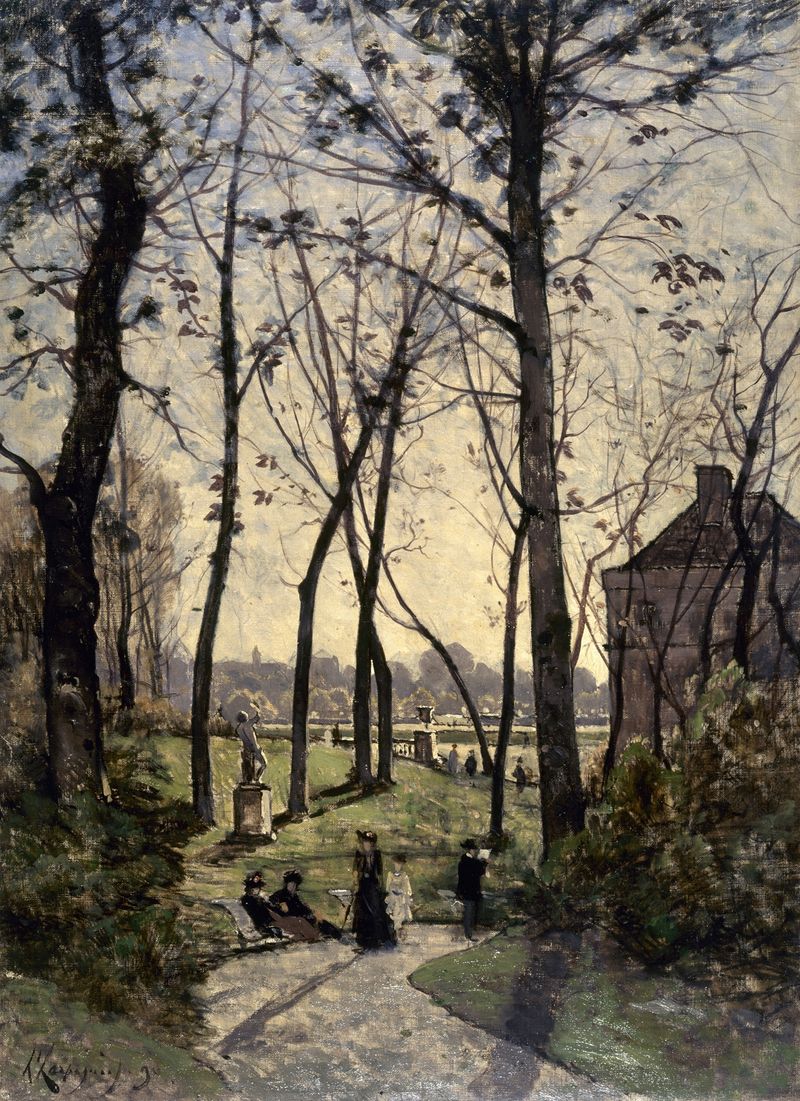
Le jardin du Luxembourg
Henri-Joseph Harpignies
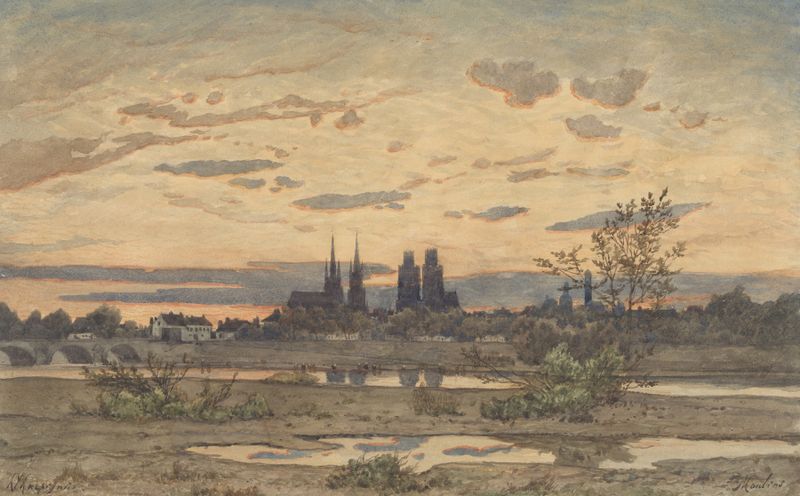
A View of Moulins
Henri-Joseph Harpignies
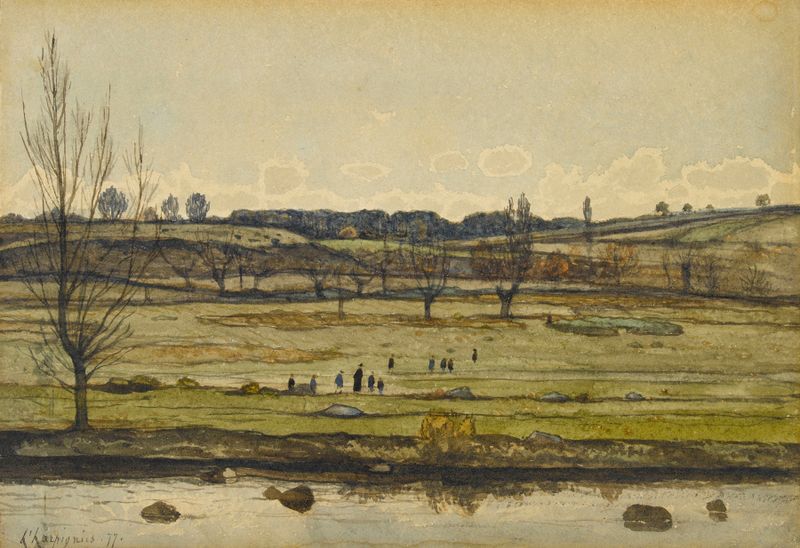
Paysage
Henri-Joseph Harpignies
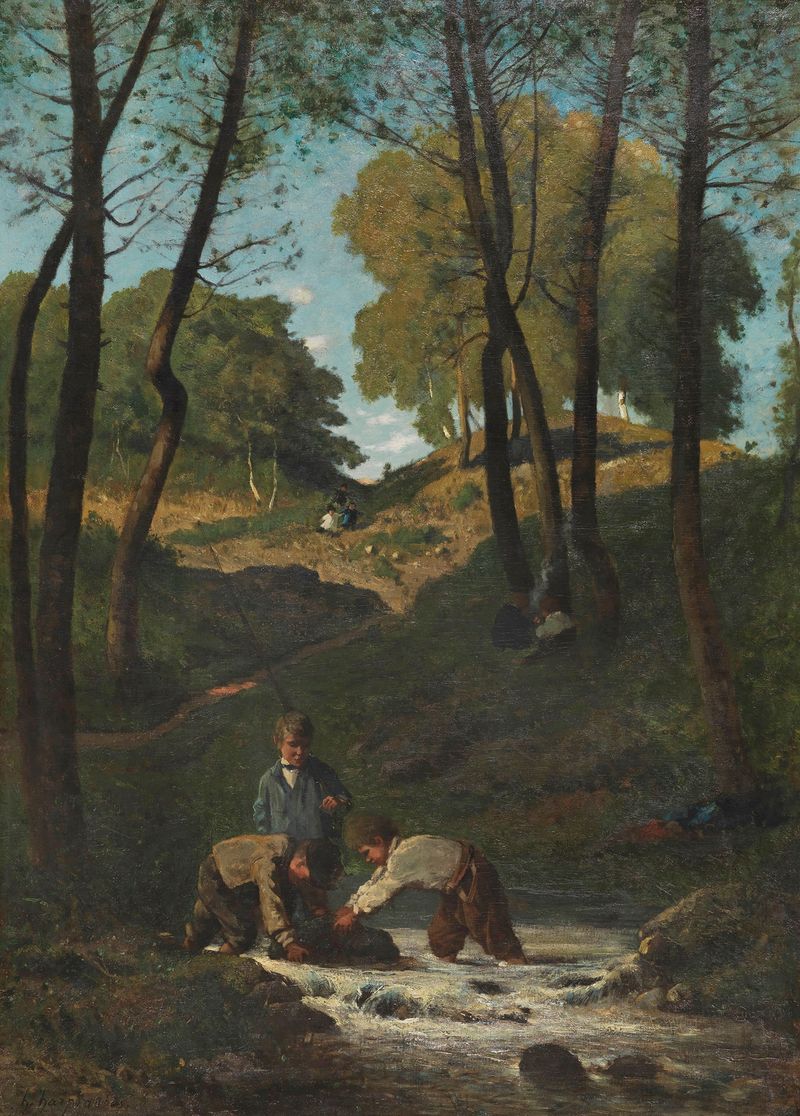
Chercheurs d’écrevisses
Henri-Joseph Harpignies
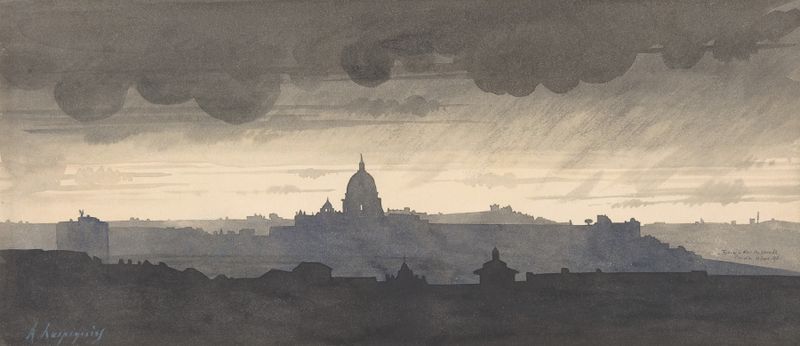
Saint Peter’s Seen From the Pincio, Rome
Henri-Joseph Harpignies
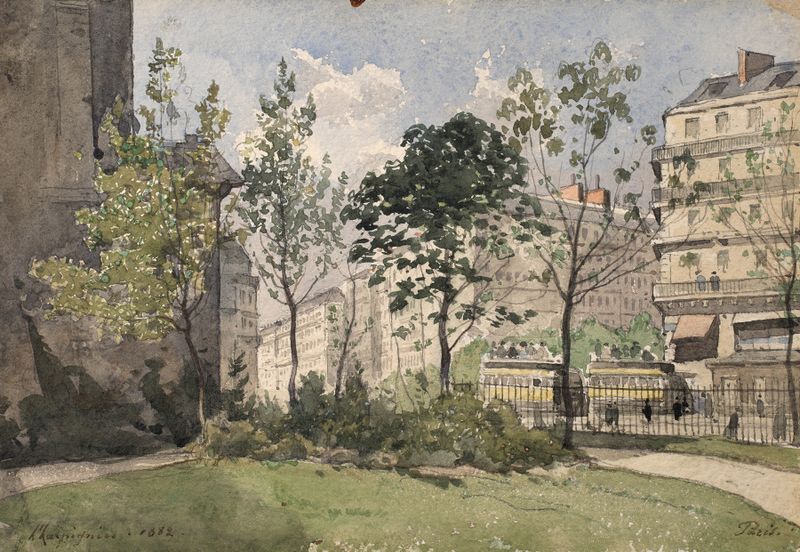
View of the forecourt of the Saint-Germain-des-Prés church
Henri-Joseph Harpignies
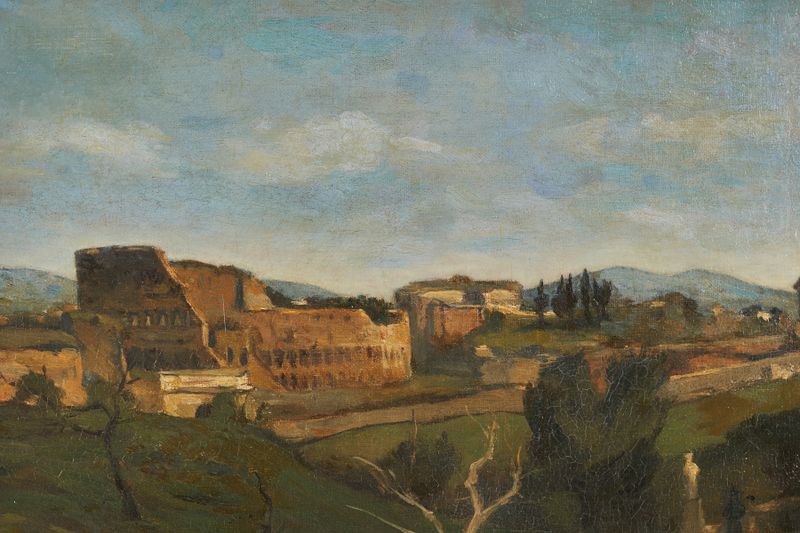
Le Colisée à Rome
Henri-Joseph Harpignies

Villefranche
Henri-Joseph Harpignies





