
Etude d’arbuste, au fond quelques chaumières — History & Facts
Who listens when art speaks of silence? In Etude d’arbuste, au fond quelques chaumières, a tranquil stillness envelops the canvas, inviting contemplation and the innocent whispers of nature. Look to the left at the delicate brushstrokes that form the lush green shrubbery, vibrant yet tender. Notice how the light sifts through the foliage, creating a serene interplay of shadow and illumination. The background is a gentle wash of pastel hues, where quaint cottages emerge softly, embodying rustic charm.
This harmonious composition and subtle color palette evoke a sense of nostalgia, as if the scene were plucked from a distant memory. Within this pastoral landscape, there exists a contrast between the vitality of the shrubbery and the stillness of the cottages, suggesting a dialogue between nature and human presence. The innocence of the greenery stands in stark relief to the constructed homes, blending the organic with the artificial. Each element seems to breathe, inviting viewers to ponder the relationship between humanity and the natural world, evoking a bittersweet longing for simplicity. In 1878, while creating this piece, the artist found himself in a period of personal reflection and growth.
Working in France, he was part of an artistic community that valued the Impressionist movement, embracing the natural environment as a source of inspiration. This artwork reflects not only his evolving style but also the broader societal shift towards recognizing the beauty of humble, everyday scenes during a time of rapid industrialization.
More Artworks by Henri-Joseph Harpignies
Browse all →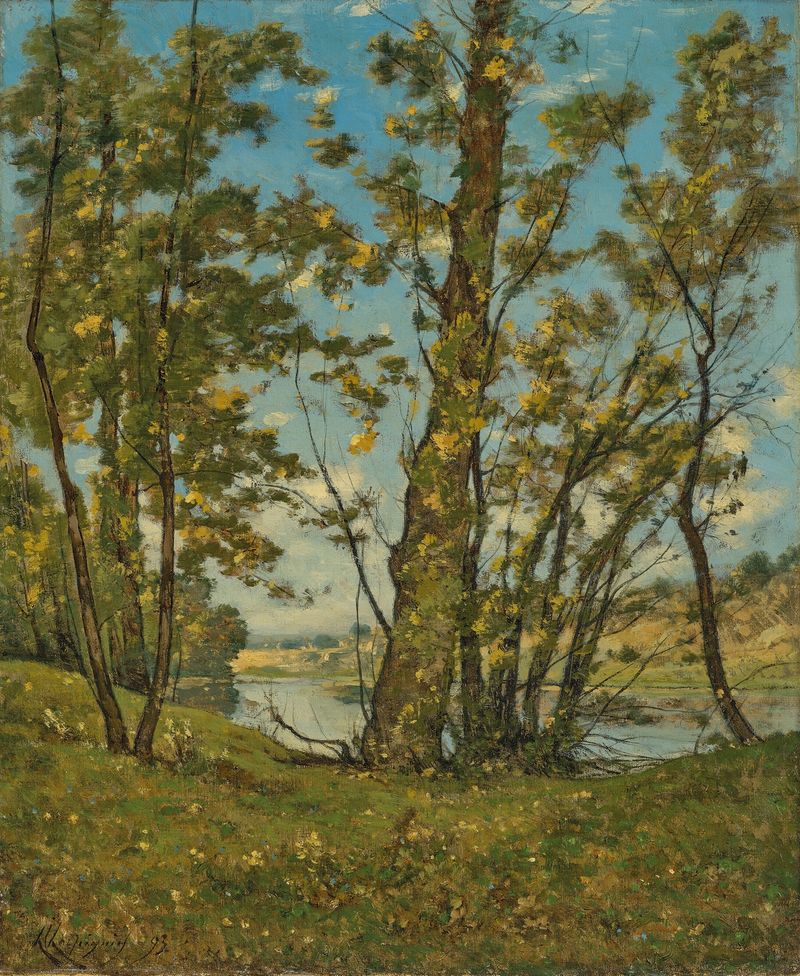
La Loire à Bonny
Henri-Joseph Harpignies
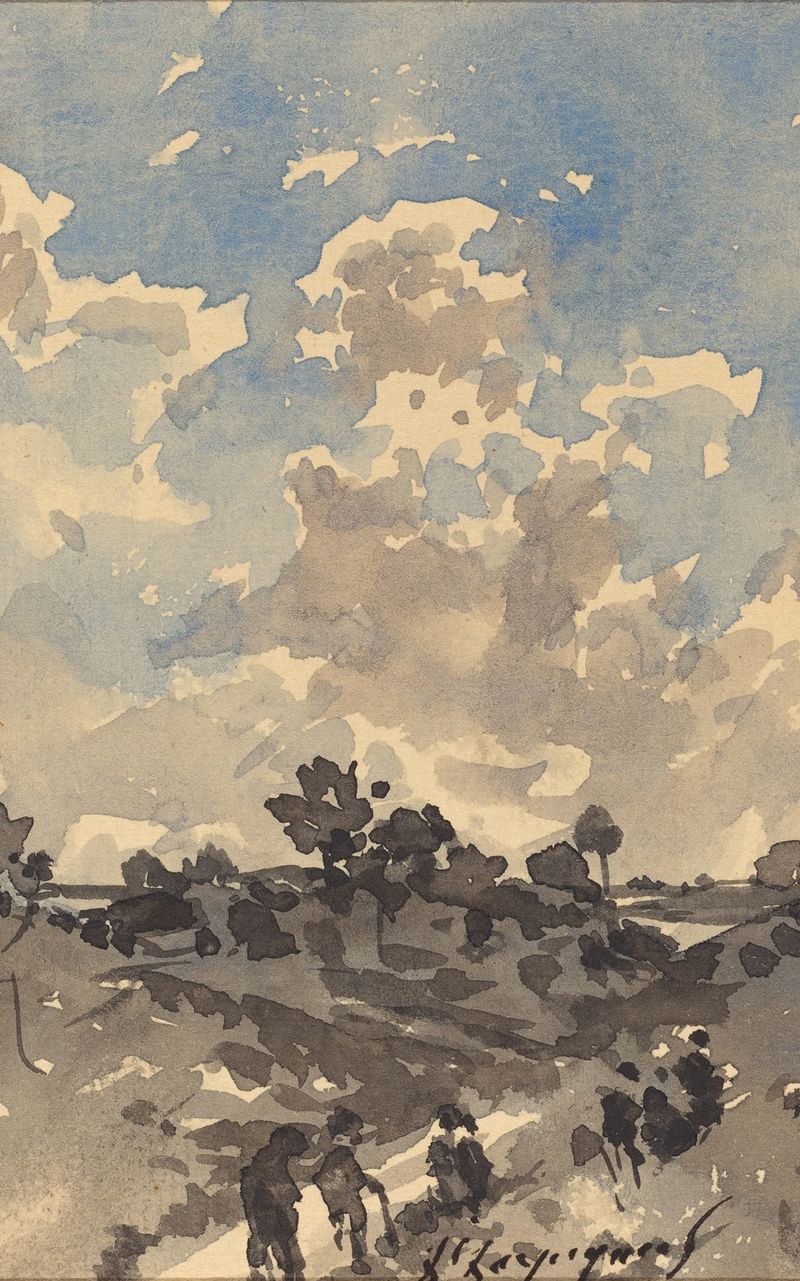
A Landscape with Figures Walking along a Path
Henri-Joseph Harpignies
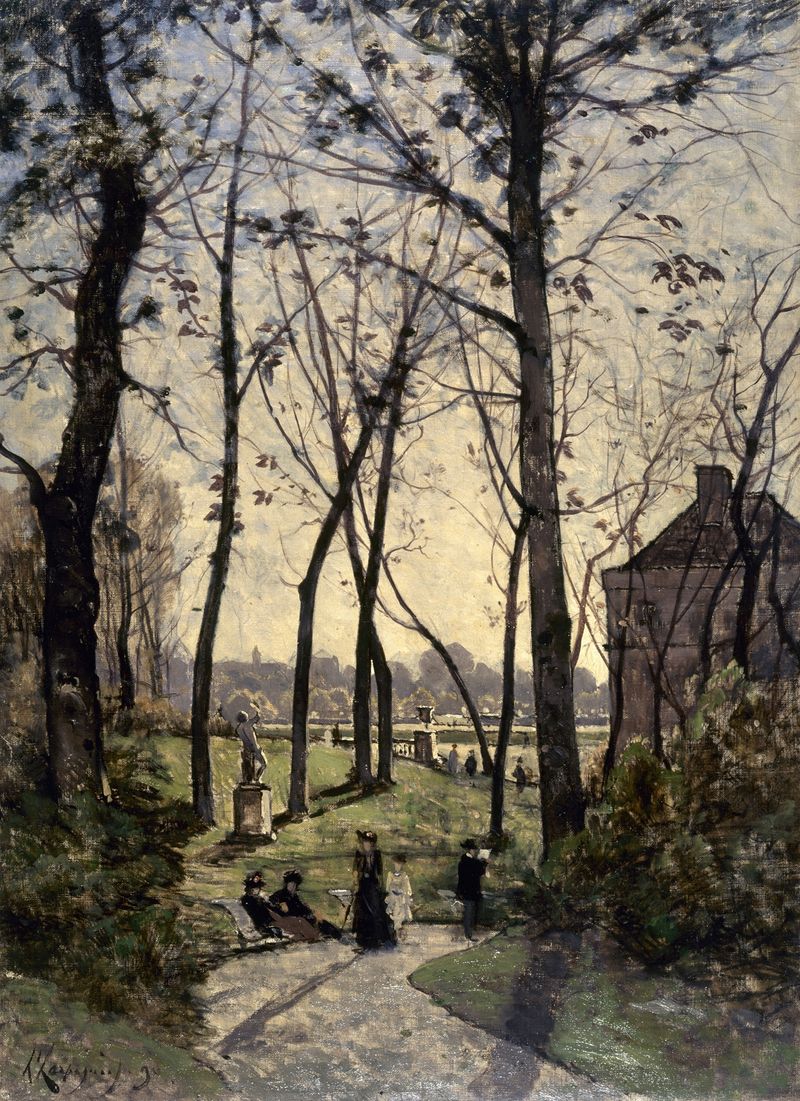
Le jardin du Luxembourg
Henri-Joseph Harpignies
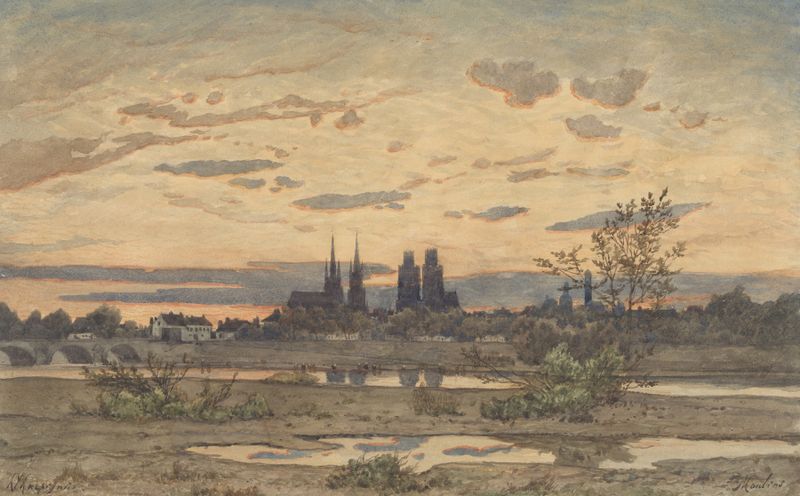
A View of Moulins
Henri-Joseph Harpignies
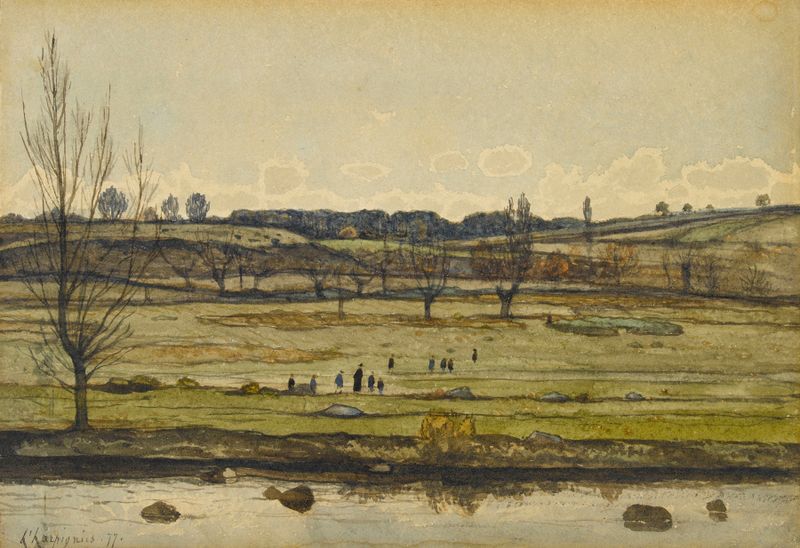
Paysage
Henri-Joseph Harpignies
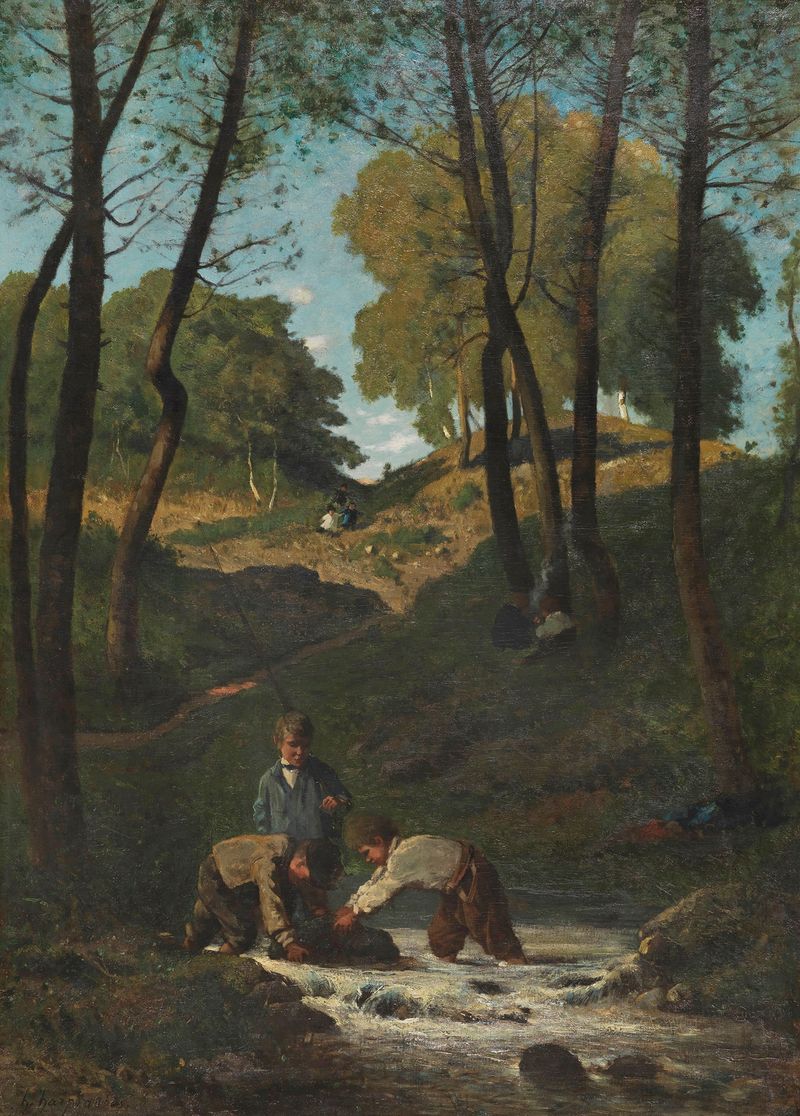
Chercheurs d’écrevisses
Henri-Joseph Harpignies
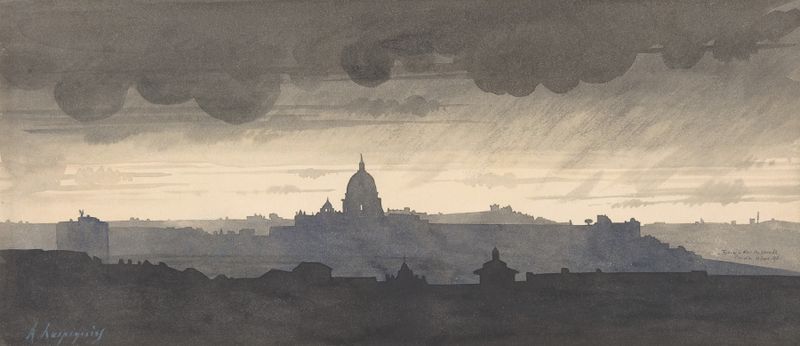
Saint Peter’s Seen From the Pincio, Rome
Henri-Joseph Harpignies
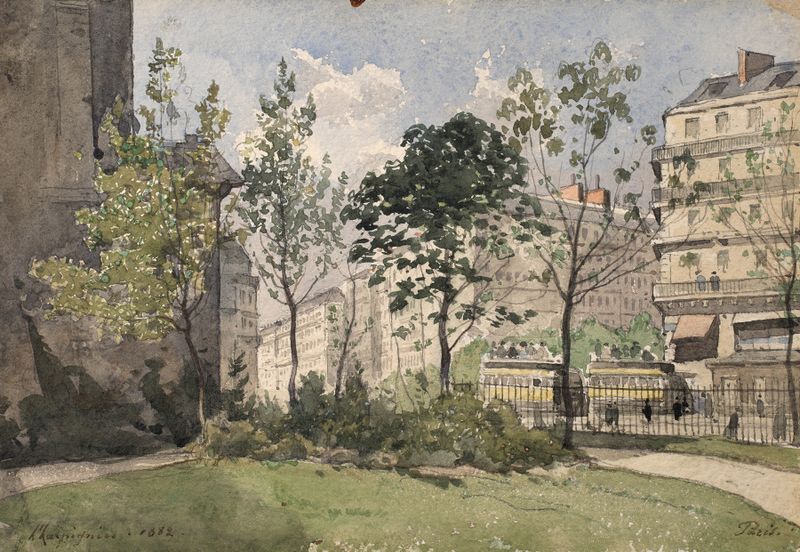
View of the forecourt of the Saint-Germain-des-Prés church
Henri-Joseph Harpignies
Le Colisée à Rome
Henri-Joseph Harpignies

Villefranche
Henri-Joseph Harpignies





