
Etude de ciel — History & Facts
In a realm where nature’s luminance dances on the edge of reality, Etude de ciel conjures an ethereal illusion that draws the viewer into a suspended moment of contemplation. Focus on the upper expanse of canvas, where varying shades of blue intertwine with soft whites and gentle silvers, revealing a sky alive with movement. The brushwork is delicate yet assertive, giving the impression of swirling clouds that seem to flicker like whispers of a breeze. Notice how the light spills across the horizon, illuminating the scene with a transcendent glow, inviting a sense of calm and wonder as if one could step into this painted sky. The subtle contrast between the vibrant hues and muted tones captures an emotional tension — between serenity and storm, hope and despair.
The strokes convey a fleeting nature, reminiscent of the transience of life itself, while the illusion of depth invites introspection. Each layer of paint hints at unspoken narratives, encouraging viewers to ponder their own experiences of longing and solace in the vastness above. Created during the late 19th century, this work emerged while Harpignies was deeply engaged with the Impressionist movement in France. At a time when the art world was shifting focus towards the fleeting effects of light and atmosphere, he solidified his reputation as a master of landscape painting, finding beauty in the simplicity of nature’s ever-changing skies.
More Artworks by Henri-Joseph Harpignies
Browse all →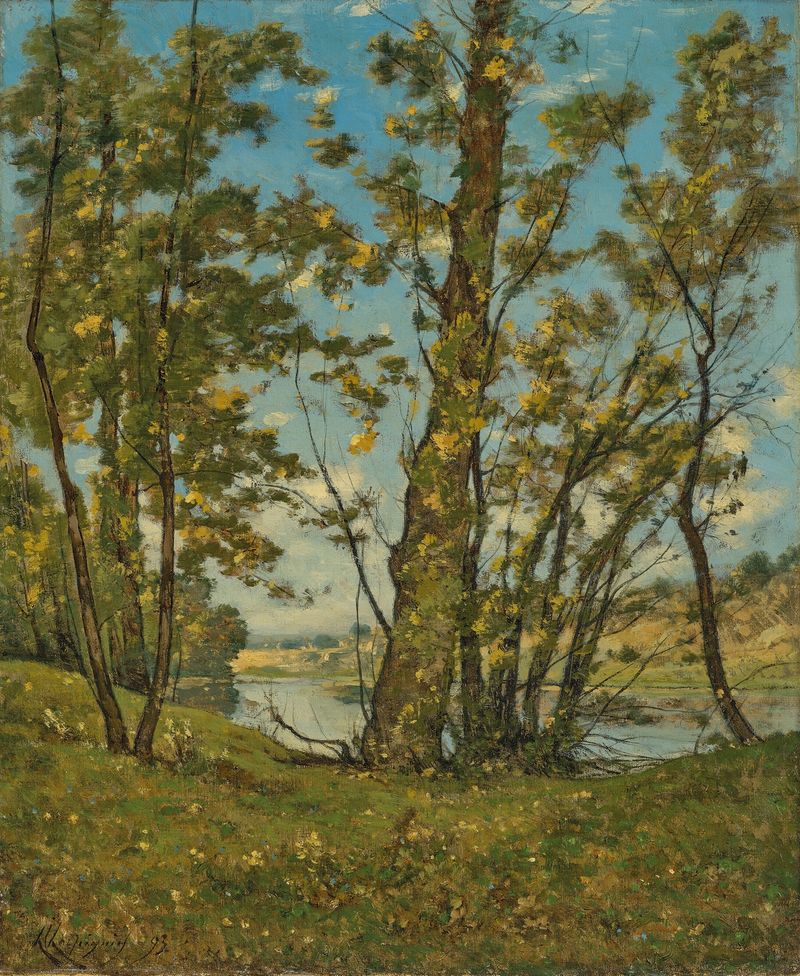
La Loire à Bonny
Henri-Joseph Harpignies
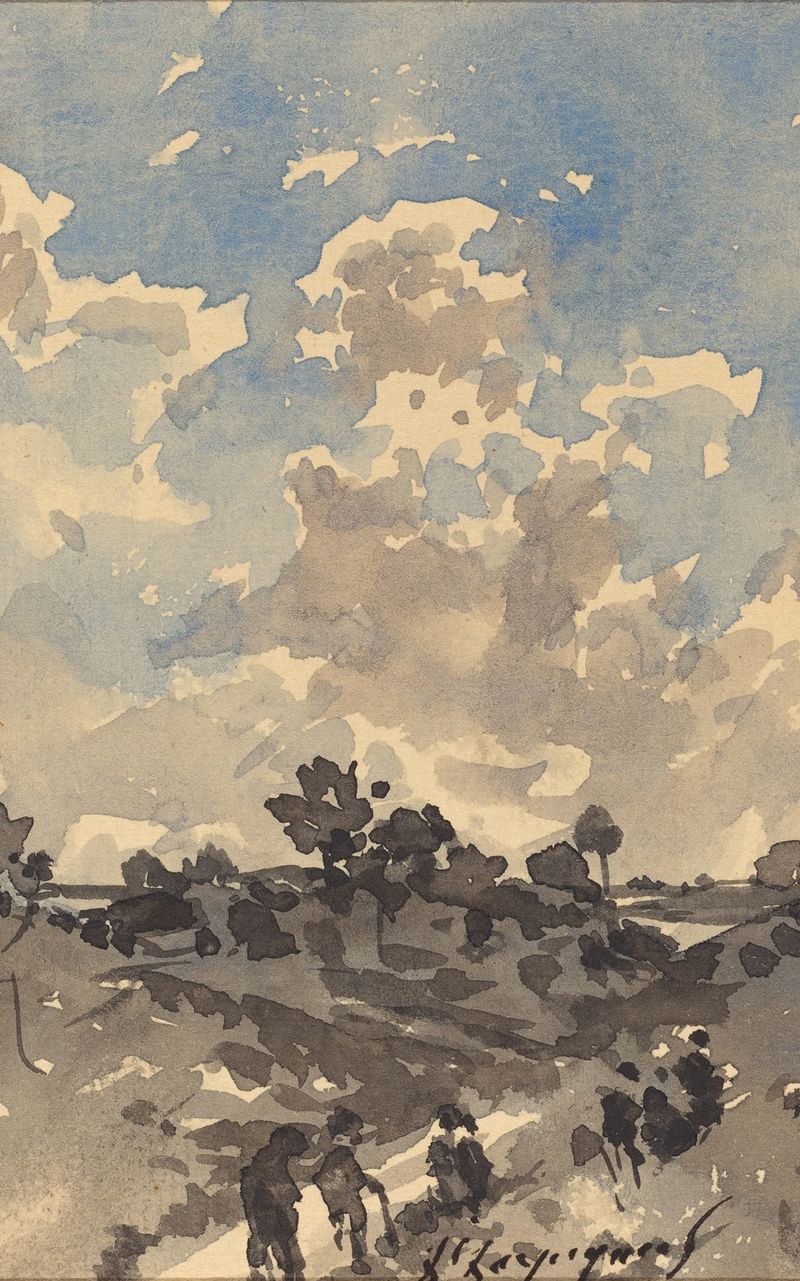
A Landscape with Figures Walking along a Path
Henri-Joseph Harpignies
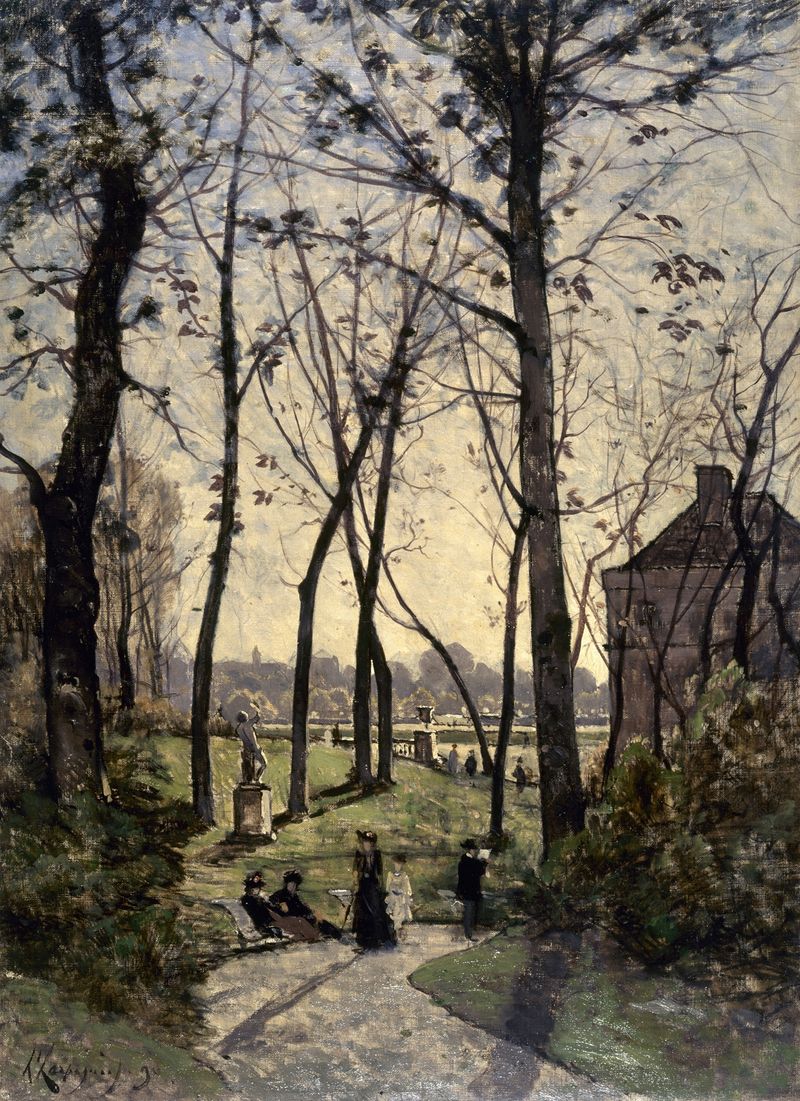
Le jardin du Luxembourg
Henri-Joseph Harpignies
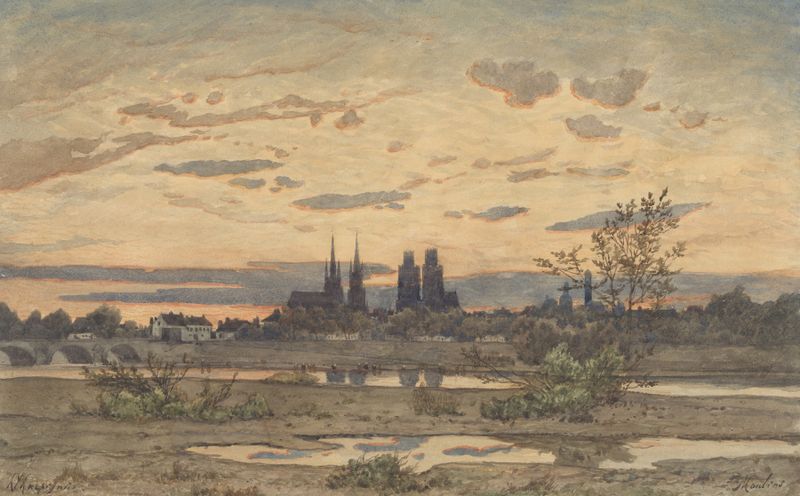
A View of Moulins
Henri-Joseph Harpignies
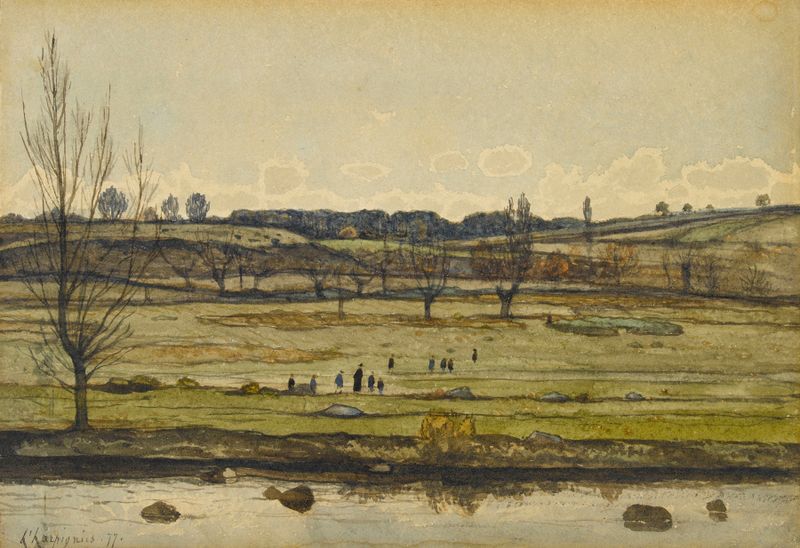
Paysage
Henri-Joseph Harpignies
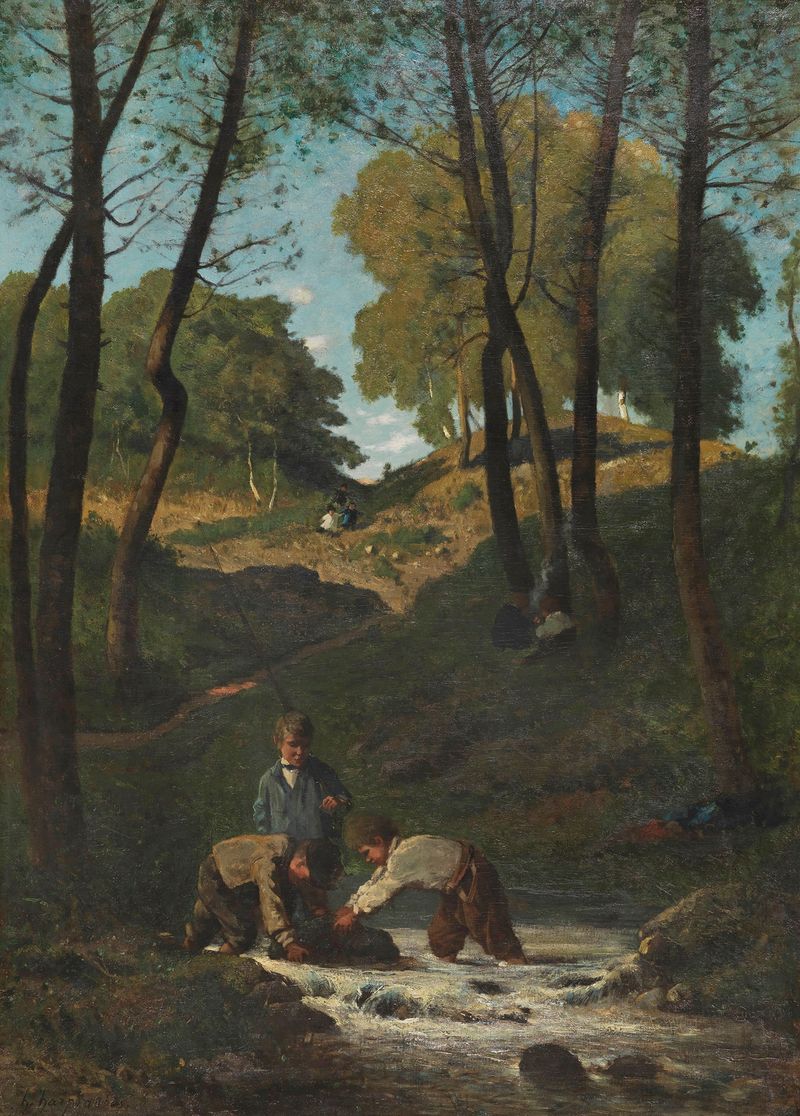
Chercheurs d’écrevisses
Henri-Joseph Harpignies
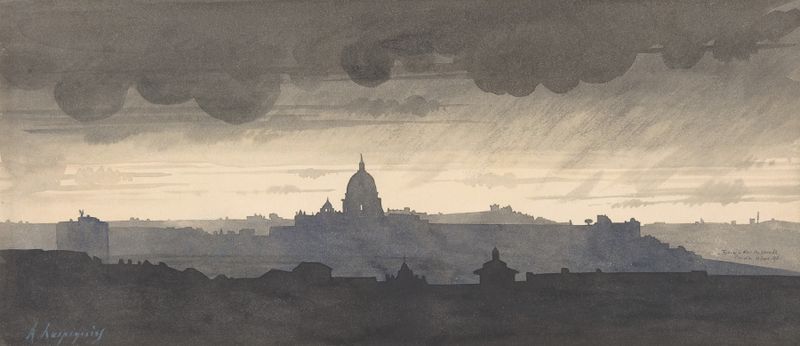
Saint Peter’s Seen From the Pincio, Rome
Henri-Joseph Harpignies
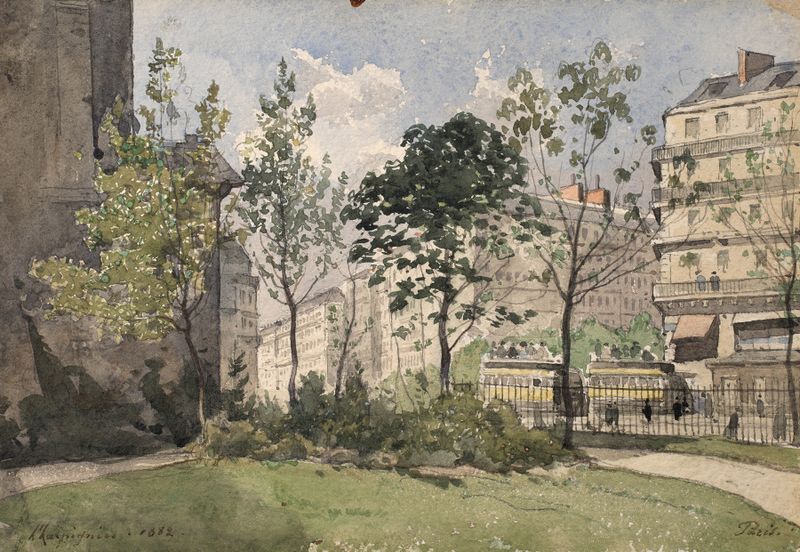
View of the forecourt of the Saint-Germain-des-Prés church
Henri-Joseph Harpignies
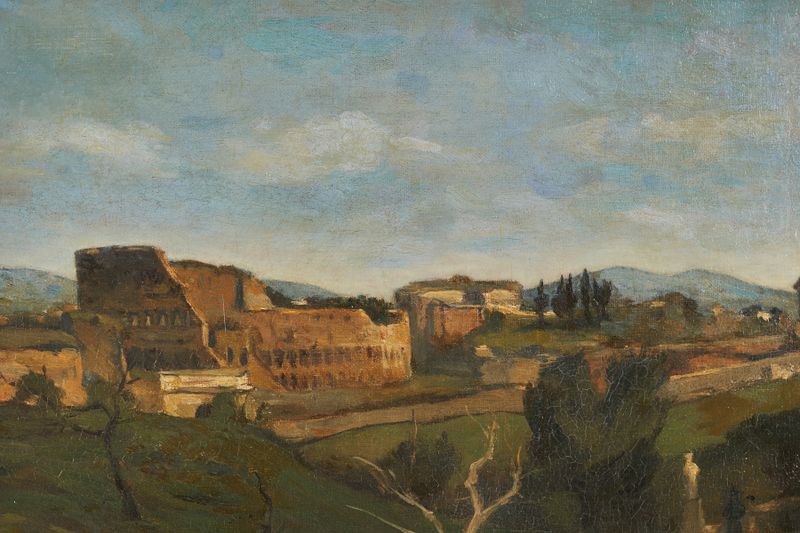
Le Colisée à Rome
Henri-Joseph Harpignies

Villefranche
Henri-Joseph Harpignies





