
Etude de ciel — History & Facts
What if beauty was never meant to be finished? In Etude de ciel, a fleeting moment of nature unfolds, inviting us to ponder the inherent violence of creation — a clash between calm and chaos. Look to the upper third of the canvas where a tempestuous sky erupts in hues of deep violet and passionate crimson. The brushwork here is vigorous, each stroke suggesting the very breath of the wind. As you move downward, notice how the lighter blues and soft whites blend, creating a serene contrast that highlights the tumult above.
The composition's dynamic balance draws the eye into this interplay between tranquility and turmoil, revealing the artist's deft command over color and form. In the swirling clouds, one can sense the emotional tension that resides within this atmospheric study. The juxtaposition of serene light against the vibrant chaos resonates with the tumult of life itself — moments of peace interrupted by the rawness of nature’s fury. There is violence not only in the colors but in the very act of painting, as if capturing the sky demanded a struggle that reflects our own human experiences of beauty and despair. Harpignies created Etude de ciel during a period of artistic exploration in the late 19th century, when the Impressionist movement was reshaping the landscape of art.
Living in France amidst a burgeoning appreciation for plein air painting, he sought to convey the immediacy of nature in ways that resonated with this evolving aesthetic. His work reflects not only his personal engagement with natural beauty but also the collective spirit of a time that embraced the fleeting and the visceral.
More Artworks by Henri-Joseph Harpignies
Browse all →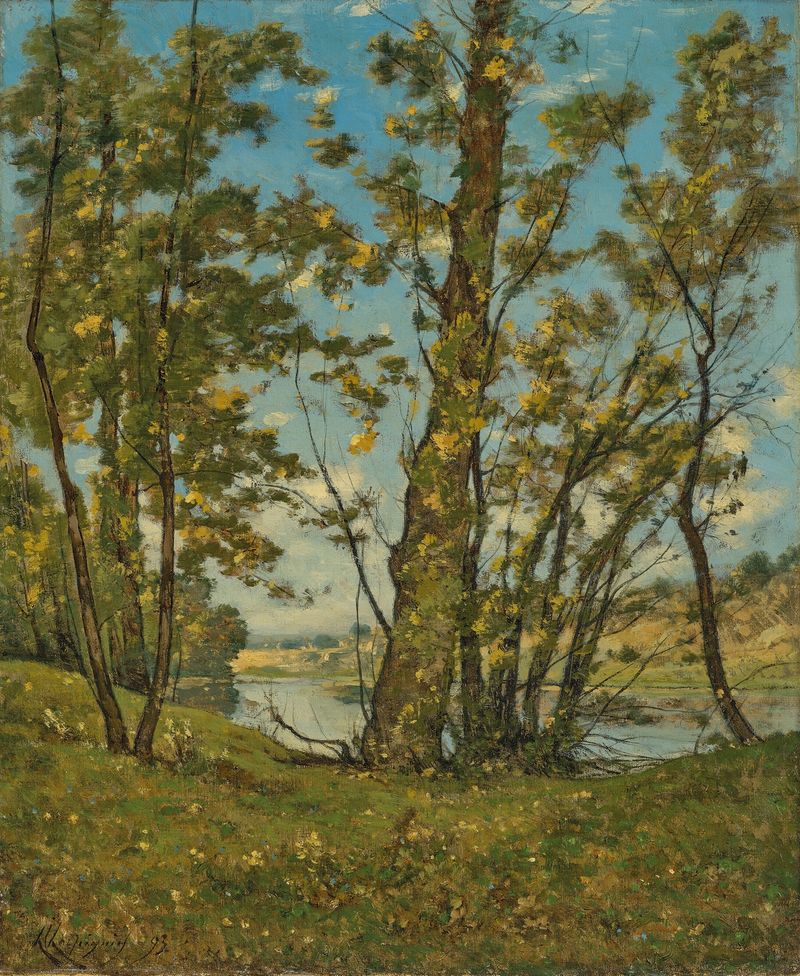
La Loire à Bonny
Henri-Joseph Harpignies
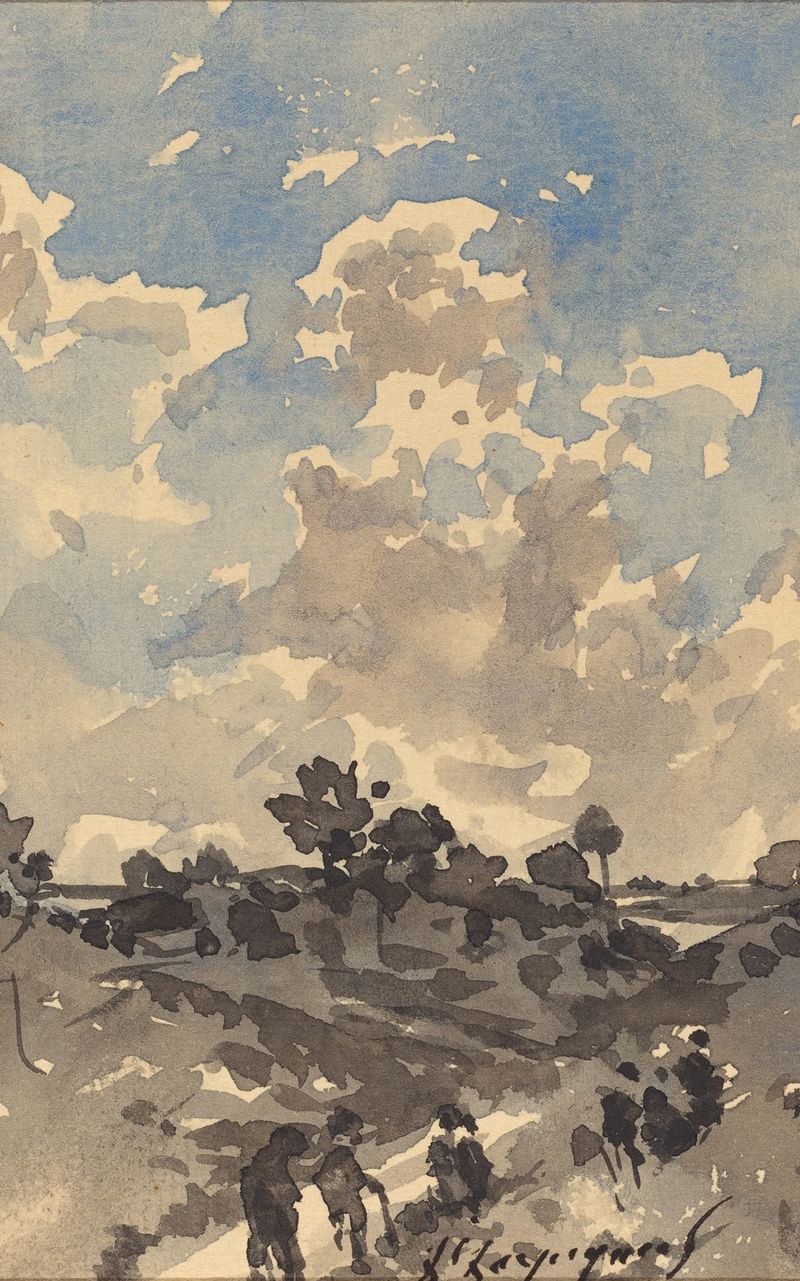
A Landscape with Figures Walking along a Path
Henri-Joseph Harpignies
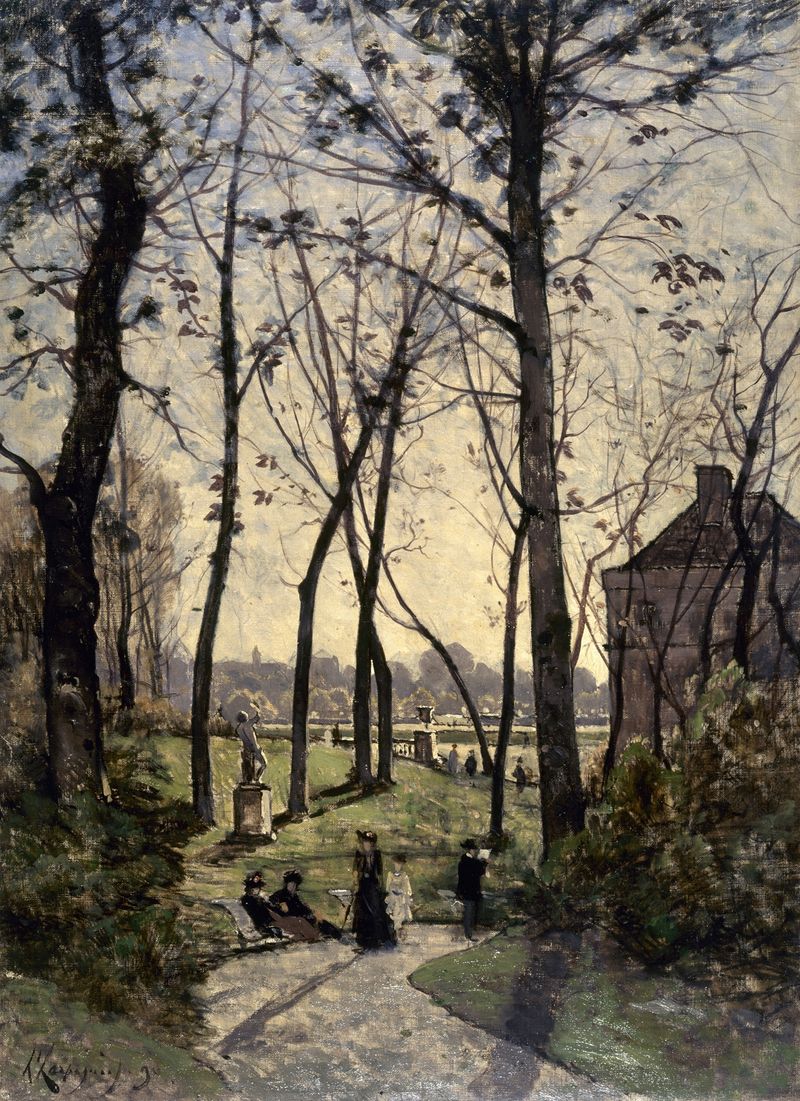
Le jardin du Luxembourg
Henri-Joseph Harpignies
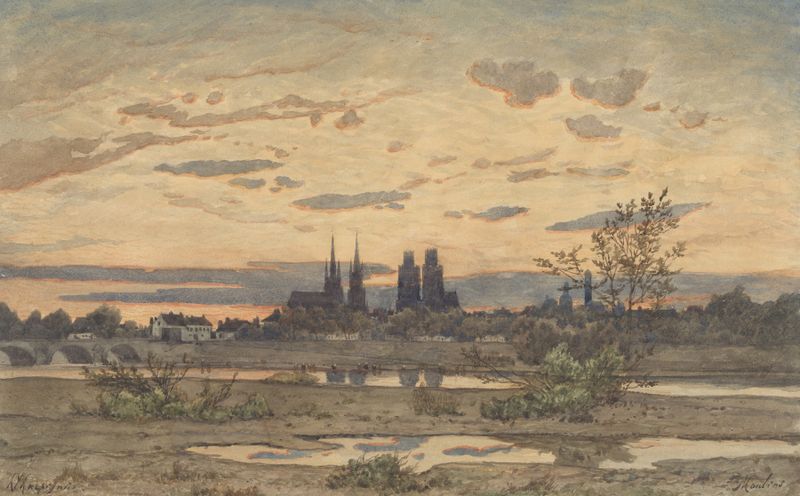
A View of Moulins
Henri-Joseph Harpignies
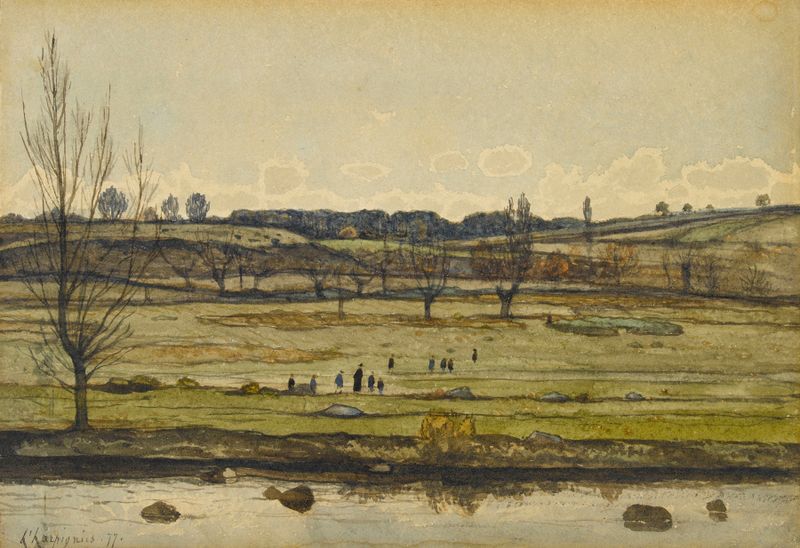
Paysage
Henri-Joseph Harpignies
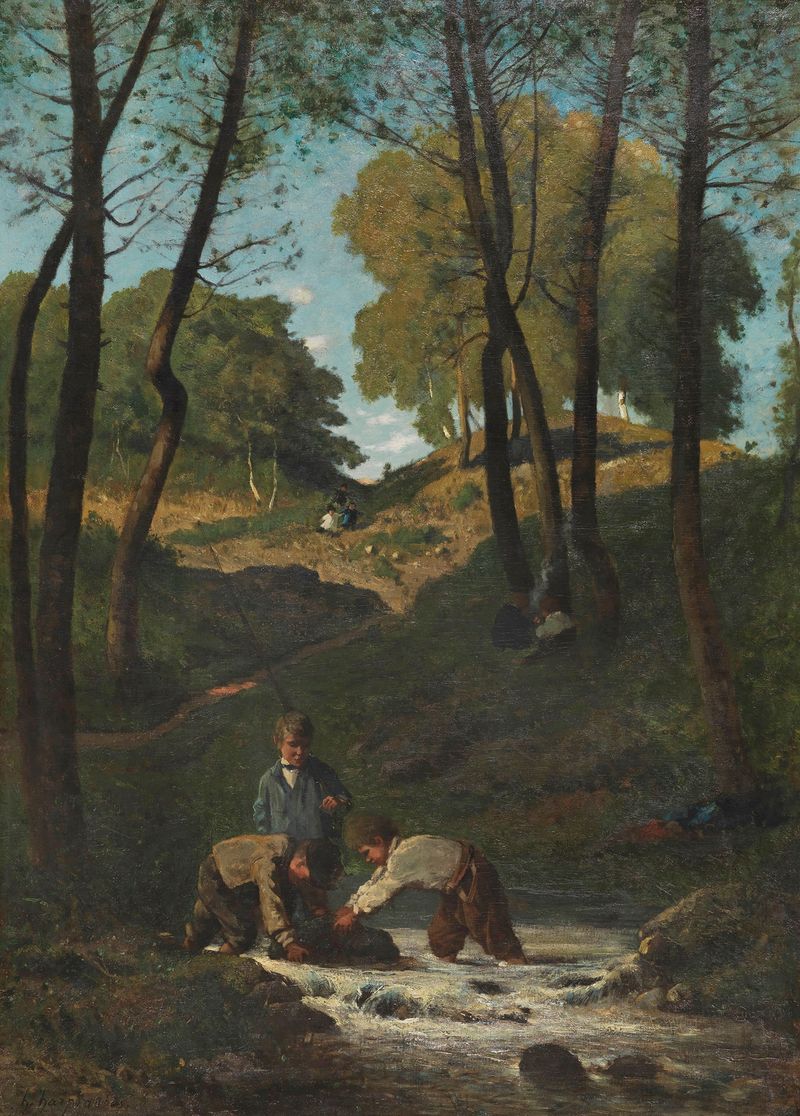
Chercheurs d’écrevisses
Henri-Joseph Harpignies
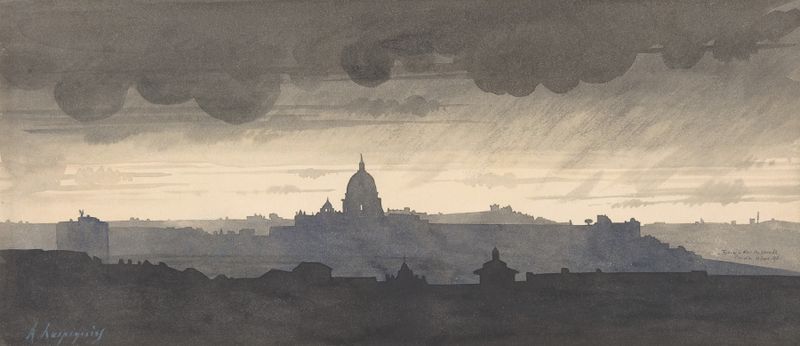
Saint Peter’s Seen From the Pincio, Rome
Henri-Joseph Harpignies
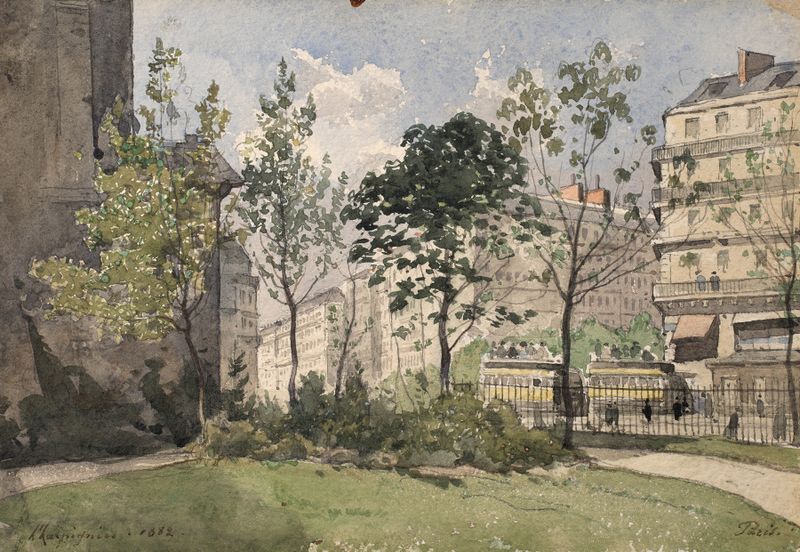
View of the forecourt of the Saint-Germain-des-Prés church
Henri-Joseph Harpignies
Le Colisée à Rome
Henri-Joseph Harpignies

Villefranche
Henri-Joseph Harpignies





