
Etude de ciel — History & Facts
What if beauty was never meant to be finished? The ethereal quality of a moment suspended in time speaks to the purity of innocence, rendered masterfully on canvas. Look to the upper left at the swirling, soft clouds, where delicate hues of blue and white blend seamlessly. Notice how the lighter strokes dance across the canvas, capturing the transient nature of sky and light, while the lower sections ground the composition with deeper, muted tones. The gentle brushwork and layering invite the viewer to feel the breeze and imagine the sunlight filtering through the atmosphere, creating a palpable sense of peace. The horizon line, where sky meets earth, suggests not just a separation but a connection, embodying the duality of aspiration and reality.
In the subtle interplay of colors, one can sense fleeting emotions—hope intermingled with nostalgia. This tension embodies the essence of innocence, an acknowledgment of beauty that, like the clouds, is ever-changing yet eternally present. Created in 1905, during a time when Harpignies sought to embrace the beauty of nature, Etude de ciel reflects the artist’s deep admiration for the outdoors. Living in a period marked by Impressionism's embrace of light and color, he aimed to capture the ephemeral moments of the natural world, exploring both his internal landscape and the shifting skies.
This painting stands as a testament to his dedication to the sublime and the transient nature of beauty.
More Artworks by Henri-Joseph Harpignies
Browse all →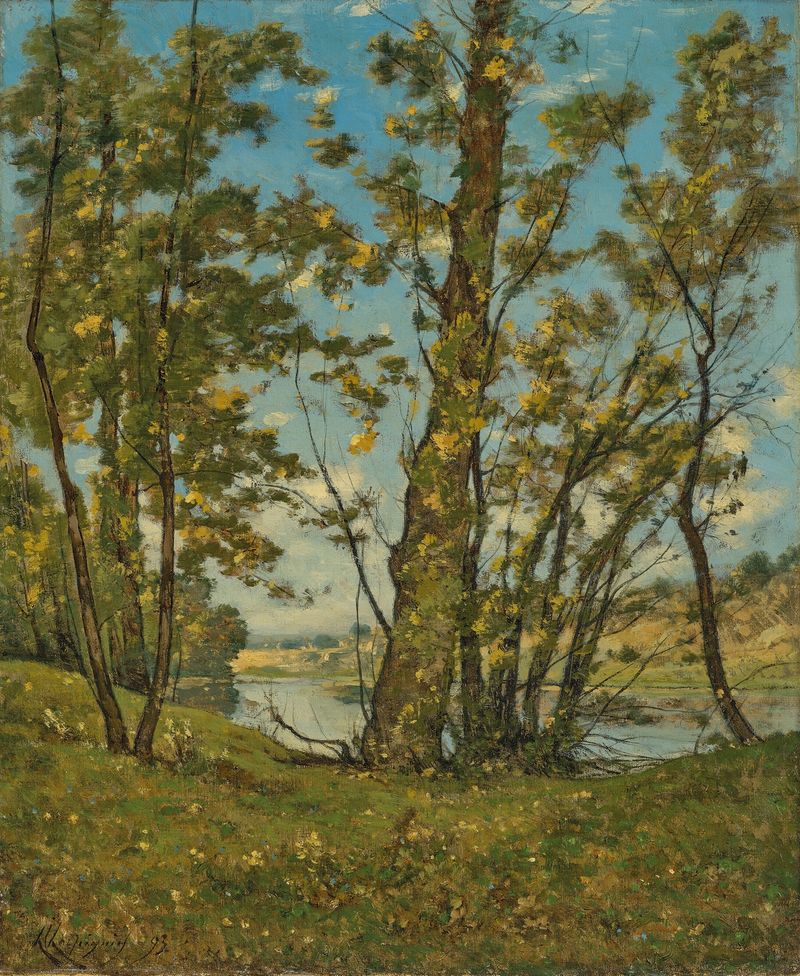
La Loire à Bonny
Henri-Joseph Harpignies
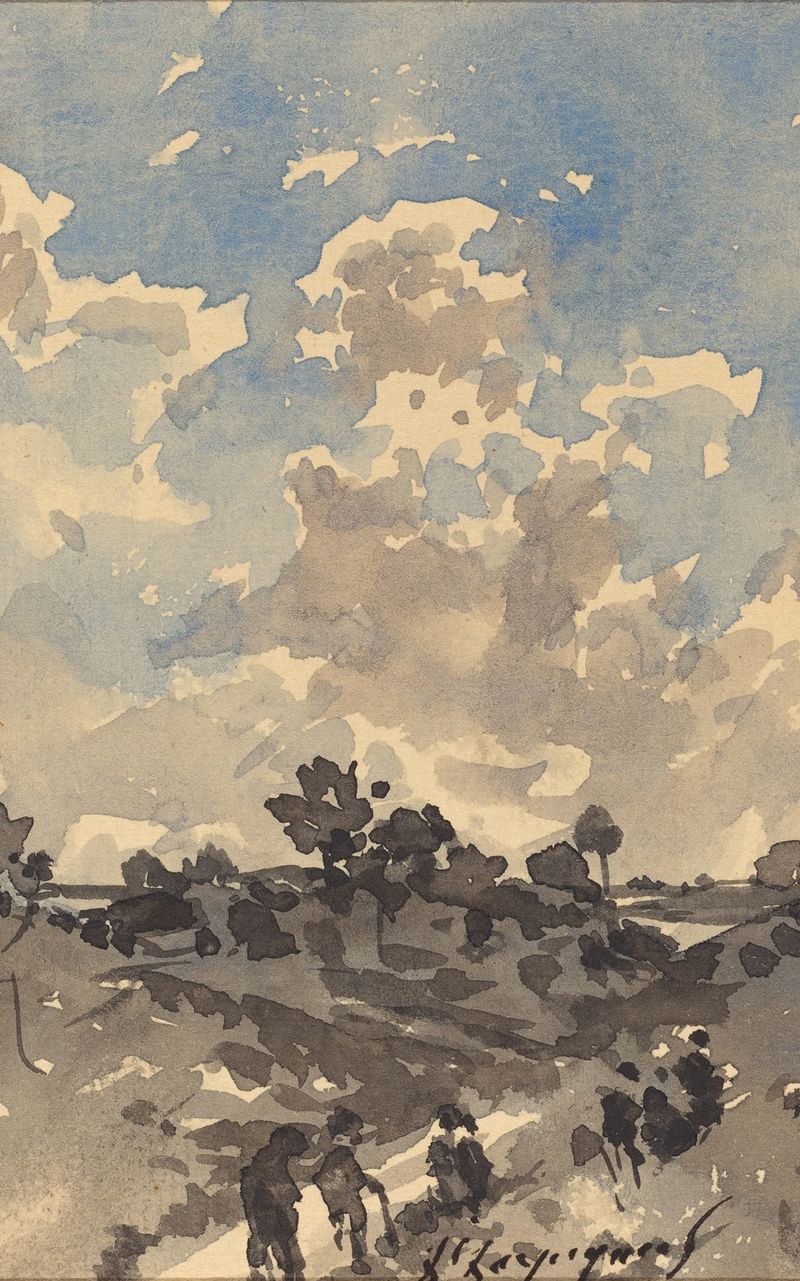
A Landscape with Figures Walking along a Path
Henri-Joseph Harpignies
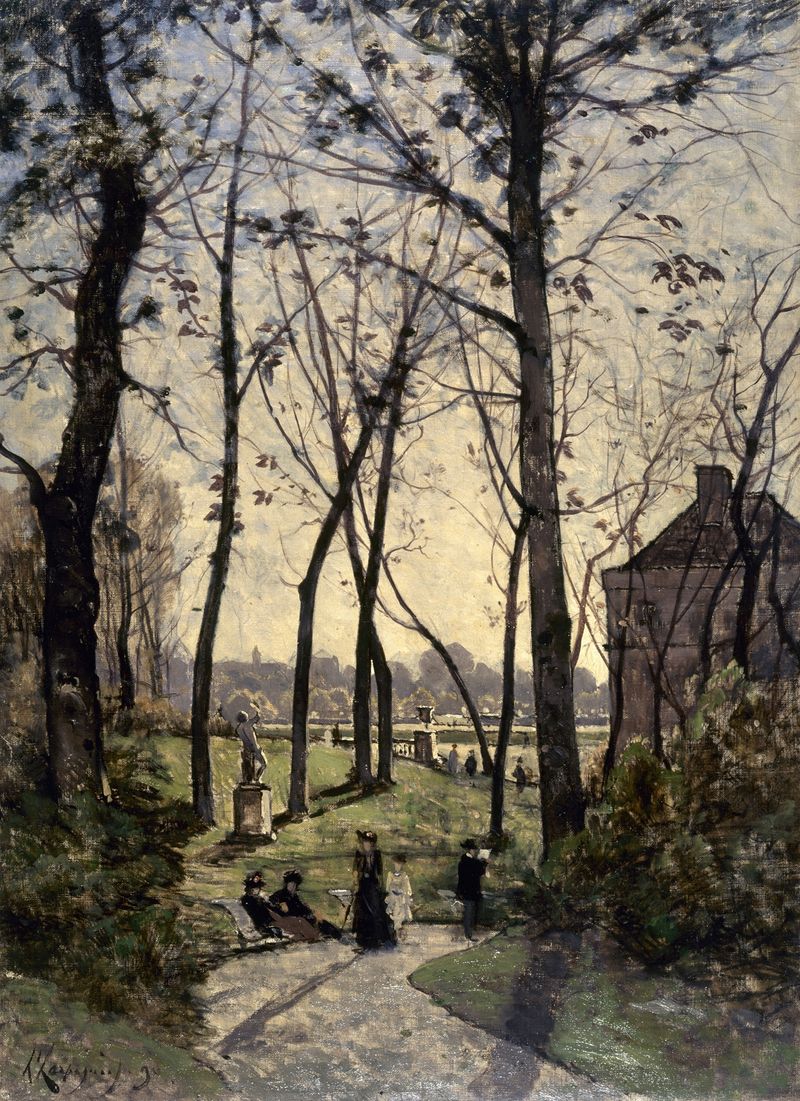
Le jardin du Luxembourg
Henri-Joseph Harpignies
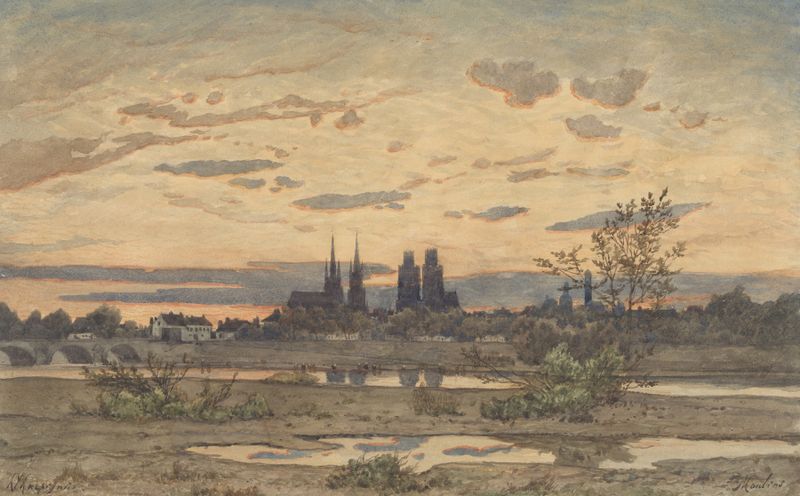
A View of Moulins
Henri-Joseph Harpignies
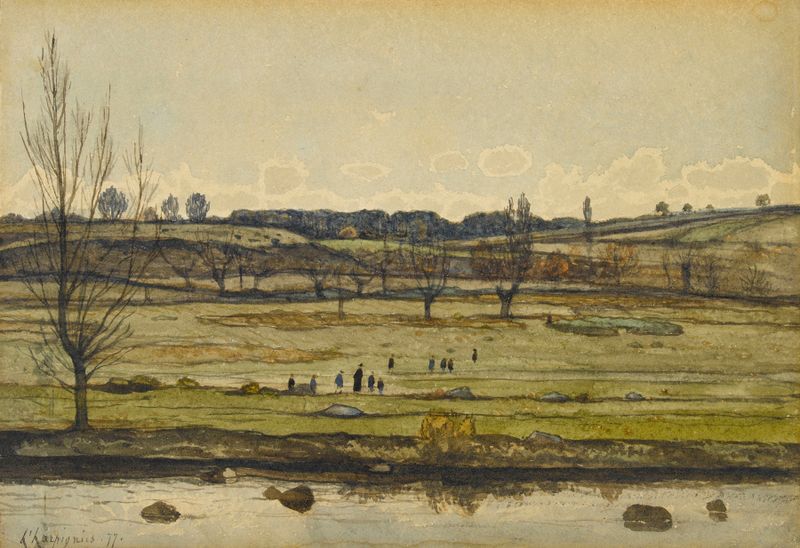
Paysage
Henri-Joseph Harpignies
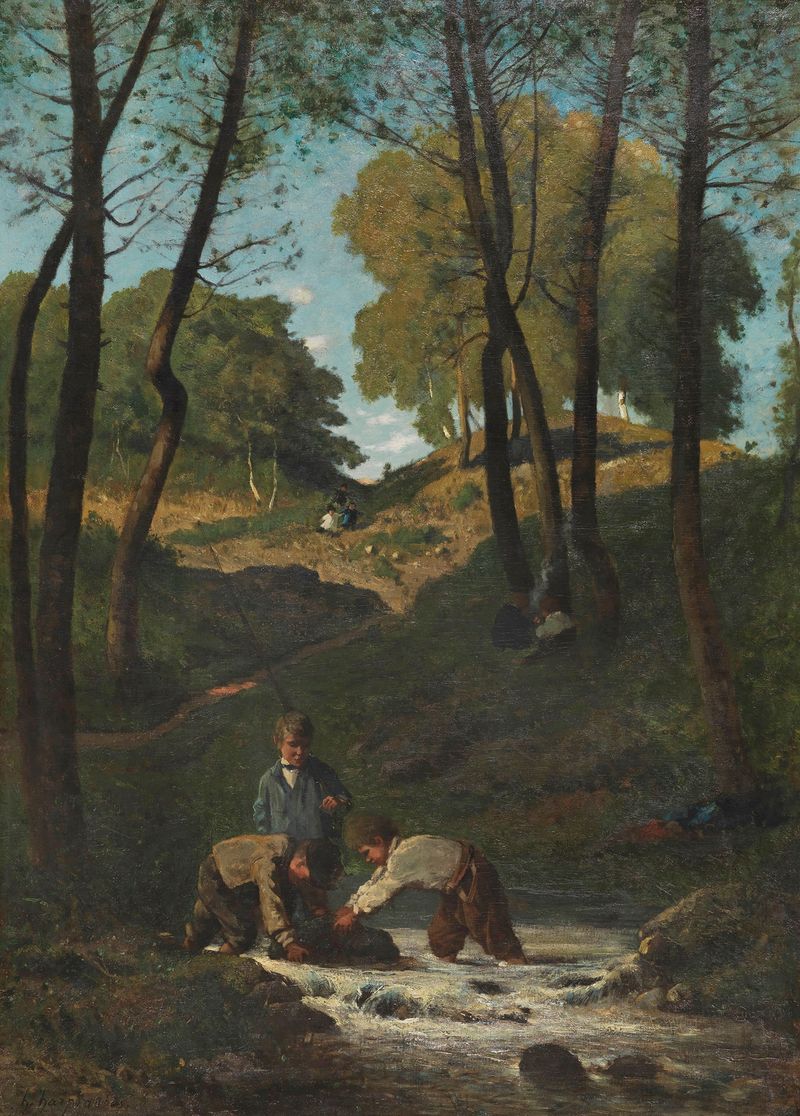
Chercheurs d’écrevisses
Henri-Joseph Harpignies
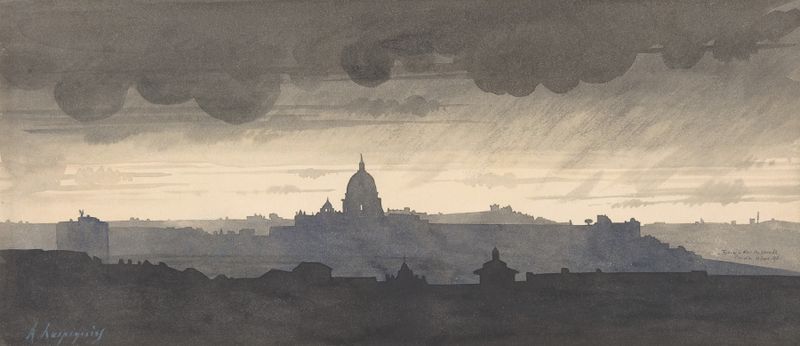
Saint Peter’s Seen From the Pincio, Rome
Henri-Joseph Harpignies
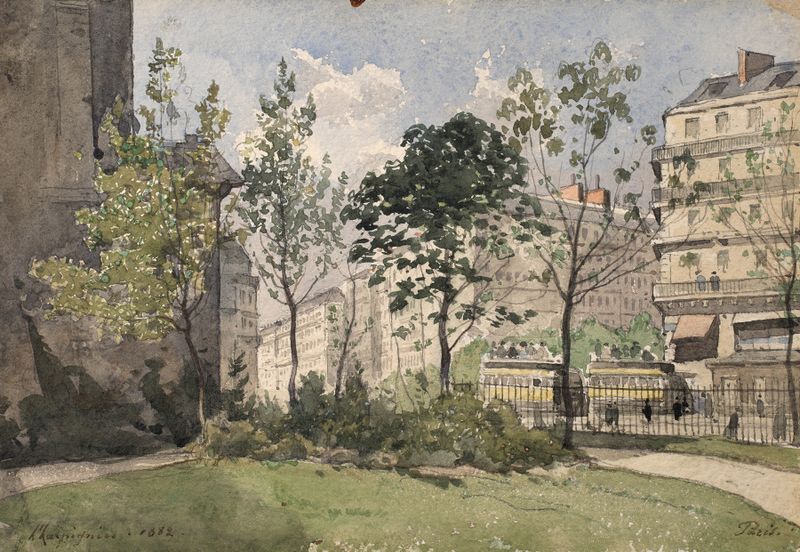
View of the forecourt of the Saint-Germain-des-Prés church
Henri-Joseph Harpignies
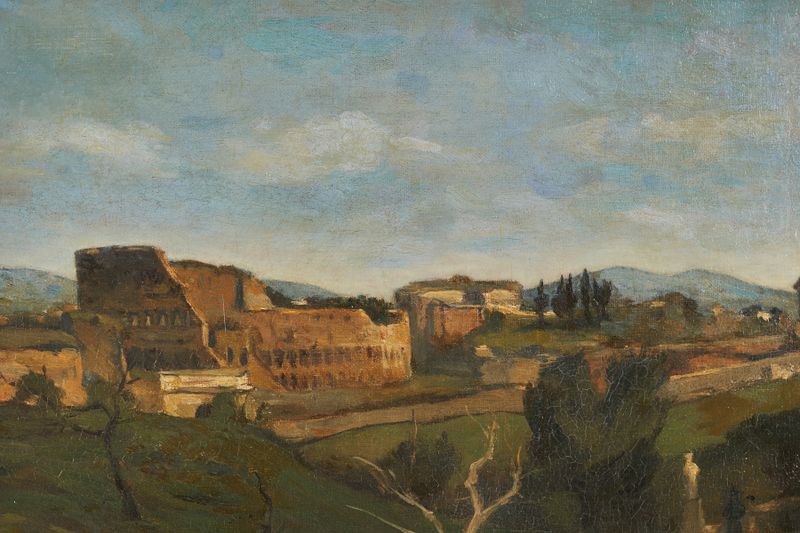
Le Colisée à Rome
Henri-Joseph Harpignies

Villefranche
Henri-Joseph Harpignies





