
Executie van Thomas Wentworth, 1e graaf van Strafford, 1641 — History & Facts
In a world where destiny hangs by a thread, the weight of a single moment can alter the course of history forever. Look to the center of the composition, where the stark figure of Thomas Wentworth stands at the brink of his fate. Notice how the somber hues of gray and brown envelop the scene, enveloping both the spectators and the condemned in a shared atmosphere of dread. The artist employs sharp contrasts of light and shadow to draw our gaze to the executioner, his poised axe embodying the chilling finality of justice.
Surrounding Wentworth, the crowd's expressions oscillate between indifference and morbid curiosity, their faces a study in human emotion. The surrounding details hold significant weight; the looming architecture in the background suggests the unyielding presence of authority, while the onlookers' mixed reactions reveal societal complexities about power and sacrifice. Wentworth's dignified stance, even in the face of death, speaks of a quiet resilience and a controversial legacy regarding loyalty and betrayal. Each figure in the crowd represents a fragment of public opinion, reflecting the tension of a nation caught between admiration and disdain. In 1641, Wenceslaus Hollar executed this engraving during a turbulent period in English history, just after the execution of Wentworth.
Hollar had fled the Thirty Years' War in Prague and found refuge in England, where he immersed himself in the political upheaval defining the era. This artwork captures not only a pivotal moment for Wentworth but also the shifting tides of power that would shape the fate of a nation.
More Artworks by Wenceslaus Hollar
Browse all →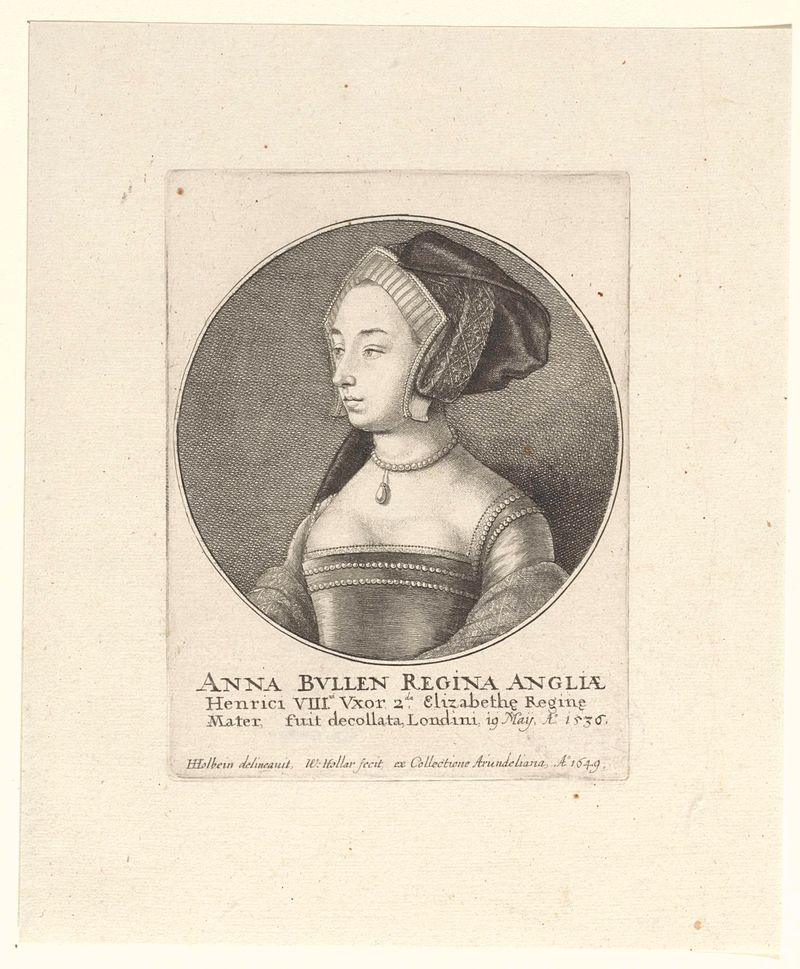
Portret van Anna Boleyn, koningin van Engeland
Wenceslaus Hollar
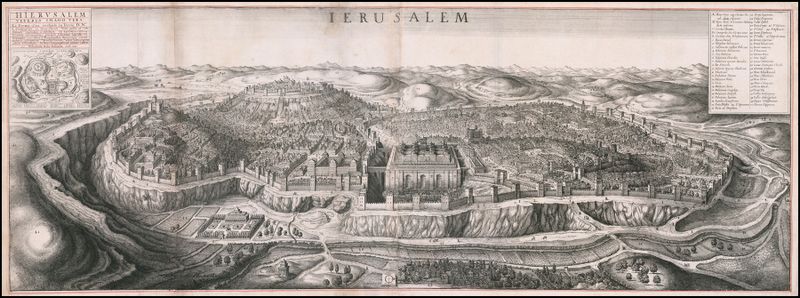
Bird’s eye view of Jerusalem
Wenceslaus Hollar
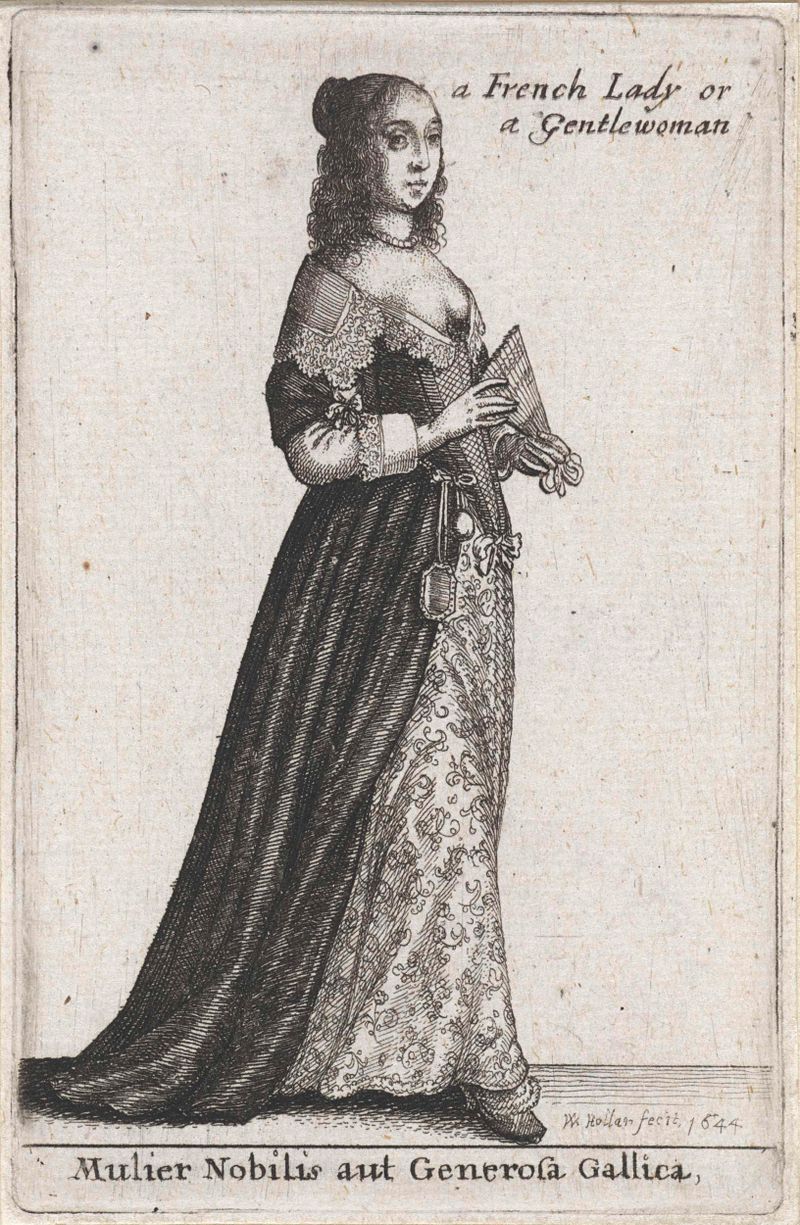
Mulier Nobilis aut Generosa Gallica / a French Lady or Gentlewoman
Wenceslaus Hollar
Titelprent voor: Ornatus Muliebris Anglicanus
Wenceslaus Hollar
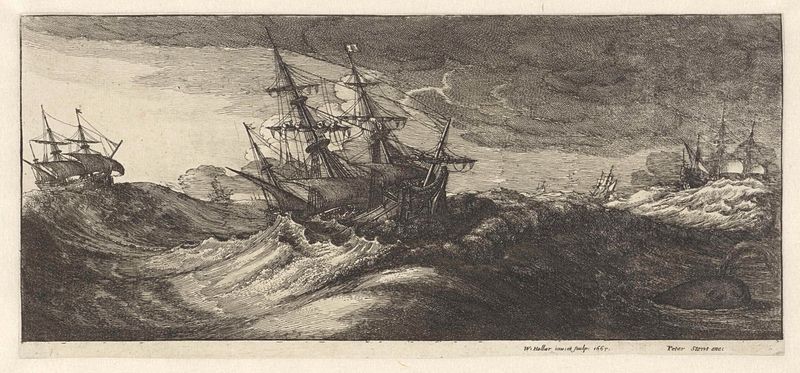
Oorlogsschepen en een walvis in een zeestorm
Wenceslaus Hollar
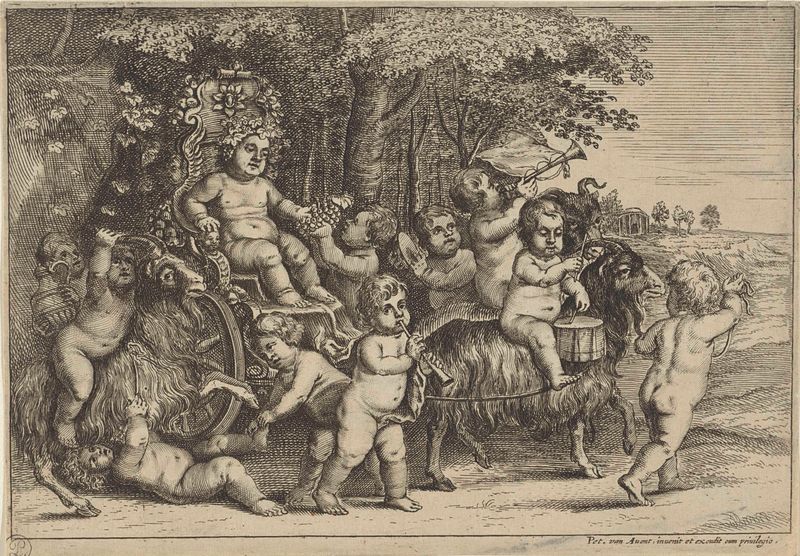
Optocht van bacchant en jongetjes op geiten
Wenceslaus Hollar
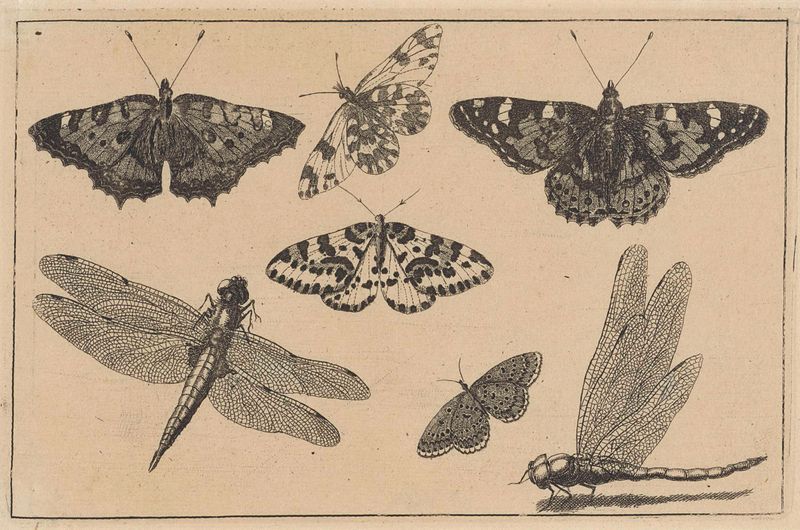
Twee libellen en vijf vlinders
Wenceslaus Hollar
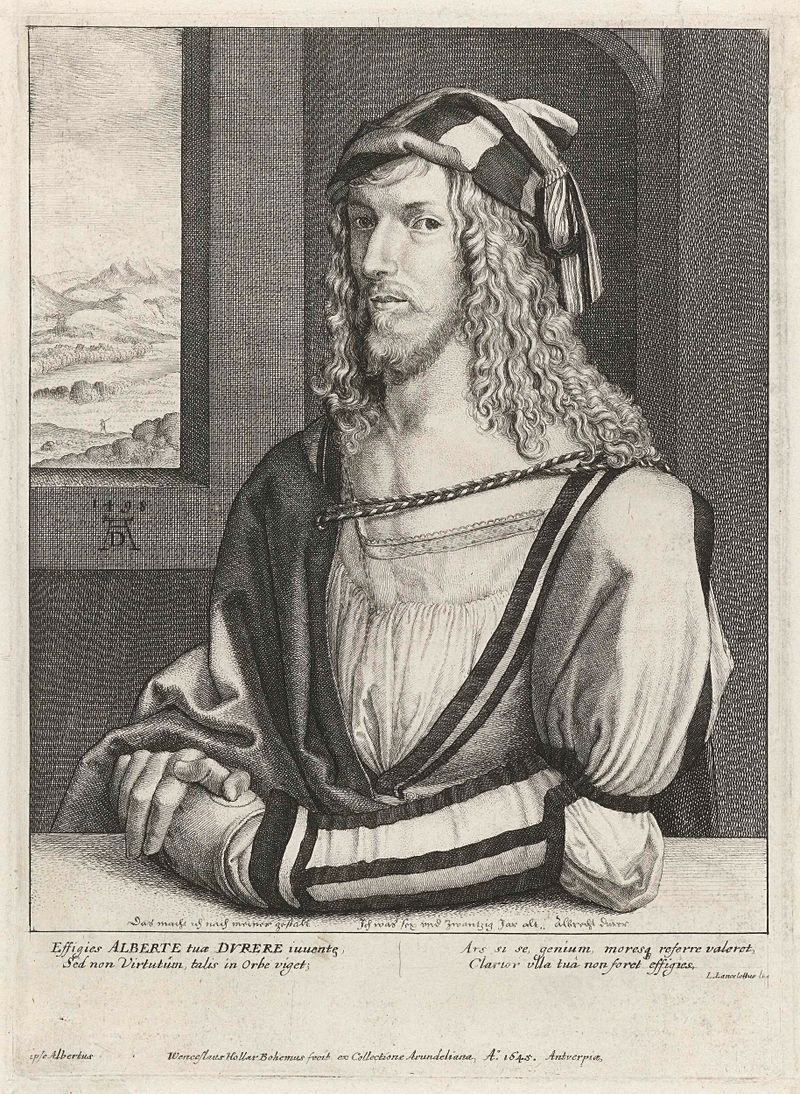
Portret van Albrecht Dürer
Wenceslaus Hollar
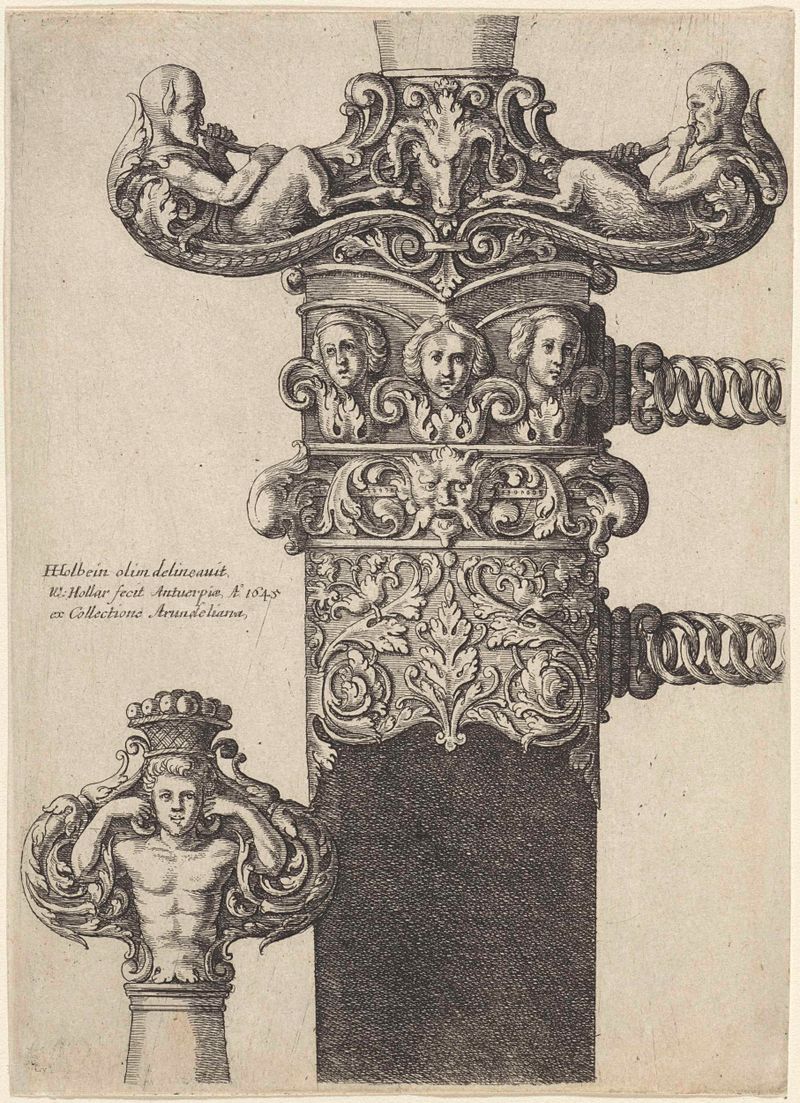
Ornamenteel ontwerp voor een dolk
Wenceslaus Hollar
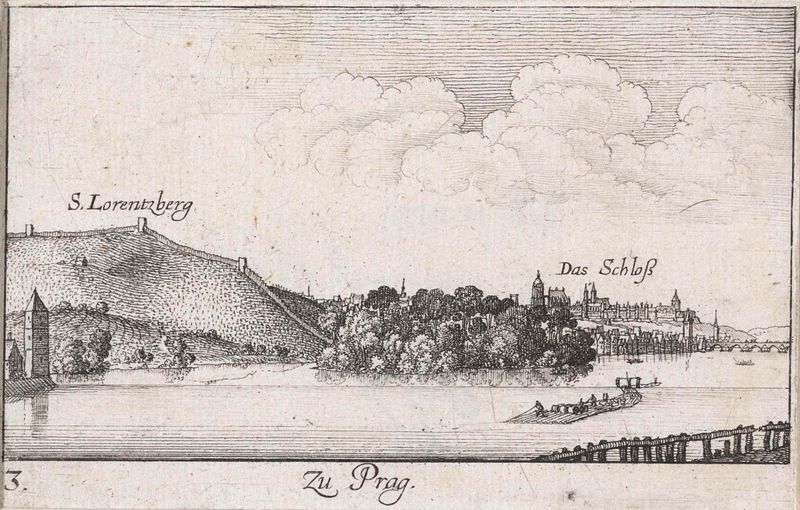
Gezicht op Praag vanaf de Moldau
Wenceslaus Hollar
More Historical Art
Browse all →
The Night Watch Militia Company of District II under the Command of Captain Frans Banninck Cocq
Rembrandt van Rijn

Lincoln Memorial
Henry Bacon

The Third of May 1808
Francisco de Goya

Isaac and Rebecca, Known as ‘The Jewish Bride’
Rembrandt van Rijn

The Charge of the Mamelukes (1814)
Francisco de Goya

De vier ruiters van de apocalyps
Albrecht Dürer