
Fagotière, mare et bord de clairière — History & Facts
Can beauty exist without sorrow? In the haunting tranquility of nature, this question lingers, inviting contemplation and revelation. Look to the left at the gentle curve of the river, its surface shimmering under a delicate interplay of light and shadow. The trees stand tall, their lush greens drawn in rich, vibrant strokes, while the soft pastels of the sky whisper of twilight. Notice how the figures—graceful and unassuming—are positioned at the edge of the clearing, their expressions caught between serenity and an unspoken heaviness, suggesting a deep connection to their surroundings.
The artist’s deliberate brushwork creates both texture and movement, drawing the viewer into a serene yet charged atmosphere. A tension exists between the quiet beauty of the landscape and the shadows that hover just out of sight. The contrasting colors evoke feelings of nostalgia, with the bright hues of the foreground intertwining with the darker tones of the background. This duality mirrors the complexities of the human experience; beauty often intertwined with an underlying sadness, a fleeting moment captured in time.
Each brushstroke reflects not just the external world, but the inner emotional landscape of its subjects, echoing their silent stories. In 1875, Narcisse-Virgile Diaz de La Peña painted this work amidst a flourishing of Romantic art, where nature often served as a canvas for expressing human emotion. Living in France during this transformative period, he was surrounded by the influences of the Barbizon School, which emphasized naturalism and the beauty of rural life. This creation stands as a reflection of both his artistic evolution and the societal yearning for a more profound connection to nature, capturing a moment of beauty that resonates with the sorrows of existence.
More Artworks by Narcisse-Virgile Diaz de La Peña
Browse all →
Forest Scene
Narcisse-Virgile Diaz de La Peña
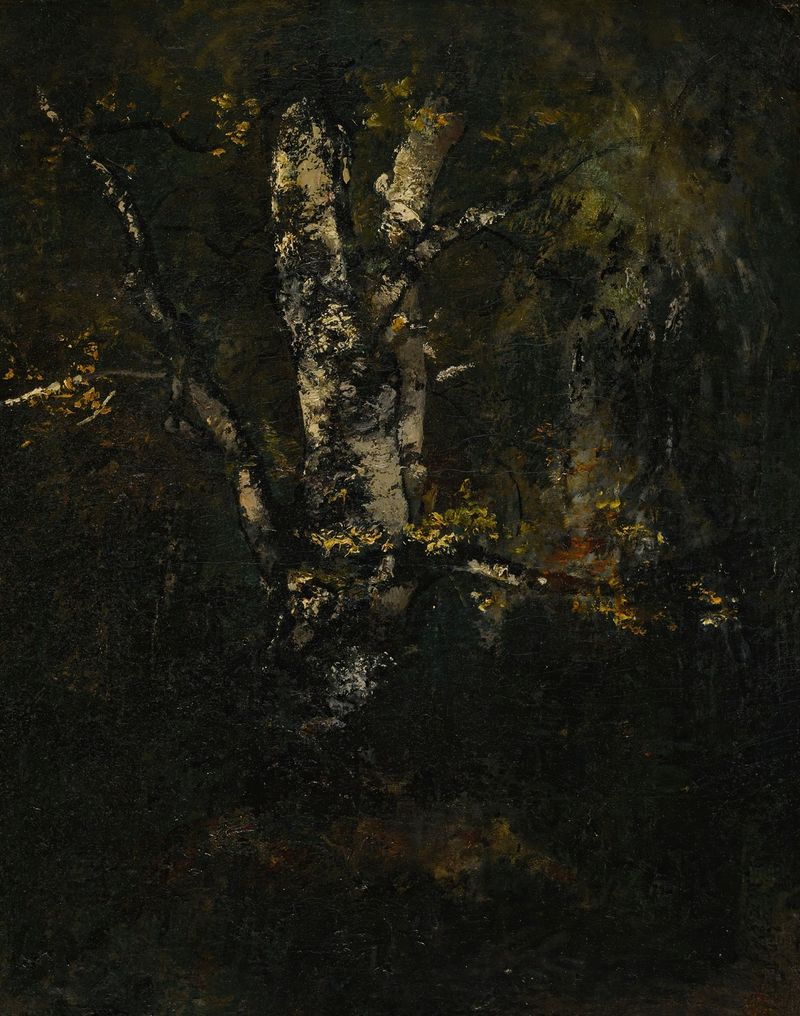
Vieux Troncs De Hêtres
Narcisse-Virgile Diaz de La Peña
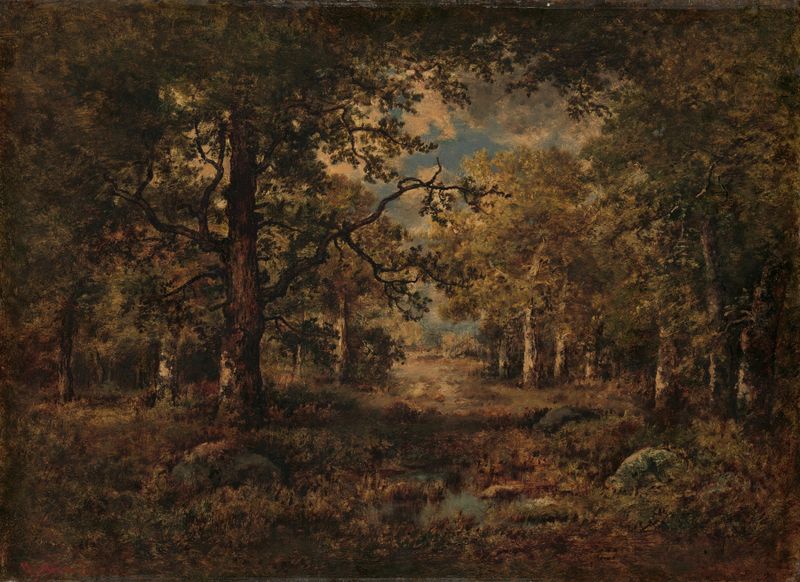
A Vista through Trees; Fontainebleau
Narcisse-Virgile Diaz de La Peña
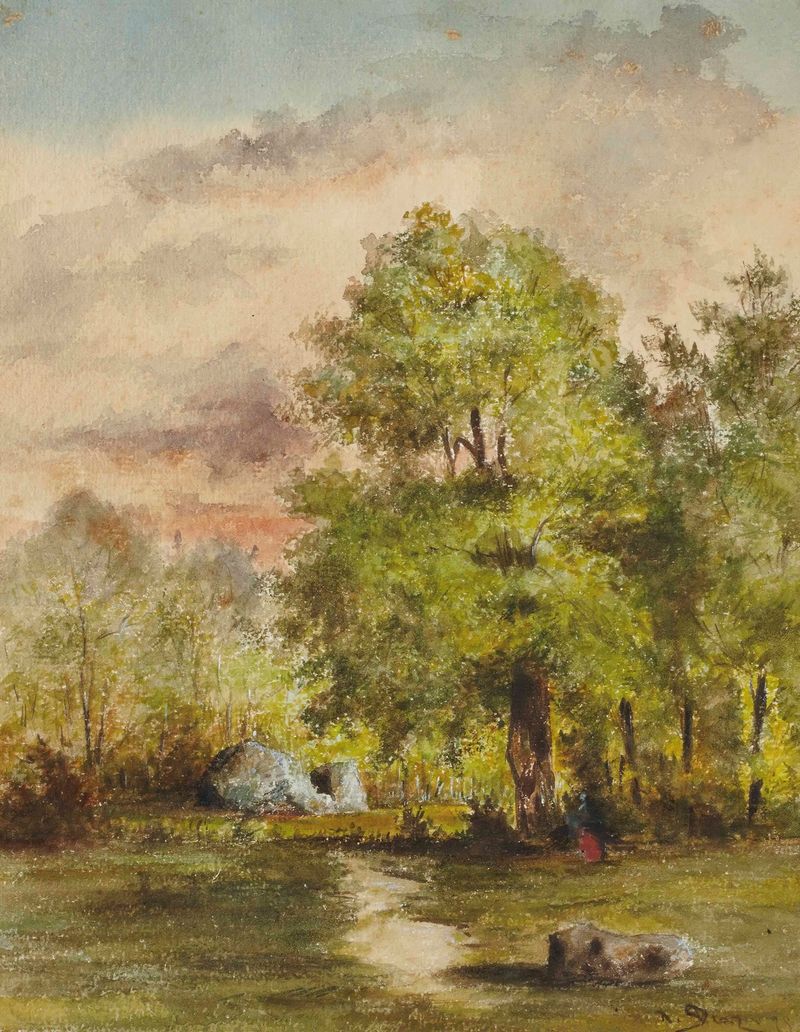
Vue d’une clairière
Narcisse-Virgile Diaz de La Peña

Pond in the Woods
Narcisse-Virgile Diaz de La Peña
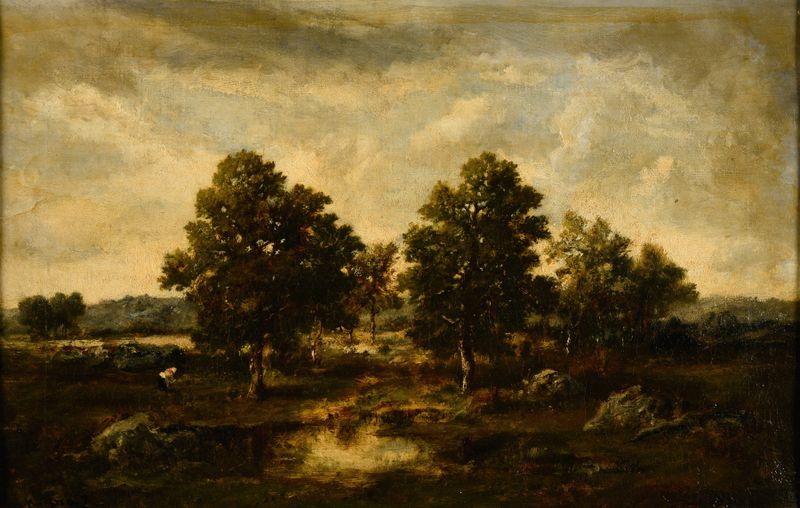
Mare dans une lande
Narcisse-Virgile Diaz de La Peña
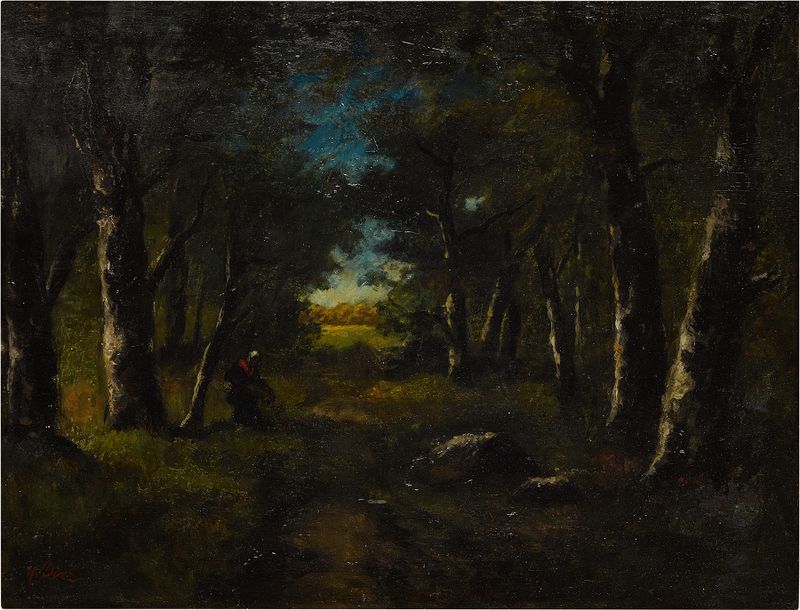
Foraging in the Forest
Narcisse-Virgile Diaz de La Peña
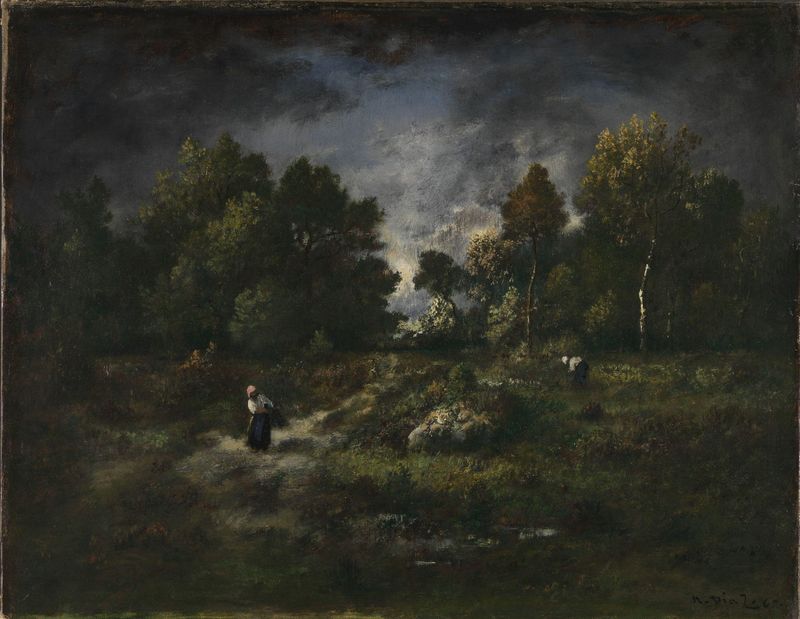
Faggot Gatherers in a Wooden Landscape
Narcisse-Virgile Diaz de La Peña
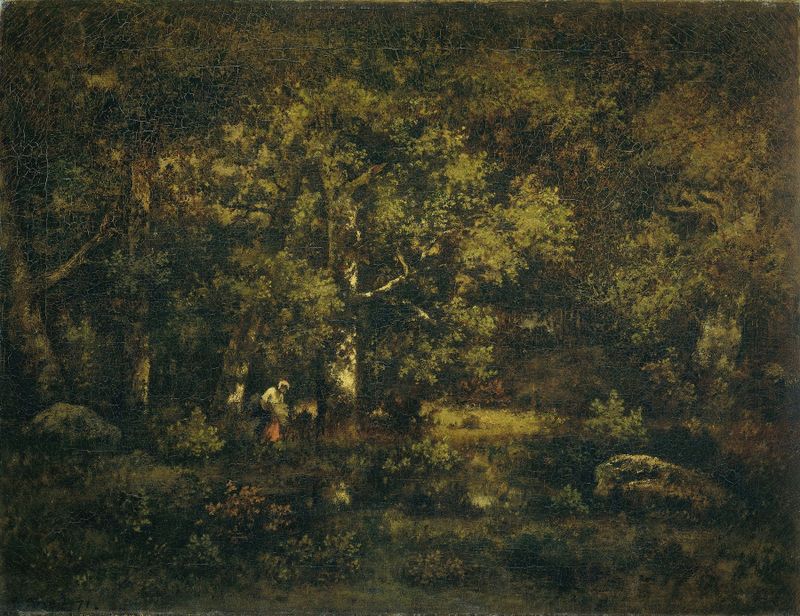
The Forest of Fontainebleau
Narcisse-Virgile Diaz de La Peña

Sous-bois
Narcisse-Virgile Diaz de La Peña





