
Falkenstein — History & Facts
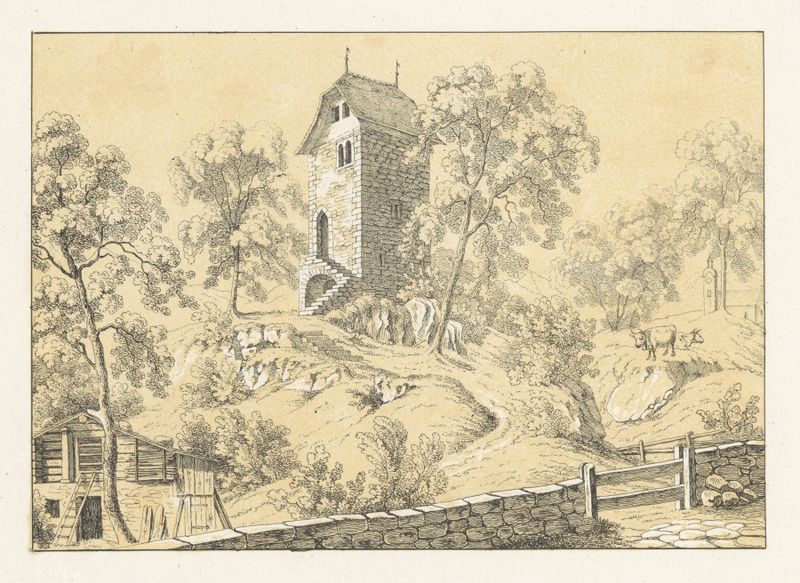
In a world where life teeters on the brink of destruction, fragility whispers through every stroke of paint, urging us to look closer and understand the delicate balance of existence. Focus on the vibrant hues that dance across the canvas, pulling your gaze toward the jagged cliffs of Falkenstein. Notice how the peaks, both imposing and tender, are bathed in warm sunlight that pierces the cool shadows cast by their vastness. The interplay of light and dark reflects an internal struggle, revealing the raw emotion of the artist's hand as it seeks to capture the essence of nature's power and its inherent vulnerability. Within this landscape lies a profound tension—the majestic cliffs stand tall, yet their craggy edges seem to crumble under the weight of the atmosphere.
Small figures navigating the terrain embody the fragility of human life amidst the grand, indifferent forces of nature. Each brushstroke conveys an urgency, a silent plea to recognize our own precarious place in the world, where beauty coexists with danger. Created between 1840 and 1844, this work emerged during a period of artistic exploration and Romantic idealism. Johann Friedrich Wagner was deeply influenced by the changing perceptions of nature, reflecting the tumultuous emotions of his time amid industrialization's encroachment.
His approach captured not only the awe of the natural world but also a profound sense of vulnerability, resonating with audiences who sought solace in the beauty of their surroundings.
More Artworks by Johann Friedrich Wagner
Browse all →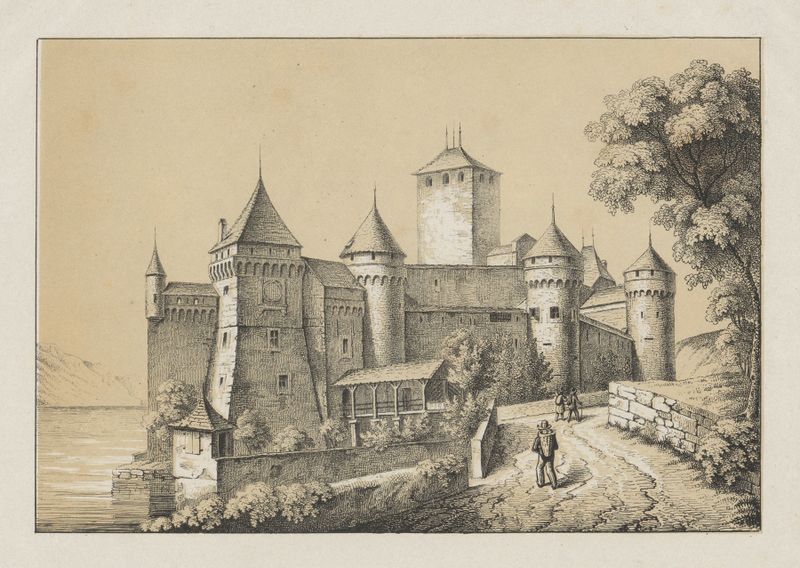
Chillon
Johann Friedrich Wagner

Valangin
Johann Friedrich Wagner
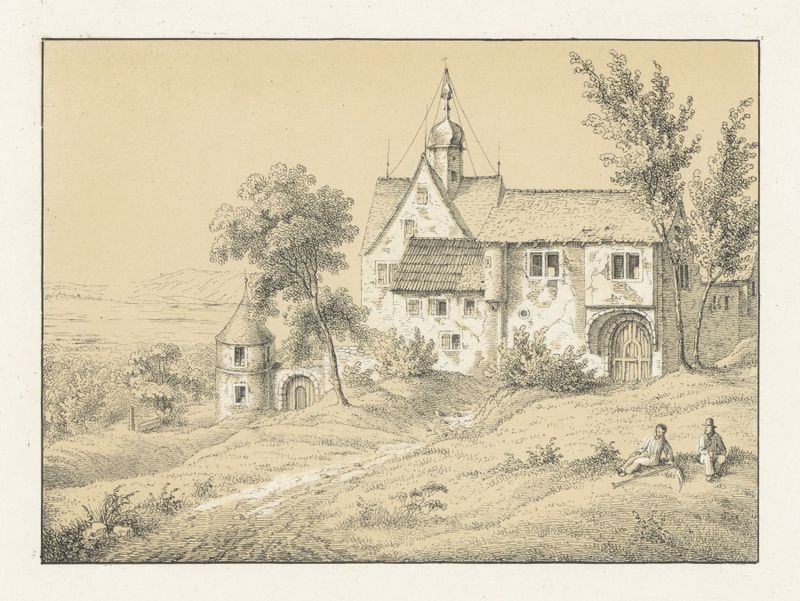
Greifenstein
Johann Friedrich Wagner

Vorburg
Johann Friedrich Wagner
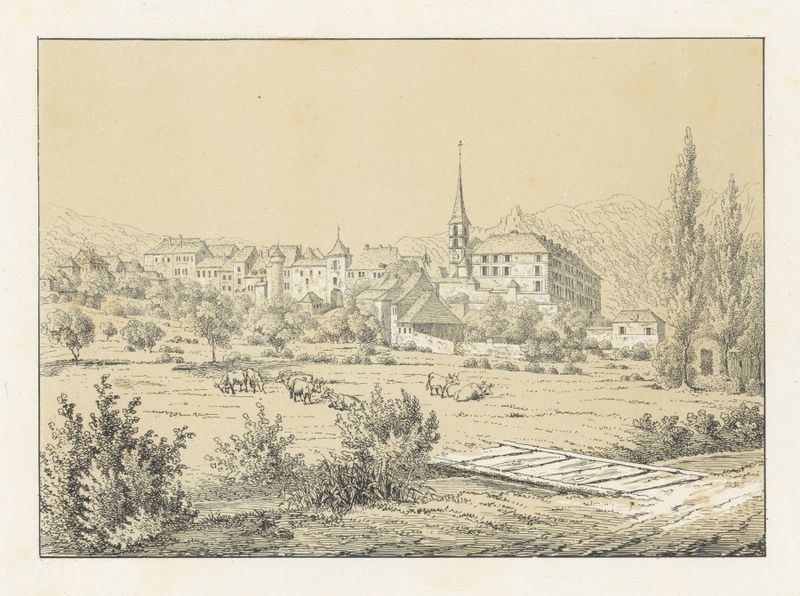
Delémont
Johann Friedrich Wagner

Pleujouse
Johann Friedrich Wagner

Challay
Johann Friedrich Wagner
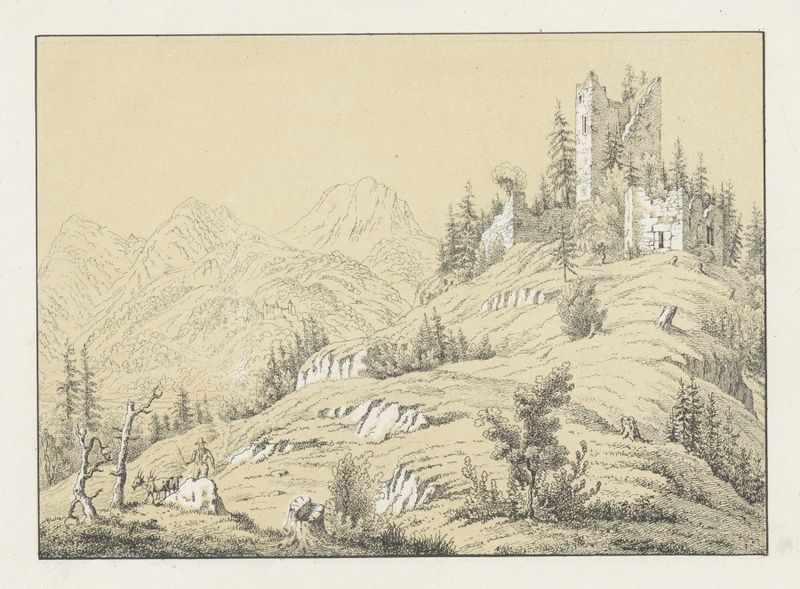
Mont Salvant
Johann Friedrich Wagner
Aha. Od. Untere Burg von Sarnen
Johann Friedrich Wagner
Lausanne
Johann Friedrich Wagner





