
Feestmaal van de rijke man — History & Facts
Can beauty exist without sorrow? In Feestmaal van de rijke man, the opulence of abundance starkly contrasts with an underlying sense of emptiness, prompting profound reflection on human experience. Look to the center of the composition, where a sumptuous table overflowing with food captures the eye, replete with glistening meats and colorful fruits. The lavish feast draws the viewer into a world of indulgence, while the meticulously rendered details showcase Pencz’s exceptional skill in texture and form. Notice how the light dances upon the surfaces, creating an inviting warmth that almost beckons you to partake, yet it simultaneously casts shadows that hint at the hollowness of such excess. The juxtaposition of the feast's abundance against the isolated figures evokes a narrative of solitude amidst plenty.
The guests, though surrounded by richness, appear disengaged from one another, their expressions blank or distant, suggesting that material wealth cannot satiate deeper emotional needs. The empty chairs around the table invite contemplation on absence and longing, implying that the true essence of connection is absent from this grand display. Georg Pencz painted this work between 1542 and 1543 in Nuremberg, a time when the Renaissance was flourishing in Germany. Amidst the rapid development of art and humanist thought, Pencz was influenced by both the burgeoning interest in realism and the moral implications of wealth.
His exploration of themes like excess and isolation reflects the societal tensions of his era, making Feestmaal van de rijke man a poignant commentary on the human condition.
More Artworks by Georg Pencz
Browse all →
Parabel van de zaaier
Georg Pencz

Parabel van de arbeiders in de wijngaard
Georg Pencz
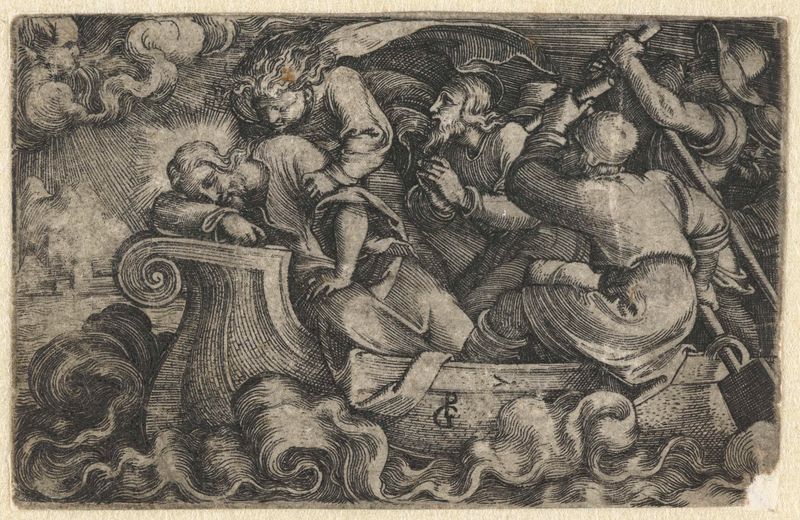
Discipelen wekken slapende Christus tijdens storm op Meer van Galilea
Georg Pencz

Afgunst (Invidia)
Georg Pencz
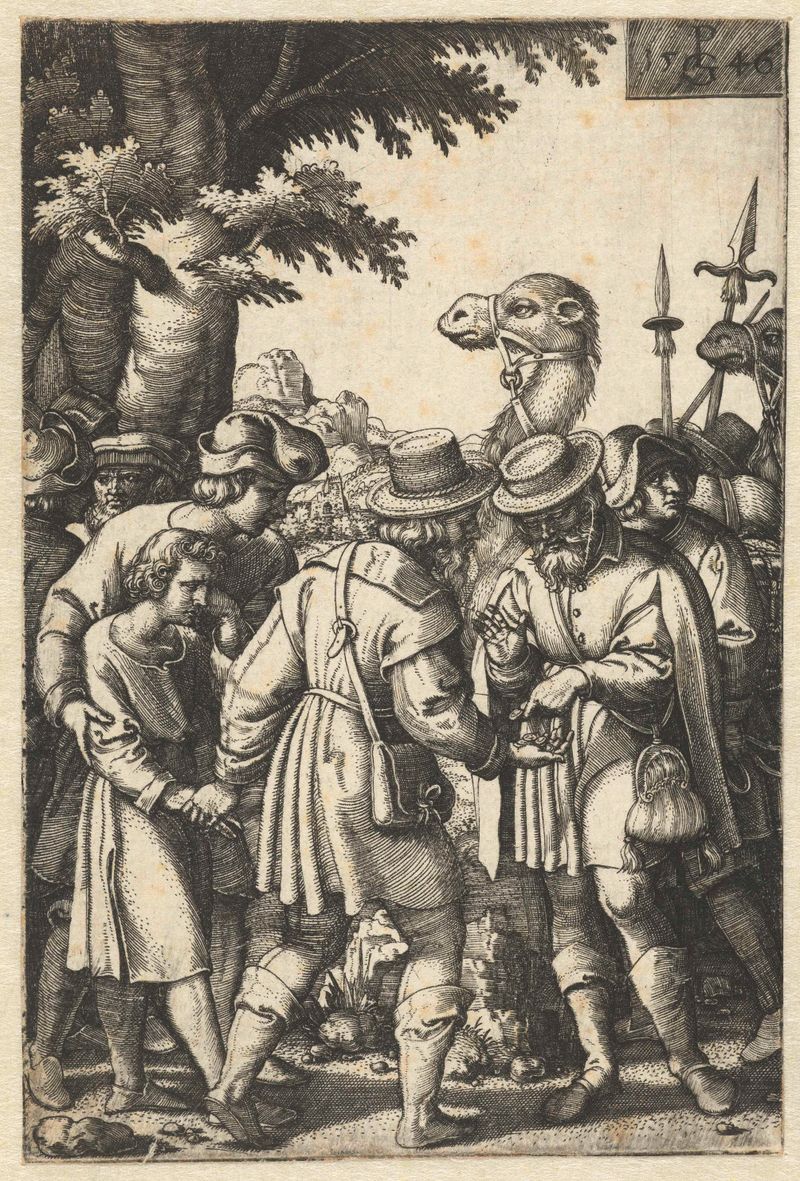
Jozef wordt verkocht aan kooplieden op weg naar Egypte
Georg Pencz

Aanbidding der koningen
Georg Pencz
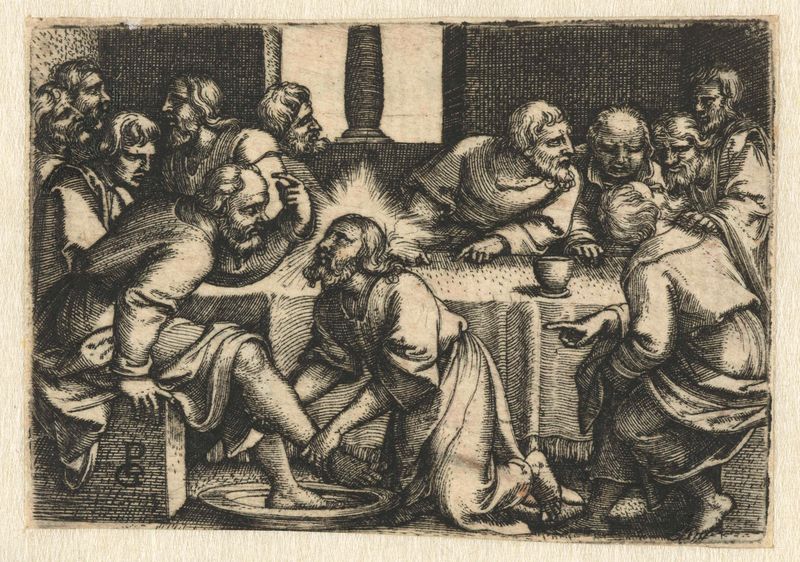
Petrus protesteert als Christus zijn voeten wast
Georg Pencz
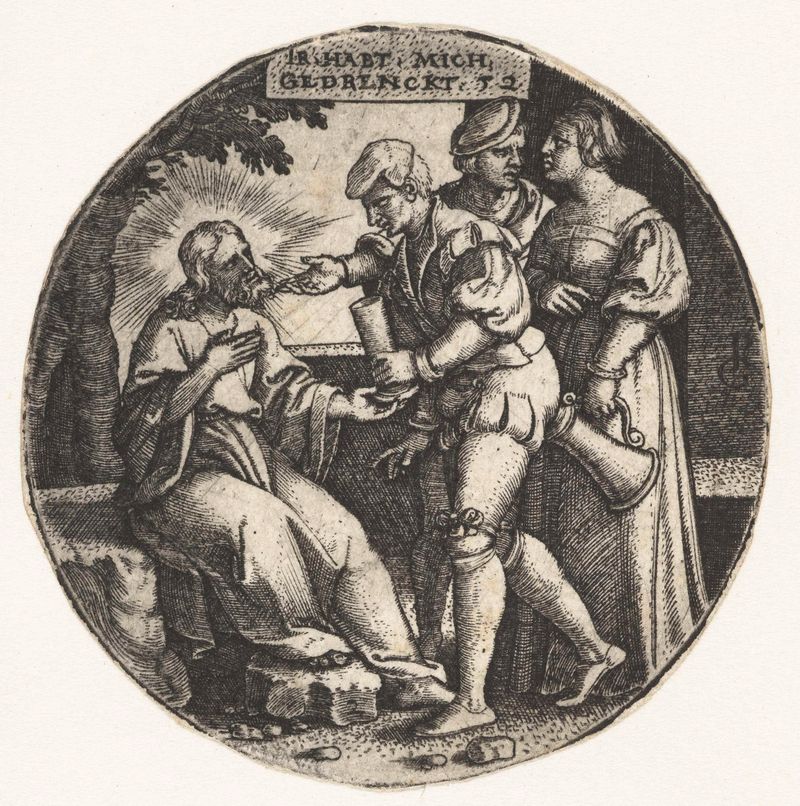
Christus heeft dorst en krijgt drinken aangeboden
Georg Pencz
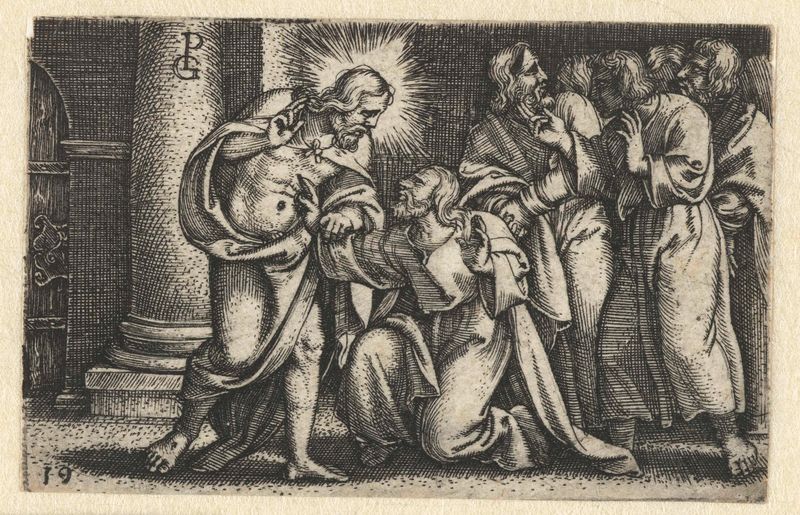
Ongelovige Thomas raakt wonden Christus aan
Georg Pencz

Offer van Abraham van Isaak
Georg Pencz





