
Female donor — History & Facts
The first thing that draws the eye in Female donor by Adriaen Isenbrant is the quiet focus of the woman’s hands, pressed together in prayer, her rosary trailing like a lifeline of red beads into the folds of her gown. The landscape behind her opens into a misty, receding world of blue-green hills, but she remains anchored in the foreground, her face calm and inward, her gaze fixed just beyond the viewer’s reach. The painter’s attention to the sheen of her fur-trimmed sleeves and the delicate transparency of her veil signals both wealth and humility, a balance carefully struck in portraits of this kind.
Light falls gently across her features, illuminating the pale oval of her face and the fine lines of her necklace, while the deep blue of her dress draws the viewer’s gaze downward, inviting contemplation of her devotion. Works like this, created in the early sixteenth century in the Low Countries, were often commissioned by prosperous citizens eager to secure a place for themselves in the spiritual and social order of their time. The donor portrait—typically showing the patron in prayer, sometimes as part of a larger altarpiece—was both an act of piety and a statement of status. Adriaen Isenbrant, active in Bruges, was known for his ability to blend the clarity of Northern realism with a softness that makes his figures approachable yet dignified.
This particular panel, dated to 1534 and now in a private collection, is a reminder of a world where faith, wealth, and personal legacy were woven together in paint. Notice how the landscape, though distant, seems to cradle the figure, as if the world itself pauses to witness her prayer.
More Artworks by Adriaen Isenbrant
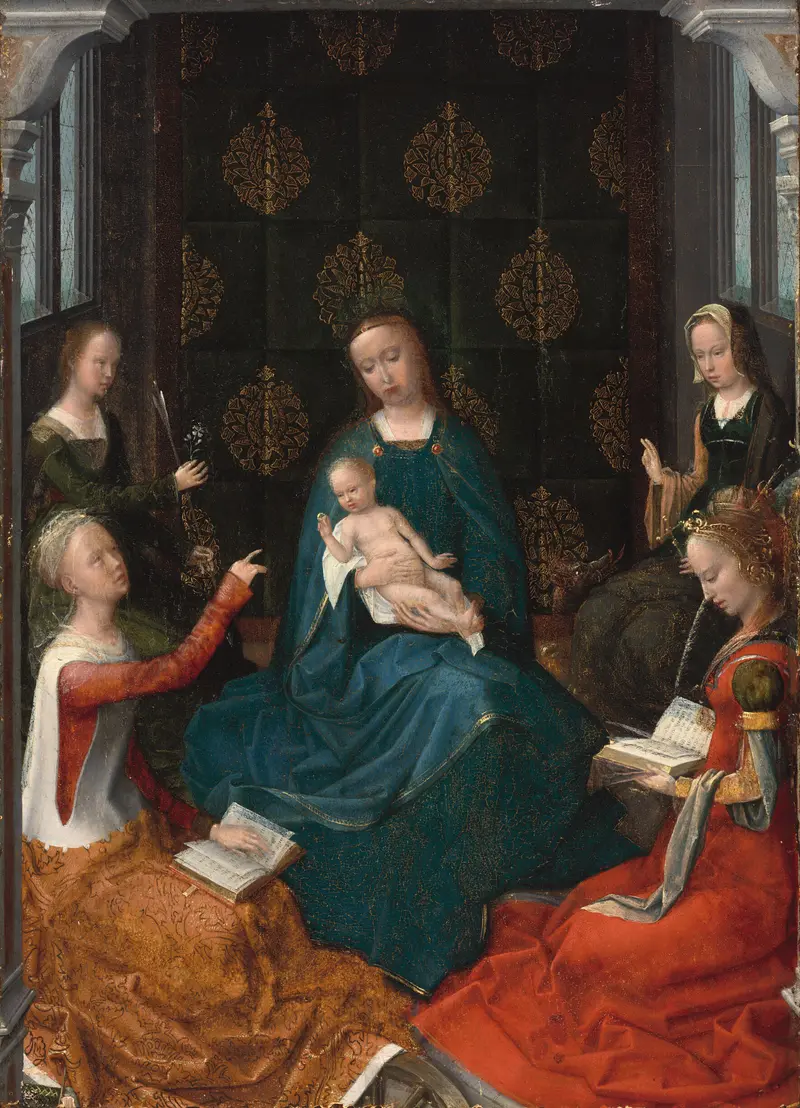
The Mystic Marriage of Saint Catherine of Alexandria with Three Female Saints: Ursula, Margaret of Antioch, and an Unidentified Martyr
Adriaen Isenbrant
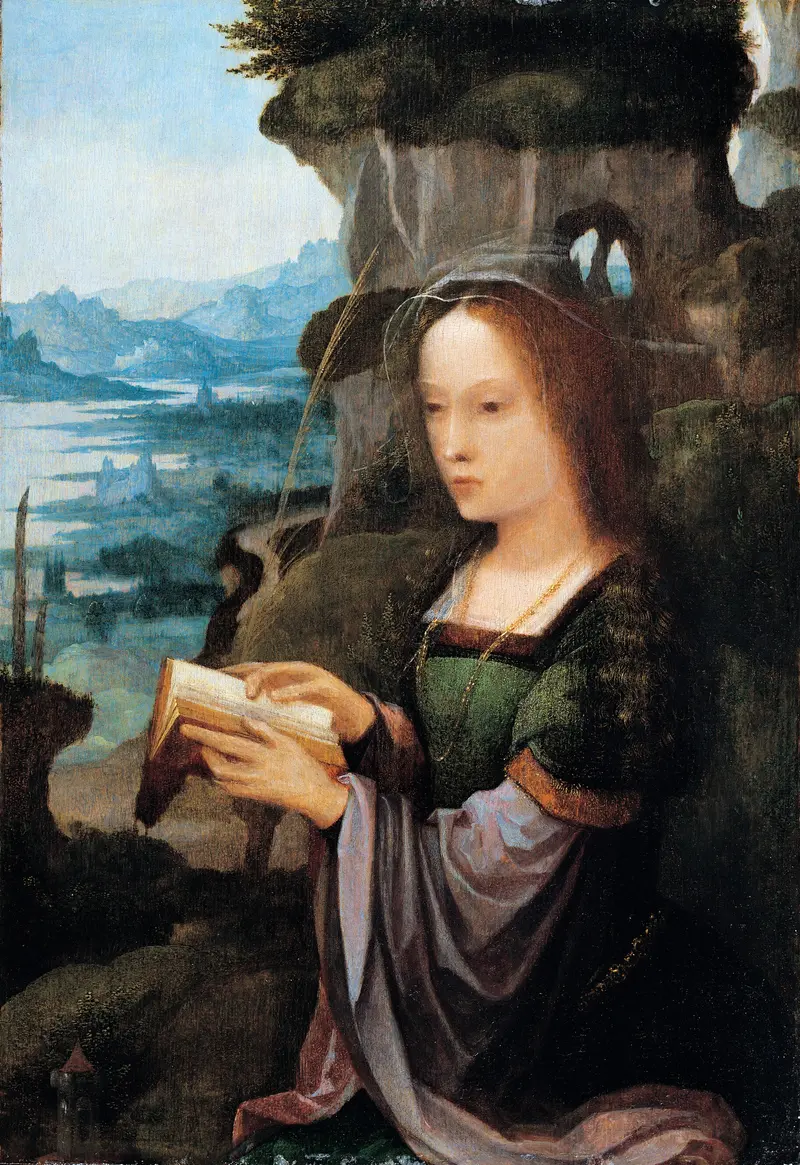
Saint Barbara
Adriaen Isenbrant
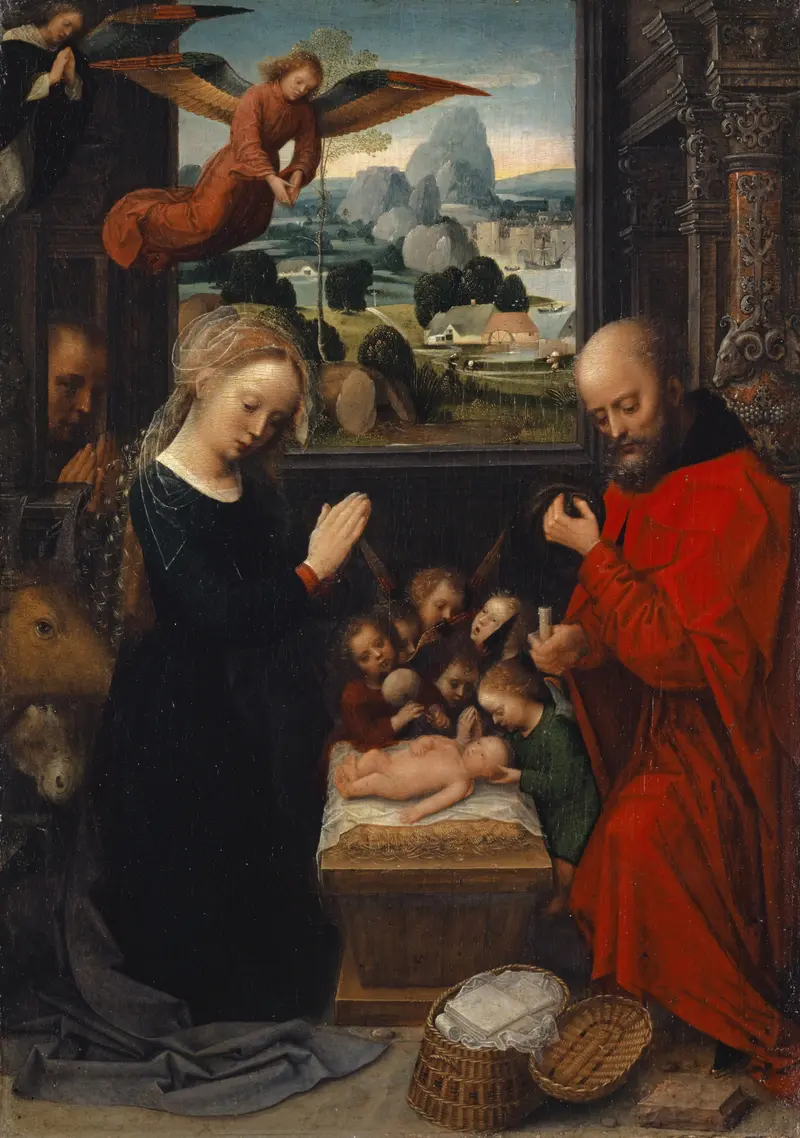
The Nativity
Adriaen Isenbrant
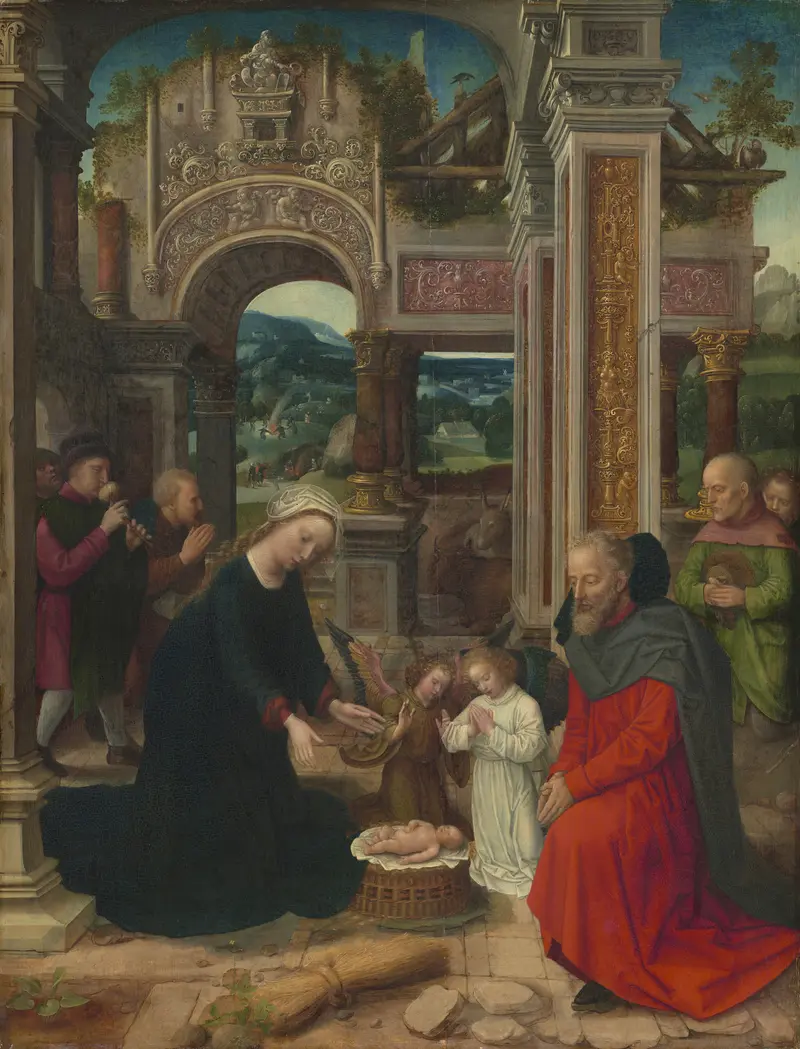
The Adoration of the Shepherds
Adriaen Isenbrant
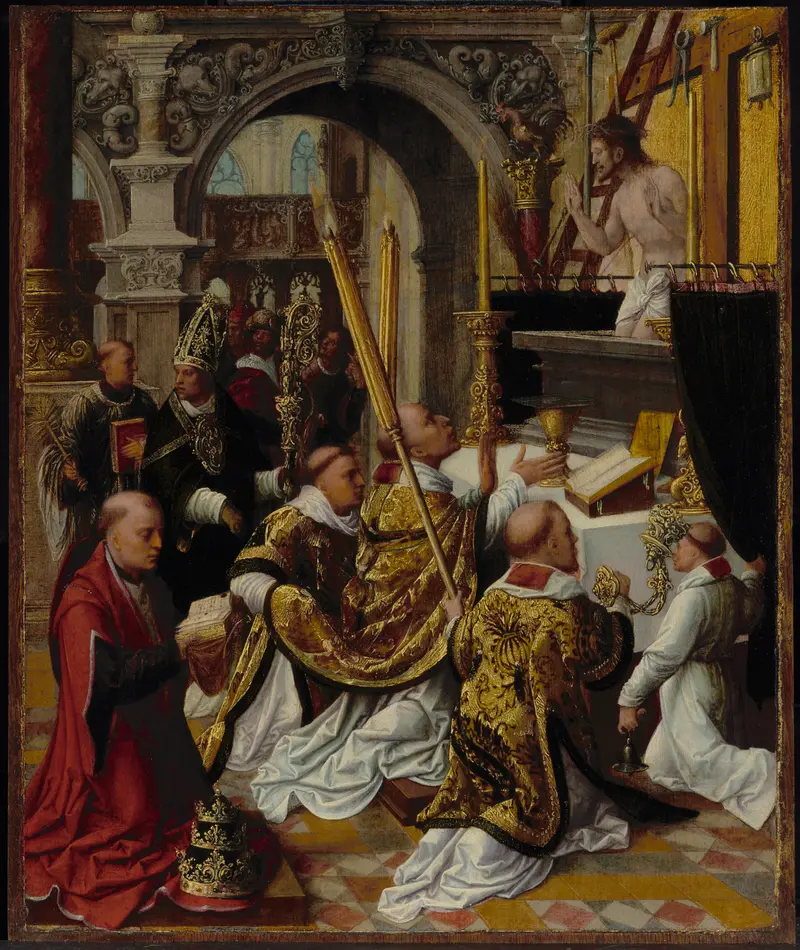
The Mass of Saint Gregory the Great
Adriaen Isenbrant
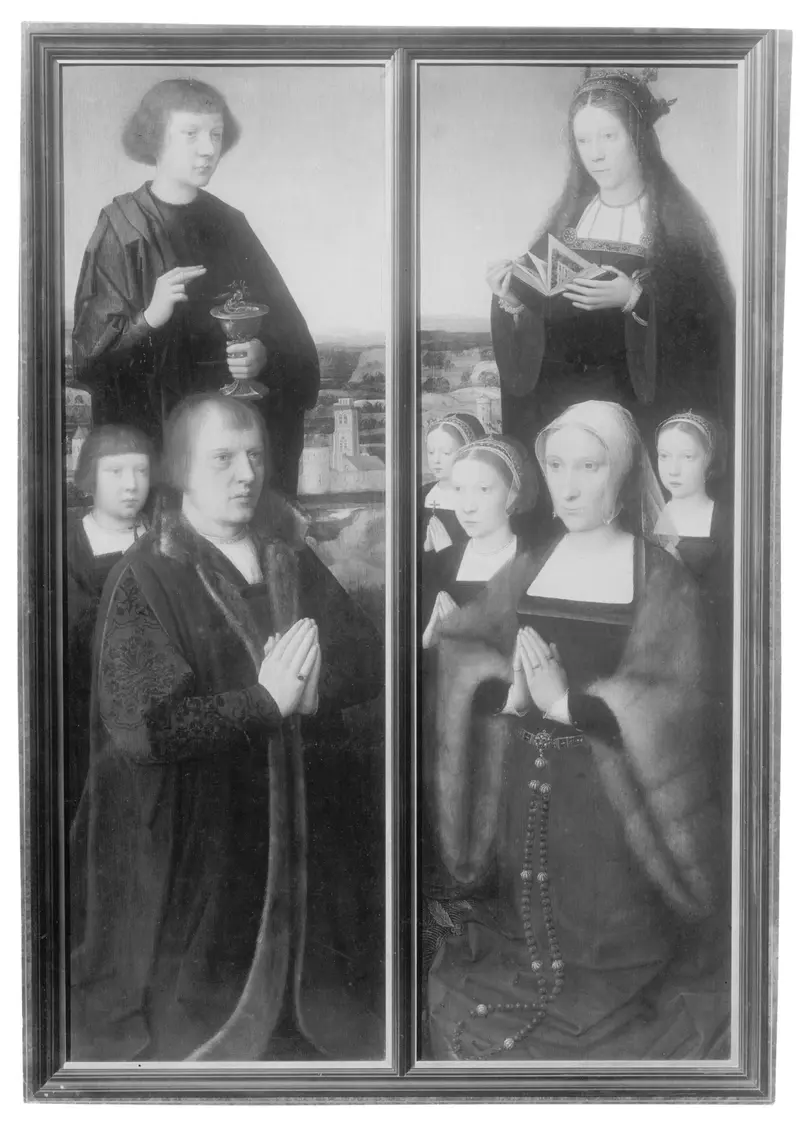
Wings of a polyptych with donors -Man with son and Saint, Woman with daughters and Saint (burned)
Adriaen Isenbrant
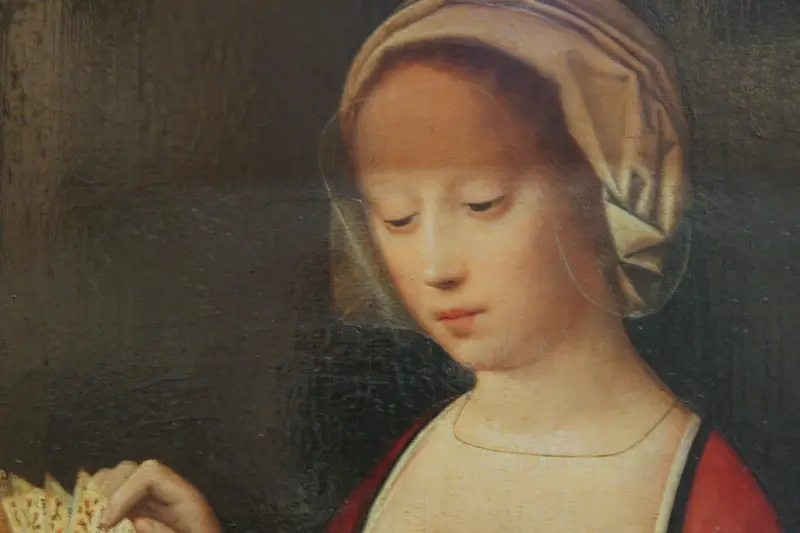
Mary Magdalene Reading
Adriaen Isenbrant
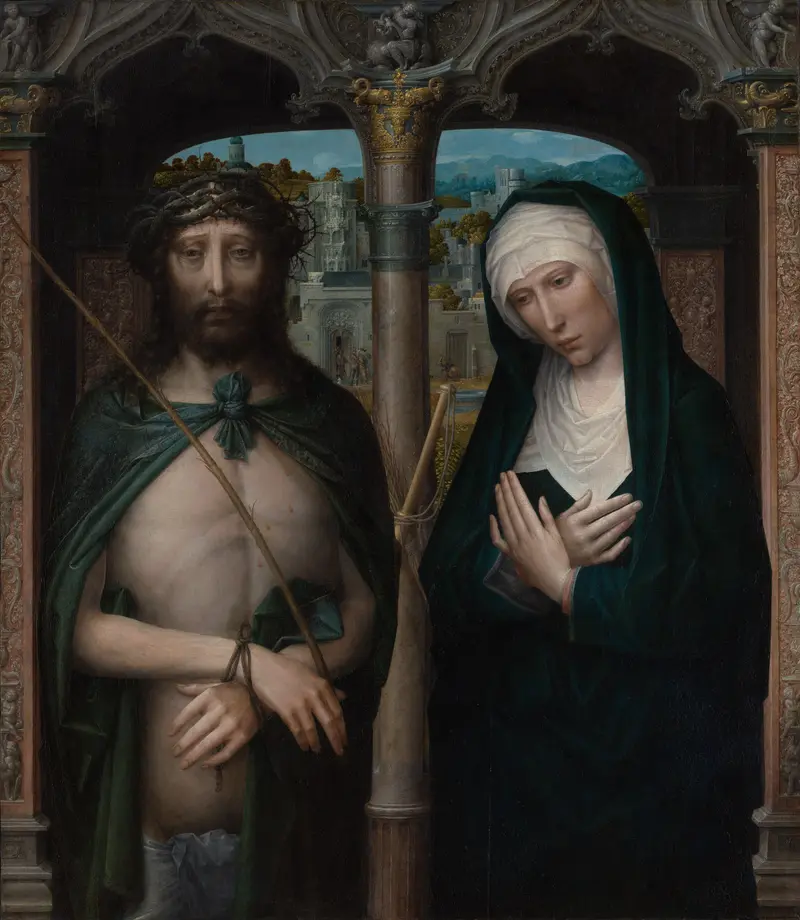
Christ Crowned with Thorns (Ecce Homo), and the Mourning Virgin
Adriaen Isenbrant
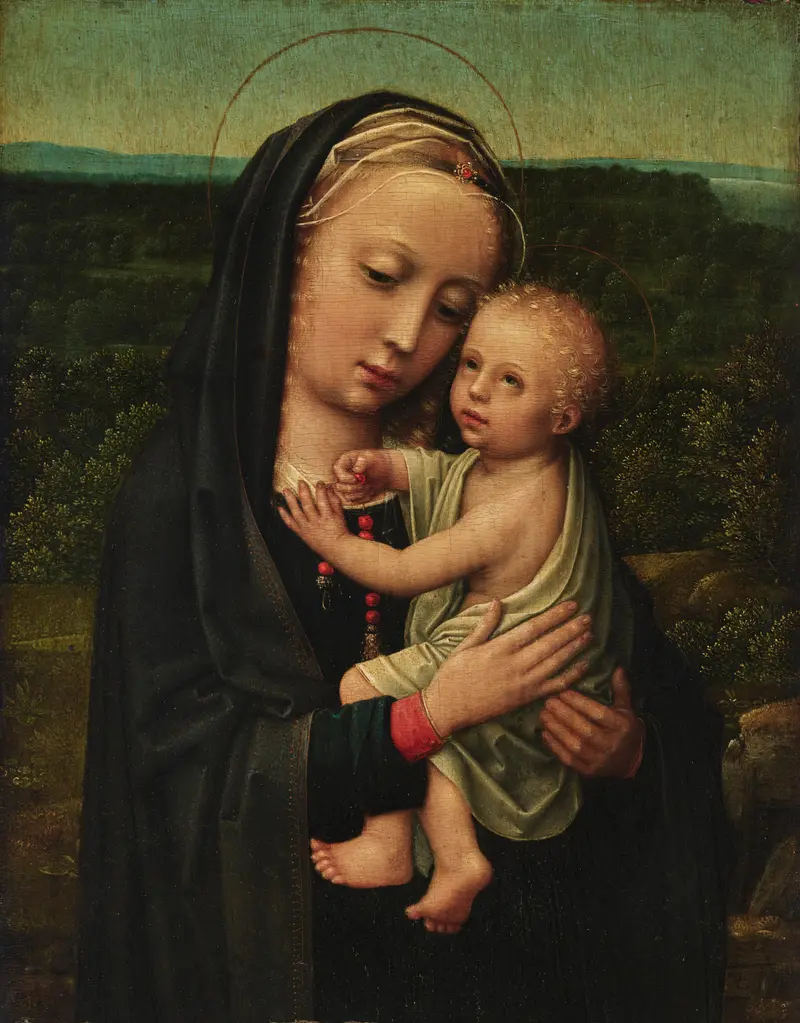
Madonna and Child
Adriaen Isenbrant
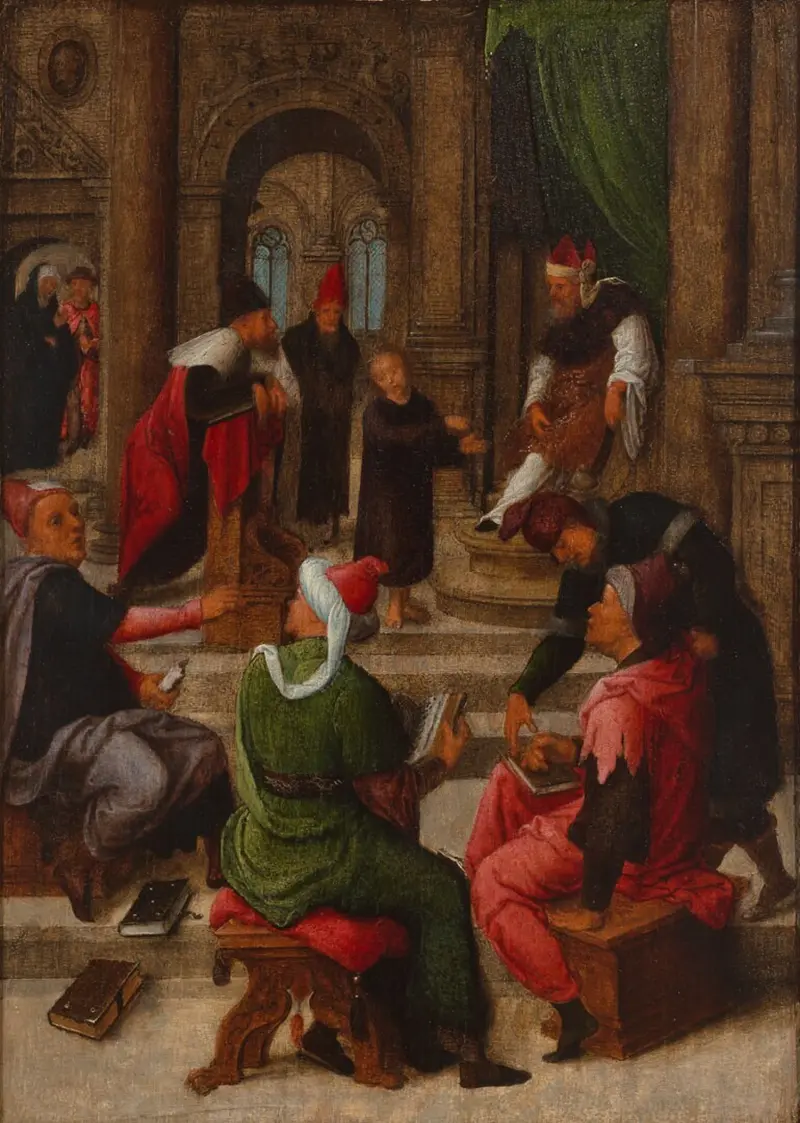
The 12-Year-Old Jesus in the Temple
Adriaen Isenbrant





