
The Mass of Saint Gregory the Great — History & Facts
Gold glimmers on embroidered vestments, candlelight flickers, and a hush of awe seems to settle over the scene: here, at the heart of the painting, a miracle interrupts the solemn ritual. The kneeling pope, surrounded by richly robed clergy, raises his eyes not to the altar’s relics but to a vision more immediate—Christ himself, wounded and crowned with thorns, has appeared above the altar. The painter draws your gaze upward and inward, following the line of golden processional staffs and the tilt of heads, until you meet the raw humanity of Christ, his gesture both a blessing and a revelation.
Each detail—an open missal, a papal tiara set aside, the careful rendering of marble and textile—serves to heighten the sense of a world momentarily pierced by the divine. Works like this, painted in the first half of the sixteenth century, were born in a Europe gripped by debates over the nature of the Mass and the reality of Christ’s presence in the Eucharist. Scenes of the Mass of Saint Gregory, such as this one by Adriaen Isenbrant, were prized for their power to affirm faith through image, often commissioned by churches or private patrons seeking reassurance or prestige. The Getty Museum now houses this painting, dating it between circa 1510 and 1550—a period when artists in the Low Countries lavished attention on texture and storytelling, turning sacred legend into something tangible.
Even as history keeps much about this particular panel in shadow, its purpose is clear: to draw the viewer into a moment where the miraculous feels as close as candlelight.
More Artworks by Adriaen Isenbrant
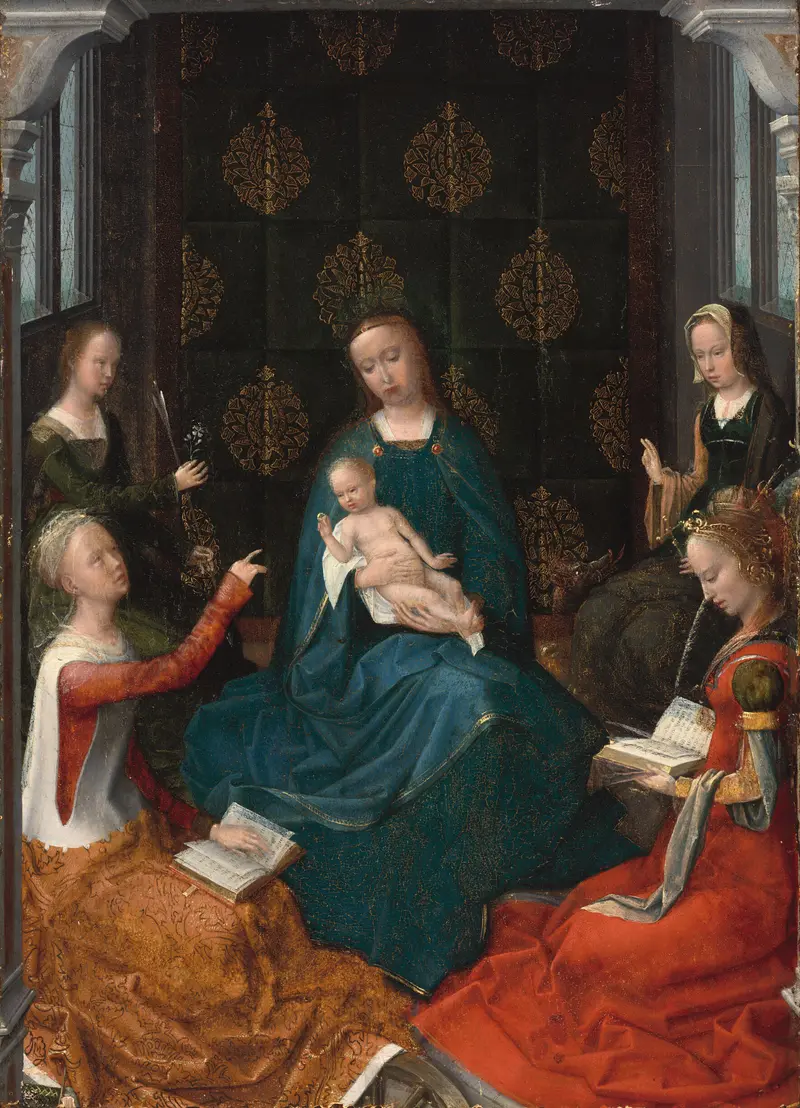
The Mystic Marriage of Saint Catherine of Alexandria with Three Female Saints: Ursula, Margaret of Antioch, and an Unidentified Martyr
Adriaen Isenbrant
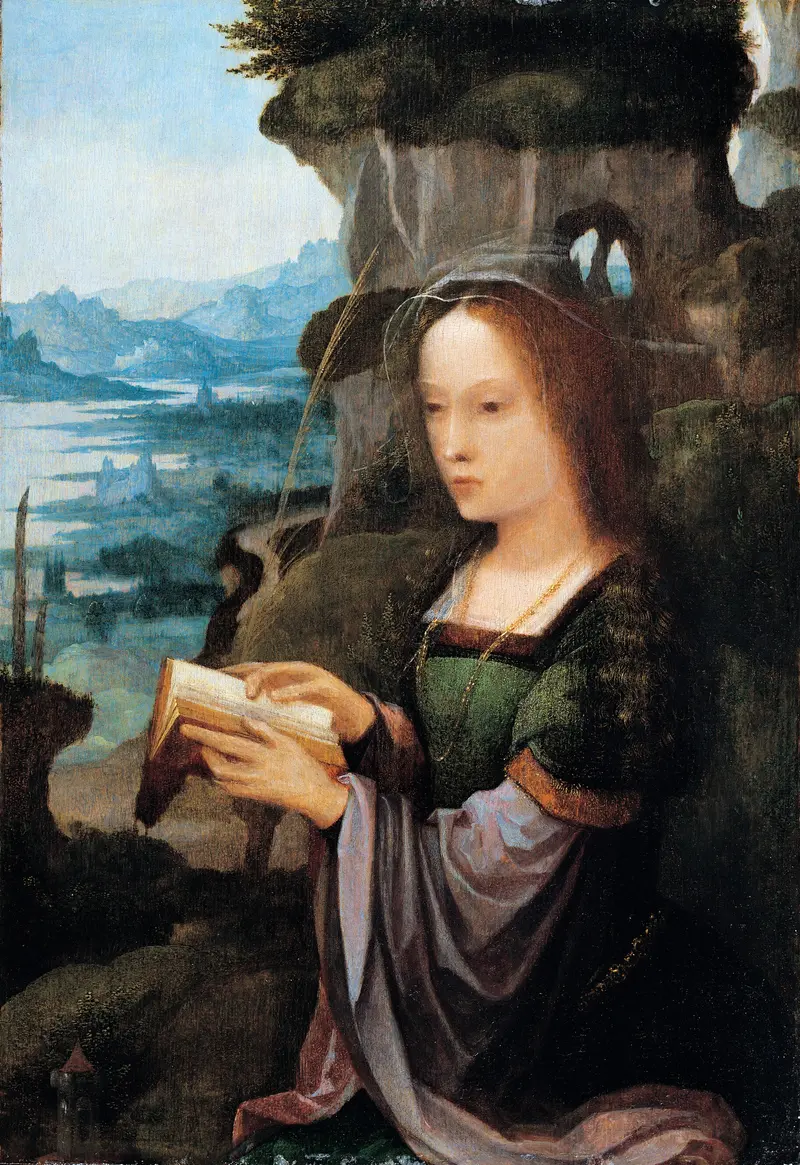
Saint Barbara
Adriaen Isenbrant
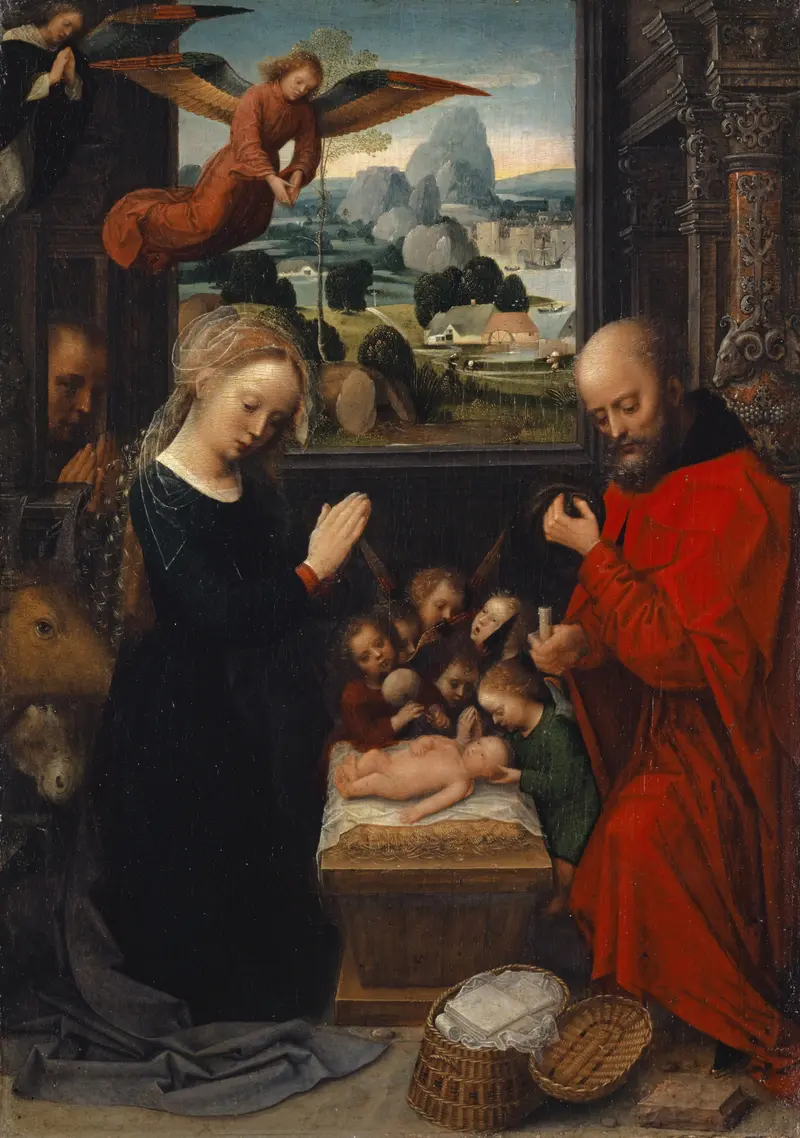
The Nativity
Adriaen Isenbrant
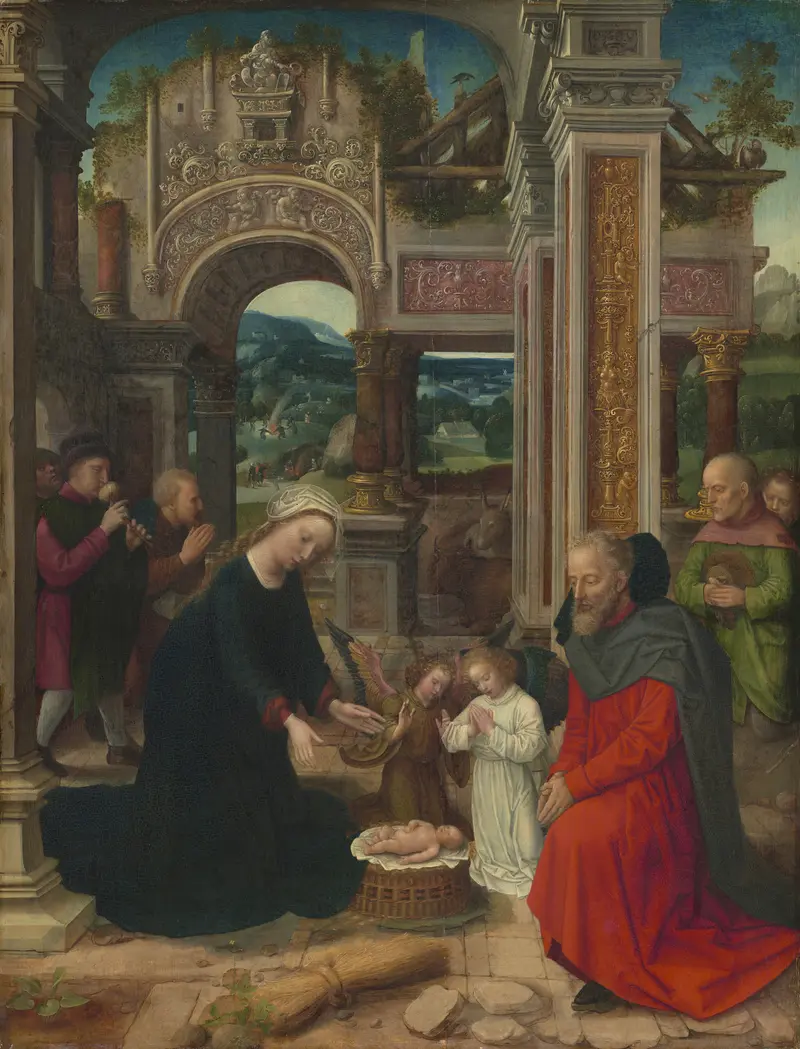
The Adoration of the Shepherds
Adriaen Isenbrant
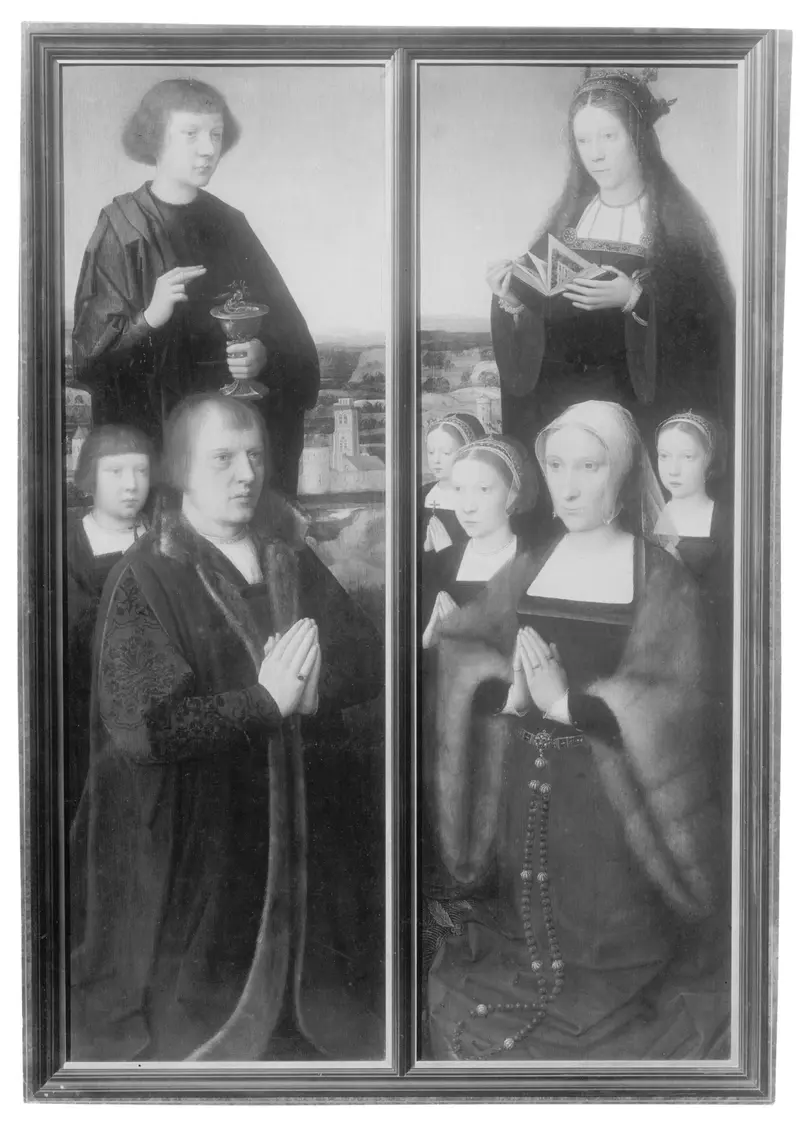
Wings of a polyptych with donors -Man with son and Saint, Woman with daughters and Saint (burned)
Adriaen Isenbrant
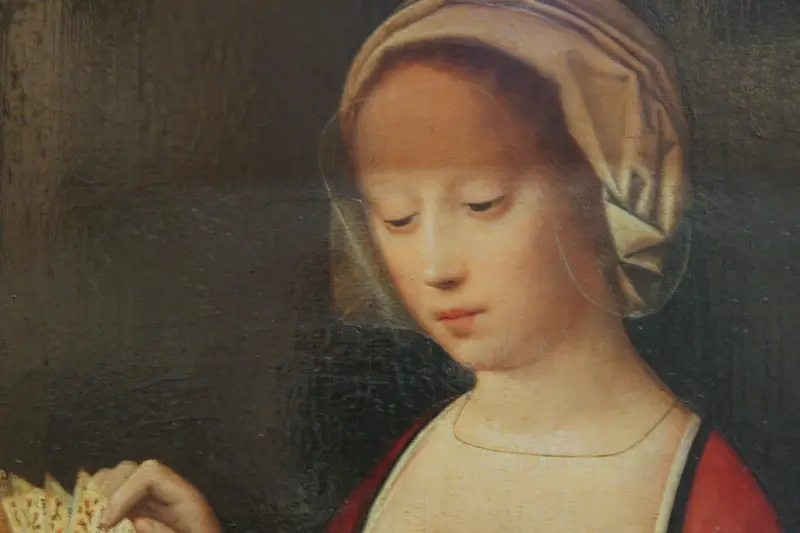
Mary Magdalene Reading
Adriaen Isenbrant
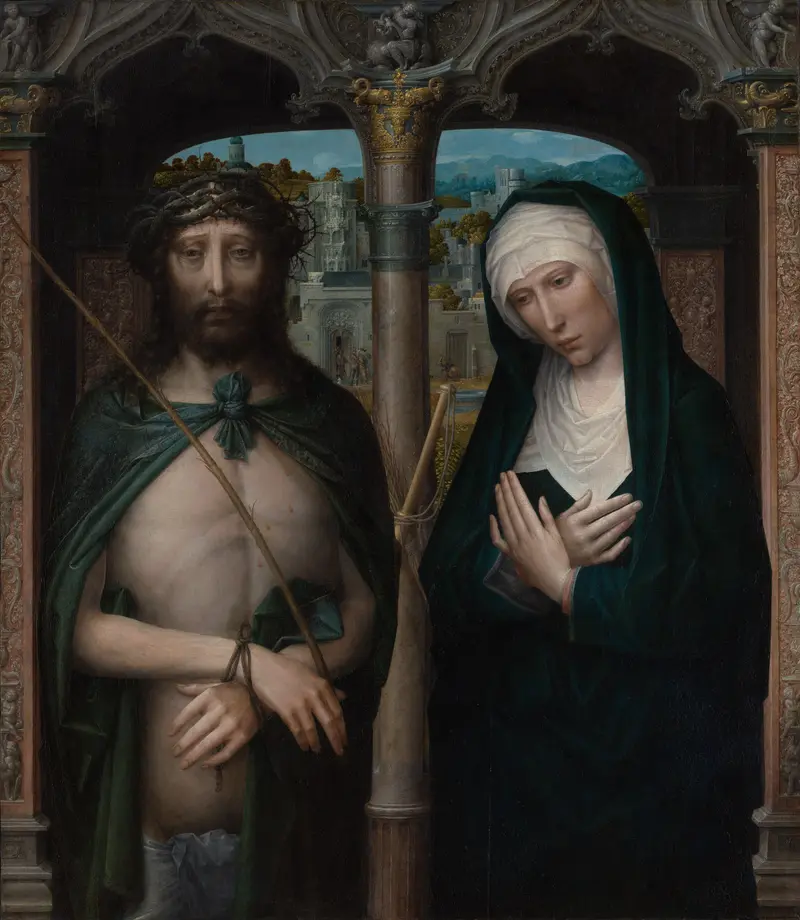
Christ Crowned with Thorns (Ecce Homo), and the Mourning Virgin
Adriaen Isenbrant
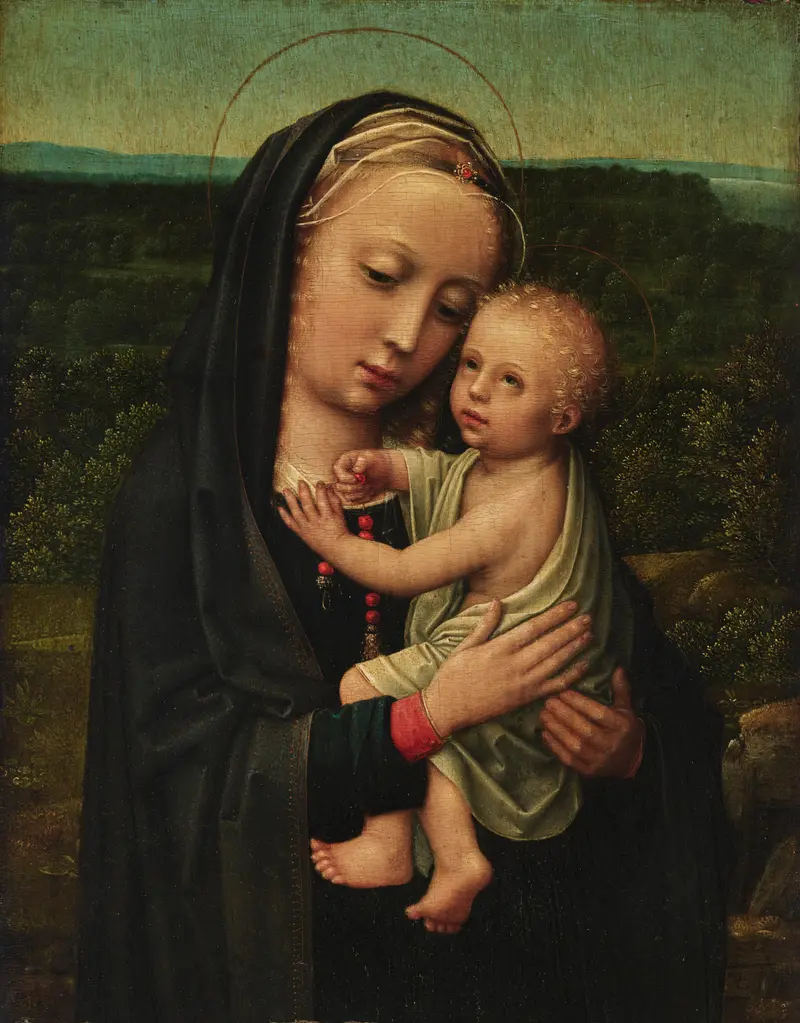
Madonna and Child
Adriaen Isenbrant
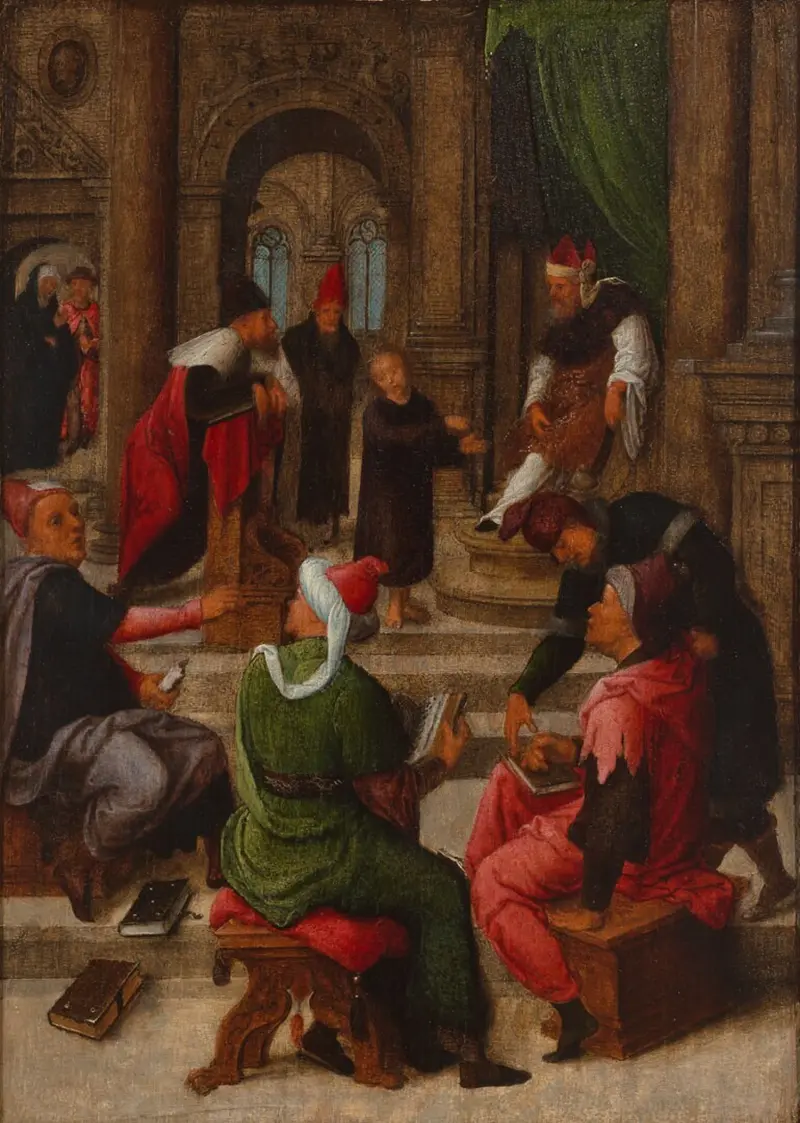
The 12-Year-Old Jesus in the Temple
Adriaen Isenbrant
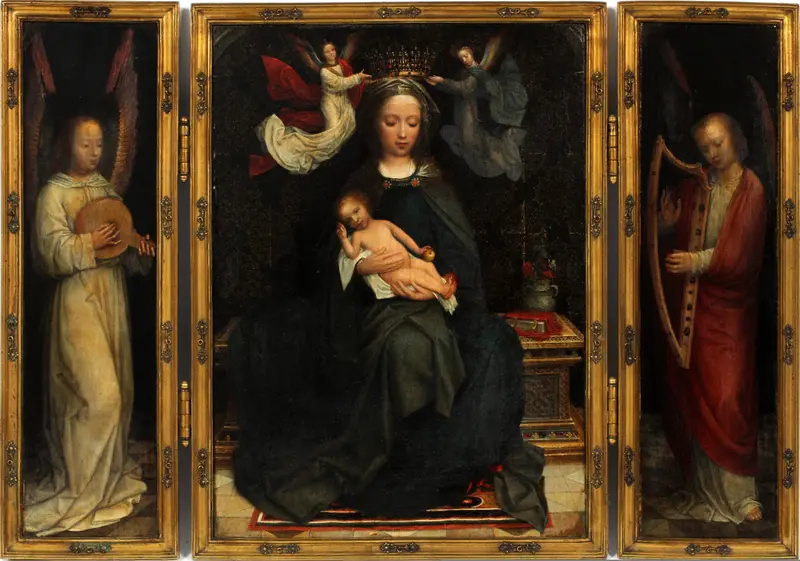
Triptych Madonna Enthroned with music-making angels
Adriaen Isenbrant





