
Mary Magdalene Reading — History & Facts
What holds the viewer here is not drama but quiet concentration: the young woman’s gaze is lowered, her lips gently pressed together, her entire presence turned inward toward the pages she holds. The light falls softly across her face, catching the delicate curve of her cheek and the fine linen of her headdress, drawing the eye to the moment of absorption. Her hand, poised and careful, suggests a reverence for the text—this is a scene of inward devotion, not spectacle.
The palette is restrained, with the warm flesh tones and the muted reds and creams of her clothing set against a shadowed background, giving the figure a sense of intimacy and immediacy. Created in the 1530s, this detail from Mary Magdalene Reading by Adriaen Isenbrant belongs to a tradition of Northern Renaissance devotional painting, where sacred figures were often rendered with the realism and tenderness of a contemporary sitter. Such works were prized in private homes for their ability to make the holy personal and accessible, inviting viewers into moments of reflection. While little is recorded about the specific journey of this painting, its survival in a modern collection speaks to the enduring appeal of this quiet, contemplative mode.
The world that produced it was one of spiritual renewal and artistic innovation—look again at the gentle modeling of the face, and you glimpse both the painter’s skill and the devotional world he inhabited.
More Artworks by Adriaen Isenbrant
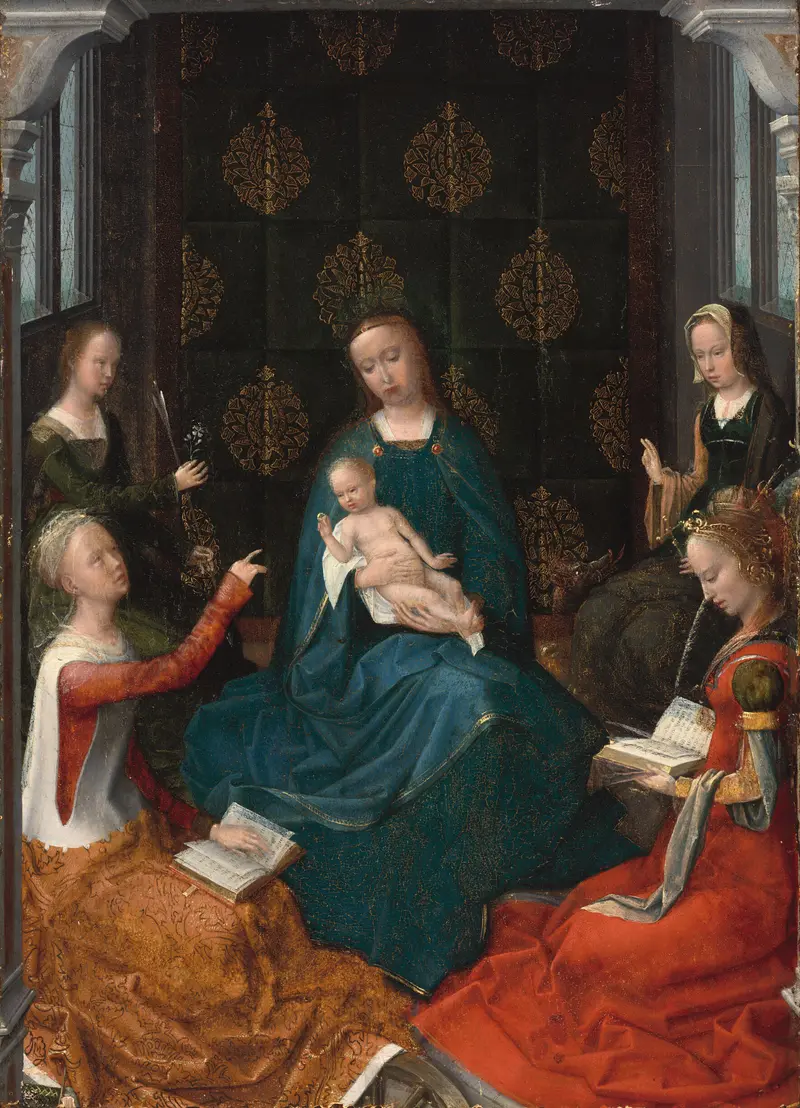
The Mystic Marriage of Saint Catherine of Alexandria with Three Female Saints: Ursula, Margaret of Antioch, and an Unidentified Martyr
Adriaen Isenbrant
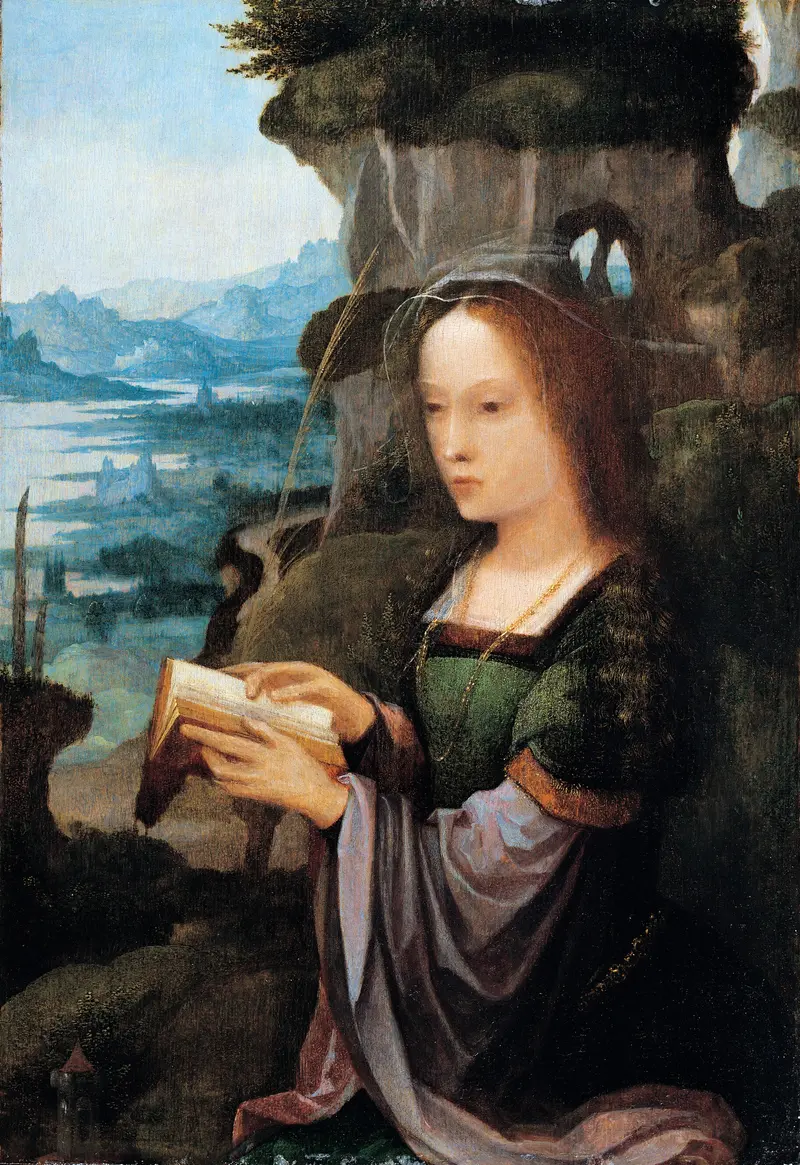
Saint Barbara
Adriaen Isenbrant
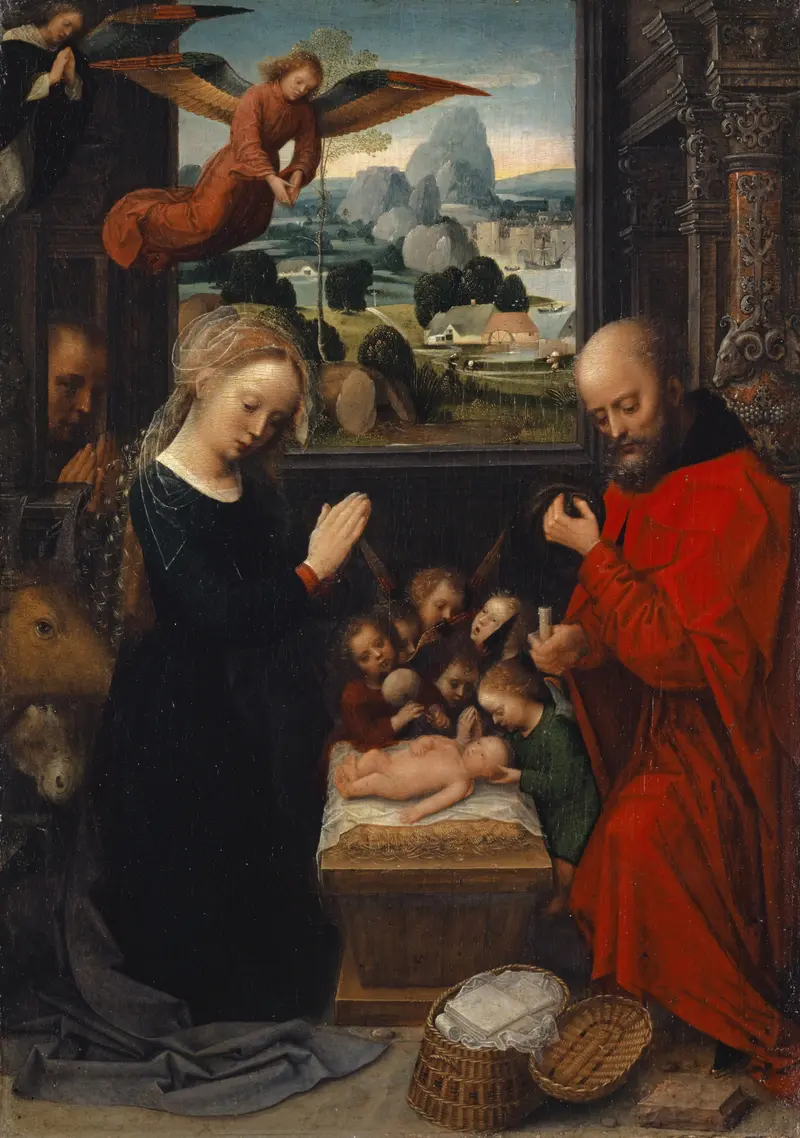
The Nativity
Adriaen Isenbrant
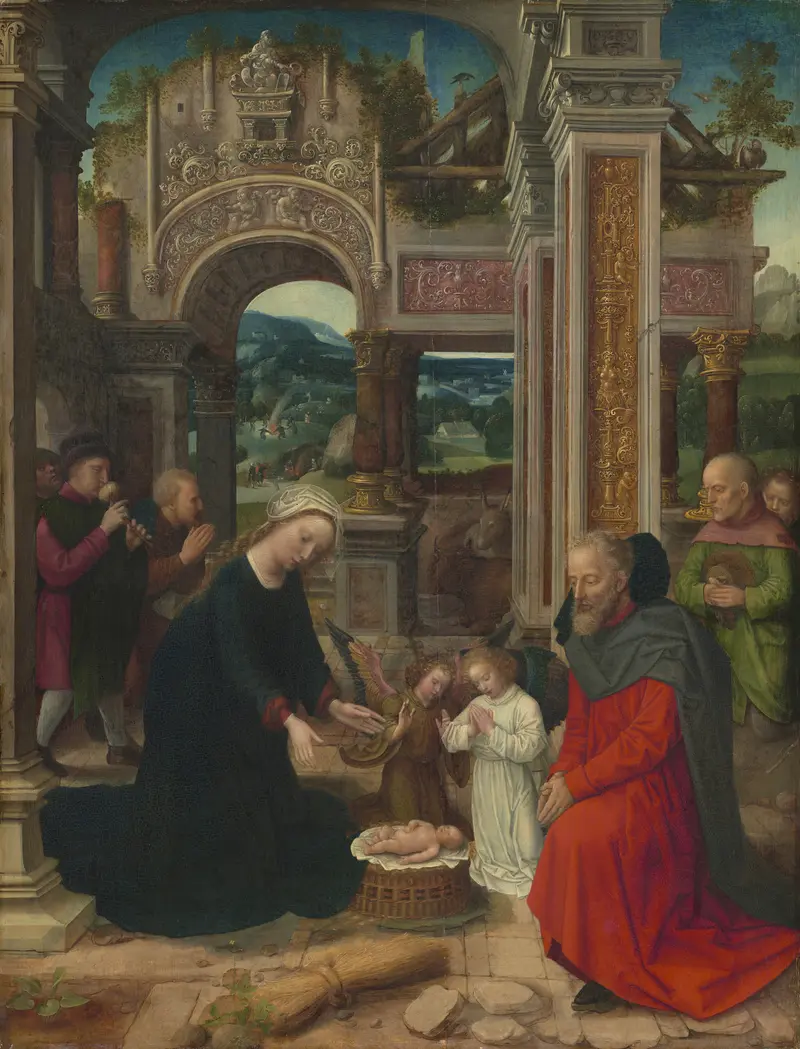
The Adoration of the Shepherds
Adriaen Isenbrant
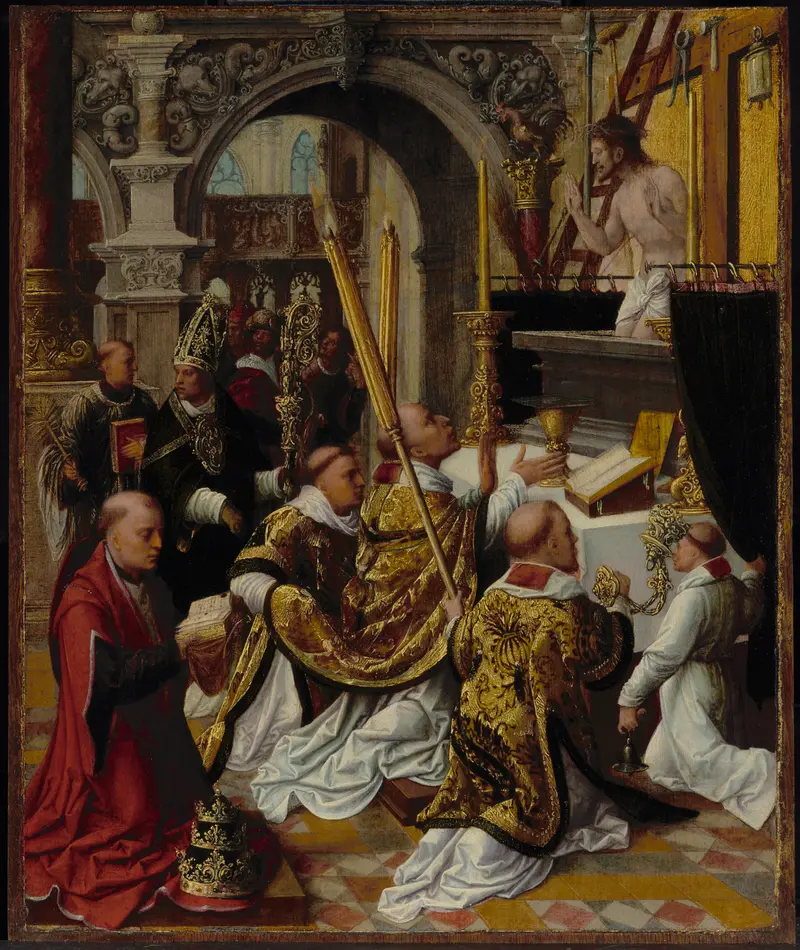
The Mass of Saint Gregory the Great
Adriaen Isenbrant
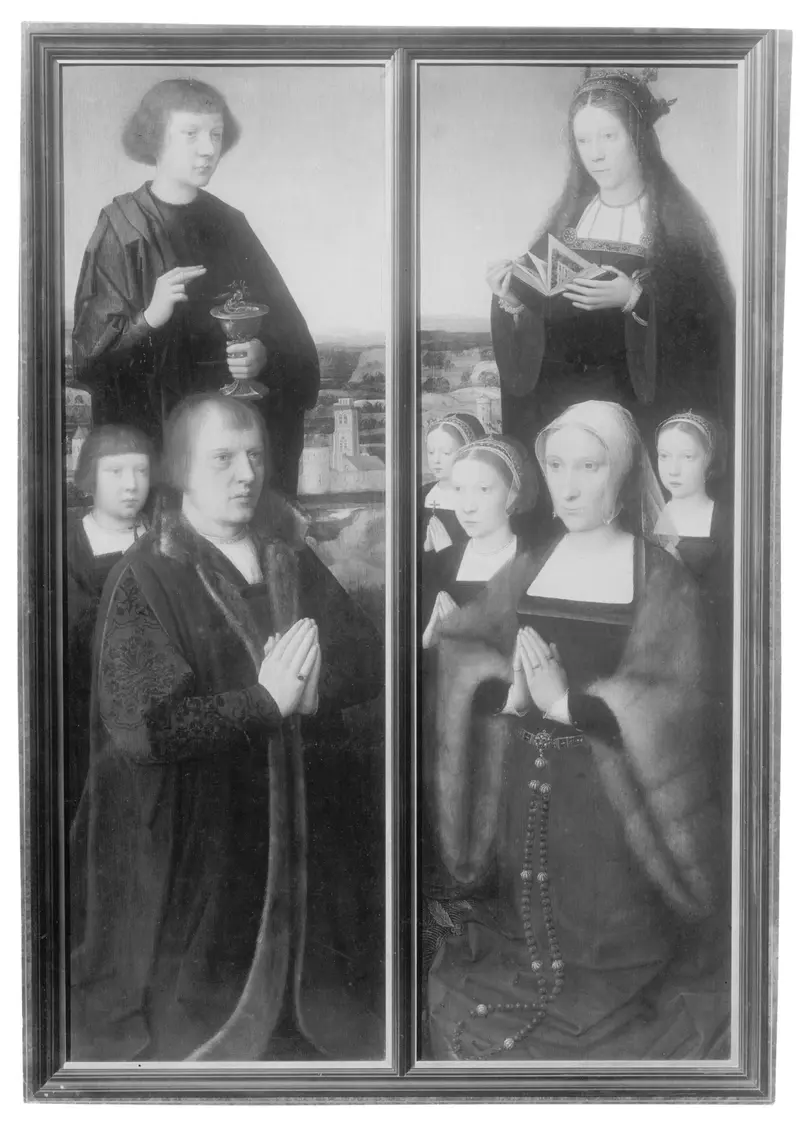
Wings of a polyptych with donors -Man with son and Saint, Woman with daughters and Saint (burned)
Adriaen Isenbrant
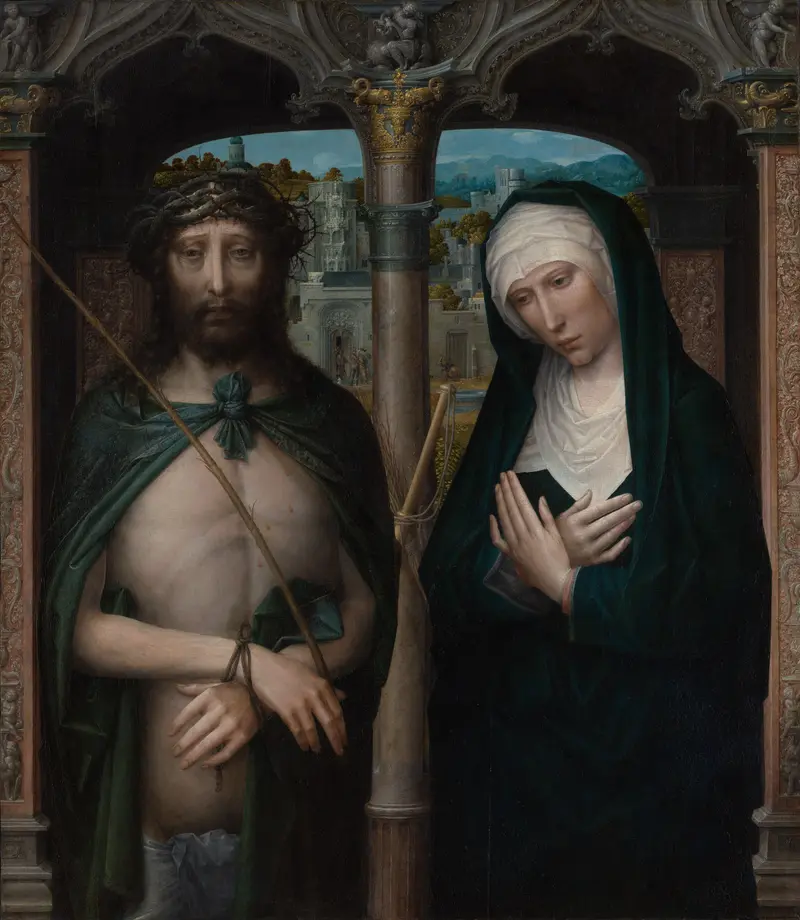
Christ Crowned with Thorns (Ecce Homo), and the Mourning Virgin
Adriaen Isenbrant
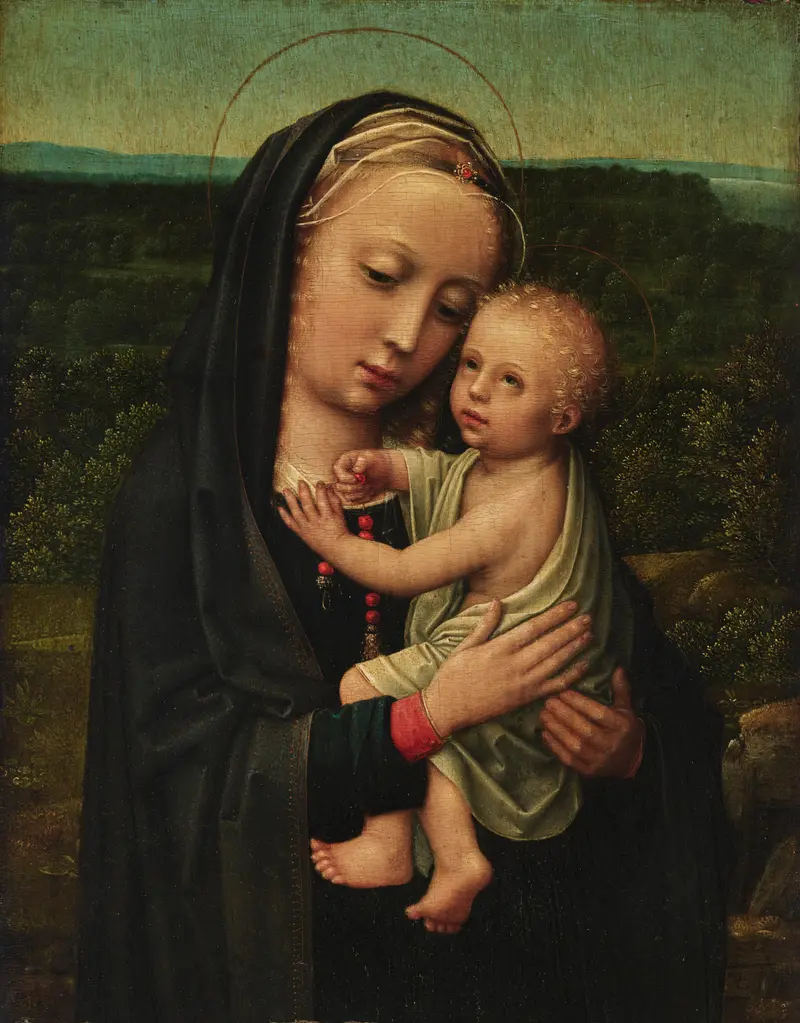
Madonna and Child
Adriaen Isenbrant
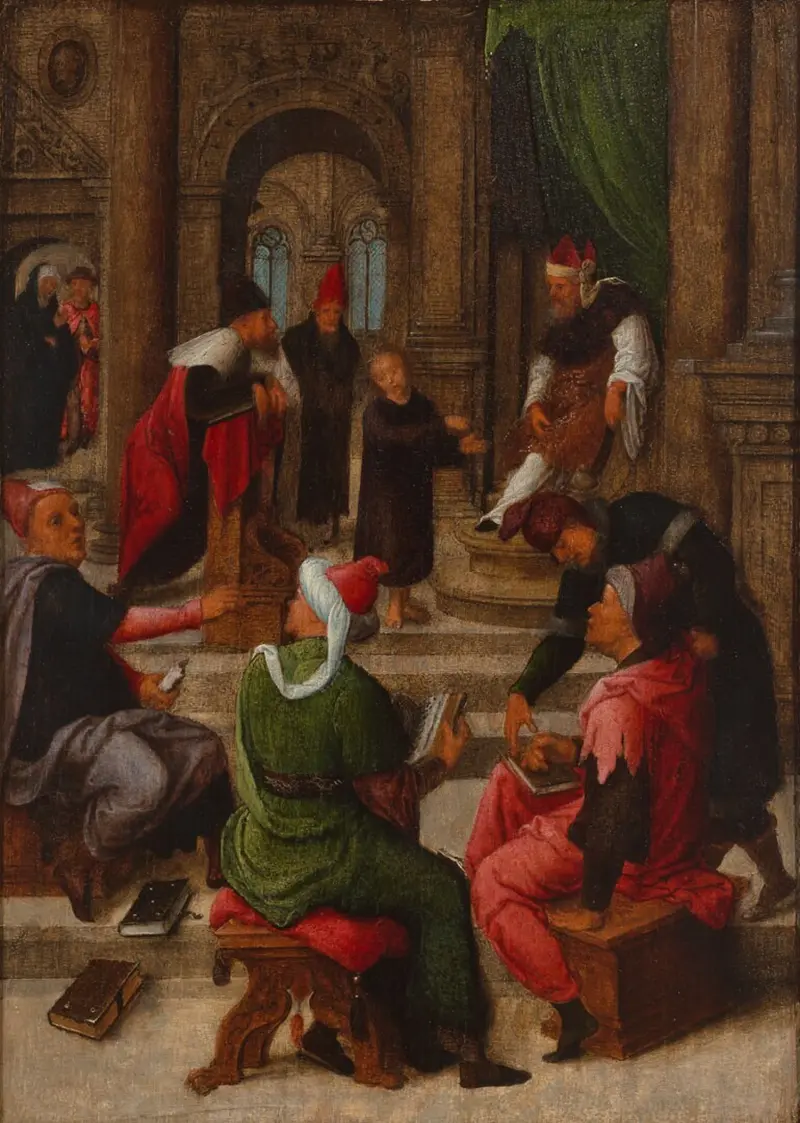
The 12-Year-Old Jesus in the Temple
Adriaen Isenbrant
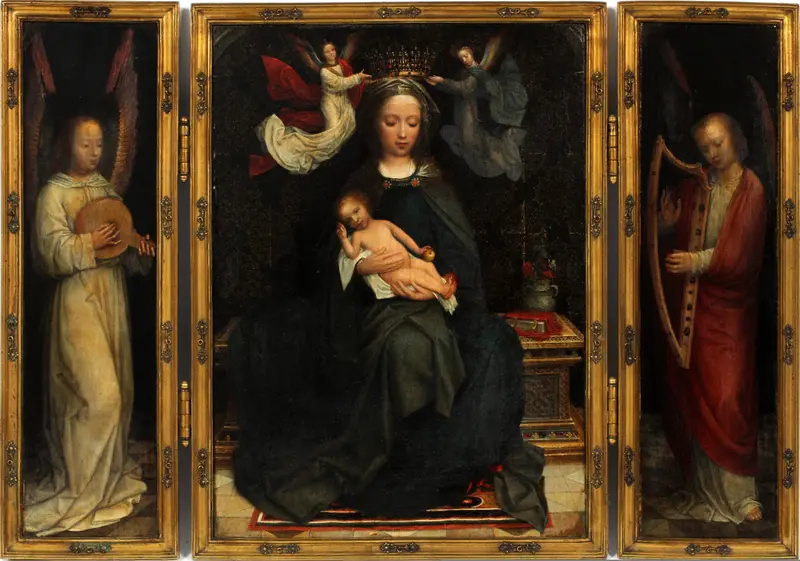
Triptych Madonna Enthroned with music-making angels
Adriaen Isenbrant





