
The 12-Year-Old Jesus in the Temple — History & Facts
What first catches the eye in The 12-Year-Old Jesus in the Temple is the swirl of color and gesture at its heart: a barefoot boy, calmly poised amid a gathering of elders, his hand lifted in mid-argument or explanation. The artist draws us in with a play of diagonals—see how the figures lean, turn, and gesture, all converging on the young Jesus. Rich reds and greens animate the robes of the temple scholars, their faces a study in skepticism, curiosity, and dawning surprise.
The light falls softly from above, illuminating the boy’s face and bare feet, setting him apart from the richly dressed men who encircle him. Books lie open and discarded at their feet, as if the usual authorities have been momentarily set aside for this new voice. This painting belongs to a world where biblical stories were not distant legends but living lessons, painted for churches or private devotion in the early sixteenth century. Scenes like this—Jesus among the doctors—were prized for their drama and their invitation to contemplate wisdom, innocence, and authority.
In the Northern Renaissance, artists such as Adriaen Isenbrant brought these moments to life with intricate architecture and vibrant color, reflecting both the grandeur of sacred spaces and the intellectual ferment of the time. Dated between 1500 and 1551 and now part of the Boijmans collection, this panel stands as a testament to an era when artists and patrons alike sought to make the mysteries of faith immediate and vivid. Step closer, and let your eye wander from the boy’s steady gaze to the questioning hands of his elders—each detail invites a new question.
More Artworks by Adriaen Isenbrant
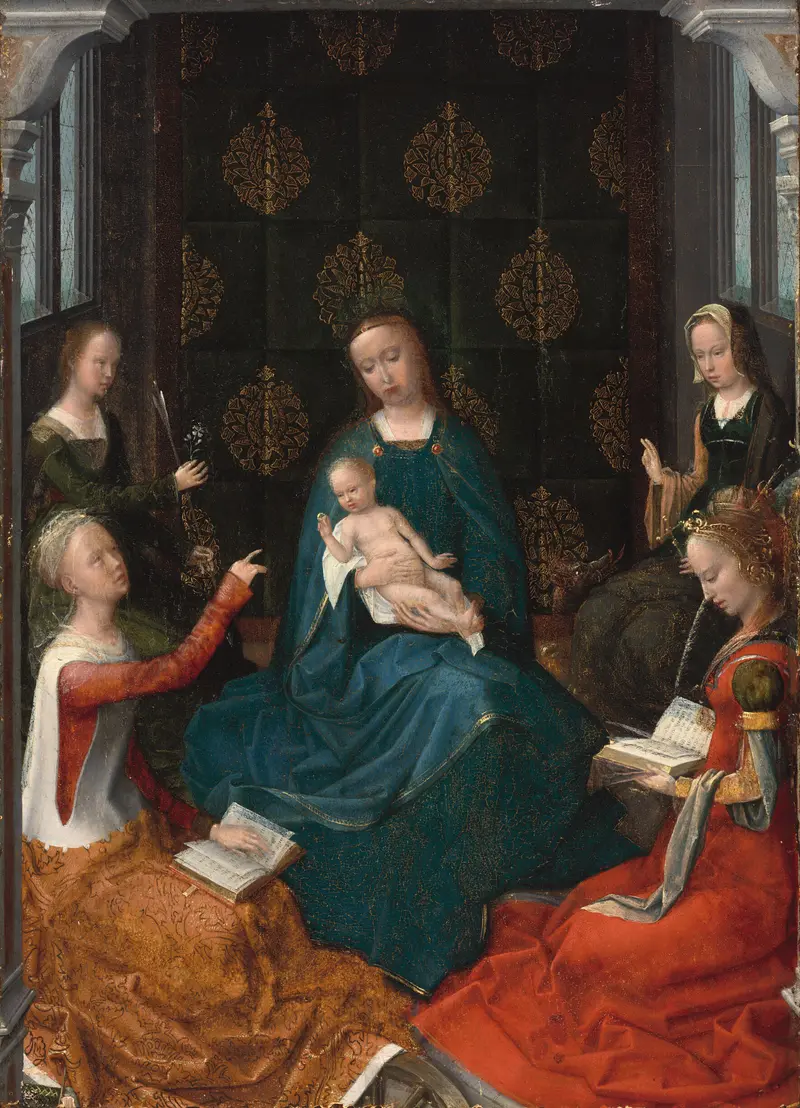
The Mystic Marriage of Saint Catherine of Alexandria with Three Female Saints: Ursula, Margaret of Antioch, and an Unidentified Martyr
Adriaen Isenbrant
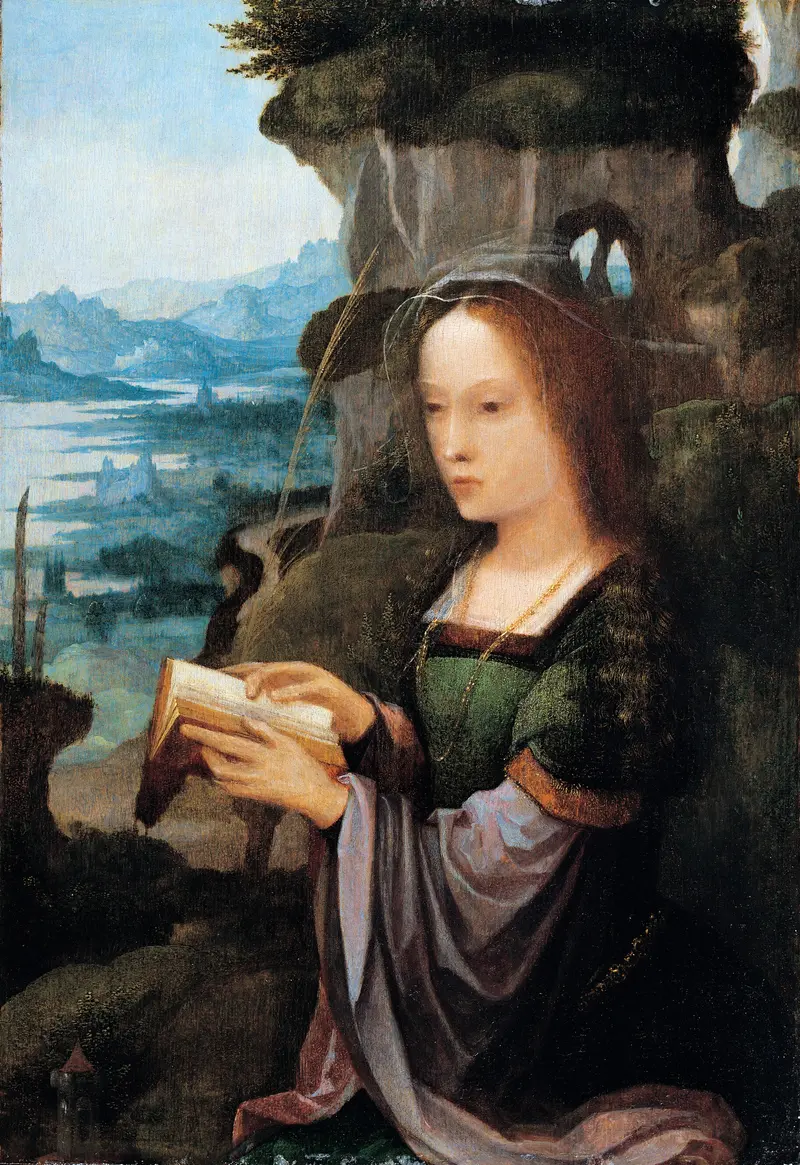
Saint Barbara
Adriaen Isenbrant
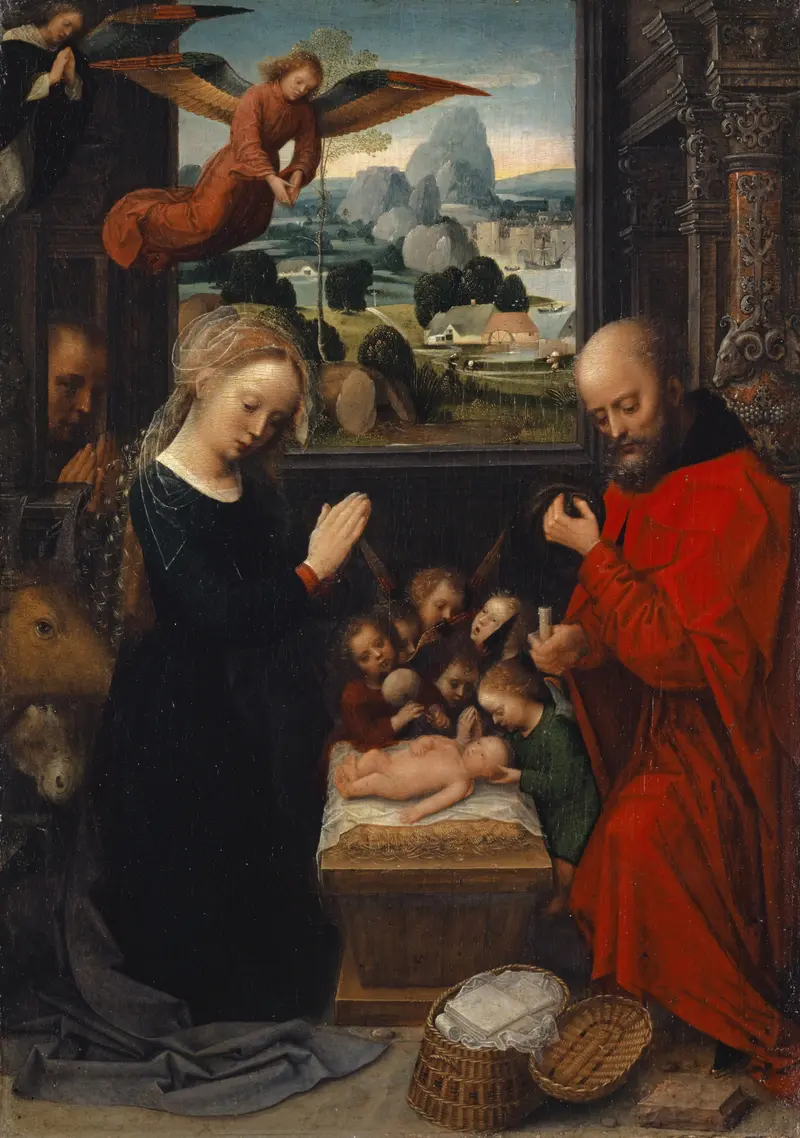
The Nativity
Adriaen Isenbrant
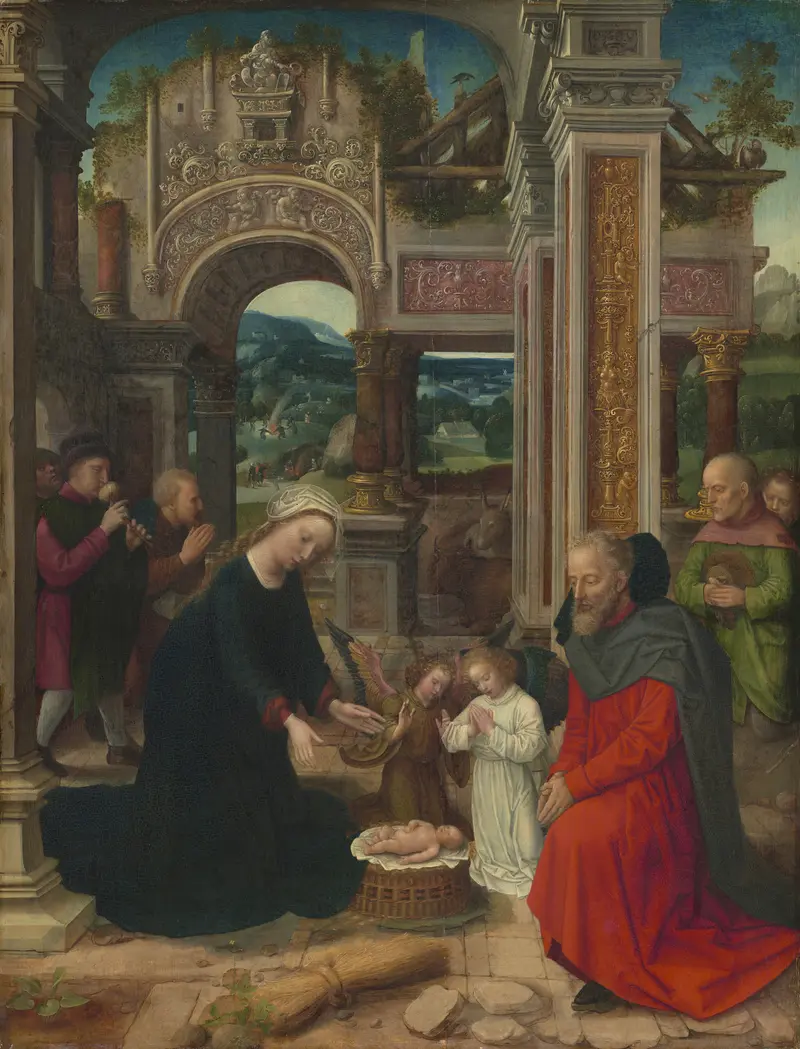
The Adoration of the Shepherds
Adriaen Isenbrant
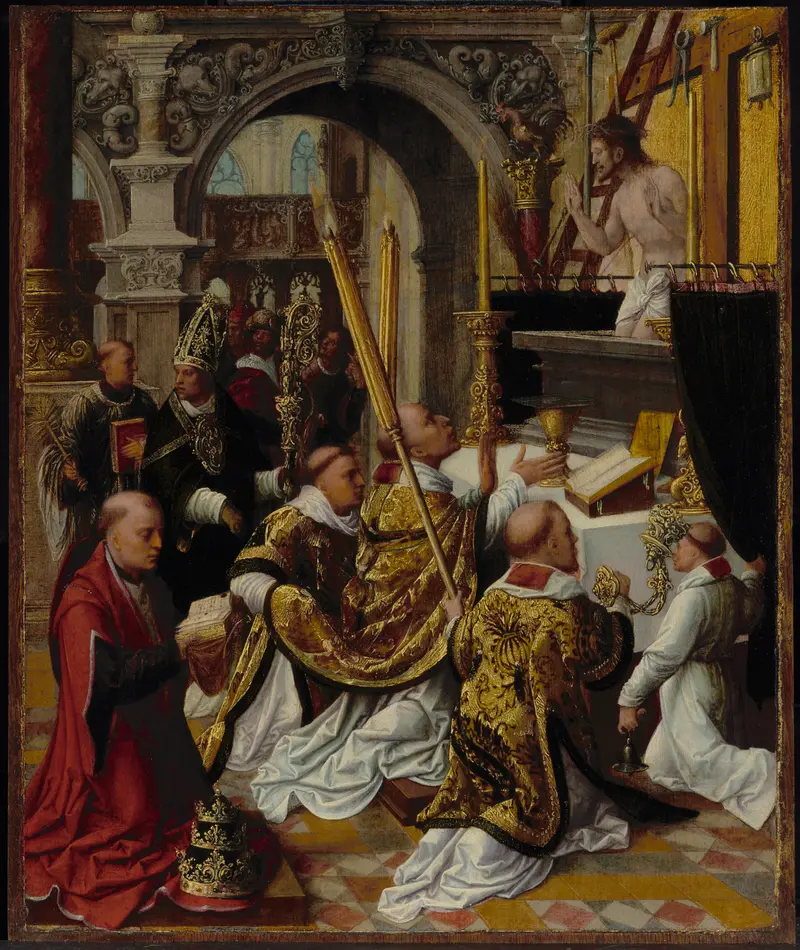
The Mass of Saint Gregory the Great
Adriaen Isenbrant
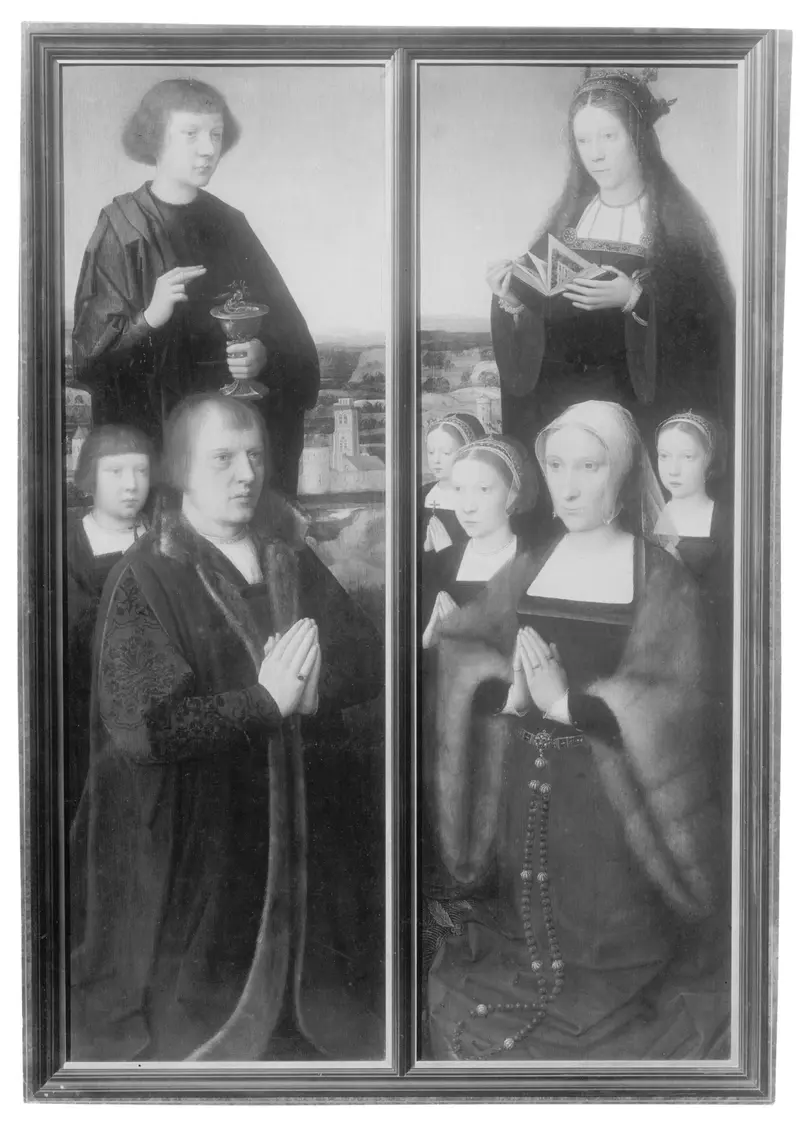
Wings of a polyptych with donors -Man with son and Saint, Woman with daughters and Saint (burned)
Adriaen Isenbrant
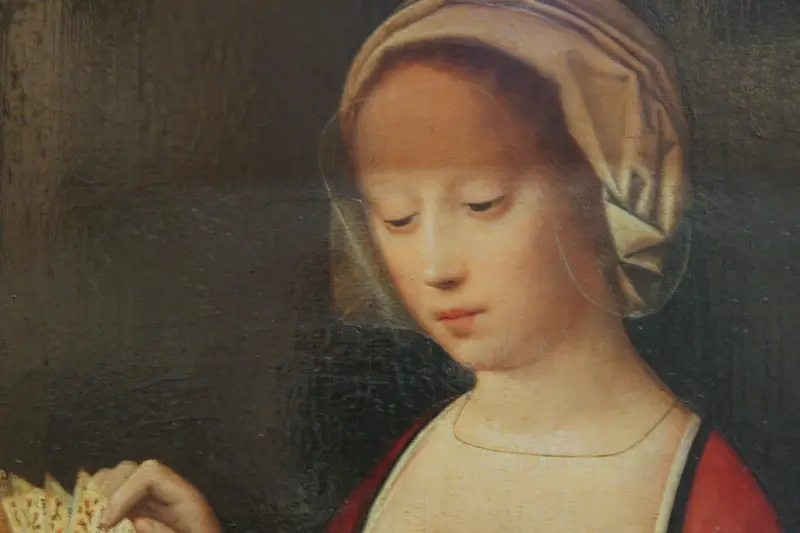
Mary Magdalene Reading
Adriaen Isenbrant
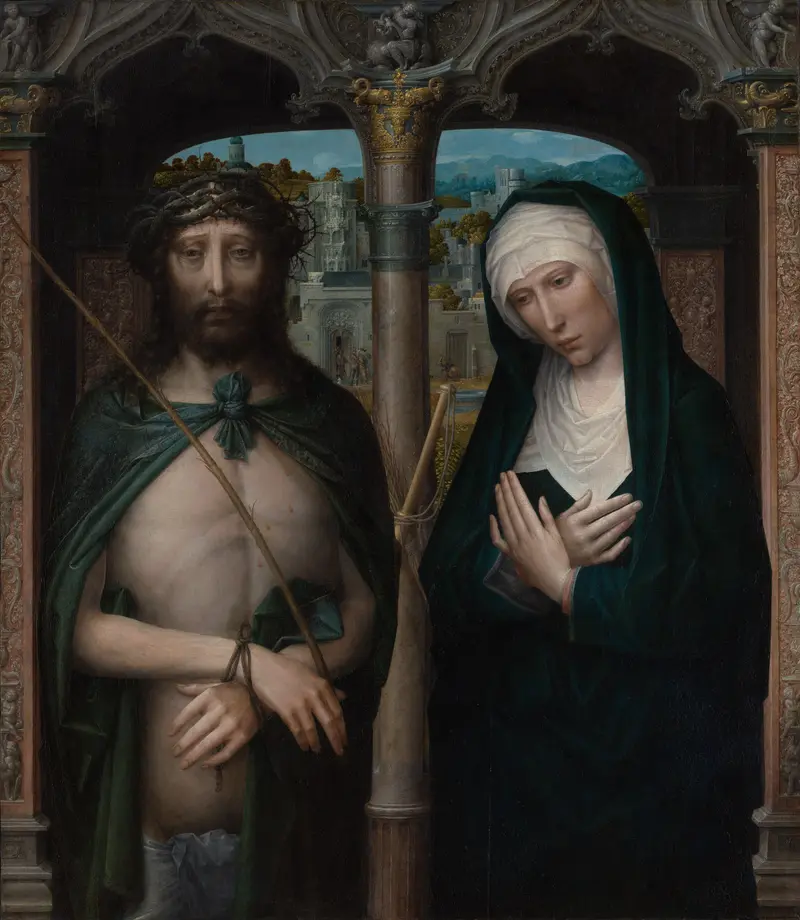
Christ Crowned with Thorns (Ecce Homo), and the Mourning Virgin
Adriaen Isenbrant
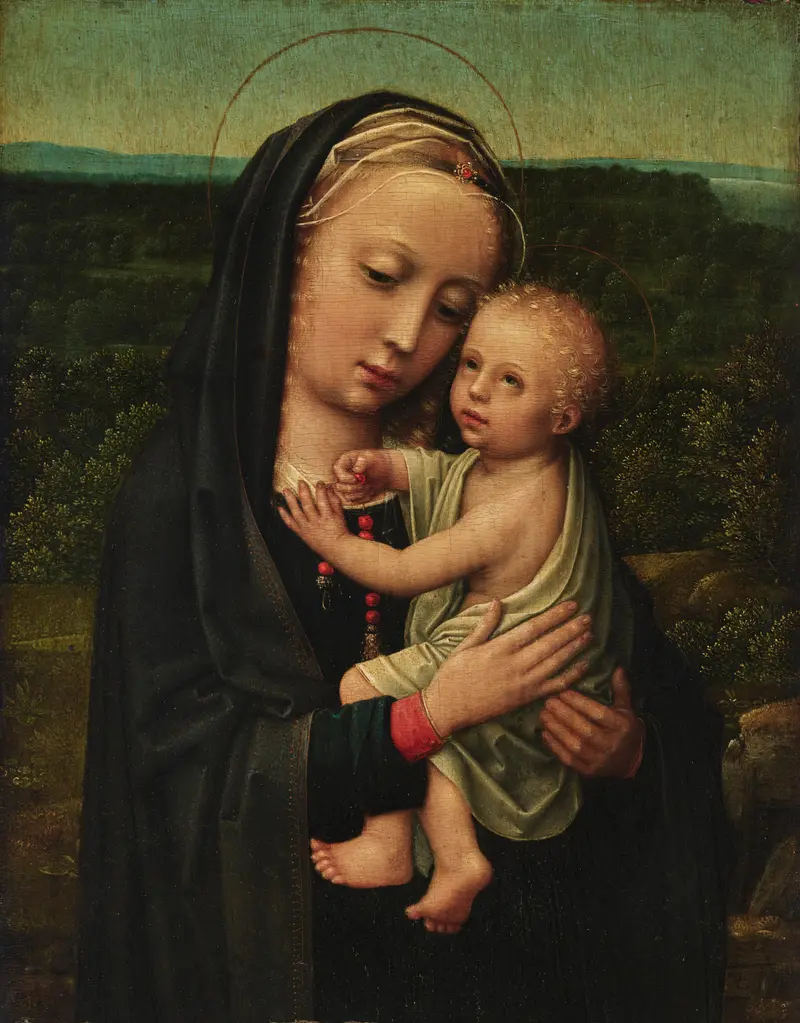
Madonna and Child
Adriaen Isenbrant
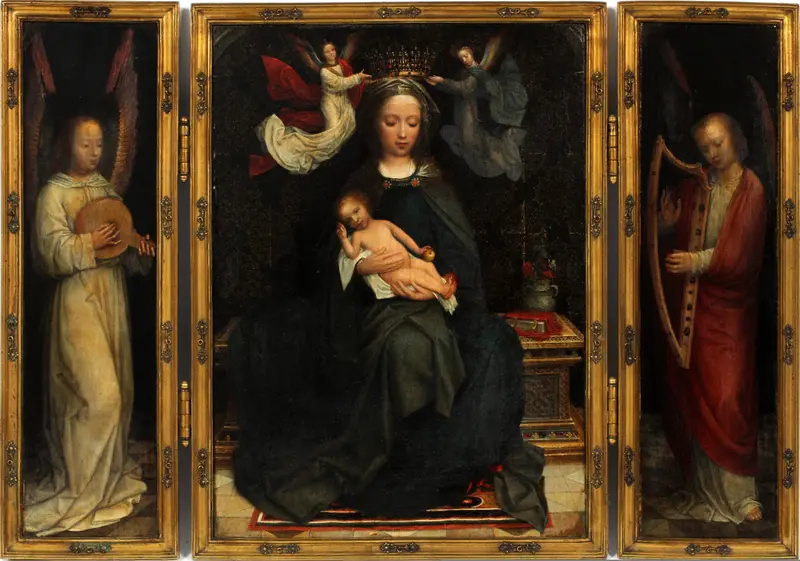
Triptych Madonna Enthroned with music-making angels
Adriaen Isenbrant





