
Madonna and Child — History & Facts
What first draws the eye in Madonna and Child is the sense of quiet intimacy: the Madonna, her head gently inclined, gazes downward with a tenderness that radiates through the panel. The Christ Child, perched in her arms, reaches up with one hand, his small fingers curling around his mother’s veil while his other hand rests trustingly on her chest. The artist leads us into this private moment by framing the figures close, filling the space with their forms so that the viewer feels almost invited into their embrace.
The Madonna’s dark robe, edged with subtle gold, sets off the luminous flesh tones, while the red beads at her neck draw a line of warmth between mother and child. Behind them, a lush landscape recedes into deep green, offering a calm, earthly backdrop to this sacred encounter. Painted in 1540, this work belongs to a tradition that flourished in the Low Countries, where artists like Adriaen Isenbrant created devotional images for private contemplation. Such paintings were often commissioned by prosperous townspeople who sought comfort and guidance in the familiar face of the Virgin.
The gentle, humanized Madonna—her features soft, her affection unmistakable—reflects a shift in religious art of the period, away from distant icons and toward figures with whom viewers could feel a personal connection. Though history has kept few traces of this particular panel’s early life, its survival allows us to witness how faith and artistry intertwined in sixteenth-century Europe. The longer one lingers, the more the painting’s quiet details—halo lines, the delicate transparency of the Madonna’s veil—invite reflection on the world that shaped it.
More Artworks by Adriaen Isenbrant
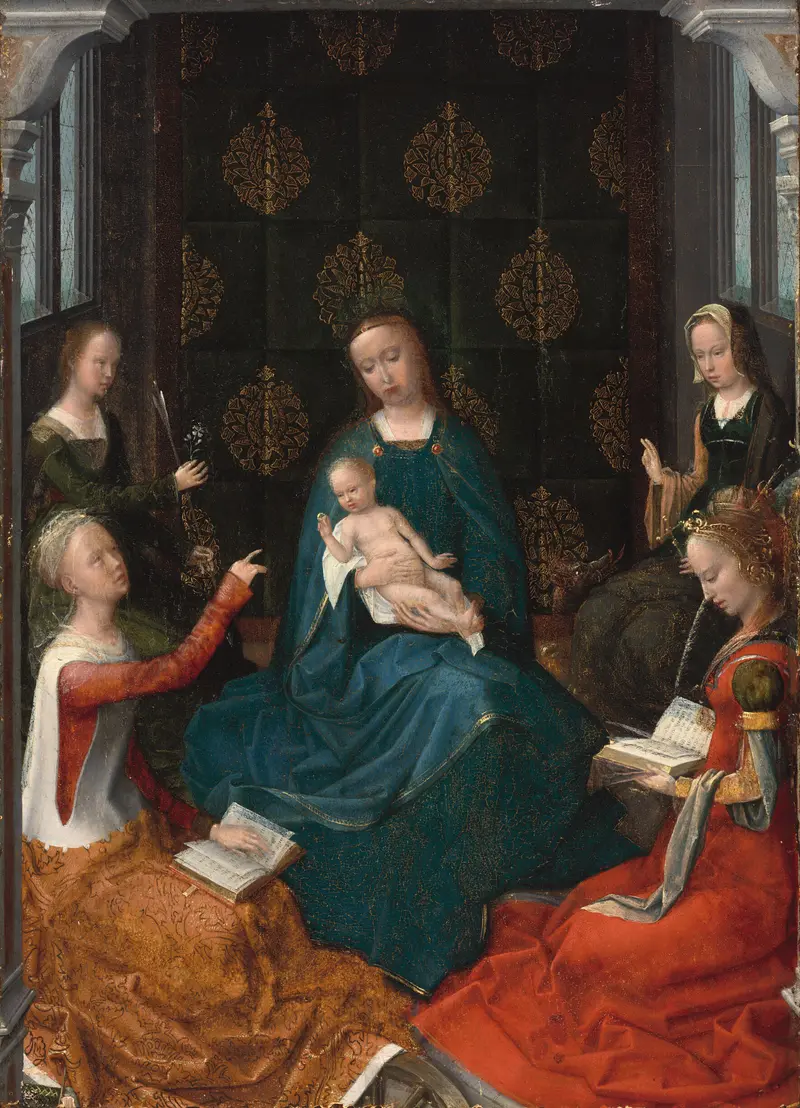
The Mystic Marriage of Saint Catherine of Alexandria with Three Female Saints: Ursula, Margaret of Antioch, and an Unidentified Martyr
Adriaen Isenbrant
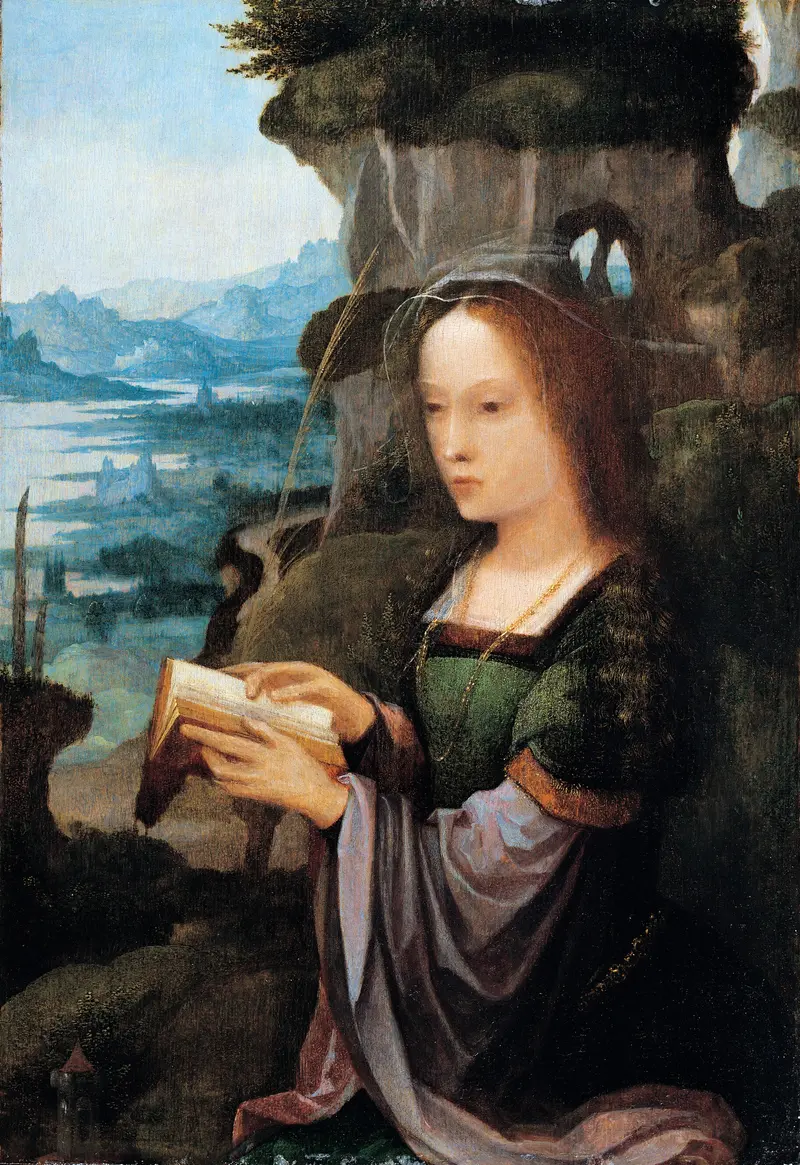
Saint Barbara
Adriaen Isenbrant
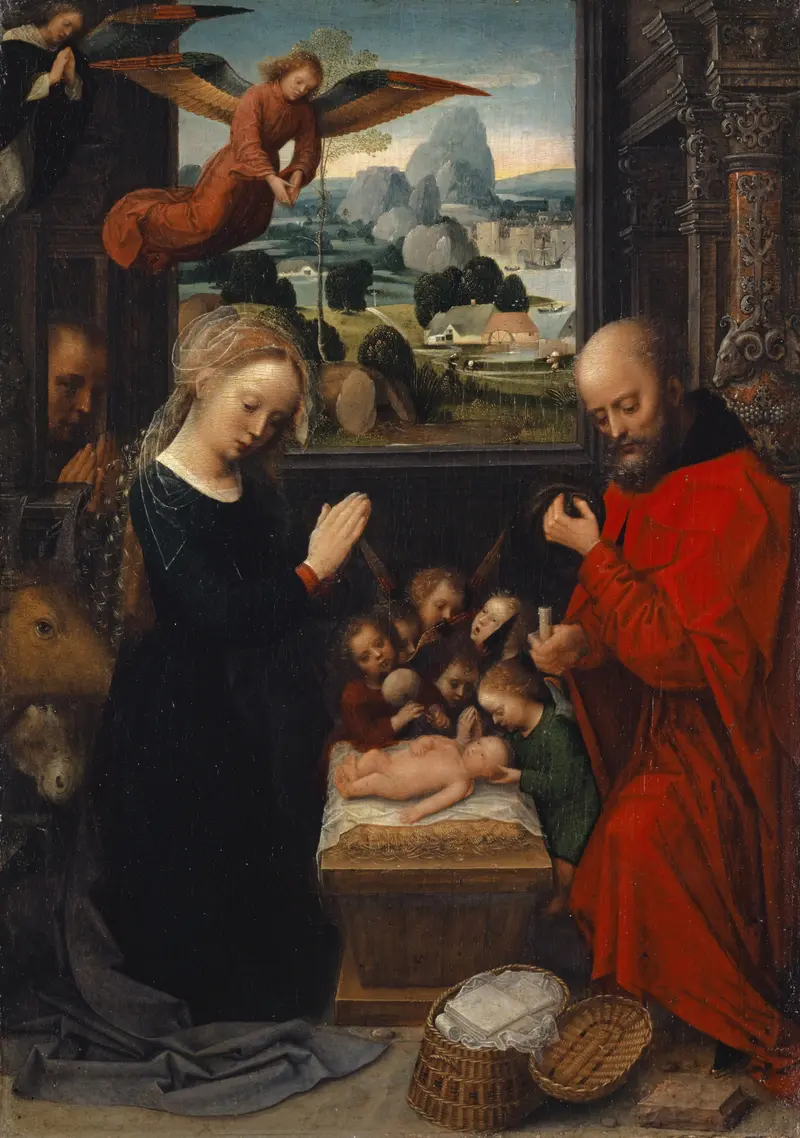
The Nativity
Adriaen Isenbrant
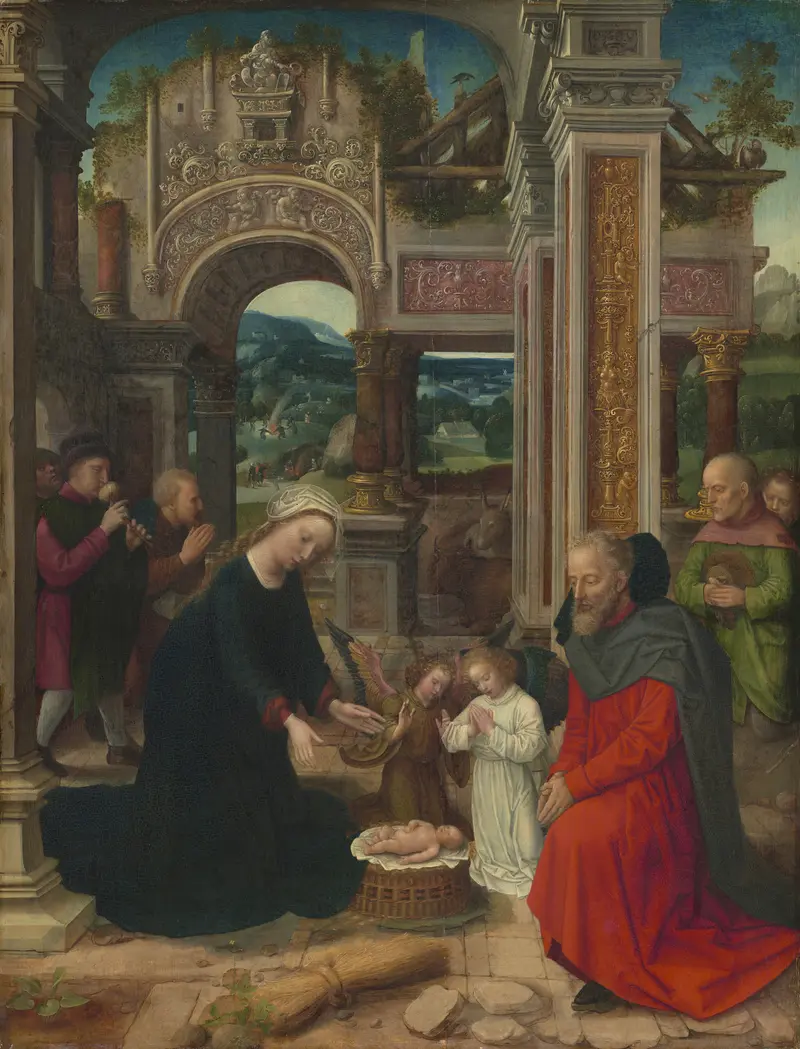
The Adoration of the Shepherds
Adriaen Isenbrant
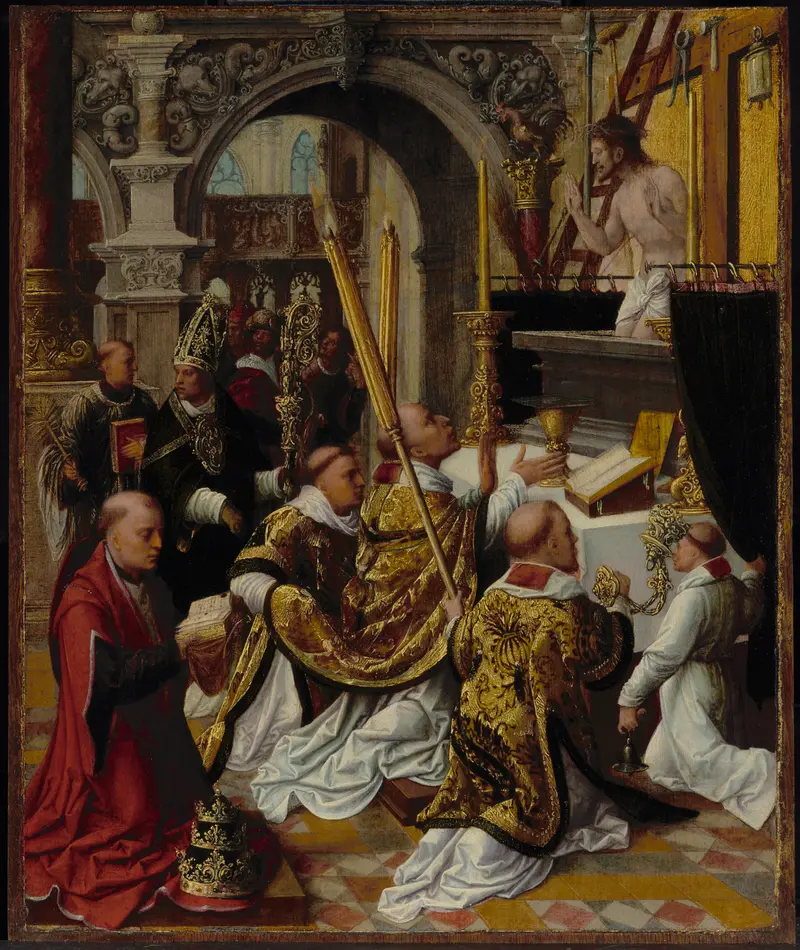
The Mass of Saint Gregory the Great
Adriaen Isenbrant
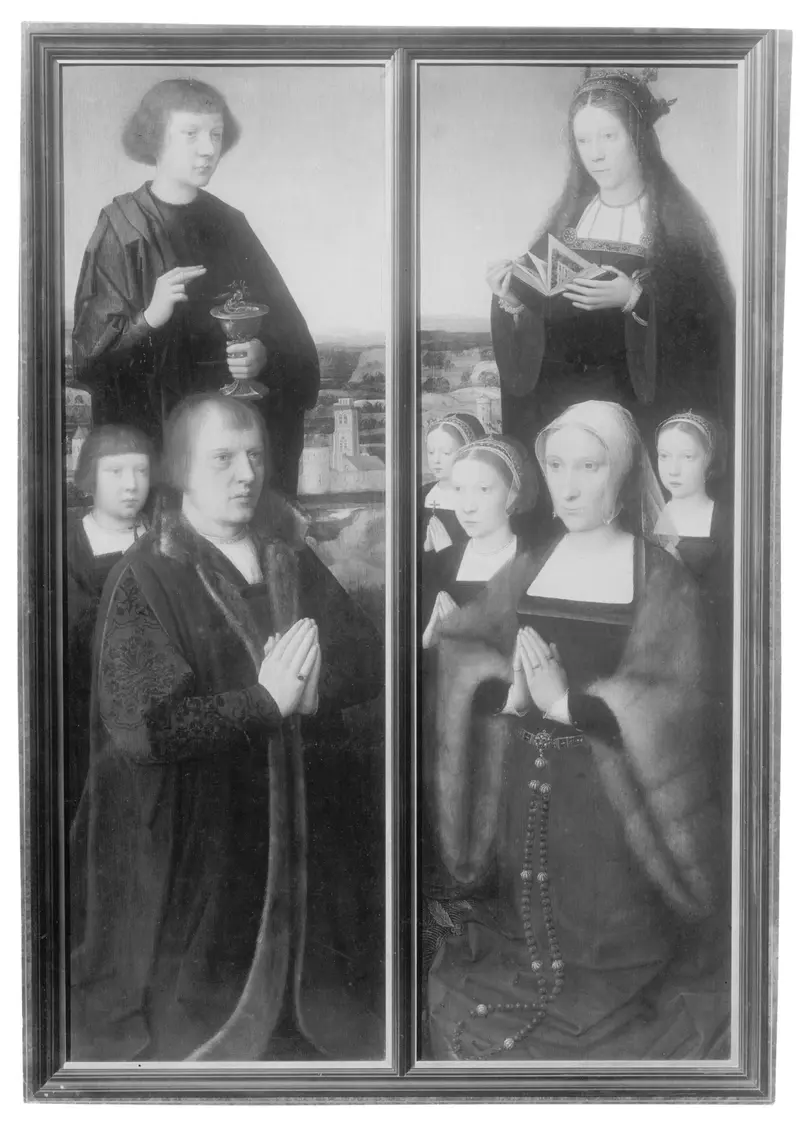
Wings of a polyptych with donors -Man with son and Saint, Woman with daughters and Saint (burned)
Adriaen Isenbrant
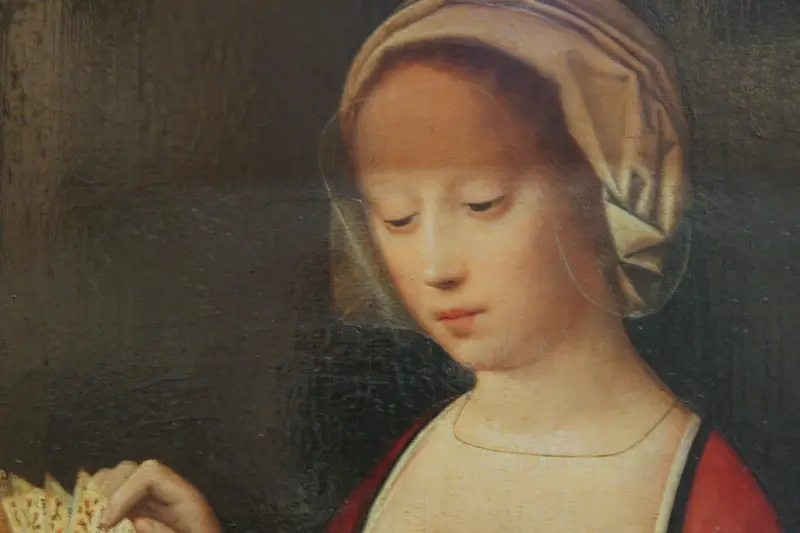
Mary Magdalene Reading
Adriaen Isenbrant
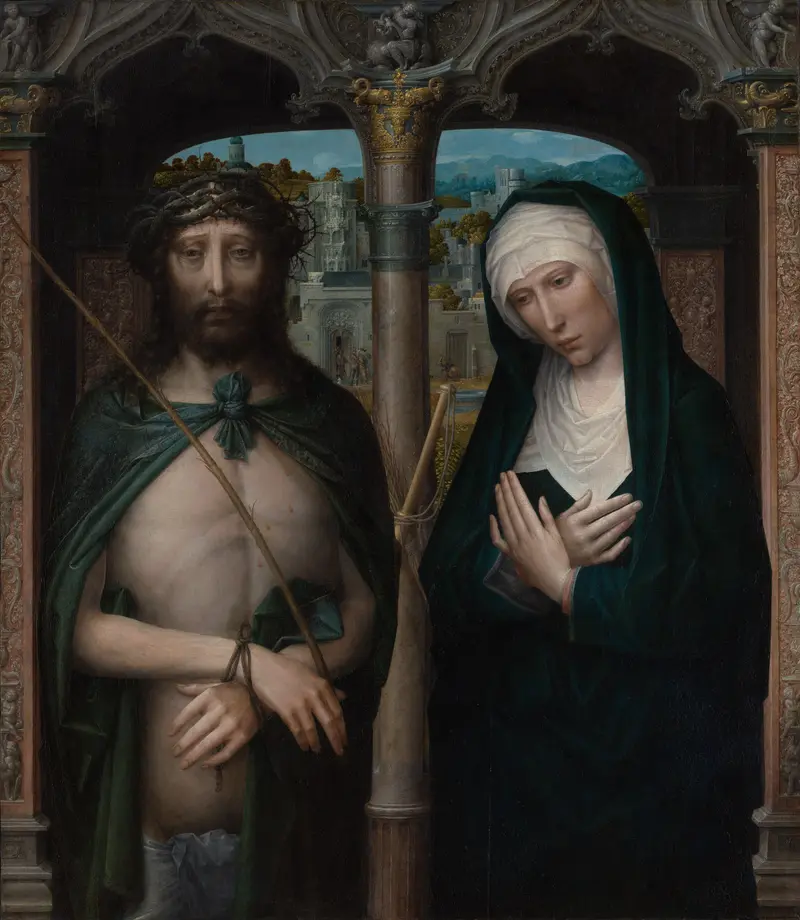
Christ Crowned with Thorns (Ecce Homo), and the Mourning Virgin
Adriaen Isenbrant
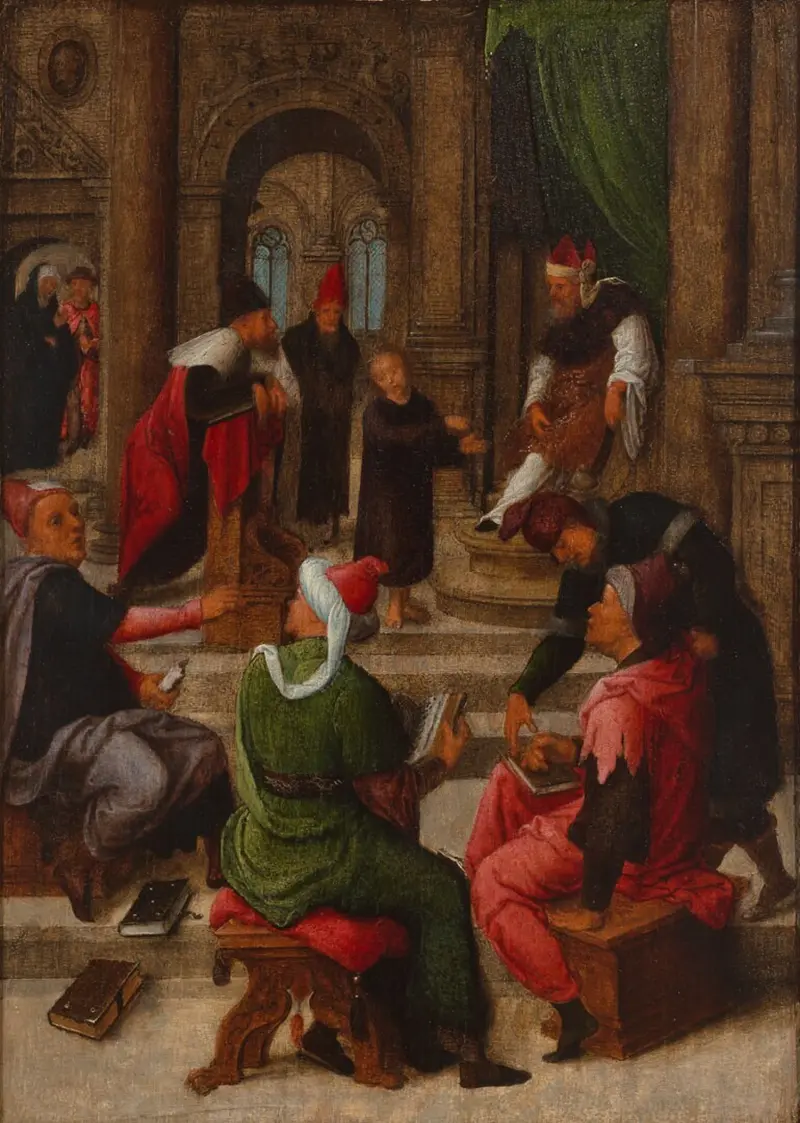
The 12-Year-Old Jesus in the Temple
Adriaen Isenbrant
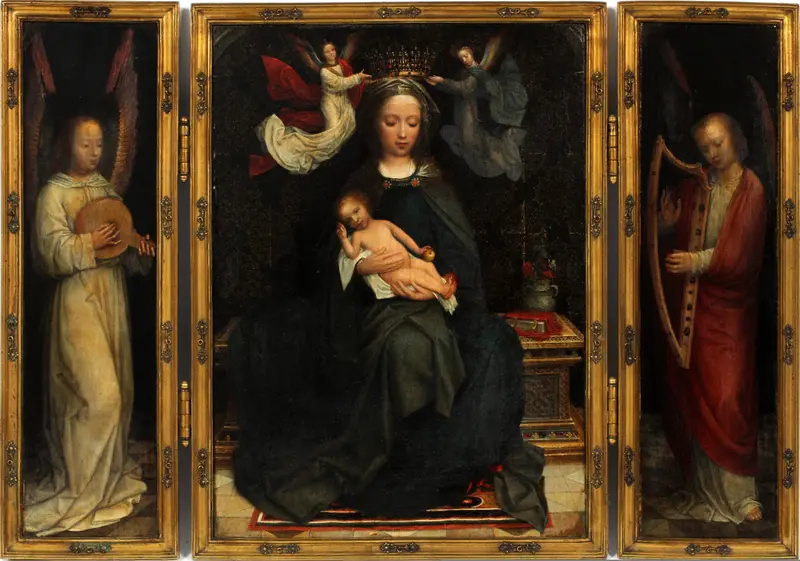
Triptych Madonna Enthroned with music-making angels
Adriaen Isenbrant





