
The Adoration of the Shepherds — History & Facts
The first thing to catch the eye in Adriaen Isenbrant’s The Adoration of the Shepherds is the intricate architecture that frames the holy scene—an almost theatrical proscenium, battered and overgrown, yet lavish with gilded detail. Light pours through the ruined arches, guiding the viewer’s gaze to the central figures: the infant Christ, Mary, and Joseph, surrounded by angels and shepherds. The artist uses the ruin not just as a backdrop but as a symbol—old orders giving way to new, the ancient world crumbling as a new hope is revealed.
The angels, delicate and luminous, kneel in adoration, their gestures mirrored by the humble shepherds who crowd the margins, hands clasped in awe. Even the ox and donkey, half-hidden in shadow, seem drawn into the quiet gravity of the moment. Works like this, painted in the first half of the sixteenth century, were often commissioned for private devotion or as altarpieces, intended to draw the viewer into the mystery of the Nativity through vivid detail and familiar faces. In the Low Countries, artists like Isenbrant responded to both the demands of a growing urban elite and the shifting winds of religious reform, weaving together Northern precision and Italianate grandeur.
This painting, created sometime between 1500 and 1551, now resides in the collection of the National Gallery of Art in Washington, D.C., a testament to the enduring appeal of these intimate, jewel-toned visions. History has kept few traces of the journey that brought this particular panel from a sixteenth-century workshop to a modern museum, but the story it tells remains as immediate as ever—inviting us to linger over each gesture, each shaft of light, each face turned toward the miracle at its heart.
More Artworks by Adriaen Isenbrant
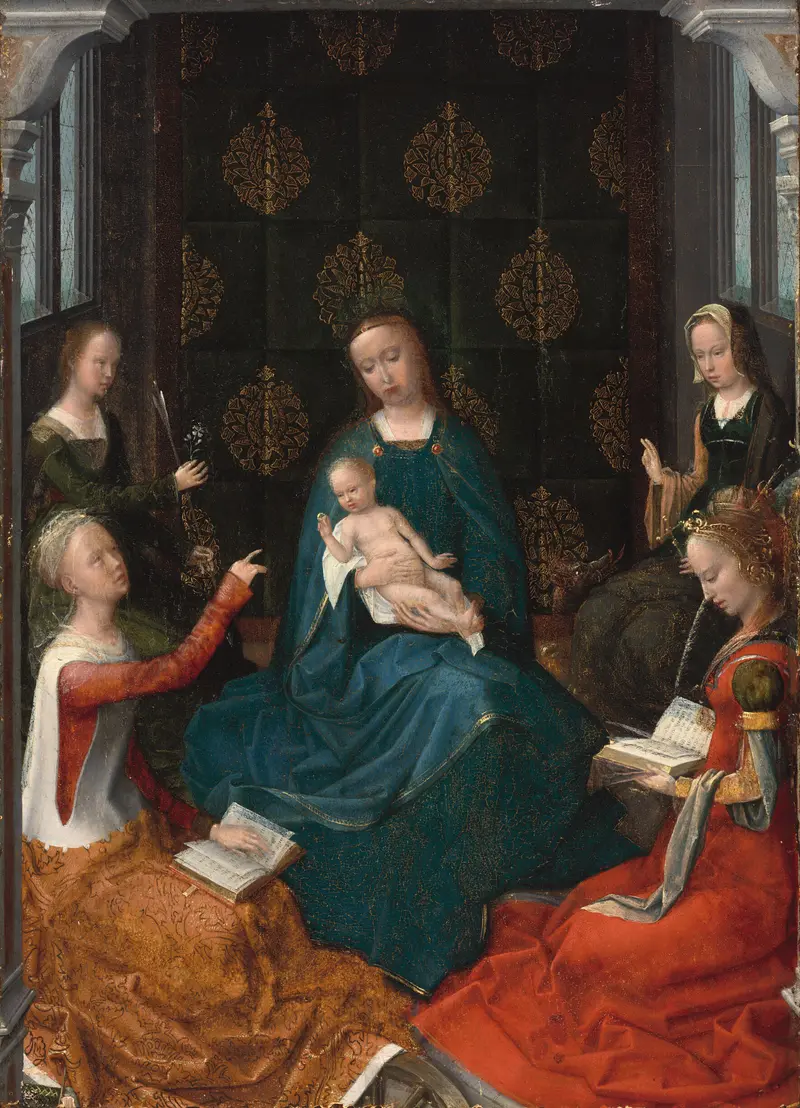
The Mystic Marriage of Saint Catherine of Alexandria with Three Female Saints: Ursula, Margaret of Antioch, and an Unidentified Martyr
Adriaen Isenbrant
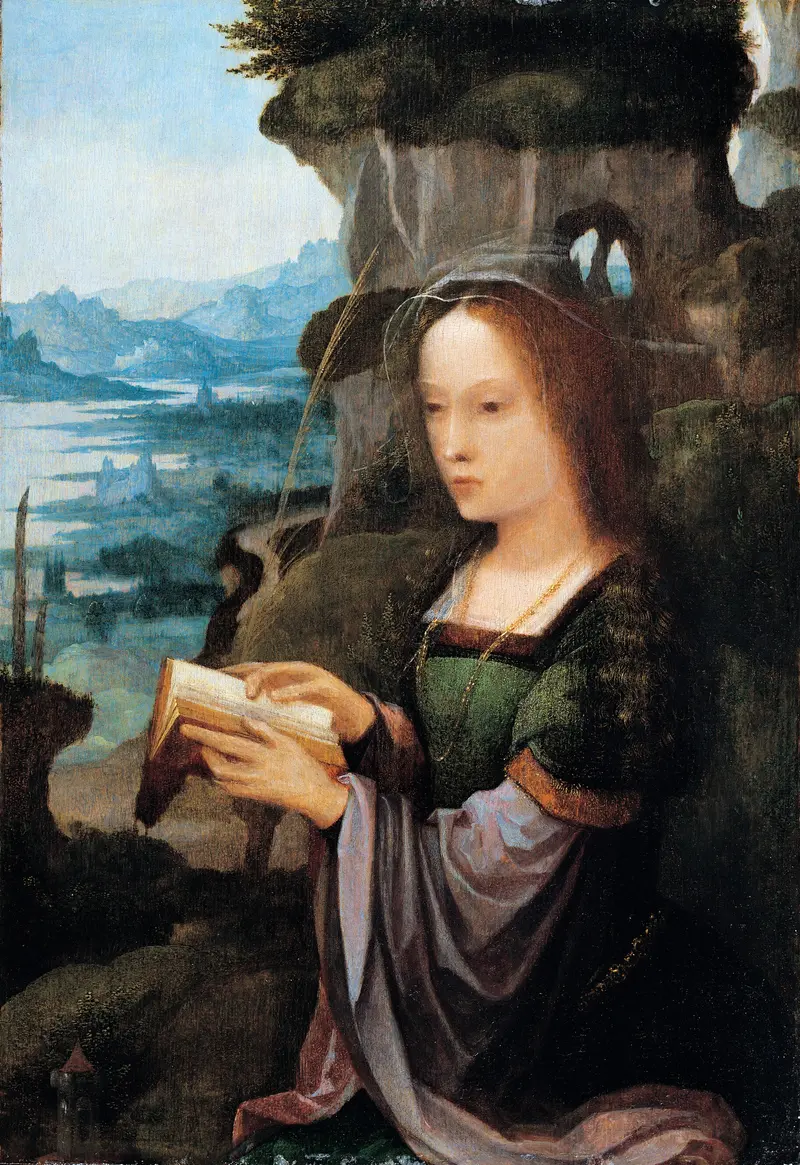
Saint Barbara
Adriaen Isenbrant
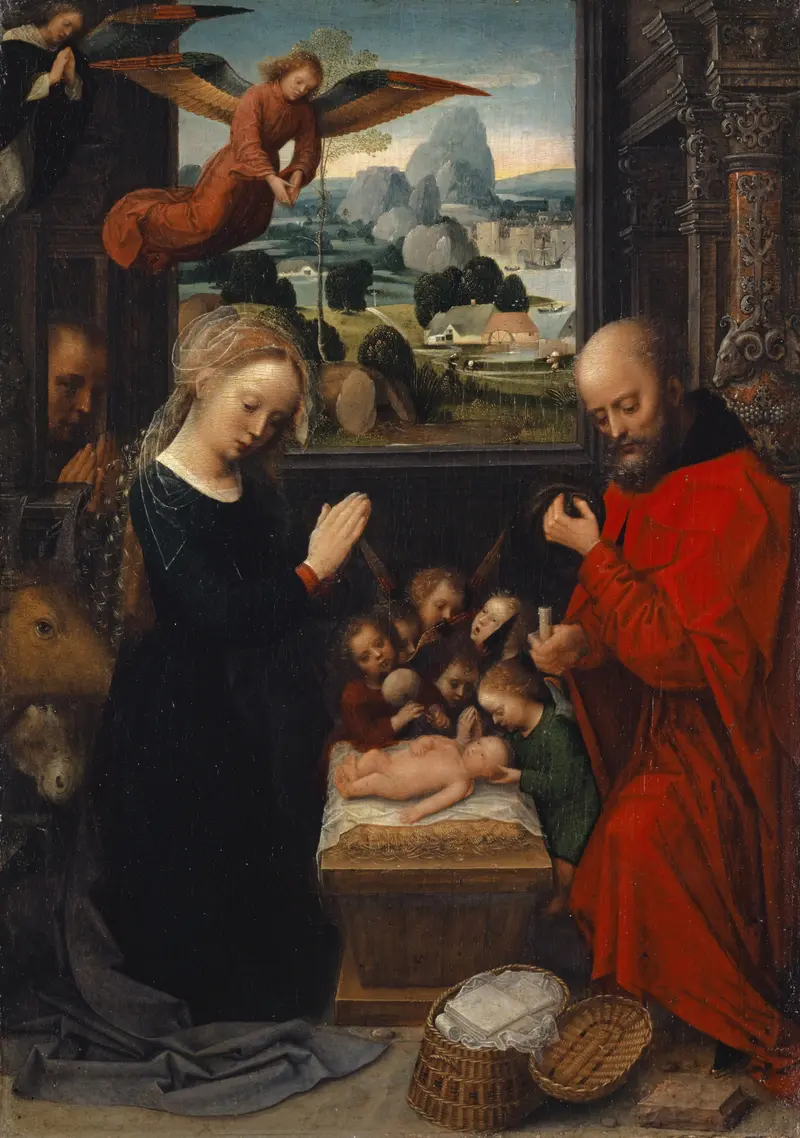
The Nativity
Adriaen Isenbrant
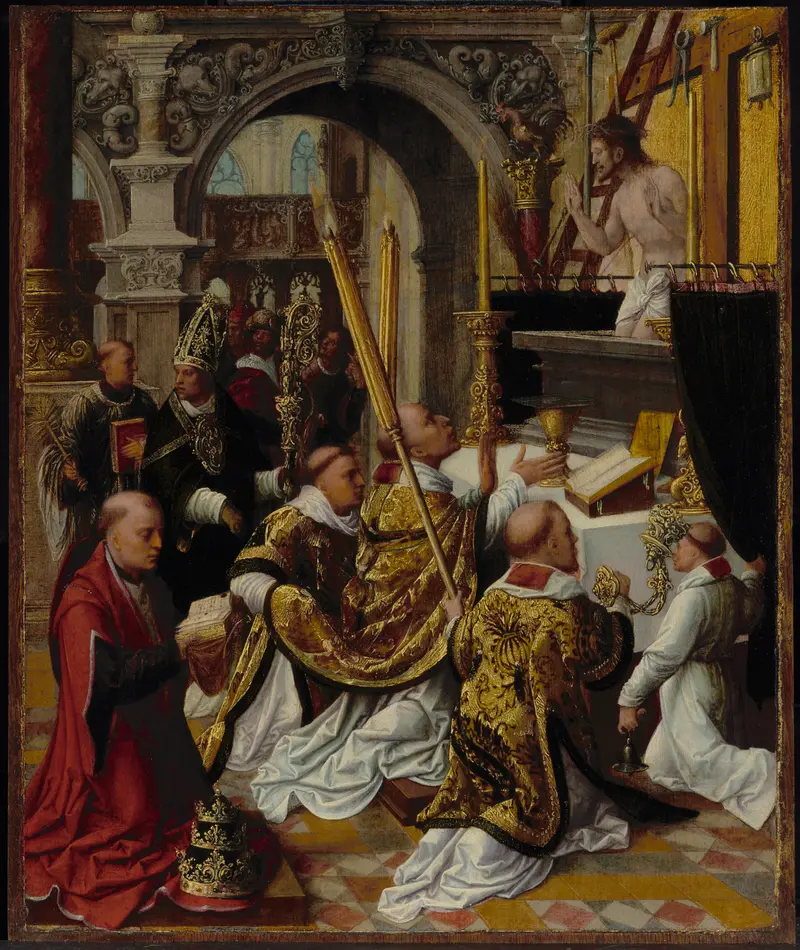
The Mass of Saint Gregory the Great
Adriaen Isenbrant
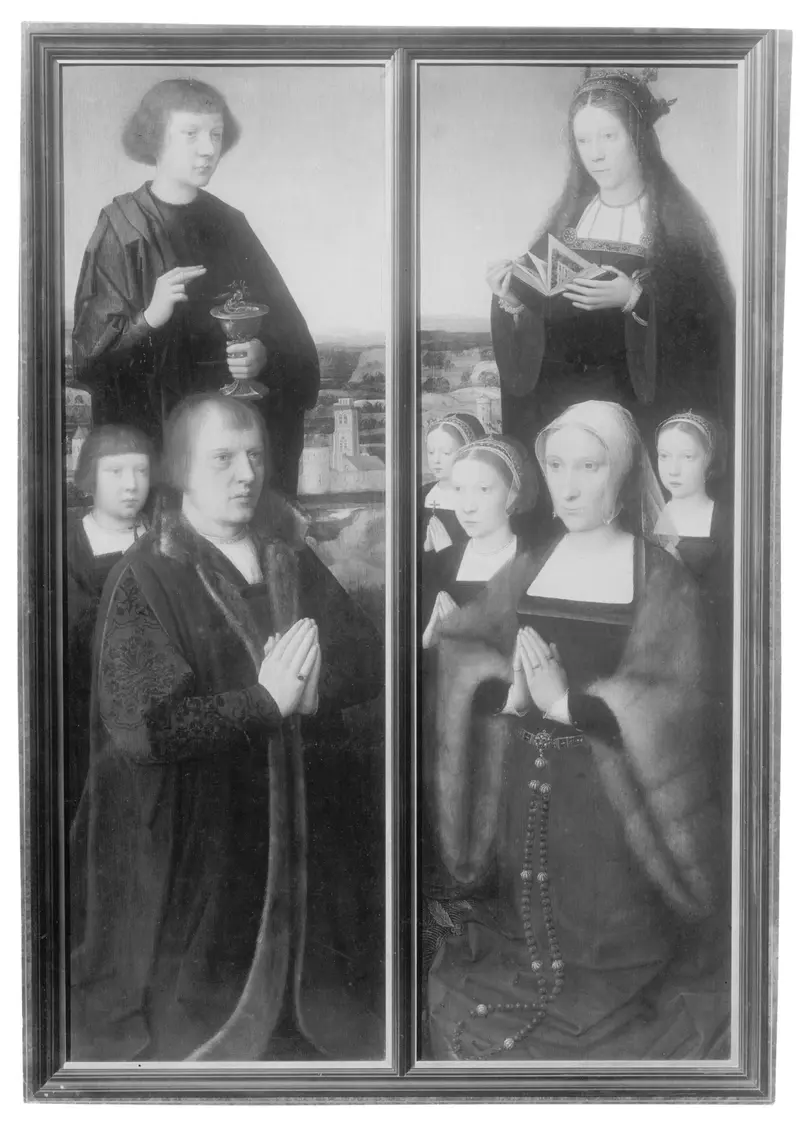
Wings of a polyptych with donors -Man with son and Saint, Woman with daughters and Saint (burned)
Adriaen Isenbrant
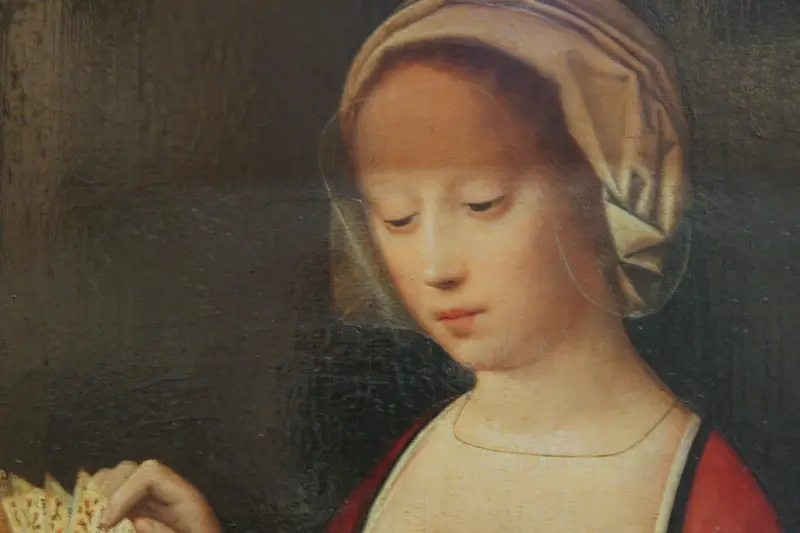
Mary Magdalene Reading
Adriaen Isenbrant
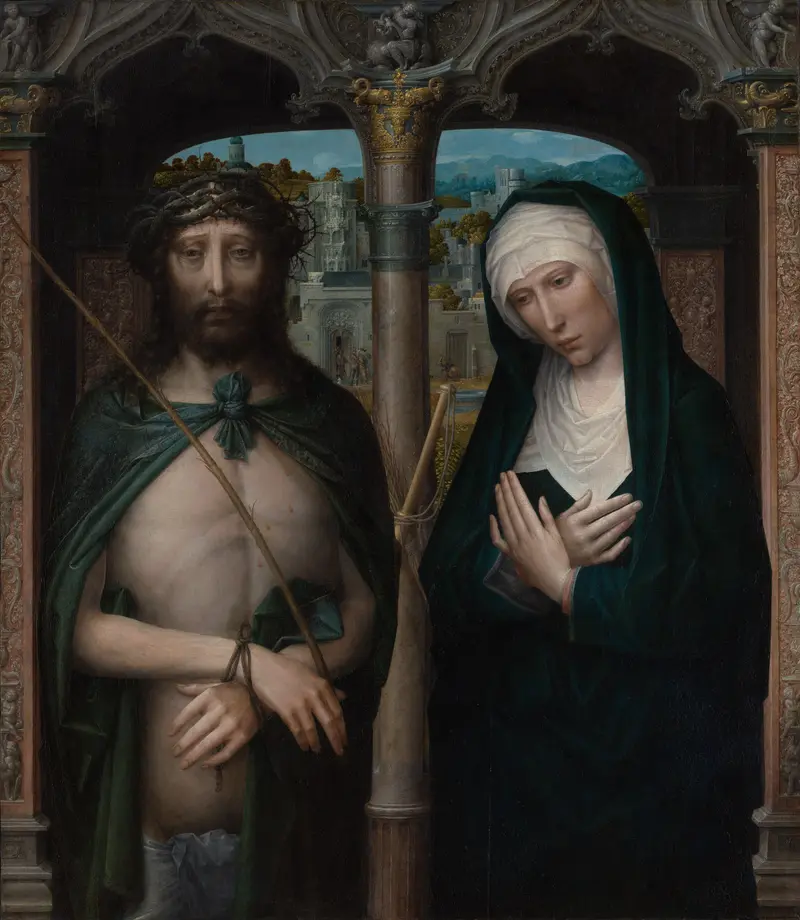
Christ Crowned with Thorns (Ecce Homo), and the Mourning Virgin
Adriaen Isenbrant
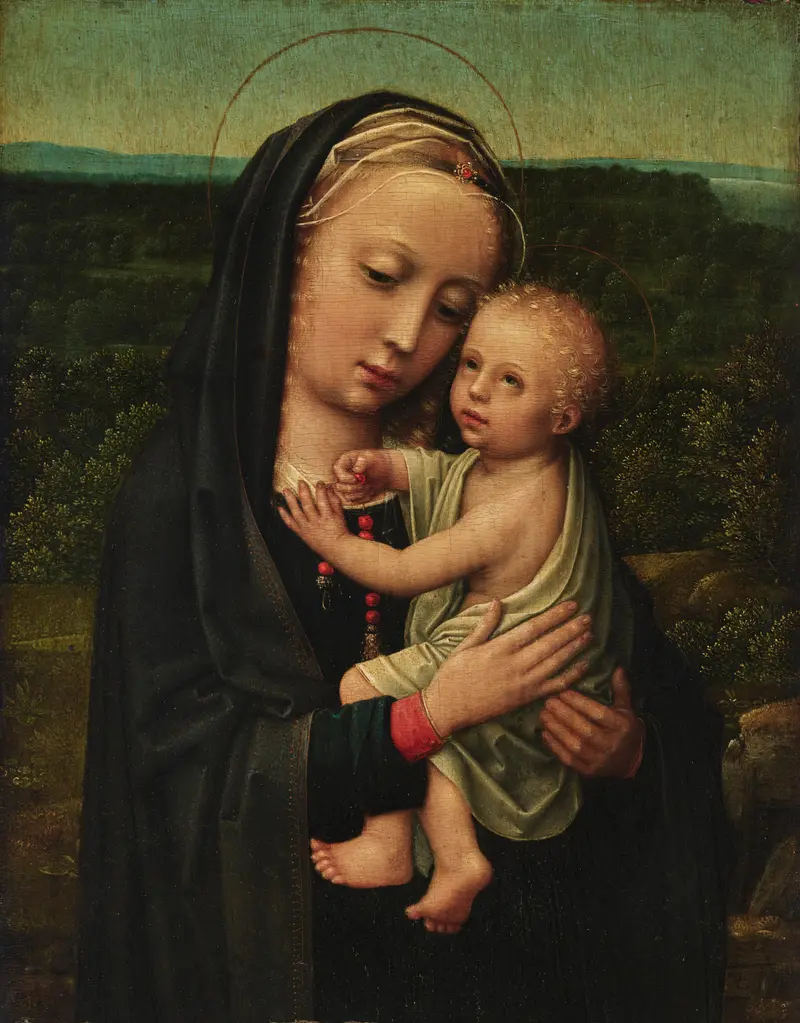
Madonna and Child
Adriaen Isenbrant
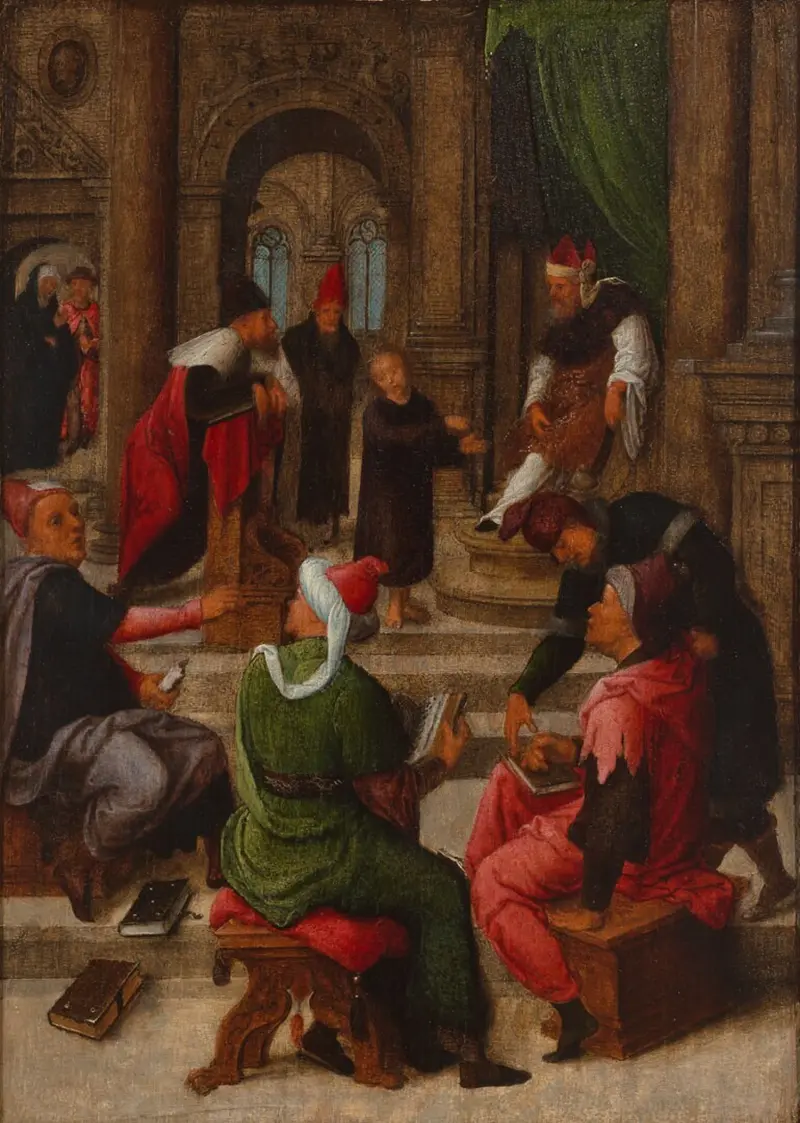
The 12-Year-Old Jesus in the Temple
Adriaen Isenbrant
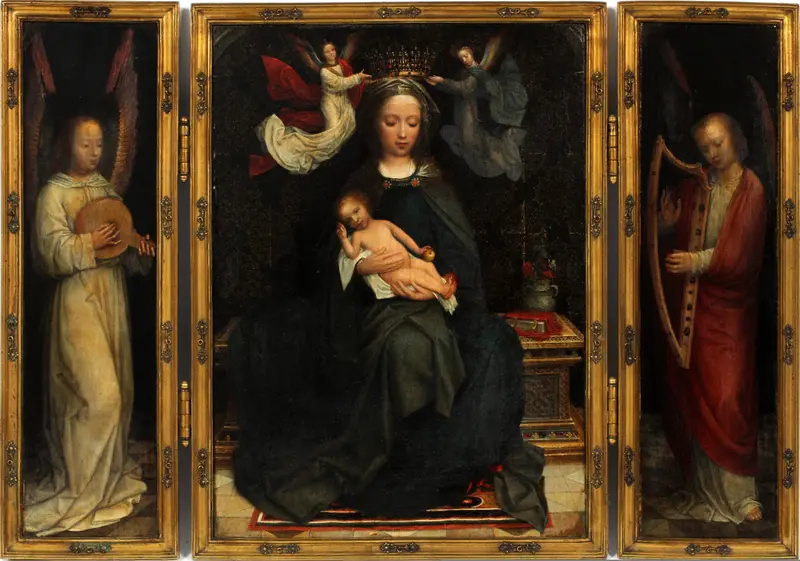
Triptych Madonna Enthroned with music-making angels
Adriaen Isenbrant





