
Femme assise sur un tronc d’arbre — History & Facts
What if beauty was never meant to be finished? This question reverberates through the essence of Femme assise sur un tronc d’arbre, inviting viewers to contemplate the fleeting and ephemeral nature of art and existence itself. Look to the center of the canvas, where a solitary woman sits gracefully upon a weathered tree trunk. Her posture is relaxed yet poised, embodying a serene confidence amidst the vibrant surrounding nature. The artist employs a rich palette of greens and browns, imbuing the scene with a sense of life and vigor.
Notice how sunlight filters through the leaves above, casting dappled patterns across her delicate figure, creating an interplay of light and shadow that enhances the emotional resonance of the moment. This work speaks to the tension between the natural world and human experience. The woman's quiet presence among the wild foliage suggests a harmony that contrasts with the chaotic energy of the surrounding environment. Yet, there’s a hint of melancholy in her gaze, as if she is aware of the transience of beauty and life itself.
The juxtaposition of her stillness against the lively backdrop reflects the artist’s contemplation on the nature of existence—a celebration of a fleeting moment that resonates deeply within the viewer's heart. In the early 1860s, Narcisse-Virgile Diaz de La Peña painted this work during a time of significant artistic evolution in France. As the Impressionist movement began to emerge, he sought to capture landscapes and figures with a unique sensitivity to light and nature. This painting reflects both his personal artistic journey and the broader revolution in art, bridging Romantic ideals with the burgeoning exploration of modernity.
More Artworks by Narcisse-Virgile Diaz de La Peña
Browse all →
Forest Scene
Narcisse-Virgile Diaz de La Peña
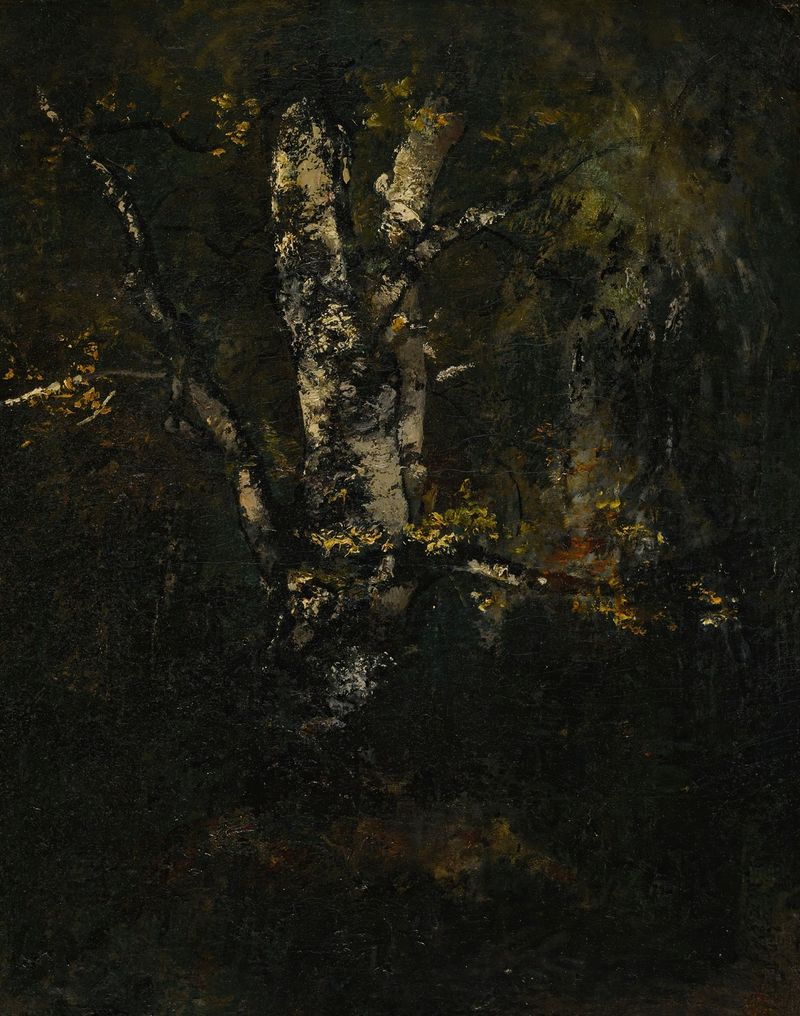
Vieux Troncs De Hêtres
Narcisse-Virgile Diaz de La Peña
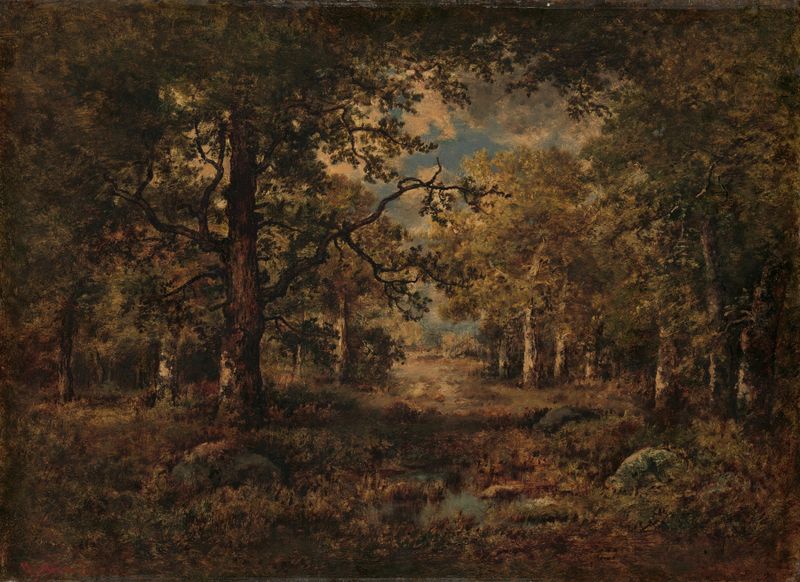
A Vista through Trees; Fontainebleau
Narcisse-Virgile Diaz de La Peña
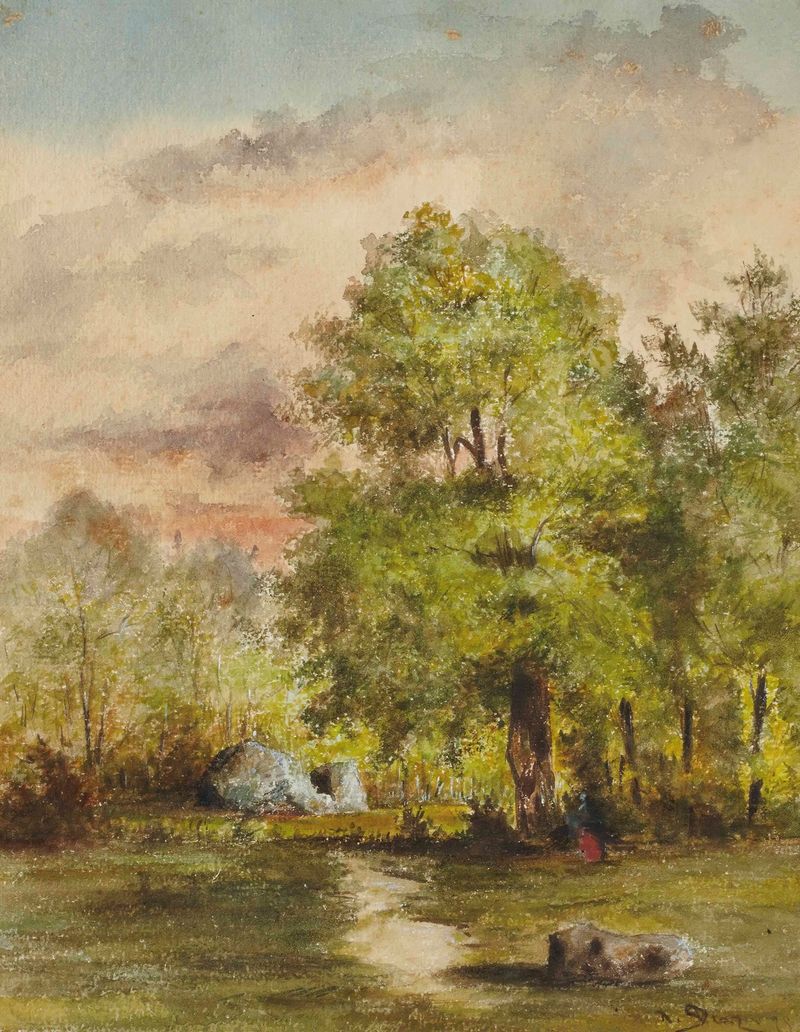
Vue d’une clairière
Narcisse-Virgile Diaz de La Peña

Pond in the Woods
Narcisse-Virgile Diaz de La Peña
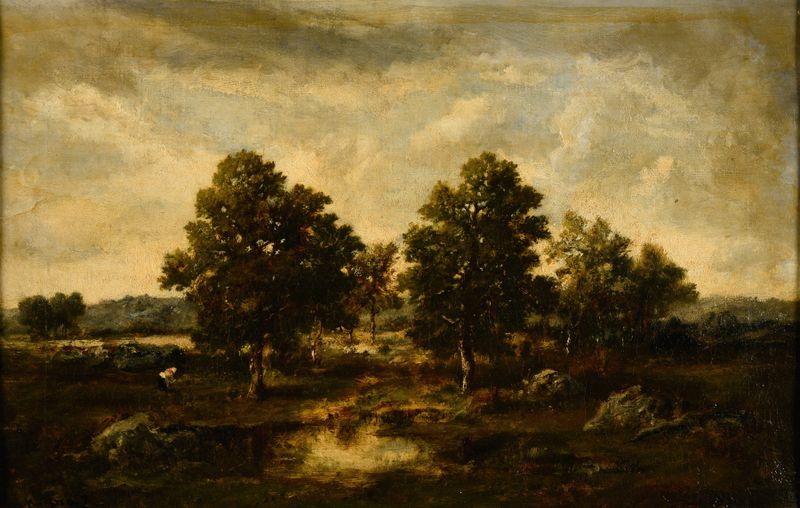
Mare dans une lande
Narcisse-Virgile Diaz de La Peña
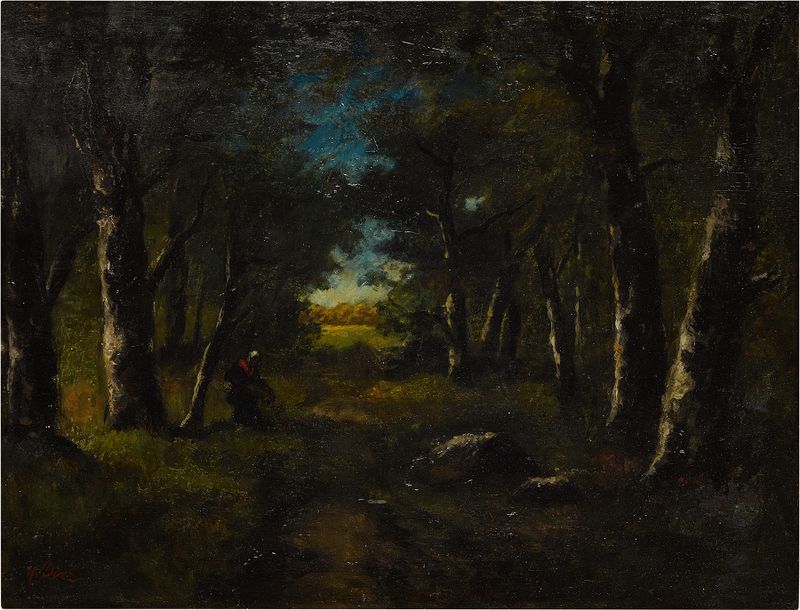
Foraging in the Forest
Narcisse-Virgile Diaz de La Peña
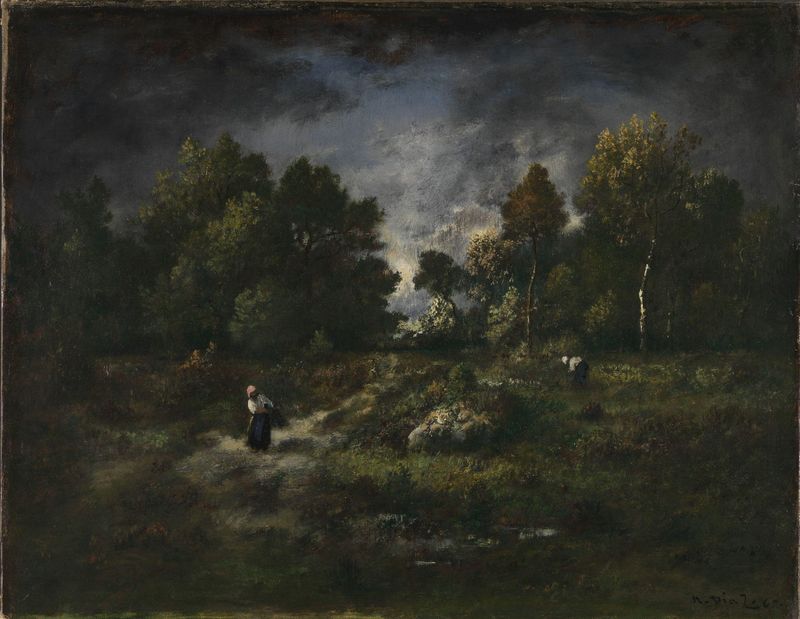
Faggot Gatherers in a Wooden Landscape
Narcisse-Virgile Diaz de La Peña
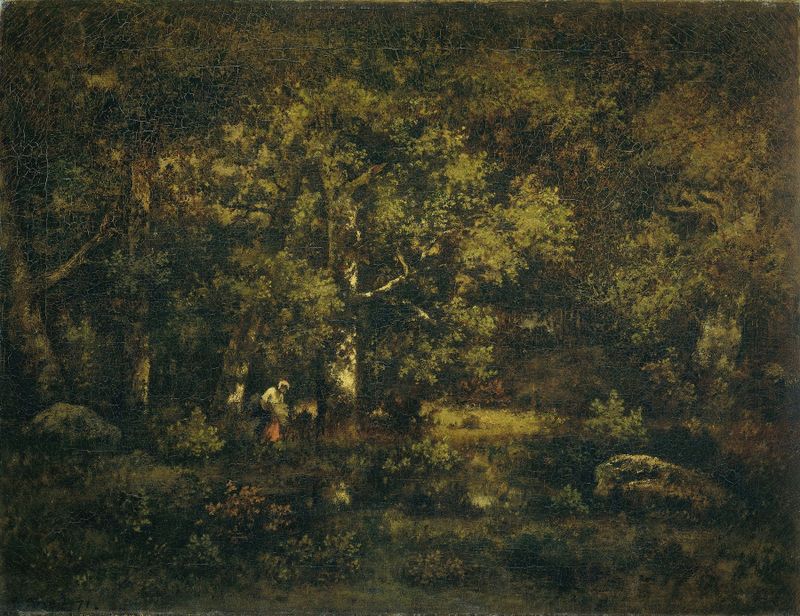
The Forest of Fontainebleau
Narcisse-Virgile Diaz de La Peña

Sous-bois
Narcisse-Virgile Diaz de La Peña





