
Femme cousant — History & Facts
Femme cousant depicts a woman engaged in sewing, surrounded by a tranquil interior. The colors are soft and warm, with a palette dominated by earth tones and muted pastels. The figure is portrayed in a moment of concentration, highlighting the intimacy of the scene.
Light filters through the window, casting gentle shadows that enhance the serene atmosphere. The painting is executed in oil on canvas, showcasing Luce's characteristic brushwork that blends realism with impressionistic elements. The details of the woman's clothing and the sewing materials are rendered with care, inviting viewers to appreciate the craftsmanship involved. The composition is balanced, drawing the eye to the central figure while allowing the background to complement the main subject.
This work exemplifies the Post-Impressionist style, focusing on everyday life. Maximilien Luce was associated with the Post-Impressionist movement and often depicted scenes of everyday life. Femme cousant reflects his interest in the working class and domestic environments. An interesting fact about this painting is that it captures not just a moment in time but also the essence of women's labor during the early 20th century.
Luce's works often convey a sense of social commentary, making this piece significant in understanding the era's cultural context.
More Artworks by Maximilien Luce

Le Quai Montebello Et La Colline Sainte-Geneviève
Maximilien Luce
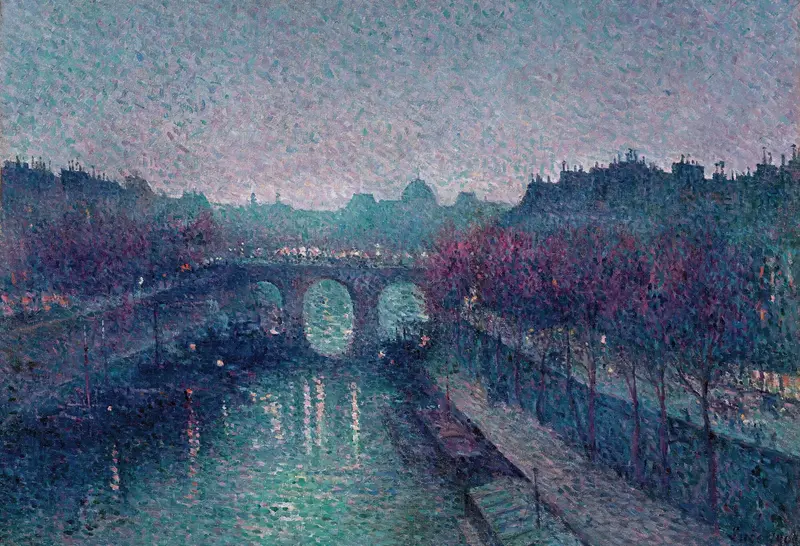
Le Pont-Neuf, La Seine, Petit Bras
Maximilien Luce
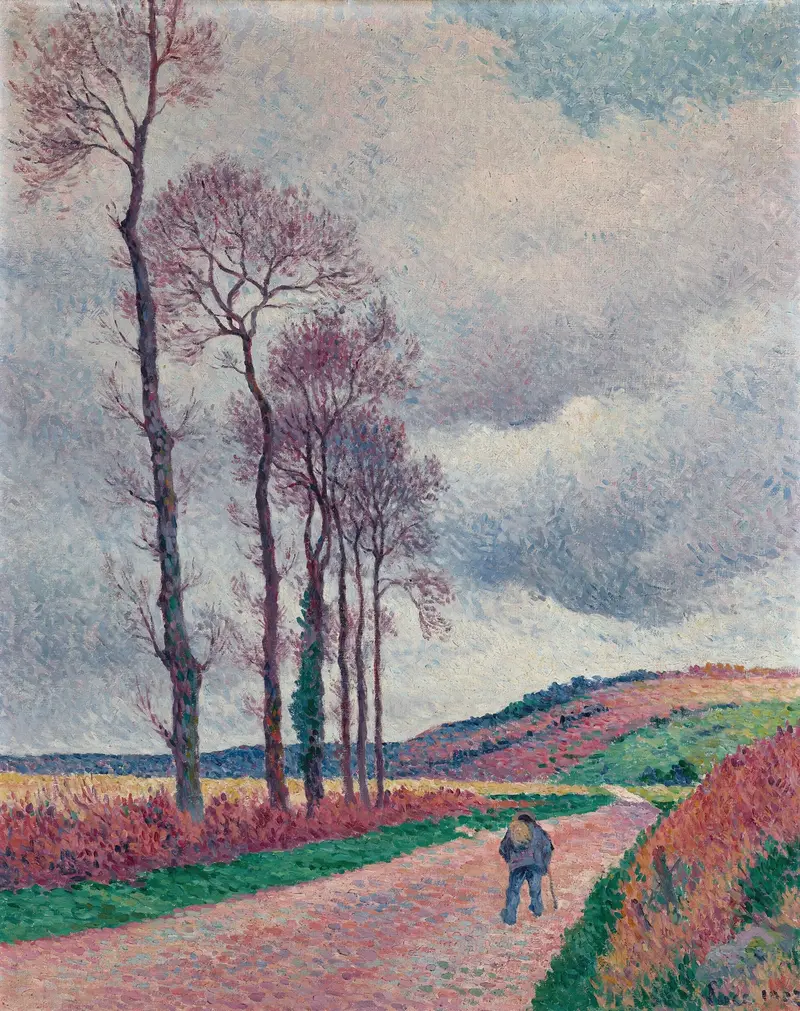
La route aux environs de Méréville
Maximilien Luce
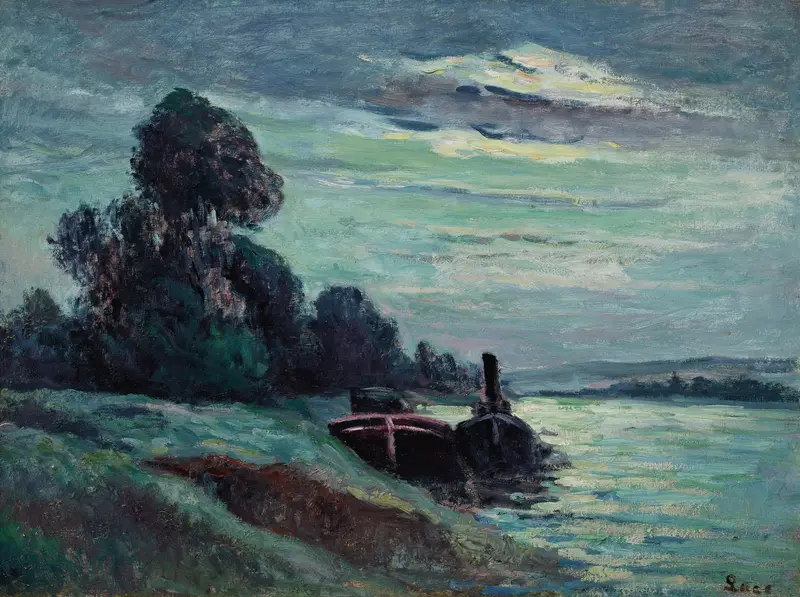
Péniches sur la Seine
Maximilien Luce
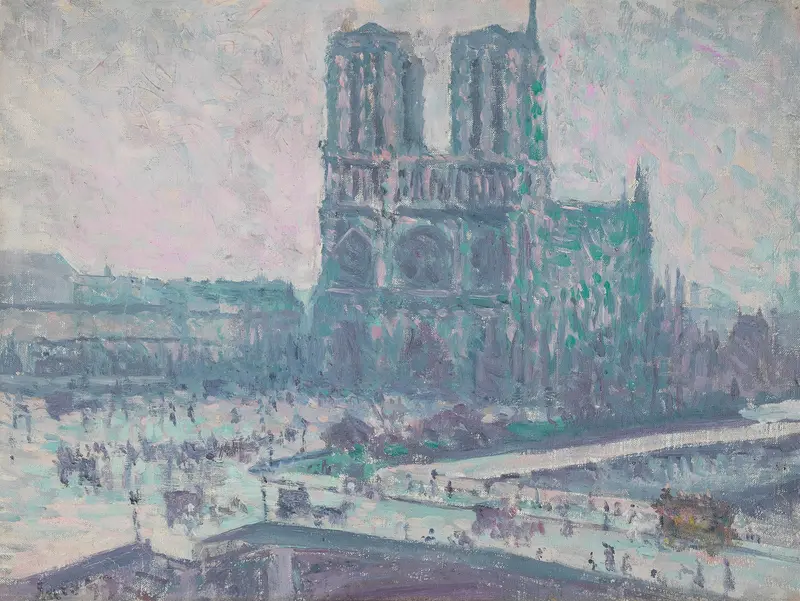
Notre Dame de Paris
Maximilien Luce
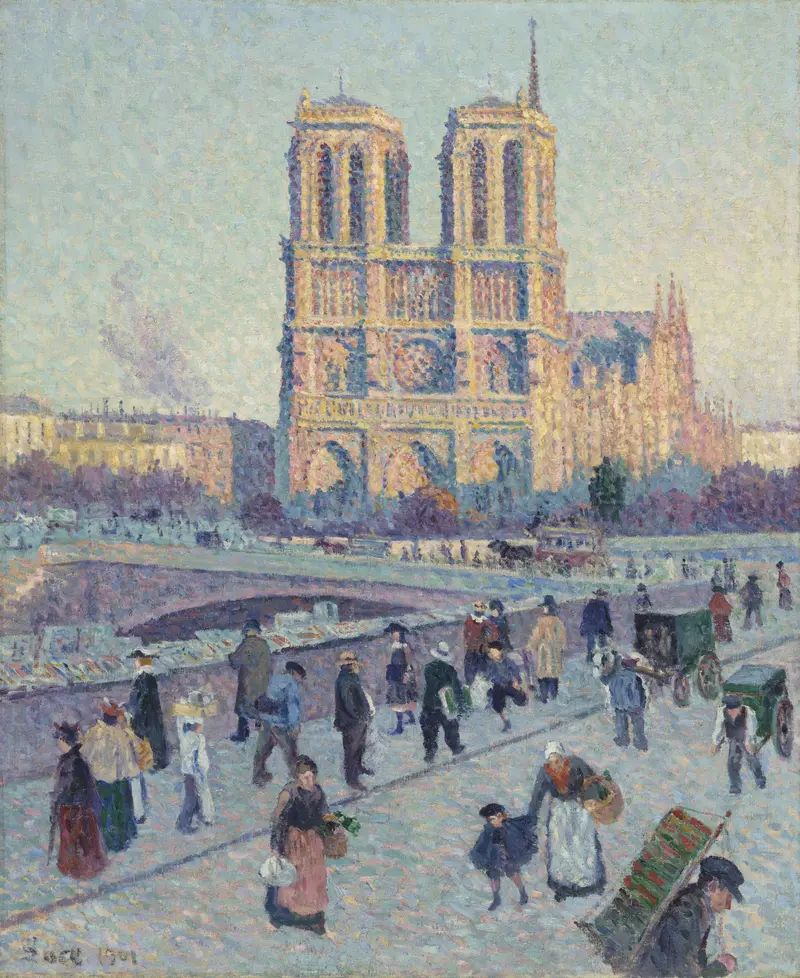
The Quai Saint-Michel and Notre-Dame
Maximilien Luce
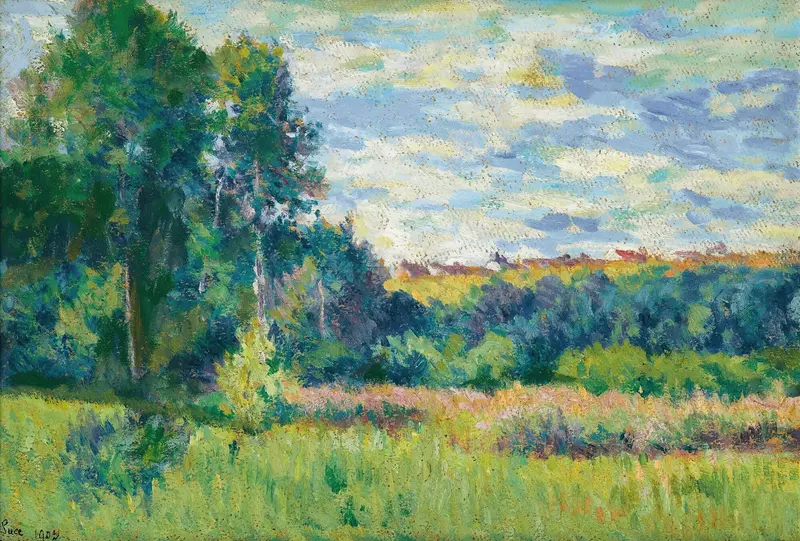
Paysage
Maximilien Luce
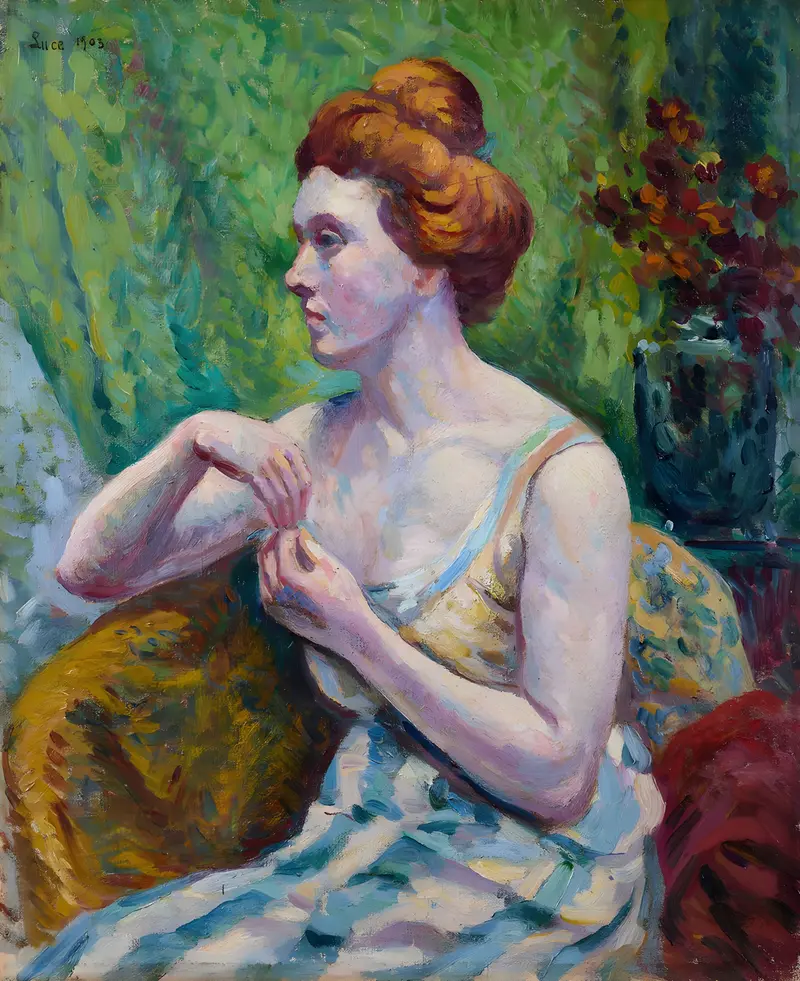
Portrait de femme
Maximilien Luce
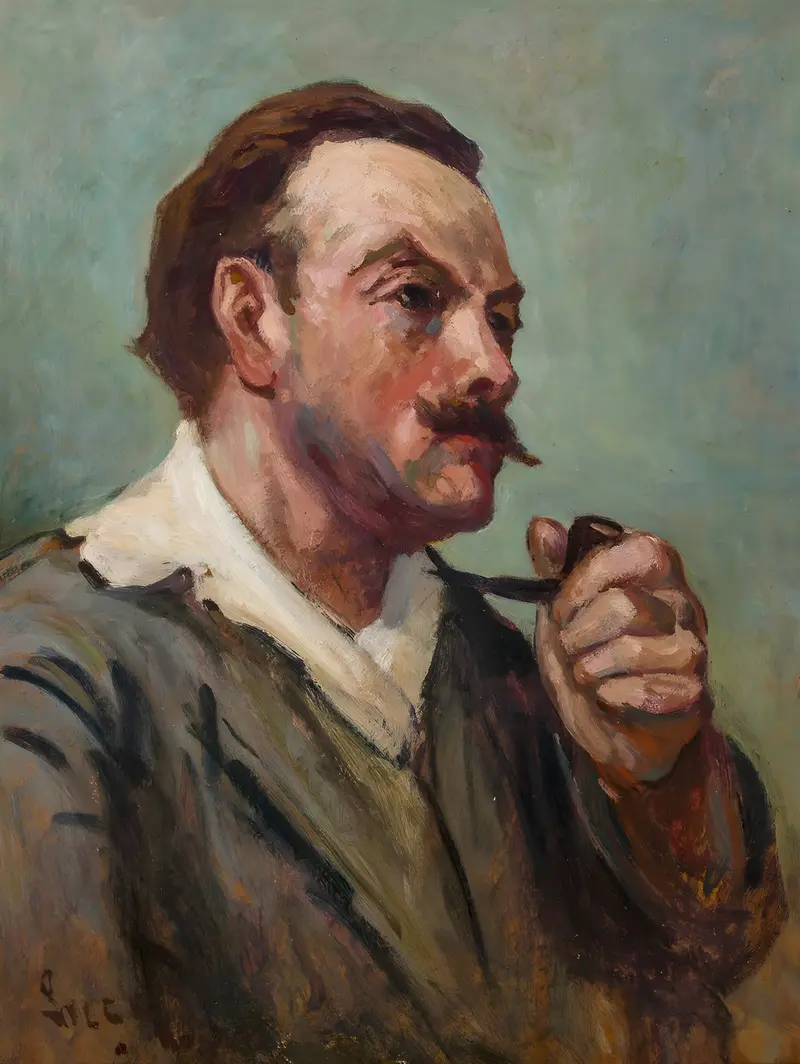
Portrait du Roger à la pipe
Maximilien Luce
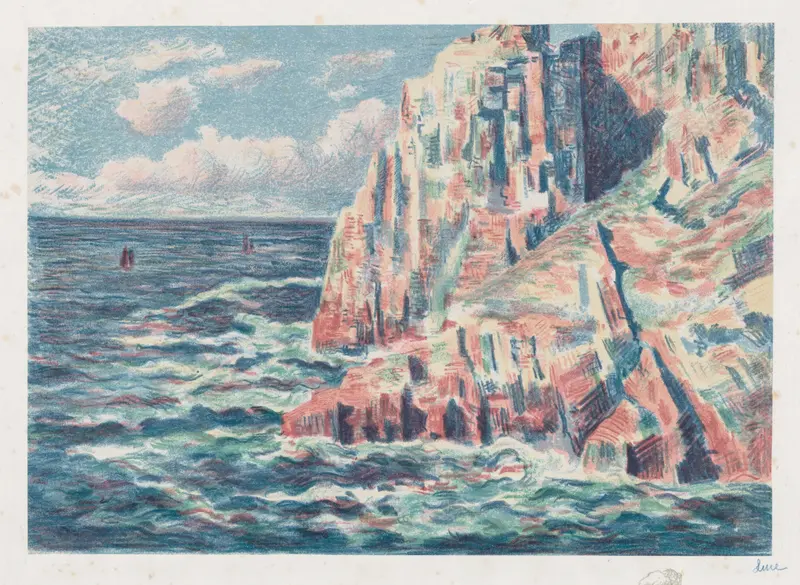
The Sea at Camaret, The Red Rocks
Maximilien Luce
More Genre Scene Art

Banquet of the Officers of the St George Civic Guard
Frans Hals

Rembrandt and Saskia in the Scene of the Prodigal Son
Rembrandt van Rijn

Bal du moulin de la Galette
Pierre-Auguste Renoir

Quadrille at the Moulin Rouge
Henri de Toulouse-Lautrec

A Burial at Ornans
Gustave Courbet

When Will You Marry?
Paul Gauguin