
Fernando Álvarez de Toledo, Third Duke of Alba — History & Facts
What first seizes the eye in this portrait is the way the sitter’s black armor gleams with a cold, almost metallic authority, while a single red sash slashes across his chest—a vivid sign of rank and command. The sitter’s gaze, steady and slightly turned, meets the viewer with a mixture of calculation and reserve, as if weighing the next move in a campaign. Every detail, from the intricate gold edging of the armor to the crisp white ruff at his neck, is rendered with a precision that speaks of both wealth and vigilance.
The baton in his hand is not just a prop but a declaration: here stands a man who commands, who is accustomed to power and the burdens it brings. Painted in 1557, this portrait by Antonis Mor belongs to a world where images like this were more than likenesses—they were instruments of reputation, crafted for the courts of Europe and the eyes of rivals. In the mid-sixteenth century, Spanish nobles and military leaders commissioned such works to assert their status and project their virtues: valor, loyalty, and control. The artist’s unflinching realism, paired with the sitter’s rigid pose, reflects the values of a society in the grip of imperial ambition and religious conflict.
Now held by the Hispanic Society, this painting is a rare survival from a time when portraits were weapons in the arsenal of power—look again at the armor, and see not just steel, but the weight of history itself.
More Artworks by Antonis Mor

Portrait of a Man
Antonis Mor
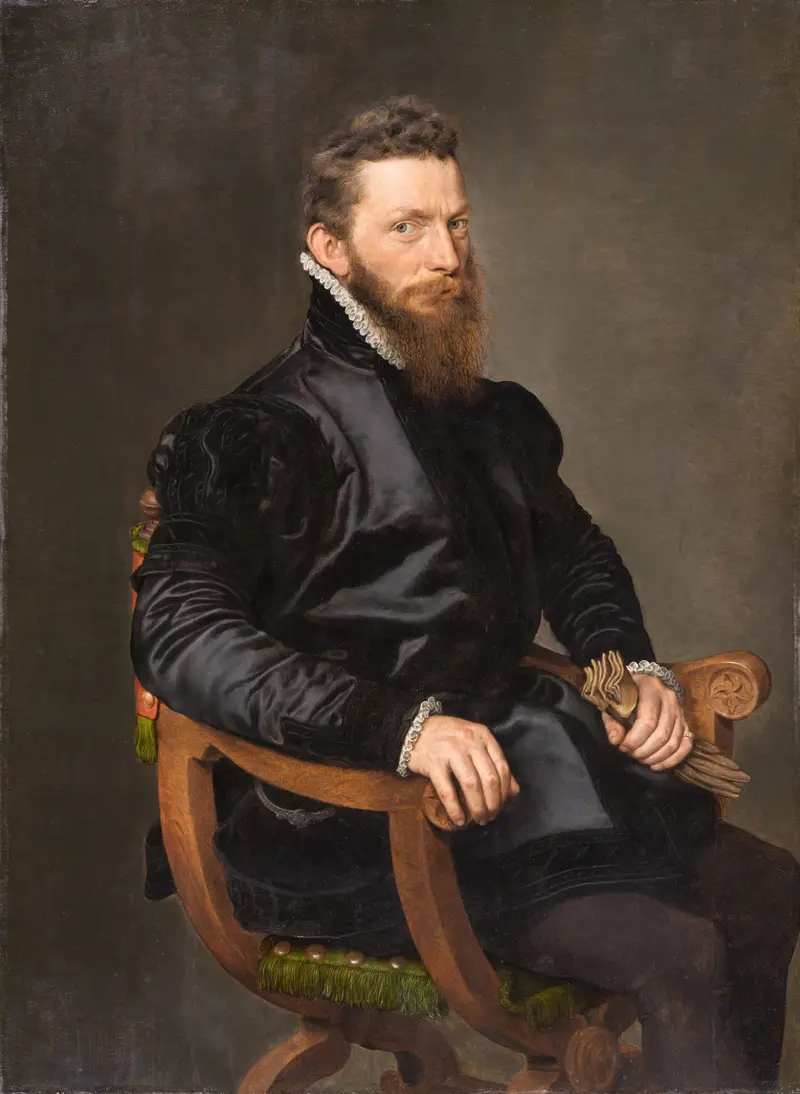
Portrait of a Gentleman
Antonis Mor
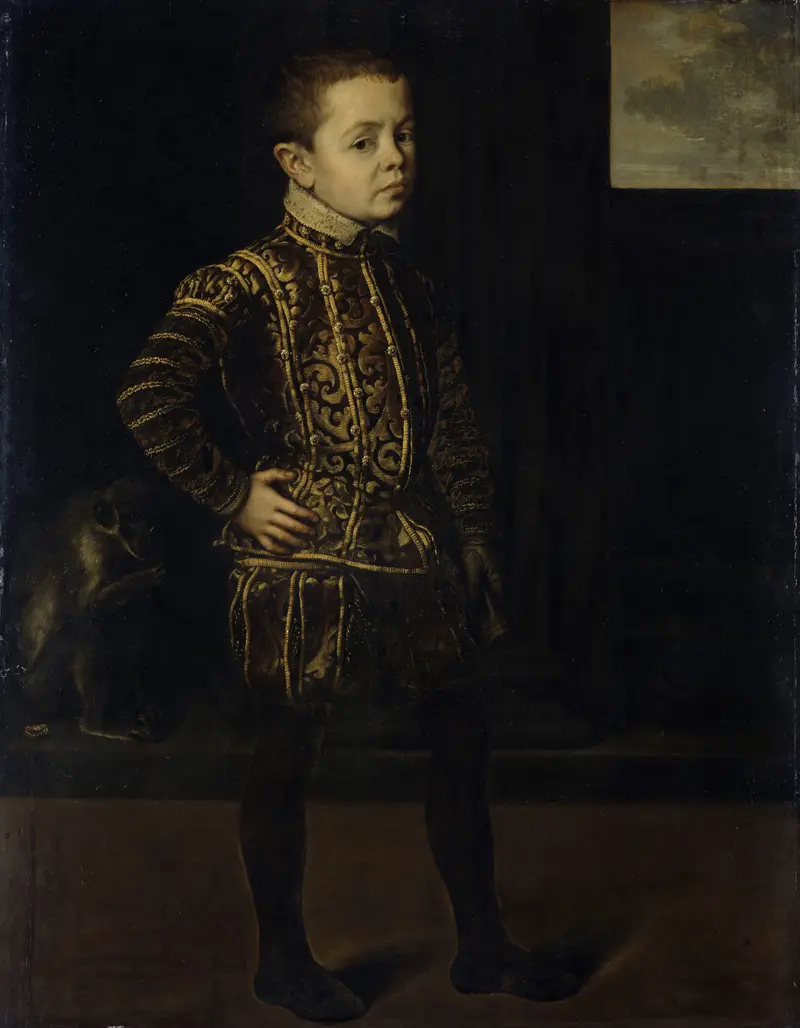
Portrait of a young prince
Antonis Mor
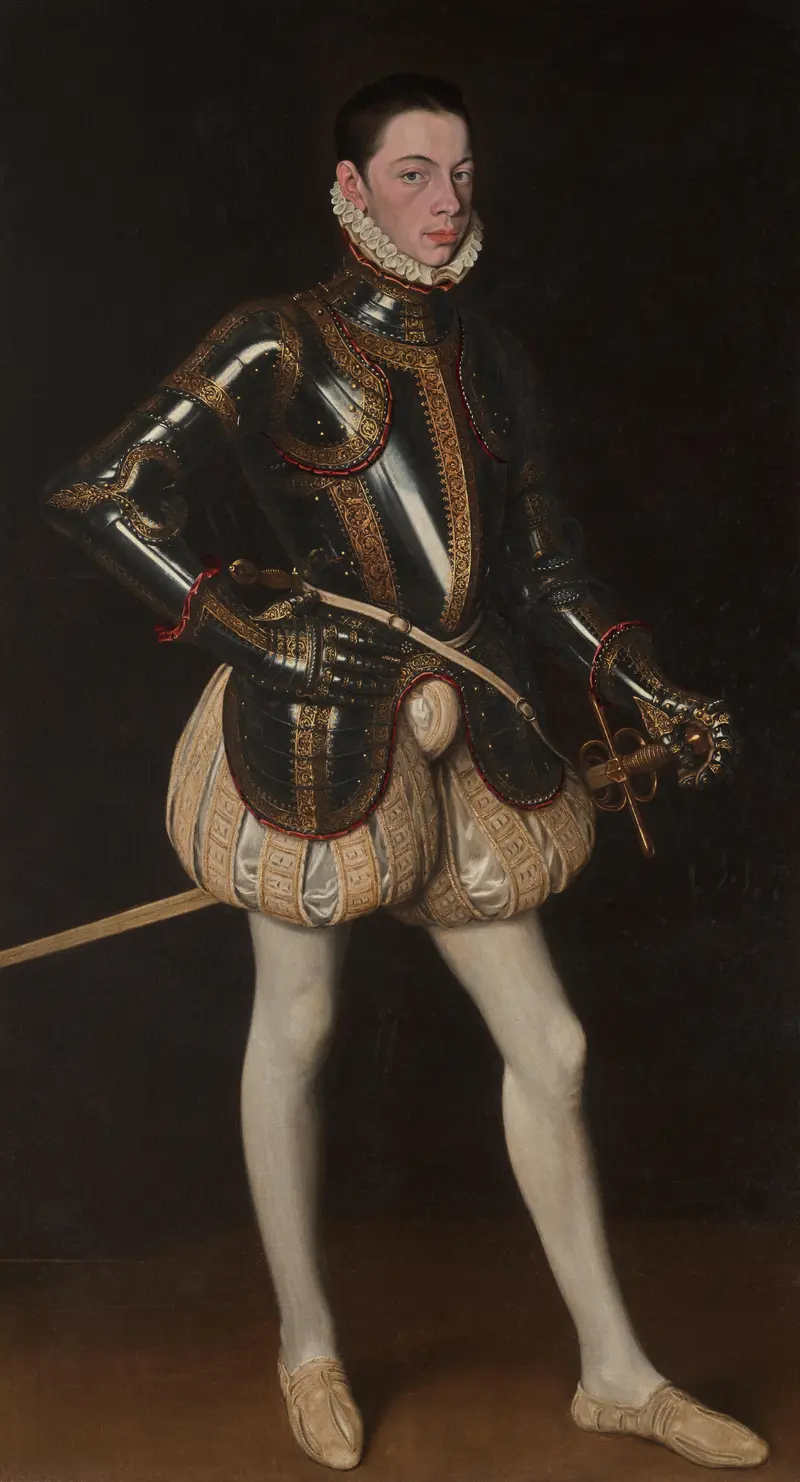
Alessandro Farnese in Armor
Antonis Mor
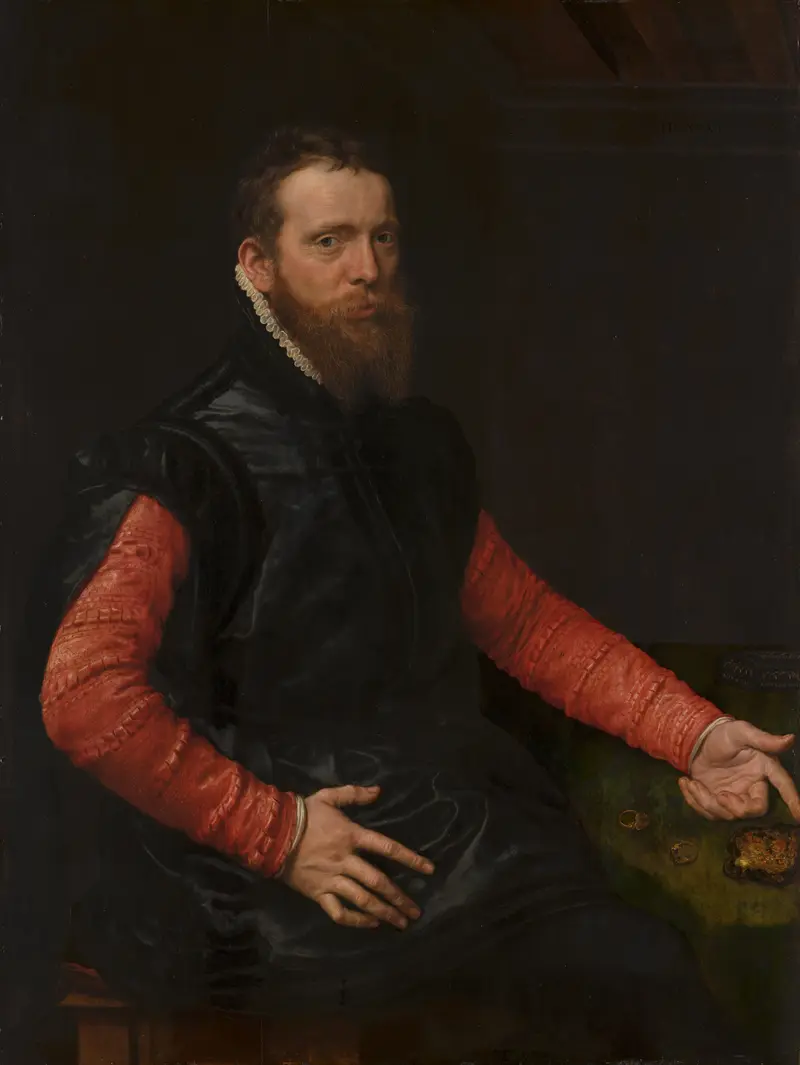
Steven van Herwijck
Antonis Mor
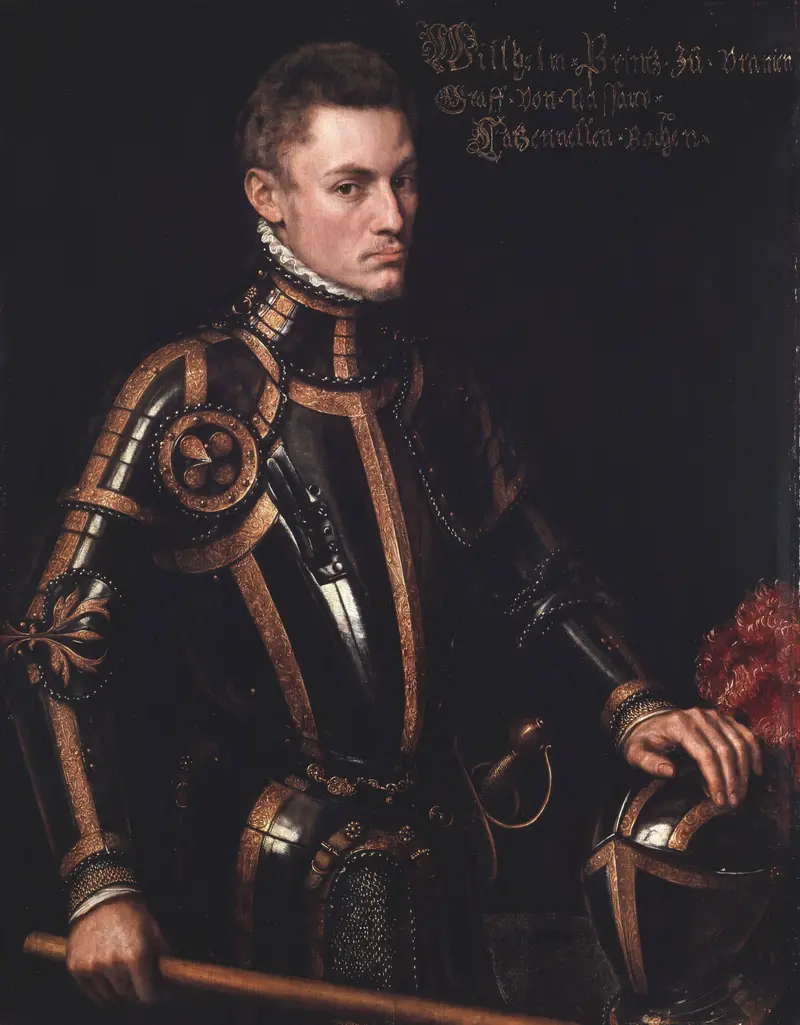
Portrait of William I of Nassau
Antonis Mor
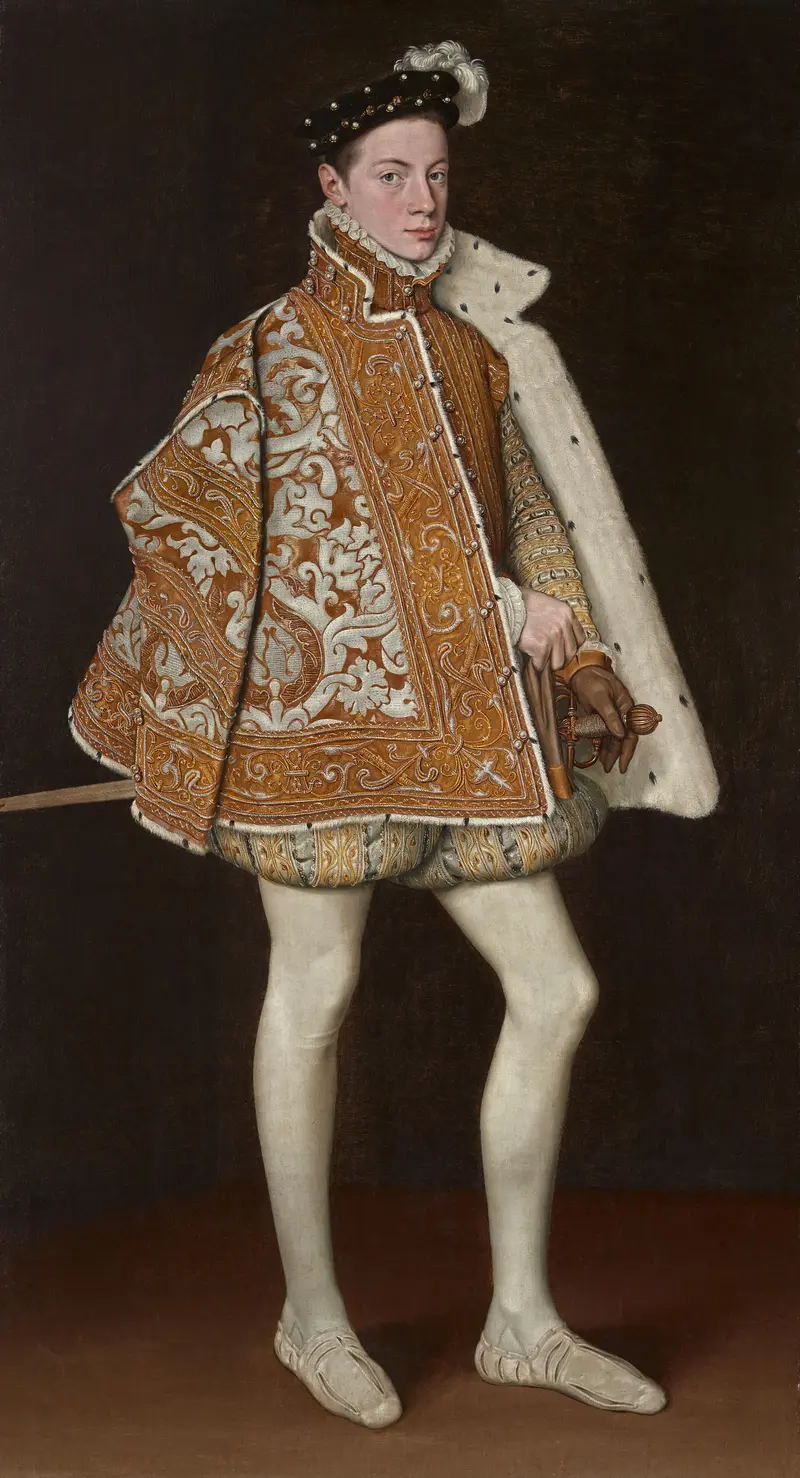
Portrait of Alessandro Farnese in Cape and Black Cap
Antonis Mor
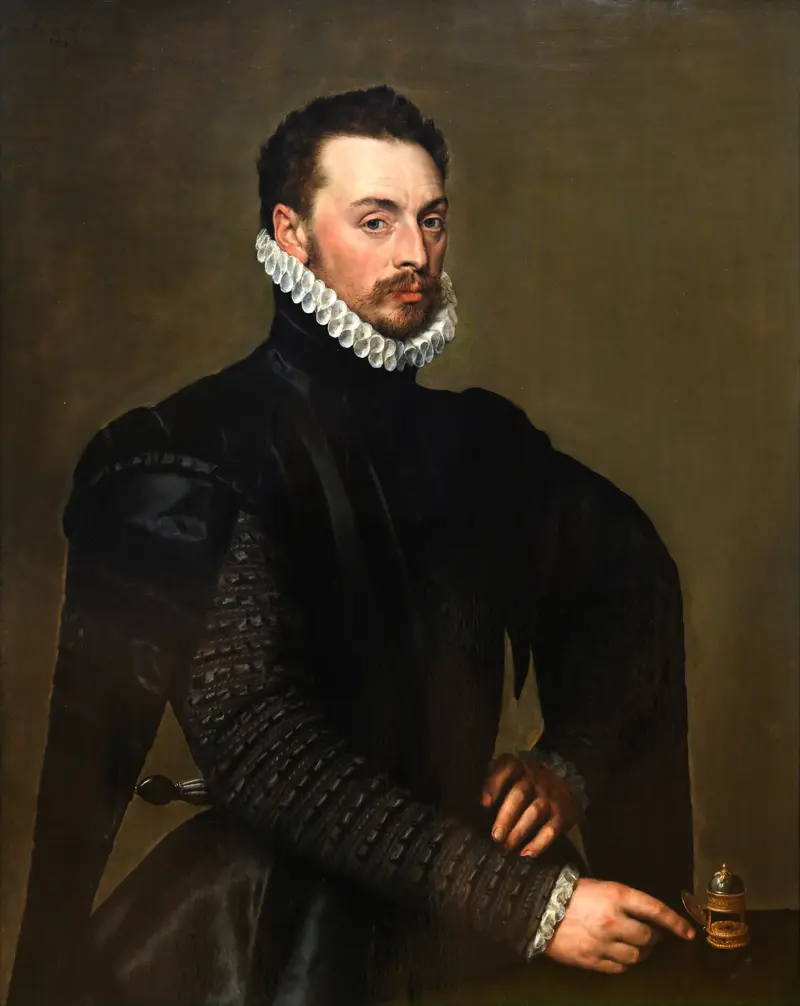
Portrait d'homme désignant une pendule Antonio Moro Musée du Louvre Peintures INV 1582 ; MR 880
Antonis Mor
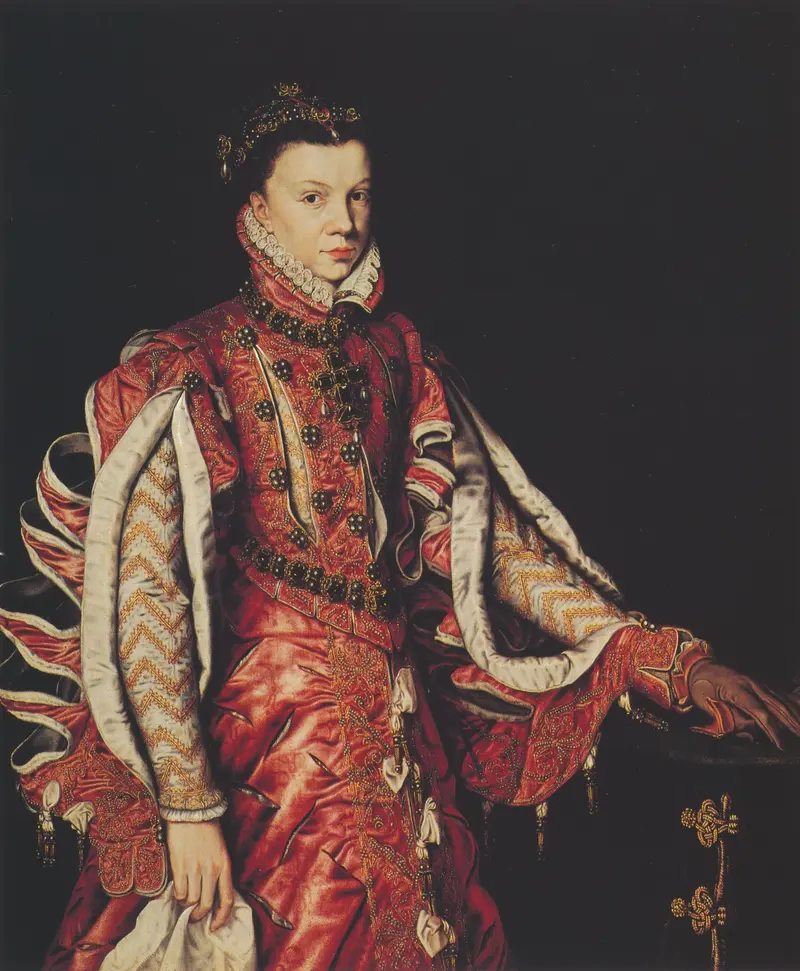
Portrait of Elisabeth of Valois, third wife of King Philip II of Spain
Antonis Mor
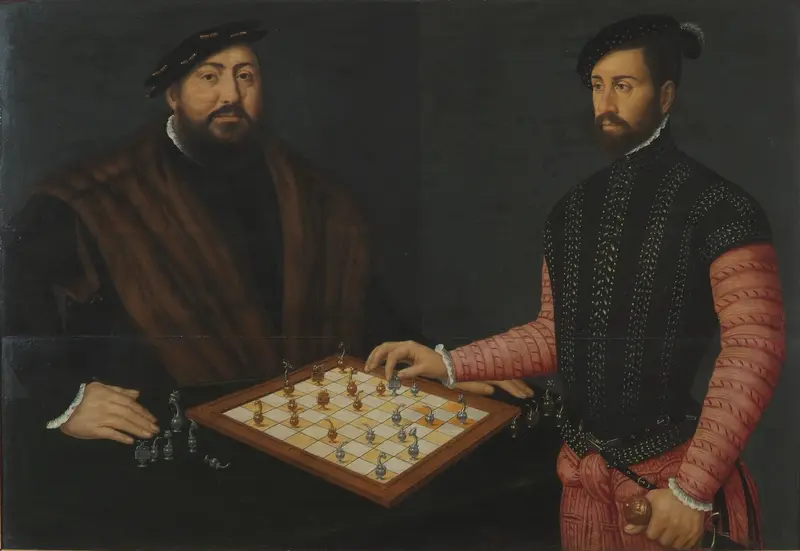
Von Sachsen vs. a Spaniard
Antonis Mor





