Fiesole — History & Analysis
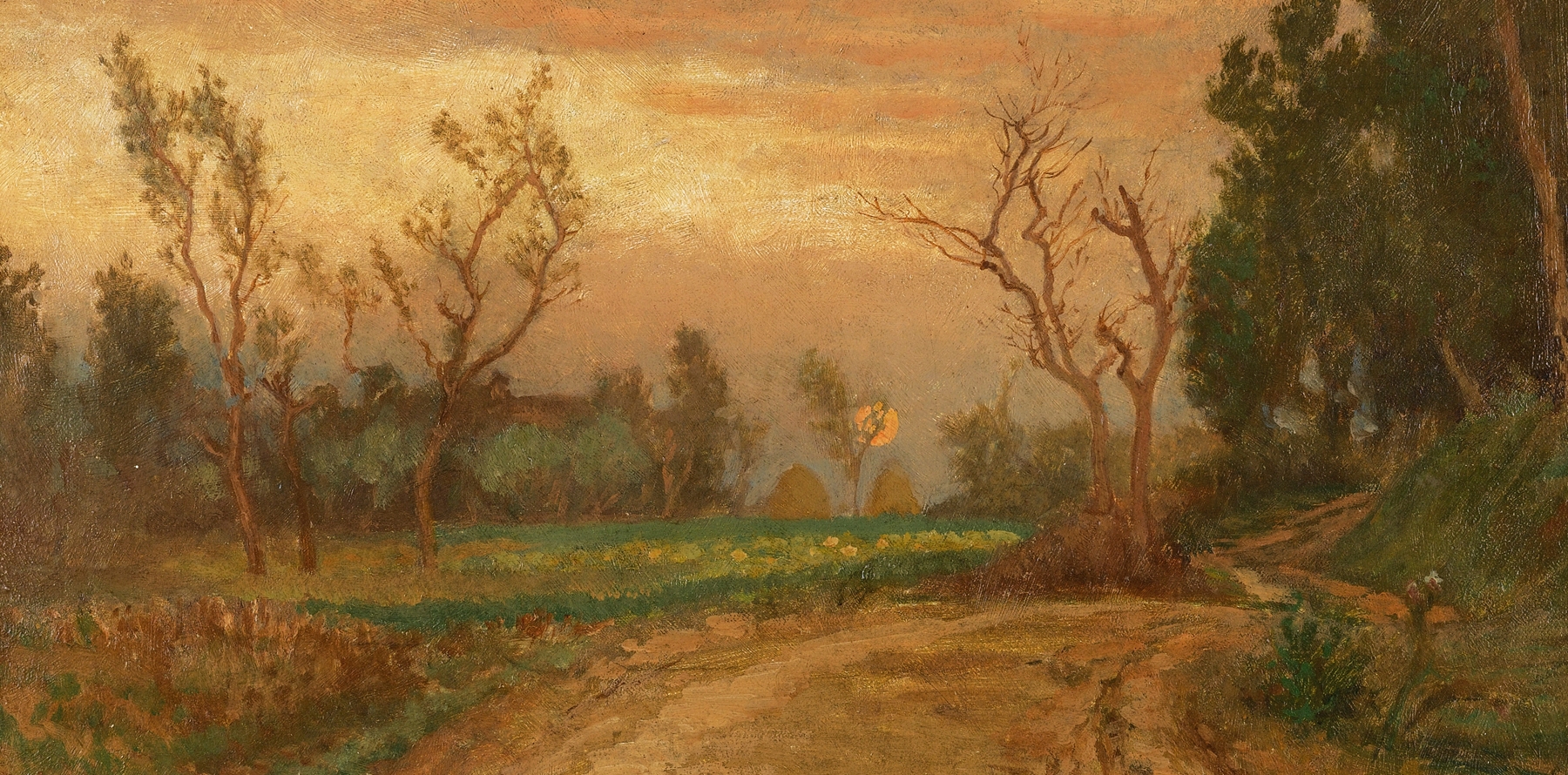
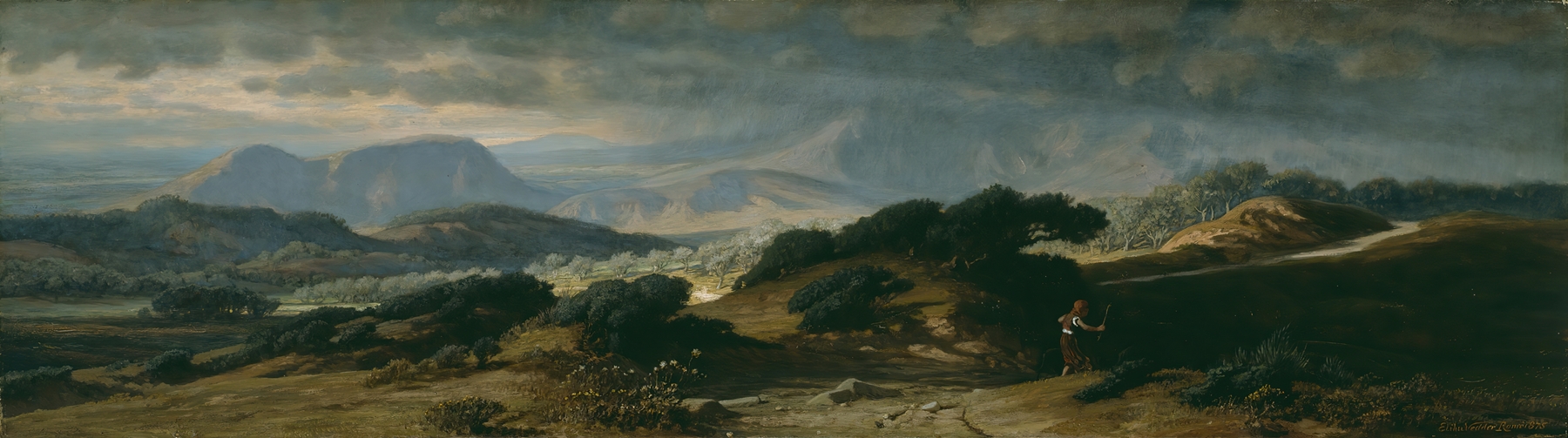
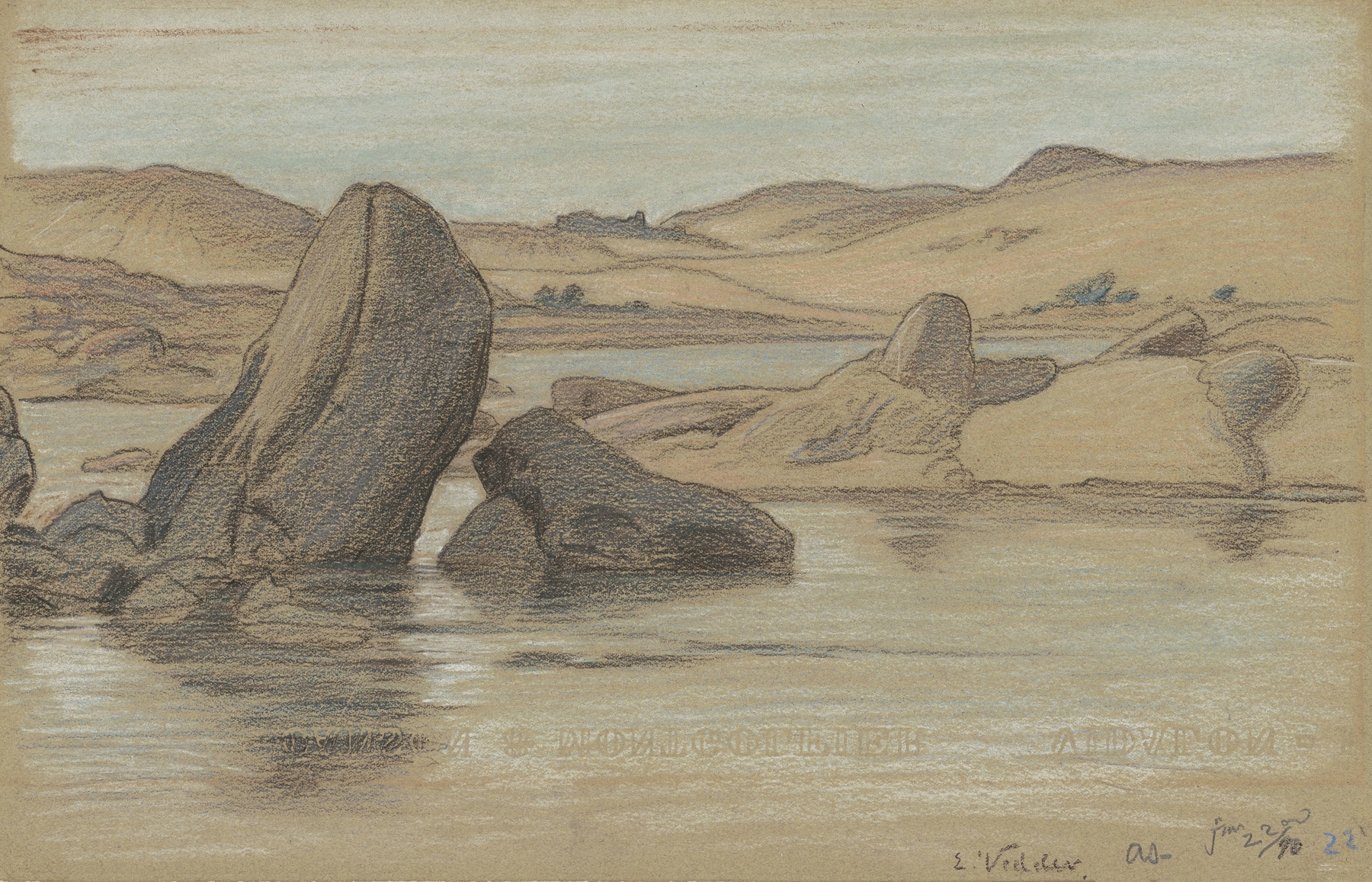
“The canvas doesn’t lie — it simply waits.” In the quietude of art, moments of ecstasy emerge, suspended in time, inviting contemplation and wonder. Focus on the depth of color in Fiesole, where lush greens and soft earth tones meld into a serene landscape. Notice how the light kisses the hills, casting gentle shadows that dance across the canvas. The composition draws your gaze to the horizon, a whisper of blue against the warmth of ochre, creating a visual symphony that speaks to the heart’s yearning for beauty and peace.
In this serene portrayal, the juxtaposition of vibrant nature against a still sky unfolds a narrative of longing and joy. Each brushstroke holds the weight of emotion, echoing the artist's reverence for the Tuscan landscape. There’s a sense of both tranquility and elation, embodying the duality of existence—where the soul finds solace in the embrace of nature, yet also yearns for something just out of reach.
Elihu Vedder painted Fiesole in 1859 while living in Italy, a period that profoundly influenced his artistic vision. The mid-19th century was marked by a surge of Romanticism, where artists sought to express emotional experiences and the sublime. Vedder’s work reflects this ethos as he captured the idyllic landscape, channeling both his personal journey and the broader artistic movement of his time.