
First Thought of the Vow of Louis XIII — History & Facts
When the French state commissioned Jean Auguste Dominique Ingres in 1820 to create a vast altarpiece for Montauban Cathedral, the artist’s first response was not the monumental canvas we know today, but this preparatory work: First Thought of the Vow of Louis XIII. The painting captures Ingres at a crossroads, wrestling with the expectations of a nation eager to see the glories of its past reaffirmed through art. This initial conception, smaller and more intimate than the final version, offers a rare window into the artist’s process and the pressures of official patronage in post-Napoleonic France. Ingres chooses the moment when King Louis XIII, kneeling in regal humility, dedicates France to the Virgin Mary in 1638—a gesture of both political and spiritual significance.
The king’s hands are clasped, his gaze uplifted, while the Virgin, enthroned and serene, accepts the vow with the Christ Child on her lap. The composition is carefully balanced: the king’s red robe leads the eye upward to the luminous blue of Mary’s mantle, while angels hover at the periphery, framing the sacred exchange. Unlike Rubens’s exuberant treatment of royal piety, Ingres’s figures are statuesque, their gestures measured, their emotions contained, reflecting the artist’s neoclassical ideals. This preparatory painting never left Ingres’s studio during his lifetime, serving as a touchstone for the larger commission completed in 1824.
While the final Vow of Louis XIII now presides over the high altar in Montauban, the First Thought remains a prized object for historians, revealing the evolution of Ingres’s vision. It also marks a pivotal moment in his career, as he transitioned from the influence of Raphael toward the more personal, linear style that would define his later portraits and mythologies. Today, the work is held in the Musée Ingres in Montauban, where visitors can trace the genesis of one of nineteenth-century France’s most significant religious paintings.
More Artworks by Jean Auguste Dominique Ingres
Vénus anadyomène
Jean Auguste Dominique Ingres
Grande Odalisque
Jean Auguste Dominique Ingres
Madame Moitessier (seated)
Jean Auguste Dominique Ingres
Portrait of Comtesse d’Haussonville
Jean Auguste Dominique Ingres
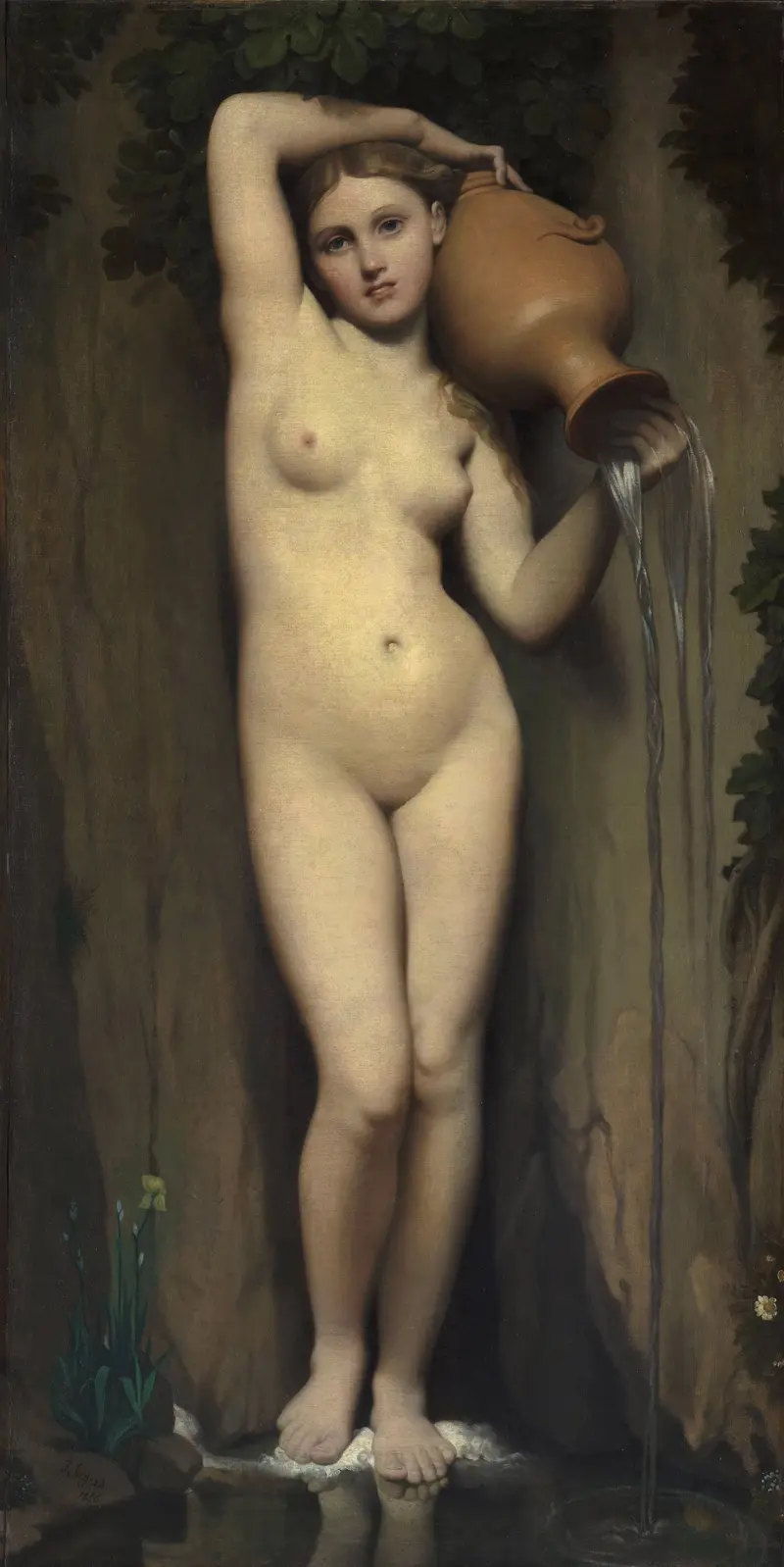
The Source
Jean Auguste Dominique Ingres
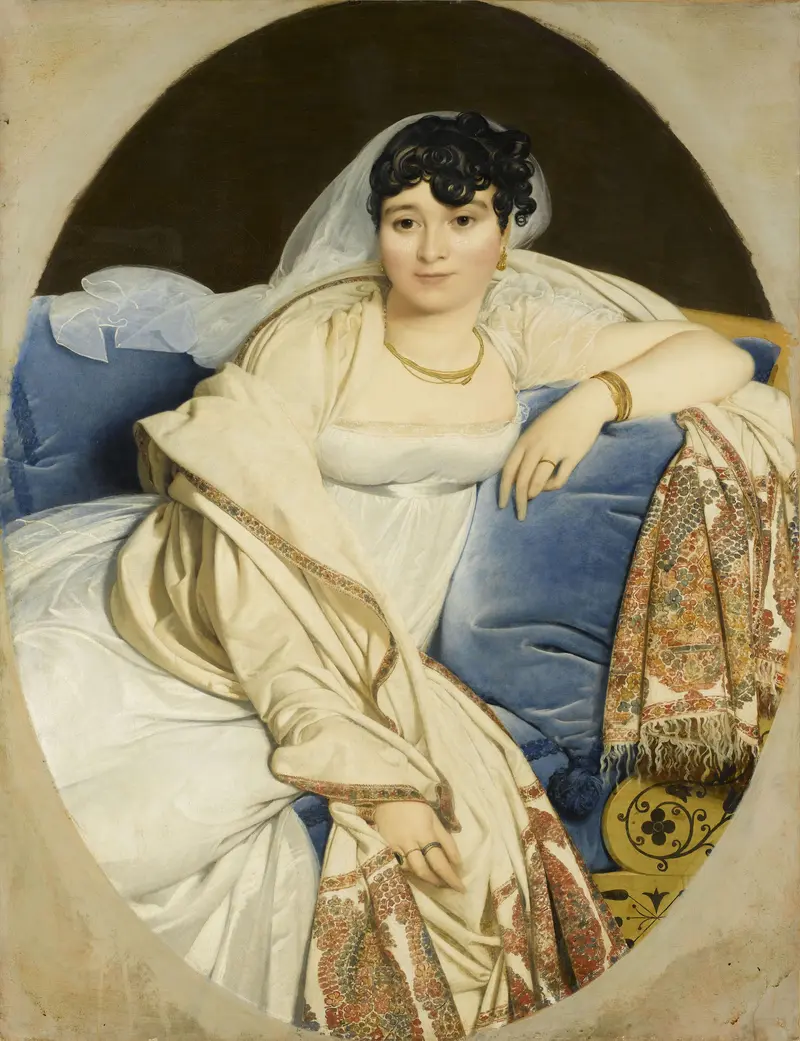
Madame Rivière
Jean Auguste Dominique Ingres

Madame Jean-Auguste-Dominique Ingres, née Madeleine Chapelle
Jean Auguste Dominique Ingres

Portrait of a Lady
Jean Auguste Dominique Ingres
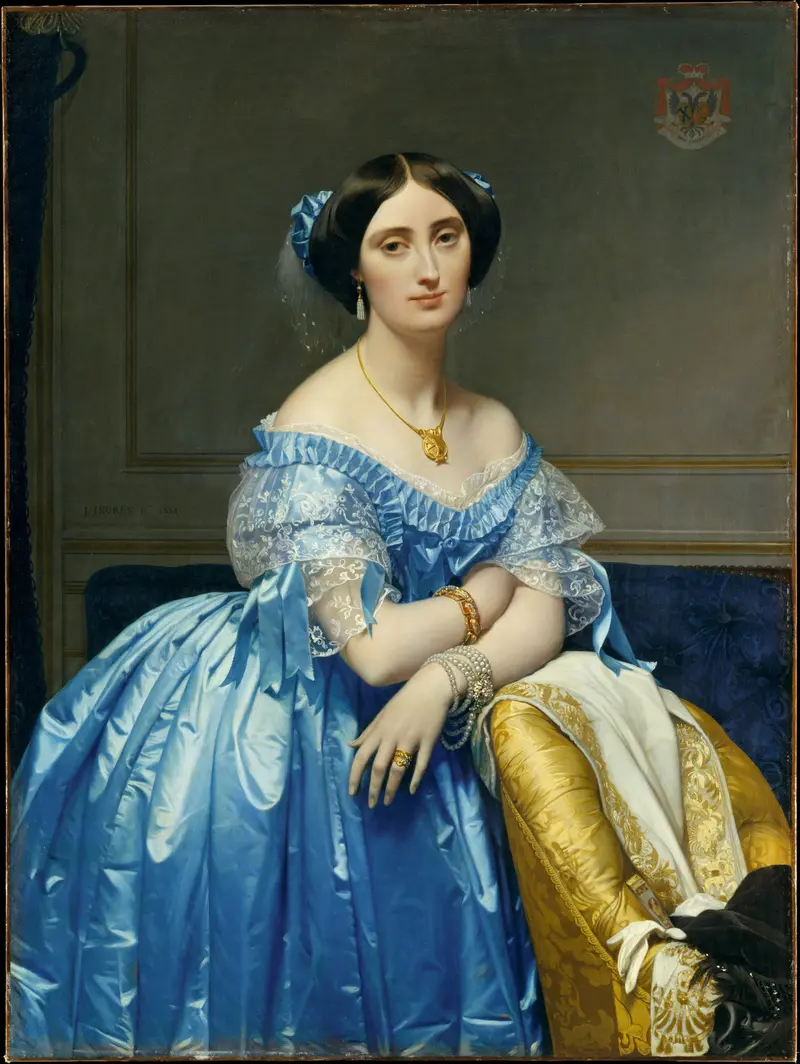
Joséphine-Éléonore-Marie-Pauline de Galard de Brassac de Béarn (1825–1860), Princesse de Broglie
Jean Auguste Dominique Ingres
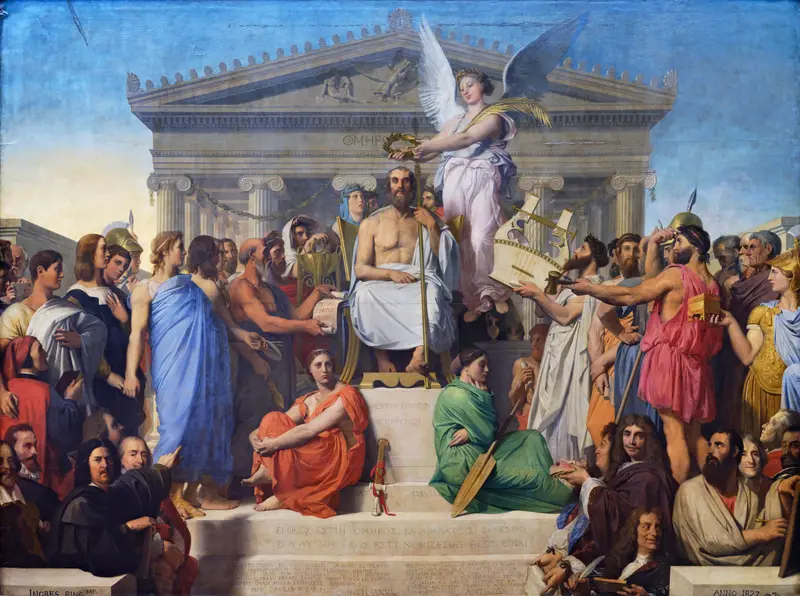
The Apotheosis of Homer
Jean Auguste Dominique Ingres





