Fishing Boats in a Storm — History & Analysis
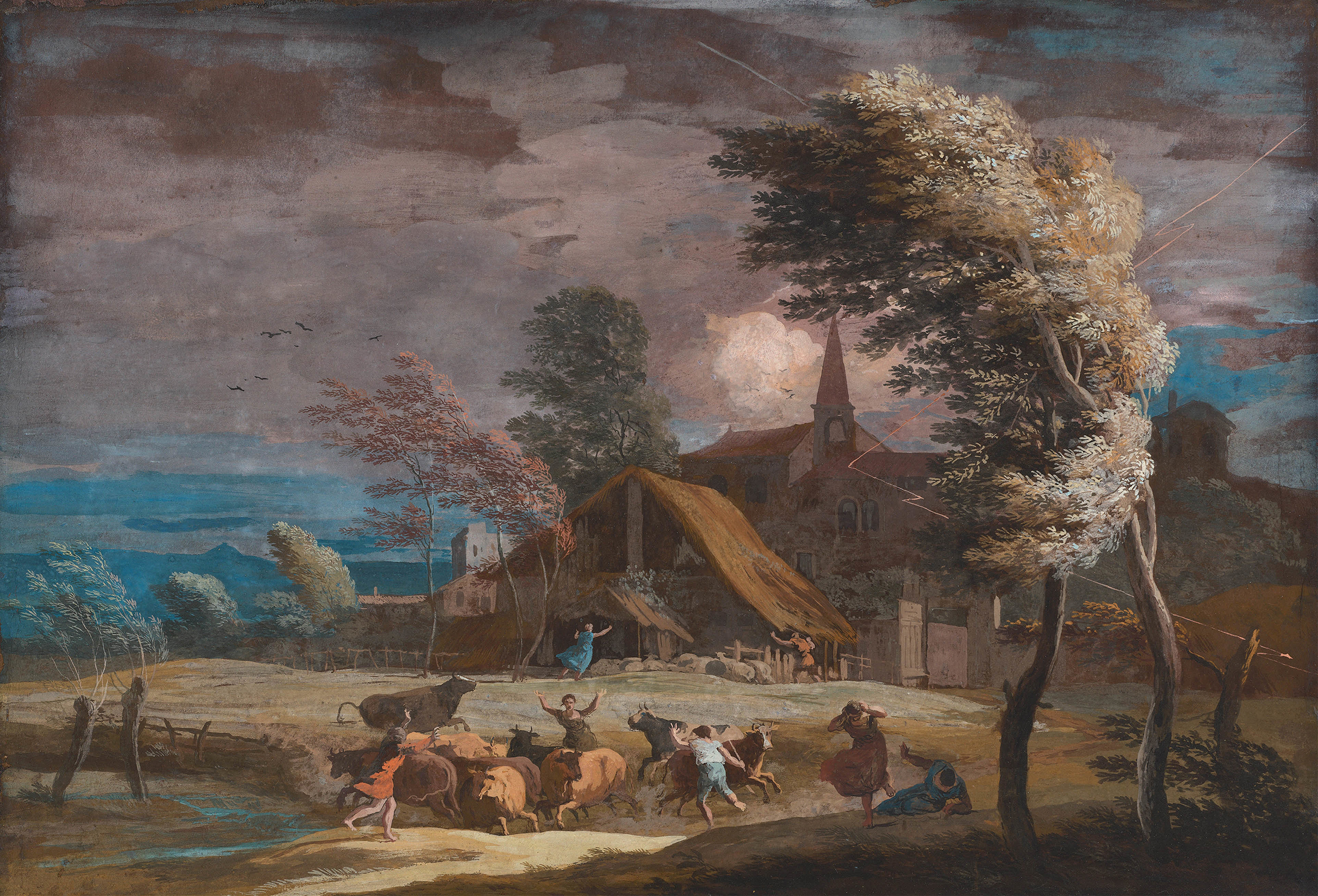
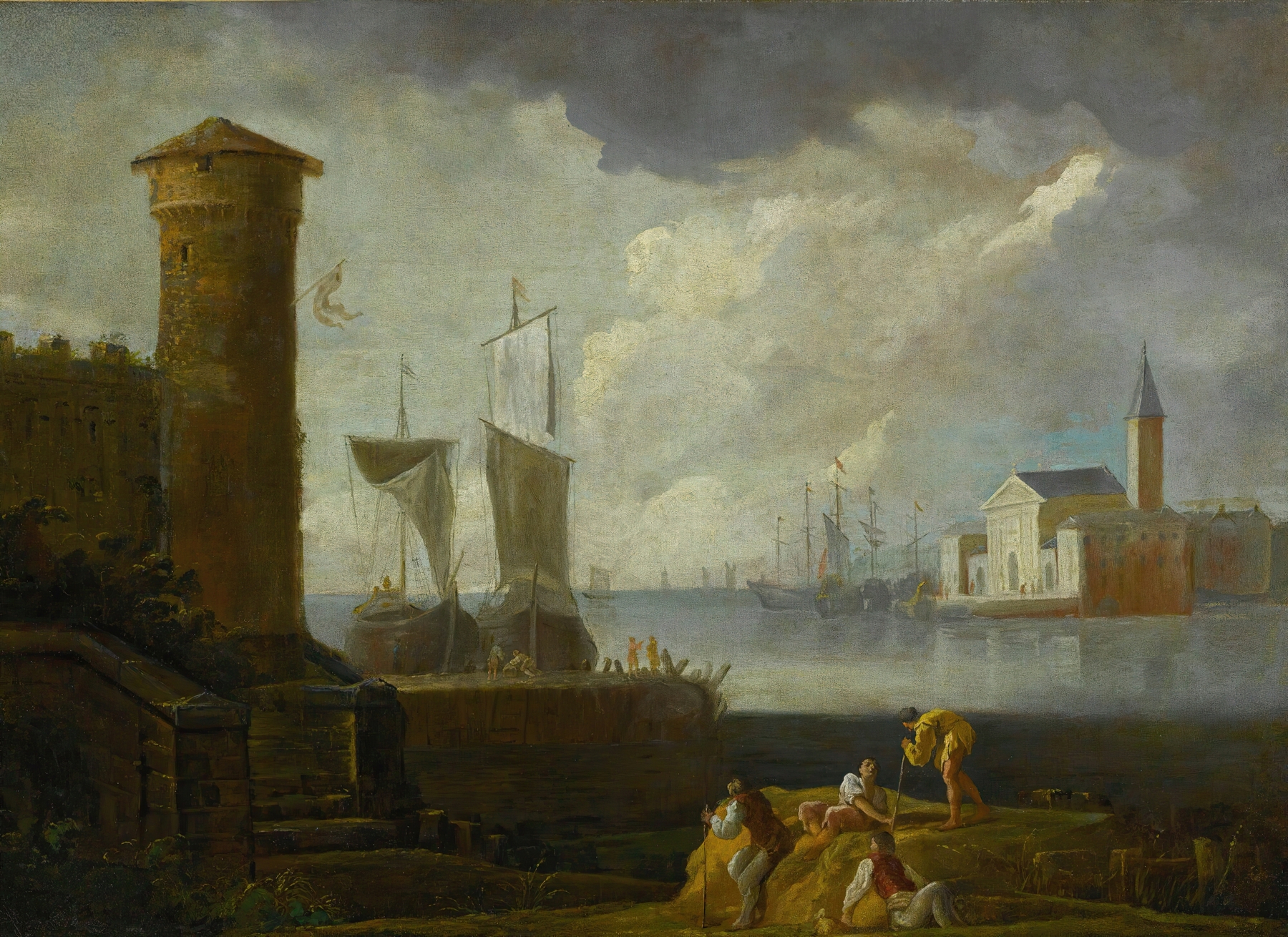
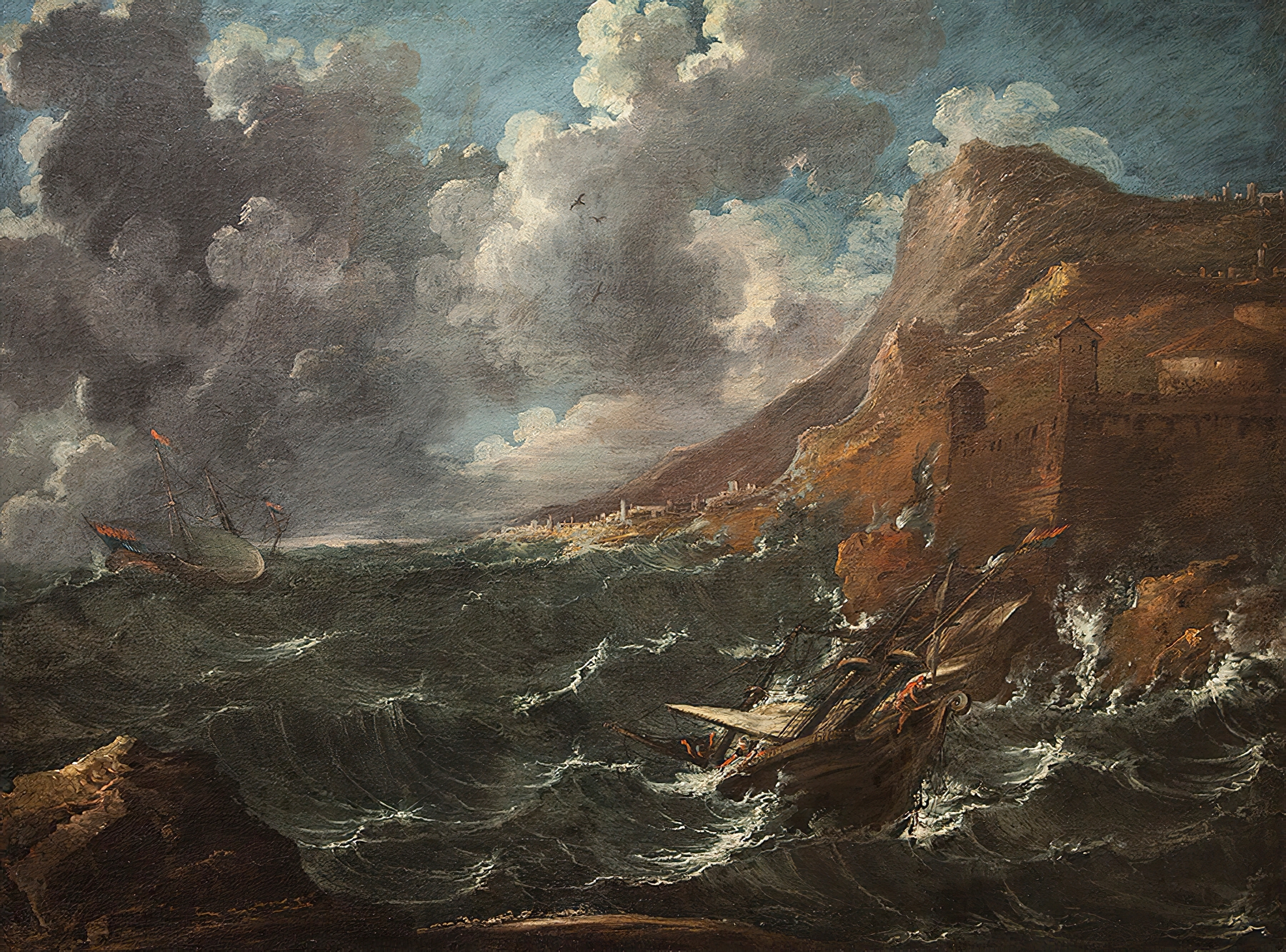
“Every silence here is a confession.” The weight of nostalgia hangs heavy in the air, capturing not just a moment, but an entire history of longing and loss. Focus on the tumultuous waves that dominate the foreground, swirling with raw energy and vibrant hues of blue and gray. The fishing boats, frail and defiant against nature’s wrath, draw your gaze upward where dark clouds loom ominously above, painted in chiaroscuro that enhances the foreboding atmosphere. The stark contrast between the boats and the stormy backdrop reveals a struggle not just for survival, but for a fleeting connection to something once familiar and now threatened by the tempest.
The painting encapsulates a tension between man and nature, echoing the fragility of human endeavors. Each boat represents not just the fishermen aboard but the dreams and aspirations that ride the waves of fate, forever at the mercy of the storm. The hidden details, such as the crests of the waves and the expressions of the fishermen, inform an emotional landscape of resilience amid chaos, where each droplet of water seems to carry whispers of stories untold.
Created around 1715, this piece emerged from a period when Marco Ricci was establishing himself as a landscape painter in Italy. During this time, the Baroque movement was prominent, characterized by dramatic use of light and color. Ricci's own life was marked by travel and exploration, mirroring the restless spirit captured in this painting, as he sought to blend the ideal with the authentic in a rapidly changing world.